
Uganda is often the top choice for
gorilla trekking, and the reasons go beyond a single factor. The permit cost is
lower, the gorilla population is concentrated in one park, and there are
experiences here that you cannot get elsewhere. For travelers who want more
than a quick visit, Uganda offers depth and value that are hard to match. Below
are ten reasons why Uganda stands out, explained clearly so you can decide if
it fits your trip.
The
Permit Price Gap Is Real Money
A standard gorilla permit in Uganda
costs US$800 per person, while Rwanda charges US$1,500 . That difference of
US$700 per person changes what a trip can include. For a couple, it is US$1,400
saved before you book a single lodge. Uganda also offers discounted permits at
US$600 during April, May, and November, though these cannot be rescheduled once
paid . The saving matters because a gorilla trip has other costs: transport,
lodging, meals, and porters. Spending less on the permit means you can afford
an extra night in the forest or add chimpanzee tracking elsewhere in Uganda.
The permit delivers the same one hour with a habituated family, with groups
capped at eight visitors
Bwindi
Holds Almost Half the World's Mountain Gorillas
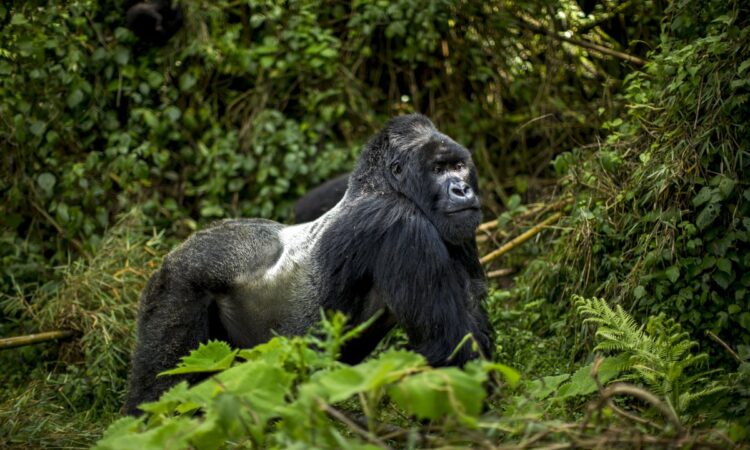
Bwindi
Impenetrable National Park protects roughly 459 mountain gorillas, about 43
percent of the global population of around 1,063 . That concentration means
more habituated families and more trekking options. Bwindi has four trekking
sectors Buhoma, Ruhija, Rushaga, and Nkuringo each with different terrain and
gorilla groups . More families mean more permits available each day and more
flexibility when you book. It also means your trek is not dependent on a single
group's movements. If one family has moved far, rangers can assign you to
another. The forest itself is dense and steep, but the density of gorillas is
the reason Uganda can support so many visitors without the experience feeling
crowded.
The
Gorilla Habituation Experience Is Unique to Uganda
Uganda is the only country where
you can spend almost four hours with a gorilla family that is still being
habituated . This is not the standard one-hour visit. You start from where the
gorillas nested the night before and track them with rangers through
less-trodden forest. The families are not fully accustomed to people, so they
behave more naturally and cautiously. Your presence is part of the process of
familiarizing them with humans, which contributes to conservation work. The
terrain is rougher and the photography harder, but the experience is rawer and
more immersive. For travelers who have trekked before and want something
deeper, this is the reason to choose Uganda over Rwanda.
Two
Treks Cost Less Than One in Rwanda
Many travelers book two gorilla
treks to improve their chances of a good sighting and to visit different
families. In Uganda, two permits cost US$1,600. In Rwanda, one permit costs
US$1,500 . For roughly the price of a single Rwandan trek, you can trek twice
in Uganda. This matters because each trek is different. Gorilla families move,
weather changes, and the quality of the encounter varies. A second trek gives
you another chance at a relaxed family in open vegetation. It also lets you
experience a different sector of Bwindi, which has distinct landscapes and
wildlife . The value is hard to argue with.
Sighting
Success Rates Are Extremely High
Bwindi's daily sighting success
rate is over 98 percent . The trackers locate the gorillas before you arrive,
and rangers radio their position to your guides. You are not wandering the
forest hoping to find them. The system is organized and reliable. This high
success rate means your permit is not a gamble. You will see gorillas. The
variable is how long the walk takes and how close the family allows you to
approach, not whether the trek succeeds. For travelers spending significant
money and time to reach Uganda, that reliability matters. It turns a high-stakes
trip into a predictable one.
Uganda
Pairs Gorillas with Chimpanzees and Savanna
Uganda is one of the few countries
where you can combine gorilla trekking with chimpanzee tracking and a classic
savanna safari in a single trip . Kibale Forest offers chimpanzee trekking and
habituation experiences. Queen
Elizabeth National Park has tree-climbing lions and boat safaris on the
Kazinga Channel. Murchison Falls adds Nile scenery and game viewing. Rwanda has
Nyungwe for chimps and Akagera for savanna, but the distances are longer and
the wildlife density in Akagera is lower. Uganda's parks sit closer together in
the west and southwest, making a multi-park itinerary practical within a week
to ten days. This variety is why Uganda works for travelers who want more than
a single activity.
Staying
Inside the Forest Changes the Experience
Some lodges in Bwindi sit inside
the national park, meaning you are staying in the gorillas' habitat rather than
visiting it from outside . You wake up in the forest, hear the birds, and drive
a short distance to the trailhead. This is different from staying in a town
near the park and commuting in. The immersion matters for travelers who want to
feel connected to the environment, not just pass through it. Lodges inside the
park tend to be smaller and more focused on the forest experience. They also
reduce early-morning travel stress on trekking day, which makes the whole
experience calmer.
The
Trek Is as Hard as You Want It to Be
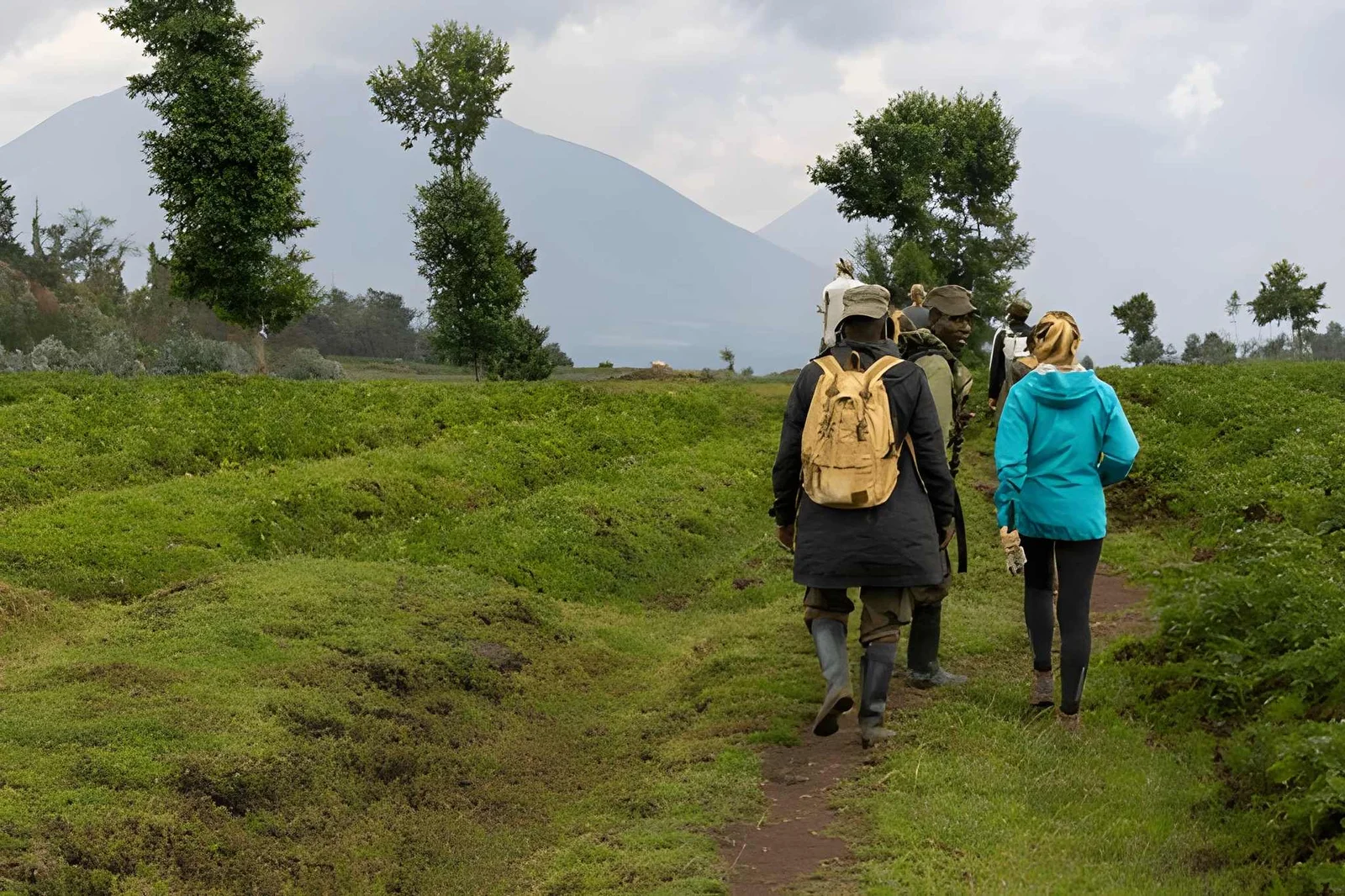
Uganda's treks have a reputation
for being tougher than Rwanda's, and they can be. Bwindi's terrain is steep and
dense. But Uganda's rangers assign visitors to gorilla families based on
fitness and preference, and porters are available to carry bags and help on
difficult sections . The trek can last from 30 minutes to several hours,
depending on where the family moved overnight. Travelers who are honest about
their fitness at the briefing are typically matched with a closer, gentler
family. The flexibility means the trek is not fixed in difficulty. It adapts to
the group. That makes Uganda accessible to a wider range of travelers than its
reputation suggests.
The
Money Stays in Conservation and Communities
Permit revenue in Uganda funds
anti-poaching patrols, ranger training, veterinary care, and community projects
around the parks . This is not just a marketing claim. The Uganda Wildlife
Authority sets permit prices and allocates revenue to park management and local
development. Communities living near Bwindi benefit from tourism employment and
revenue-sharing programs. When you buy a permit, you are contributing to the
system that has helped mountain gorilla numbers grow from a low point to over
1,000 individuals . The conservation model works because tourism pays for
protection. Choosing Uganda means your money supports that model directly.
Book
Early and Go in Dry Season for the Best Trip
Gorilla permits in Uganda sell out
months in advance, especially for the dry seasons from June to September and
December to February . These months offer firmer trails, easier hiking, and
better visibility. The low-season discounts in April, May, and November are
attractive, but trails are muddier and treks can be harder. Book permits at
least six months ahead if you want peak-season dates. Arrange accommodation at
the same time, since lodges near the trailheads fill up too. Arrive a day
before your trek to avoid travel delays. Hire a porter on the day. These small
preparations make the difference between a stressful trip and a smooth one.