
1.
Gorilla Trekking in Rwanda
Gorilla trekking in Rwanda is one
of Africa's most rewarding wildlife experiences. The activity takes place in Volcanoes
National Park, located in the northwestern part of the country along the
Virunga mountain range. The park protects several habituated mountain gorilla
families that visitors can track under the guidance of experienced rangers.
Every year, travelers from around the world visit Rwanda to spend an hour
observing these endangered primates in their natural habitat. Gorilla trekking
combines wildlife viewing, hiking, conservation, and cultural tourism in a
single experience. The opportunity to see mountain gorillas feeding, grooming,
playing, and interacting with their families creates unforgettable memories.
For many travelers, gorilla trekking is not simply a safari activity but a
life-changing connection with one of humanity's closest relatives.
2.
Why Choose Rwanda for Gorilla Trekking
Rwanda has become one of the
leading gorilla
trekking destinations because of its accessibility, conservation success,
and excellent tourism infrastructure. Volcanoes National Park is only a few
hours from Kigali International Airport, making travel convenient for visitors
with limited time. The country has invested heavily in conservation and
responsible tourism, creating a well-organized visitor experience. Rwanda's
roads are generally in good condition, accommodation options are diverse, and
visitor services are efficient. Gorilla trekking here attracts travelers looking
for both comfort and wildlife adventures. The park's beautiful volcanic scenery
adds to the experience, providing spectacular views throughout the journey.
Rwanda's commitment to protecting mountain gorillas has also helped increase
gorilla populations while creating meaningful benefits for local communities
living near the park.
3.
Understanding Gorilla Trekking Permits
A gorilla trekking permit is
required before participating in the activity. The permit reserves your place
in one of the daily trekking groups and helps support conservation efforts
within Volcanoes
National Park. Visitor numbers are limited each day to minimize disturbance
to the gorillas and protect their habitat. Because permits are highly sought
after, early booking is essential, especially during peak travel periods. Most
visitors secure permits through reputable safari operators who handle
reservations and itinerary planning. The permit allows access to one habituated
gorilla family and includes ranger guides who accompany trekkers throughout the
experience. Booking permits well in advance provides the best chance of
obtaining preferred travel dates while allowing sufficient time to arrange
accommodation and transportation.
4.
Best Time to Visit Rwanda Gorillas
Mountain gorillas can be visited
throughout the year because they remain within protected habitats inside the
park. However, many travelers prefer the dry seasons because hiking conditions
are often more comfortable. During drier months, trails may be less slippery
and visibility can be better for photography. The rainy seasons also have their
advantages, including greener scenery and potentially fewer visitors. Gorilla
sightings remain excellent throughout the year regardless of weather
conditions. Travelers should focus on their comfort level and overall itinerary
when selecting travel dates. Regardless of season, Rwanda's mountain climate
can change quickly, making it important to prepare for rain and cooler
temperatures. Every season offers unique opportunities to experience the beauty
of Volcanoes National Park.
5.
Getting to Volcanoes National Park
The journey to Volcanoes
National Park usually begins in Kigali, Rwanda's capital city. The drive
from Kigali to the park area passes through beautiful countryside characterized
by rolling hills, villages, and agricultural landscapes. Many visitors spend a
night in Kigali before traveling to the park region. The route is comfortable
and offers views of the scenery that has earned Rwanda the nickname "Land
of a Thousand Hills." Transfers can be arranged by safari operators,
hotels, or private drivers. Arriving near the park a day before trekking is
recommended because gorilla trekking briefings start early in the morning.
Staying close to the park helps reduce travel stress and ensures a more relaxed
start to the trekking experience.
6.
The Trekking Experience
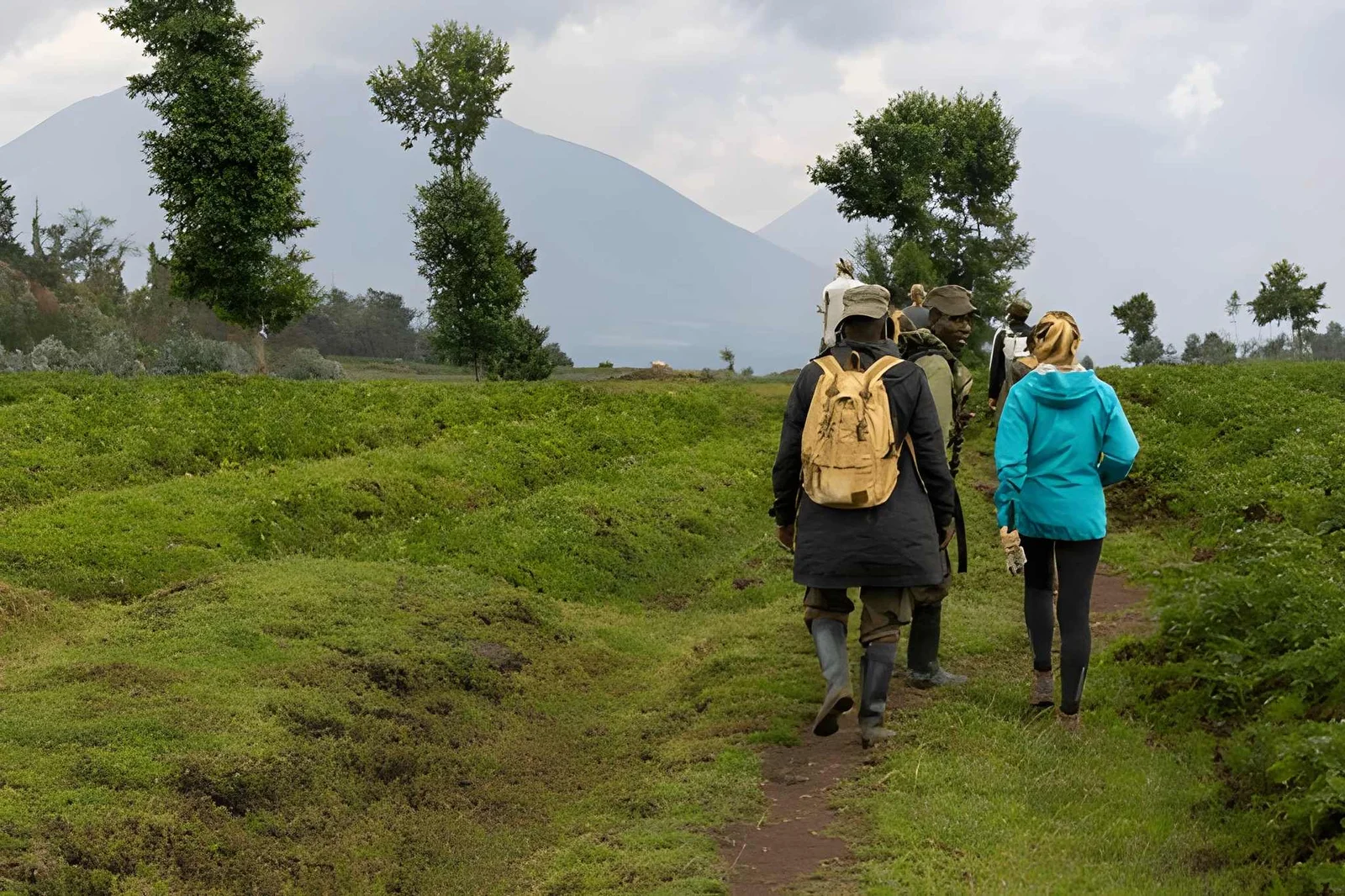
Gorilla trekking begins early in
the morning at the park headquarters. Visitors receive a detailed briefing from
park officials and are assigned to gorilla families based on fitness levels and
trekking preferences. Small groups then enter the forest with experienced
ranger guides and trackers. The duration of the trek varies depending on the
location of the gorilla family that day. Some treks take less than an hour,
while others may require several hours of hiking through forested and
mountainous terrain. Along the way, guides explain the ecosystem, wildlife, and
conservation efforts within the park. The anticipation builds as visitors move
deeper into the forest before finally encountering the gorillas among the dense
vegetation and mountain slopes.
7.
Spending Time with the Gorillas
Once the gorillas are located,
visitors are allowed to spend one hour observing them. This hour often feels
much shorter because of the fascinating interactions taking place within the
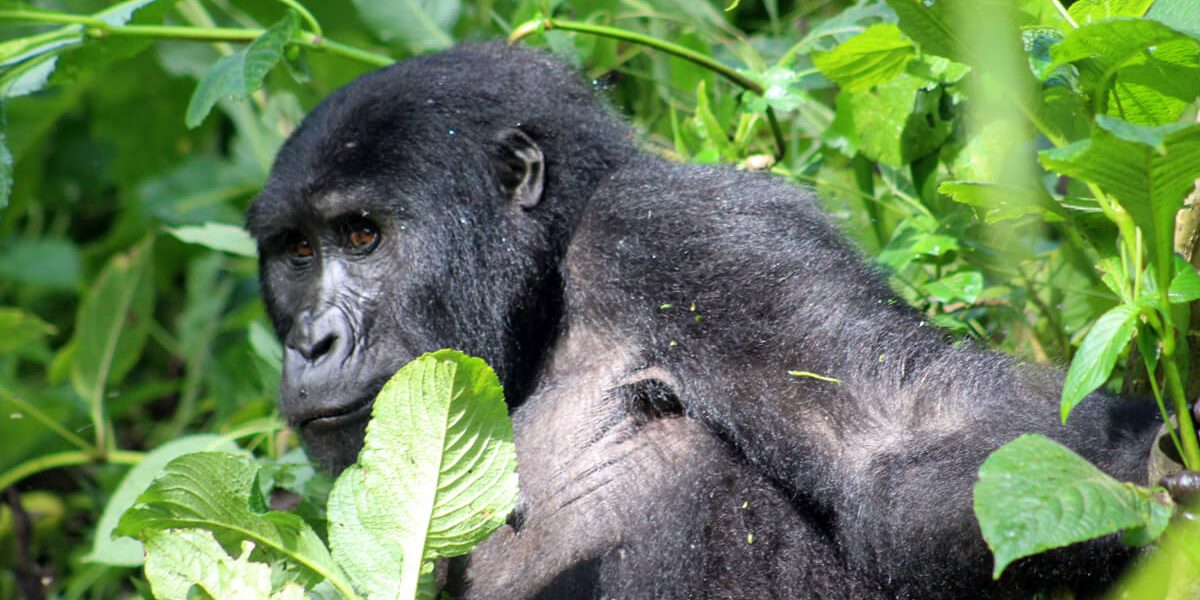
gorilla family. Travelers may see silverbacks watching over the group, mothers
caring for infants, juveniles playing, and individuals feeding on vegetation.
The calm behavior and human-like expressions of the gorillas make the encounter
remarkable. Photography opportunities are excellent, provided visitors respect
the guidelines established by park authorities. The hour is carefully managed
to ensure minimal disturbance to the animals. Many visitors describe this
experience as one of the greatest wildlife encounters available anywhere in the
world because of the closeness and authenticity of the interaction.
8.
What to Pack for Gorilla Trekking
Proper preparation makes gorilla
trekking more comfortable and enjoyable. Sturdy hiking boots are essential
because trails can be steep, muddy, and uneven. Long-sleeved shirts and long
trousers help protect against insects, branches, and stinging vegetation.
Waterproof jackets are useful because rain can occur unexpectedly in the
mountains. Gloves can help when navigating through dense forest vegetation.
Visitors should also carry drinking water, energy snacks, sunscreen, insect
repellent, and a camera with sufficient battery power. A small backpack is
useful for carrying personal items during the trek. Packing thoughtfully
ensures comfort throughout the day and allows travelers to focus fully on
enjoying the gorilla encounter rather than dealing with avoidable discomfort.
9.
Accommodation Near Volcanoes National Park
The area surrounding Volcanoes
National Park offers accommodation options suitable for different budgets.
Budget travelers can choose simple guesthouses and lodges located near Musanze.
Mid-range properties provide greater comfort with private rooms, good dining
options, and reliable services. Luxury travelers have access to some of
Africa's finest safari lodges, many situated in beautiful settings overlooking
the Virunga Mountains. Accommodation providers are experienced in serving
gorilla trekkers and often assist with transportation and logistics. Selecting
accommodation near the park headquarters makes it easier to reach the briefing
point on time. Visitors should book lodging well in advance during peak travel
seasons because demand can be high due to the popularity of gorilla trekking.
10.
Conservation and Community Benefits
Gorilla trekking contributes
significantly to conservation efforts and local development. Revenue generated
through permits and tourism supports park management, habitat protection,
anti-poaching activities, and scientific research. Tourism also creates employment
opportunities for guides, trackers, lodge staff, drivers, and local businesses.
Communities living near the park benefit from tourism projects, helping build
support for conservation initiatives. This relationship between tourism and
conservation has played an important role in protecting mountain gorillas and
increasing their numbers. By visiting Rwanda's gorillas, travelers directly
contribute to the preservation of one of the world's most endangered species.
Responsible tourism ensures that future generations will continue to have
opportunities to observe mountain gorillas in the wild.
11.
Photography Tips During Gorilla Trekking
Photography is an important part of
the gorilla trekking experience because visitors often want to capture lasting
memories. Cameras with good low-light capability perform well since forest
conditions can sometimes be shaded. Higher ISO settings may help improve image
quality without using flash. Visitors should avoid flash photography because it
may disturb the gorillas. Focusing on natural behaviors often produces the most
memorable photographs. While capturing images is important, travelers should also
spend time simply observing the gorillas with their own eyes rather than
viewing the entire encounter through a camera lens. A balance between
photography and observation helps visitors fully appreciate the emotional
impact of the experience while still returning home with meaningful images.
12.
Other Activities Around Volcanoes National Park
Volcanoes National Park offers more
than gorilla
trekking. Visitors can enjoy golden monkey tracking, a unique primate
experience involving another endangered species found within the Virunga
Mountains. Guided hikes lead visitors through beautiful forests while offering
opportunities to observe these active and colorful monkeys. Travelers can also
visit the Dian Fossey research site to learn about the legendary
primatologist's conservation work. Volcano hiking, nature walks, birdwatching,
and cultural experiences with local communities provide additional opportunities
to enrich a visit. Including these activities in a Rwanda itinerary allows
travelers to experience different aspects of the region's wildlife, landscapes,
and cultural heritage while extending their stay beyond a single trekking
excursion.
13.
Combining Gorilla Trekking with a Rwanda Safari
Many visitors combine gorilla
trekking with other safari destinations within Rwanda. Akagera National Park
offers traditional wildlife safaris featuring elephants, lions, buffaloes,
giraffes, and numerous antelope species. Nyungwe National Park provides chimpanzee
tracking, canopy walks, and exceptional birdwatching opportunities. Lake Kivu
offers relaxing lakeside scenery, boat excursions, and opportunities for
leisure following active trekking adventures. Combining these destinations
creates a more comprehensive safari experience while showcasing Rwanda's
diverse attractions. Travelers can enjoy mountain forests, savannah wildlife,
tropical rainforests, and beautiful lakes within a single journey. Such
combinations provide a deeper appreciation of Rwanda's natural resources and
allow visitors to experience multiple ecosystems during one vacation.
14.
Common Challenges and How to Prepare
Although gorilla trekking is
suitable for most reasonably fit travelers, certain challenges should be
expected. Mountain terrain, changing weather conditions, and variable trekking
durations can make the activity physically demanding. Preparing through regular
walking or light exercise before travel can improve comfort during the trek.
Visitors should remain flexible because gorilla locations change daily and
trekking times cannot be predicted accurately. Proper clothing and suitable
footwear significantly reduce discomfort. Mental preparation is equally
important because weather conditions may be wet or muddy. Despite these
challenges, most travelers successfully complete their treks and find the
effort worthwhile. Understanding potential difficulties beforehand helps create
realistic expectations and contributes to a more enjoyable experience.
15.
Basic Advice for Gorilla Trekking in Rwanda
For the best gorilla trekking
experience in Rwanda, book permits several months in advance and choose
accommodation near Volcanoes National Park. Arrive a day early to avoid
unnecessary travel stress and prepare carefully with proper hiking gear. Follow
all ranger instructions and maintain a respectful distance from the gorillas.
Stay quiet during the encounter and avoid sudden movements that could disturb
the animals. Hire a porter if needed, especially if you carry heavy equipment
or expect challenging terrain. Bring enough water, waterproof clothing, and a
camera with spare batteries. Travel insurance is also recommended for
additional protection. Most importantly, remain patient and open-minded
throughout the experience. Gorilla trekking is about more than wildlife
viewing; it is an opportunity to appreciate conservation, nature, and one of
Africa's most extraordinary wildlife encounters.