
A Uganda safari offers one of Africa’s most diverse
wildlife experiences, combining gorilla trekking, chimpanzee tracking,
traditional game drives, birdwatching, and cultural encounters within a single
destination. Known as the Pearl of Africa, Uganda is home to renowned protected
areas including Bwindi
Impenetrable National Park, Queen Elizabeth National Park, Murchison Falls
National Park, and Kibale Forest National Park. A Uganda safari provides
opportunities to see mountain gorillas, chimpanzees, lions, elephants,
buffaloes, giraffes, hippos, and more than a thousand bird species. Visitors
can also enjoy boat cruises along the Nile River and Kazinga Channel, adding
variety to their wildlife experience. With diverse landscapes, excellent
conservation efforts, friendly communities, and options for different budgets,
Uganda remains a leading destination for travelers seeking authentic African
wildlife adventures.
1. Why Choose
Uganda for a Safari
A Uganda safari offers a combination of primate
tracking, wildlife viewing, birdwatching, and cultural experiences within one
destination. Known as the Pearl of Africa, Uganda is home to vast national
parks, tropical forests, lakes, rivers, and mountain ranges. A Uganda
safari allows visitors to see mountain gorillas, chimpanzees, tree-climbing
lions, elephants, buffaloes, giraffes, and numerous bird species. The country
also provides excellent value compared to many other African safari
destinations. Whether you are interested in wildlife photography, conservation
experiences, family travel, or adventure activities, Uganda offers diverse
attractions that suit different interests and budgets while maintaining strong
conservation efforts.
2. Best Time to
Visit Uganda
Choosing the right season is important when planning
a Uganda safari. The dry seasons from June to September and December to
February are often considered the best times for a Uganda safari because game
viewing is easier and trekking trails are generally less challenging. During
these months, animals tend to gather around water sources, improving wildlife
sightings. The rainy seasons bring greener landscapes, excellent birdwatching
opportunities, and fewer tourists. While rain can affect some activities,
safaris operate throughout the year. Travelers should select their travel dates
based on their preferred activities, budget, and wildlife interests.
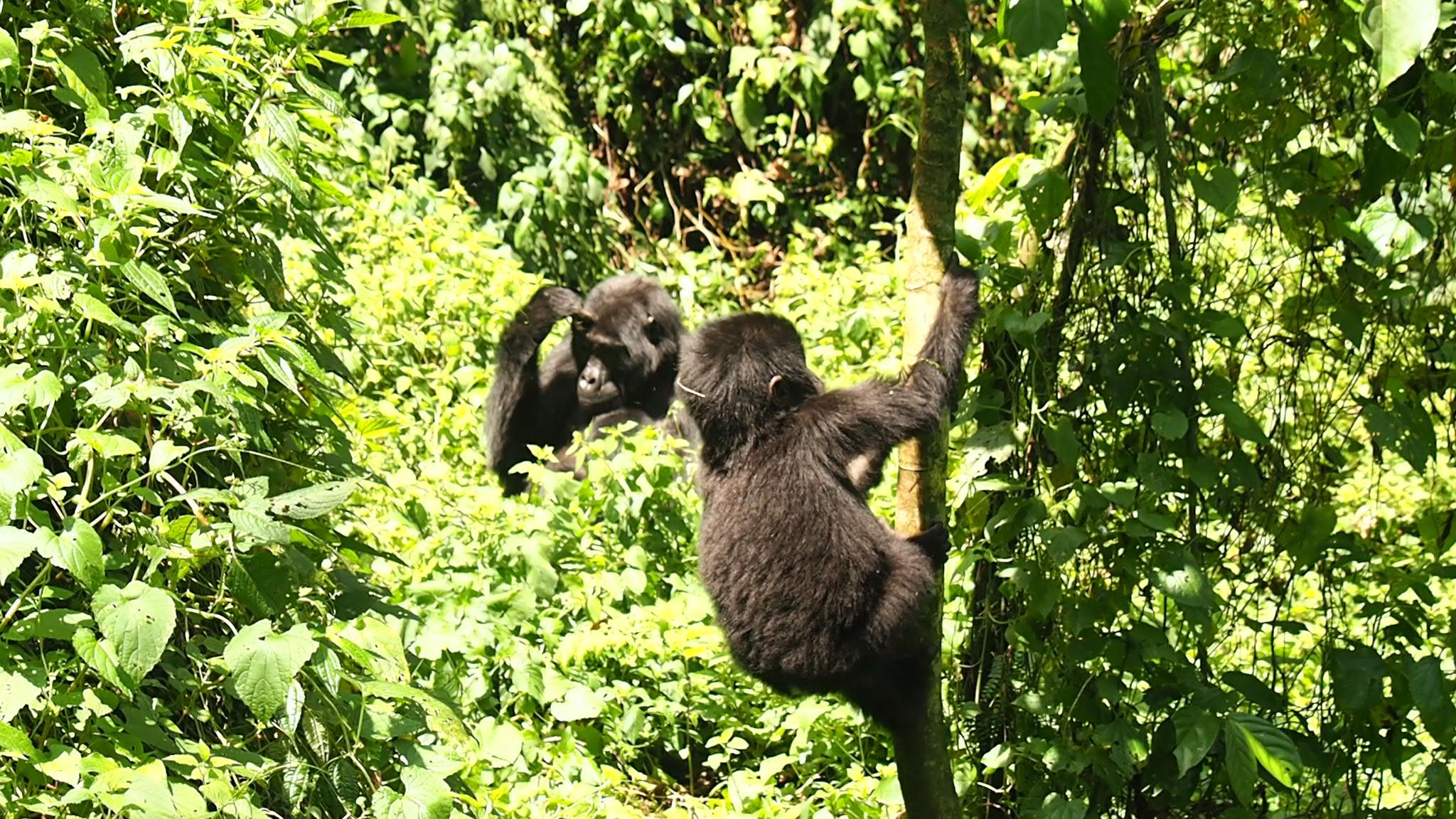
3. Gorilla
Trekking in Bwindi Impenetrable National Park
One of the main highlights of a Uganda
safari is gorilla trekking in Bwindi Impenetrable National Park. This
protected forest is home to nearly half of the world’s remaining mountain
gorillas. A Uganda safari that includes gorilla trekking offers the rare
opportunity to observe these gentle primates in their natural environment.
Guided treks can vary in duration depending on the location of the gorilla
family being visited. Visitors spend a valuable hour observing gorilla behavior
while learning about conservation efforts. Gorilla trekking remains one of
Africa’s most sought-after wildlife experiences and is often the primary reason
travelers visit Uganda.
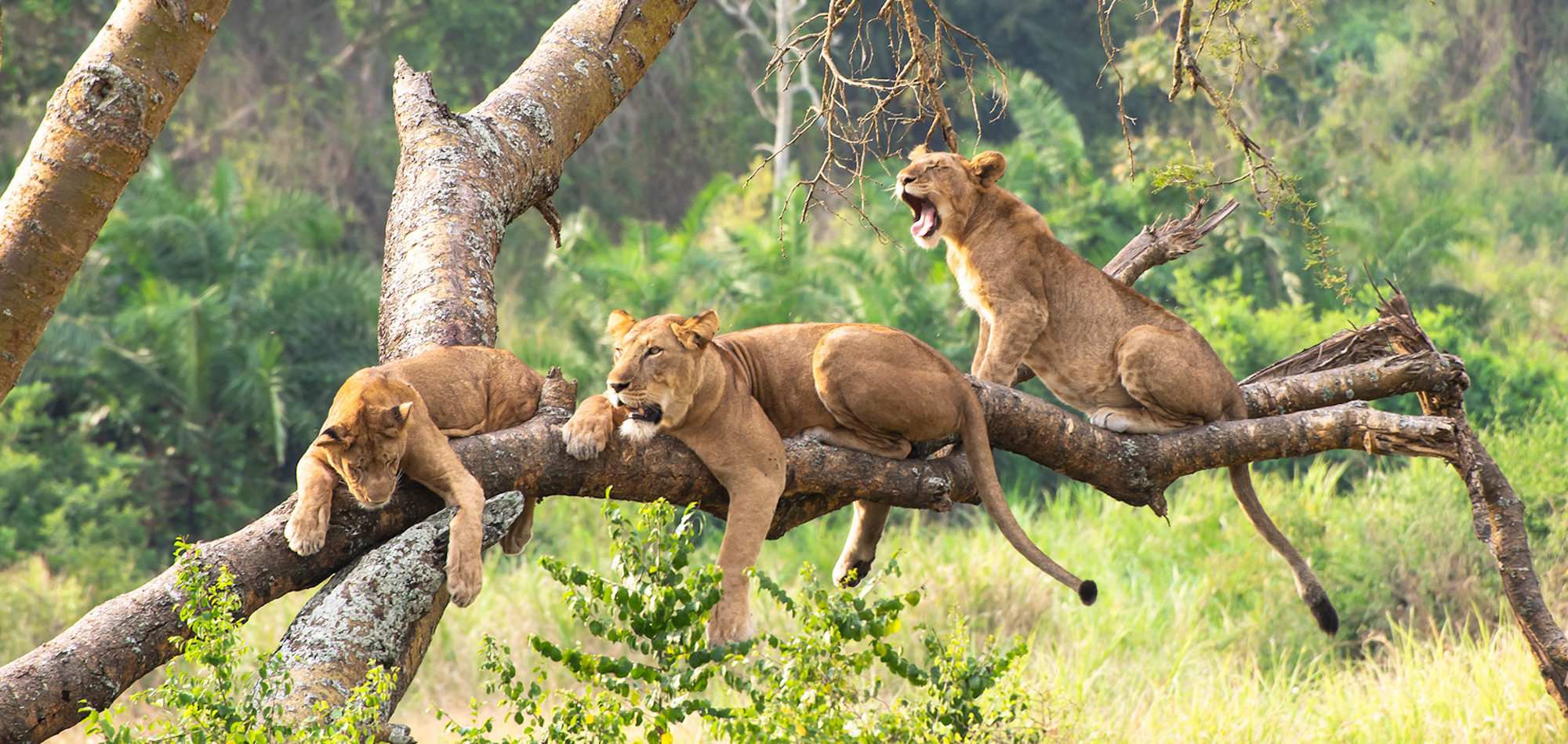
4. Queen
Elizabeth National Park
A Uganda safari in Queen Elizabeth National Park
provides excellent opportunities to view a wide variety of wildlife. The park
is known for its tree-climbing lions, diverse ecosystems, and wildlife-rich
plains. During a Uganda safari here, visitors can enjoy game drives, boat
cruises on the Kazinga Channel, and birdwatching excursions. Elephants,
buffaloes, hippos, crocodiles, antelope species, and numerous birds are
commonly seen. The park’s varied habitats create excellent wildlife viewing
opportunities throughout the year. Its accessibility and diverse attractions
make it one of Uganda’s most popular safari destinations.
5. Murchison
Falls National Park
Murchison Falls National Park is a major highlight
of a Uganda safari and is the country’s largest protected area. A Uganda safari
in this park combines traditional game drives with visits to the powerful
Murchison Falls, where the Nile River forces its way through a narrow gorge.
Visitors frequently see elephants, lions, giraffes, buffaloes, leopards, and
hippos throughout the park. Boat cruises along the Nile provide additional
opportunities to observe wildlife and enjoy excellent photography. The
combination of wildlife and natural features makes Murchison Falls one of
Uganda’s top safari destinations.
6. Chimpanzee
Tracking in Kibale Forest
Chimpanzee tracking is another popular activity
included in a Uganda safari. Kibale
Forest National Park is widely recognized as the best destination for
chimpanzee tracking in the country. A Uganda safari in Kibale offers
opportunities to observe chimpanzees as they move through the forest while
feeding, communicating, and interacting with one another. The forest is also
home to several other primate species and a rich variety of birdlife. Guided
walks provide educational insights into forest ecosystems and conservation
efforts, making chimpanzee tracking a rewarding addition to any Uganda
itinerary.
7. Wildlife You
Can Expect to See
A major attraction of a Uganda safari is the
incredible diversity of wildlife available across different regions. Depending
on the destinations visited, a Uganda safari can include sightings of mountain
gorillas, chimpanzees, lions, leopards, elephants, buffaloes, giraffes, zebras,
hippos, crocodiles, and numerous antelope species. Uganda's parks also support
a remarkable variety of birdlife, attracting birdwatchers from around the
world. The diversity of habitats found across the country contributes to the
wide range of animal species available for viewing throughout the year.
8. Birdwatching
Opportunities
Birdwatching is one of the strongest attractions of
a Uganda safari, with more than a thousand bird species recorded across the
country. A Uganda safari offers opportunities to observe forest birds, wetland
species, savannah birds, and Albertine Rift endemics. Popular birding
destinations include Bwindi Impenetrable National Park, Kibale Forest, Queen
Elizabeth National Park, and Mabamba Swamp. Professional bird guides help
visitors locate rare species while providing valuable information about
habitats and behavior. Birdwatching can easily be combined with primate
tracking and game viewing for a comprehensive wildlife experience.
9. Accommodation
Options
Accommodation choices play an important role in
planning a successful Uganda safari. Travelers can select from budget lodges,
mid-range camps, luxury safari lodges, and tented camps depending on their
preferences. A Uganda safari offers accommodation near major attractions such
as Bwindi, Kibale, Queen Elizabeth, and Murchison
Falls National Parks. Luxury lodges provide high-end services and excellent
locations, while budget options make safaris more affordable. Booking early is
highly recommended, particularly during peak gorilla trekking seasons when
accommodation demand increases significantly.
10. Travel Costs
and Budget Planning
Understanding costs helps travelers plan a Uganda
safari more effectively. The total cost of a Uganda safari depends on accommodation
choices, transportation, park fees, and planned activities. Gorilla and
chimpanzee permits often account for a significant portion of the budget.
Travelers can reduce overall costs by selecting suitable accommodation
categories and traveling during less busy periods. Careful planning helps
ensure good value while still providing access to high-quality wildlife
experiences. Establishing a clear budget before booking allows for better
decision-making throughout the planning process.
11. Important
Travel Tips
Proper preparation can greatly improve your Uganda
safari experience. Travelers planning a Uganda safari should pack comfortable
hiking shoes, waterproof clothing, insect repellent, sunscreen, lightweight
clothing, and binoculars. Gorilla and chimpanzee trekking often involve walking
through forest terrain, making appropriate footwear essential. Travelers should
also carry sufficient camera equipment and follow all instructions provided by
guides. Respecting wildlife regulations, conservation rules, and local
communities contributes to a safer and more enjoyable safari. Good preparation
helps visitors make the most of their time in Uganda.
12. Planning the
Perfect Uganda Safari
The best Uganda safari begins by identifying your
travel interests, budget, and available travel time. Many travelers combine
gorilla trekking, chimpanzee tracking, wildlife viewing, birdwatching, and
cultural experiences within a single Uganda safari itinerary. Popular
combinations include Bwindi Impenetrable National Park, Queen Elizabeth
National Park, Kibale Forest National Park, and Murchison Falls National Park.
Planning around seasonal conditions and activity availability helps maximize
wildlife viewing opportunities. Working with an experienced safari company can
simplify logistics and create a smooth travel experience. With its remarkable
wildlife diversity and unique primate experiences, Uganda remains one of
Africa’s leading safari destinations.