
A Rwanda safari offers a unique blend of wildlife,
primate tracking, culture, and beautiful landscapes within one of Africa’s most
accessible destinations. Known as the Land of a Thousand Hills, Rwanda is
famous for mountain gorilla trekking in Volcanoes
National Park, chimpanzee tracking in Nyungwe Forest National Park, and
classic wildlife safaris in Akagera National Park. A Rwanda safari allows
visitors to experience diverse ecosystems ranging from rainforests and
mountains to savannah plains and lakes. The country’s well-developed tourism
infrastructure, clean environment, and short travel distances make it easy to
visit multiple attractions in a single trip. Whether you are interested in
conservation, photography, birdwatching, or wildlife encounters, Rwanda
provides rewarding experiences throughout the year while supporting
conservation efforts and local community development.
1. Why Choose
Rwanda for a Safari
A Rwanda safari offers a unique combination of
wildlife, mountain landscapes, primate tracking, and cultural experiences.
Unlike many traditional safari destinations that focus mainly on game drives, a
Rwanda
safari allows visitors to experience gorilla trekking, chimpanzee tracking,
wildlife viewing, and scenic countryside within one compact country. Rwanda is
also known for its clean cities, well-maintained roads, and efficient tourism
services. The short travel distances between attractions make it easy to visit
multiple destinations in a single trip. Whether you are interested in wildlife
photography, conservation, birdwatching, or cultural experiences, Rwanda
provides a diverse and rewarding travel experience throughout the year.
2. Best Time to
Visit Rwanda
Choosing the right season is important when planning
a Rwanda
safari. The dry seasons from June to September and December to February are
generally considered the best times for a Rwanda safari because trekking trails
are easier to navigate and wildlife viewing conditions are favorable. These
months are particularly popular for gorilla trekking in Volcanoes National
Park. The rainy seasons bring greener landscapes, excellent birdwatching
opportunities, and fewer visitors. While rain can make some trails more
challenging, wildlife activities continue throughout the year. Travelers should
select their travel dates based on their preferred activities and budget.
3. Gorilla
Trekking in Volcanoes National Park
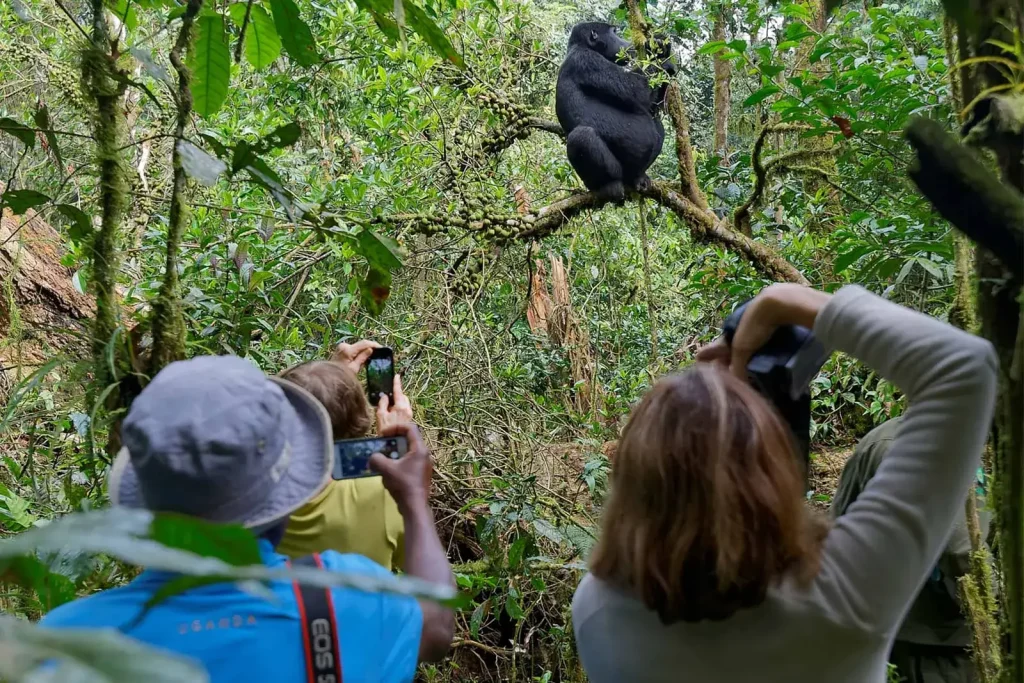
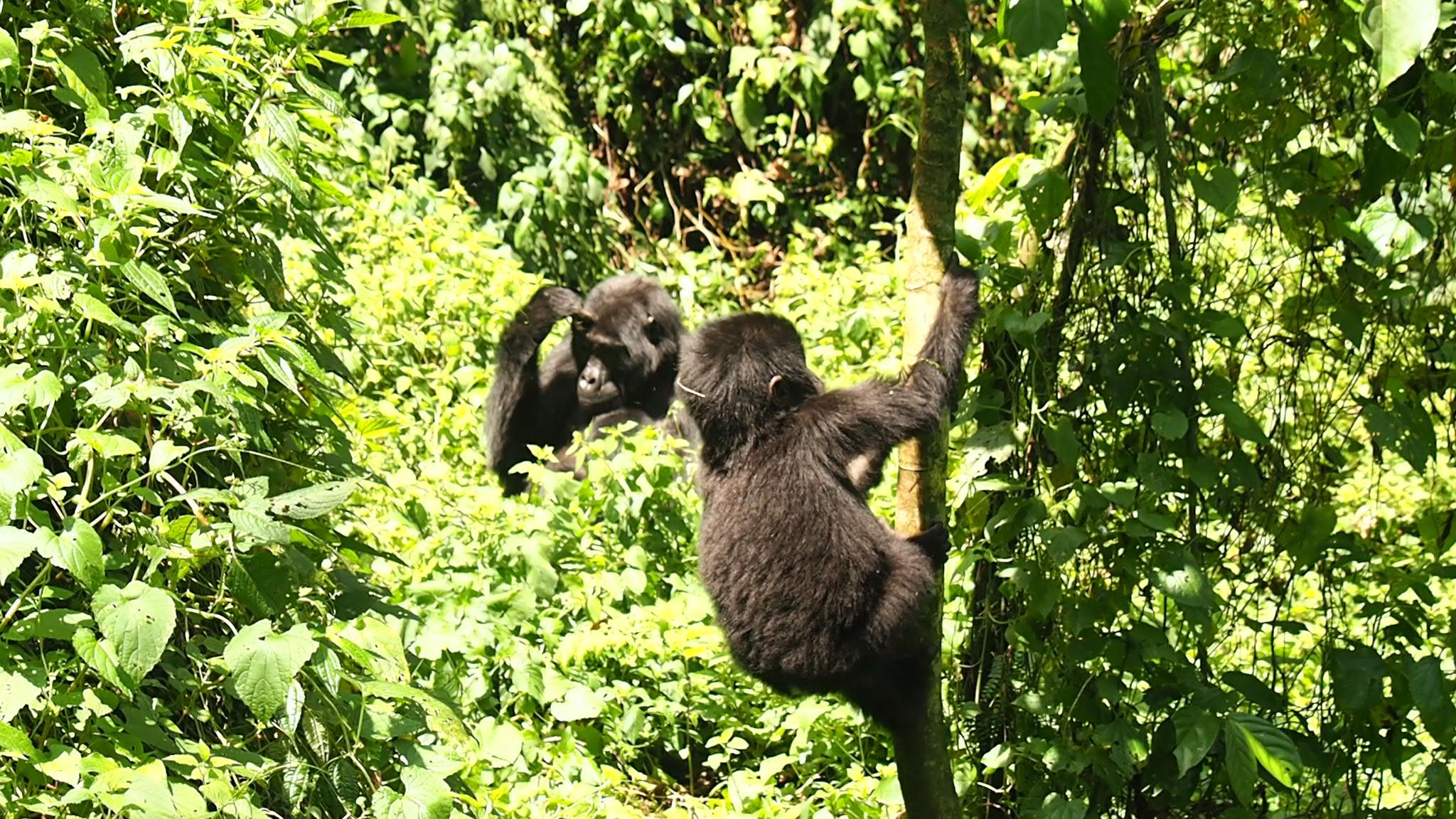
Gorilla trekking is the most famous activity
included in a Rwanda safari. Located in the Virunga Mountains, Volcanoes
National Park is home to several habituated mountain gorilla families that can
be visited by tourists. A Rwanda
safari that includes gorilla trekking provides a rare opportunity to
observe these endangered primates in their natural habitat. Visitors spend time
hiking through the forest with experienced guides before meeting a gorilla
group. The experience also supports conservation programs and local community
initiatives. For many travelers, gorilla trekking is the highlight of their
visit to Rwanda.
4. Akagera
National Park
A Rwanda safari is not limited to primates alone.
Akagera National Park offers traditional wildlife viewing with game drives
across savannah plains, wetlands, and woodland habitats. During a Rwanda safari
in Akagera, visitors can see lions, elephants, buffaloes, leopards, giraffes,
zebras, hippos, crocodiles, and various antelope species. The park has
undergone significant conservation improvements and now supports healthy
wildlife populations. Boat trips on Lake Ihema add another dimension to the
safari experience by allowing close views of hippos and water birds. Akagera is
ideal for travelers looking for a classic African safari in Rwanda.
5. Nyungwe
Forest National Park
Nyungwe Forest National Park adds another dimension
to a Rwanda safari through its rich rainforest ecosystem and primate
populations. A Rwanda
safari in Nyungwe often includes chimpanzee tracking, guided forest walks,
and birdwatching activities. The forest is one of Africa’s oldest rainforests
and supports several primate species, making it a highly valuable conservation
area. Visitors can also enjoy the famous canopy walkway, which provides
elevated views above the forest floor. Nyungwe’s biodiversity makes it one of
Rwanda’s most important natural attractions and a favorite destination for
nature lovers.
6. Wildlife You
Can Expect to See
One major attraction of a Rwanda safari is the
variety of wildlife available across different ecosystems. Depending on the
destination, a Rwanda safari can provide sightings of mountain gorillas,
chimpanzees, elephants, lions, leopards, buffaloes, giraffes, zebras, hippos,
and numerous bird species. Volcanoes National Park focuses on gorillas and
golden monkeys, while Akagera National Park offers traditional game viewing.
Nyungwe Forest is known for primates and birdlife. Visiting multiple parks
allows travelers to enjoy a broader wildlife experience while appreciating
Rwanda’s conservation success stories.
7. Cultural
Experiences in Rwanda
A Rwanda safari offers opportunities to learn about
local culture and community life alongside wildlife activities. Many Rwanda
safari itineraries include village visits, cultural performances, traditional
craft demonstrations, and visits to historical sites. These experiences help
travelers understand Rwanda’s heritage, traditions, and modern development.
Community tourism initiatives also create economic benefits for local residents
and support conservation efforts. Combining cultural experiences with wildlife
activities provides a more complete understanding of the country and enhances
the overall safari experience.
8. Birdwatching
Opportunities
Bird enthusiasts often choose a Rwanda safari
because the country supports hundreds of bird species across its forests,
wetlands, and savannah areas. A Rwanda safari offers opportunities to see
Albertine Rift endemics, forest birds, water birds, and migratory species.
Nyungwe Forest and Akagera National Park are particularly popular birdwatching
destinations. Professional guides help visitors locate rare and colorful species
while providing useful information about habitats and behavior. Birdwatching
can be enjoyed year-round and often complements other safari activities such as
trekking and game drives.
9. Accommodation
Options
Accommodation plays an important role in planning a
successful Rwanda safari. Travelers can select from luxury lodges, mid-range
hotels, safari camps, and budget-friendly accommodation depending on their
preferences. A Rwanda safari offers options near major attractions such as
Volcanoes National Park, Akagera National Park, and Nyungwe Forest National
Park. Luxury properties often provide premium services and convenient access to
activities, while budget accommodations help reduce overall travel costs.
Booking well in advance is recommended, especially during peak gorilla trekking
seasons when demand is high.
10. Travel Costs
and Budget Planning
Understanding costs is important when organizing a Rwanda
safari. The overall cost of a Rwanda safari depends on accommodation,
transportation, activities, and travel season. Gorilla trekking permits are
often a major expense, while accommodation choices significantly influence
total costs. Travelers can manage expenses by selecting suitable lodging
categories and planning their itinerary carefully. Combining several
attractions into one trip often provides better value and allows visitors to
experience different aspects of Rwanda. Establishing a clear budget before
booking helps avoid unexpected expenses and improves trip planning.
11. Important
Travel Tips
Proper preparation can improve your Rwanda safari
experience. Travelers planning a Rwanda safari should pack comfortable hiking
shoes, rain gear, lightweight clothing, sunscreen, insect repellent, and a good
camera. Gorilla and chimpanzee trekking activities can involve walking through
uneven terrain, making suitable footwear essential. Carrying binoculars can
also improve wildlife viewing opportunities. Respecting wildlife rules,
following guide instructions, and maintaining a reasonable level of fitness help
visitors enjoy activities safely and comfortably. Good preparation allows
travelers to focus on the experience rather than logistical challenges.
12. Planning the
Perfect Rwanda Safari
The best Rwanda safari starts with determining your
interests, travel dates, and available budget. Many travelers combine gorilla
trekking, chimpanzee tracking, wildlife viewing, and cultural experiences into
one Rwanda safari itinerary. Popular combinations include Volcanoes National
Park, Akagera National Park, and Nyungwe Forest National Park. Considering
travel times, accommodation standards, and seasonal conditions helps create a
balanced trip. Working with a reliable safari operator can simplify logistics
and maximize your time in the country. With excellent conservation efforts,
diverse attractions, and well-developed tourism infrastructure, Rwanda offers
one of Africa’s most rewarding safari destinations.