
Uganda
safari holiday tour emphasizes the importance of preparation to make the
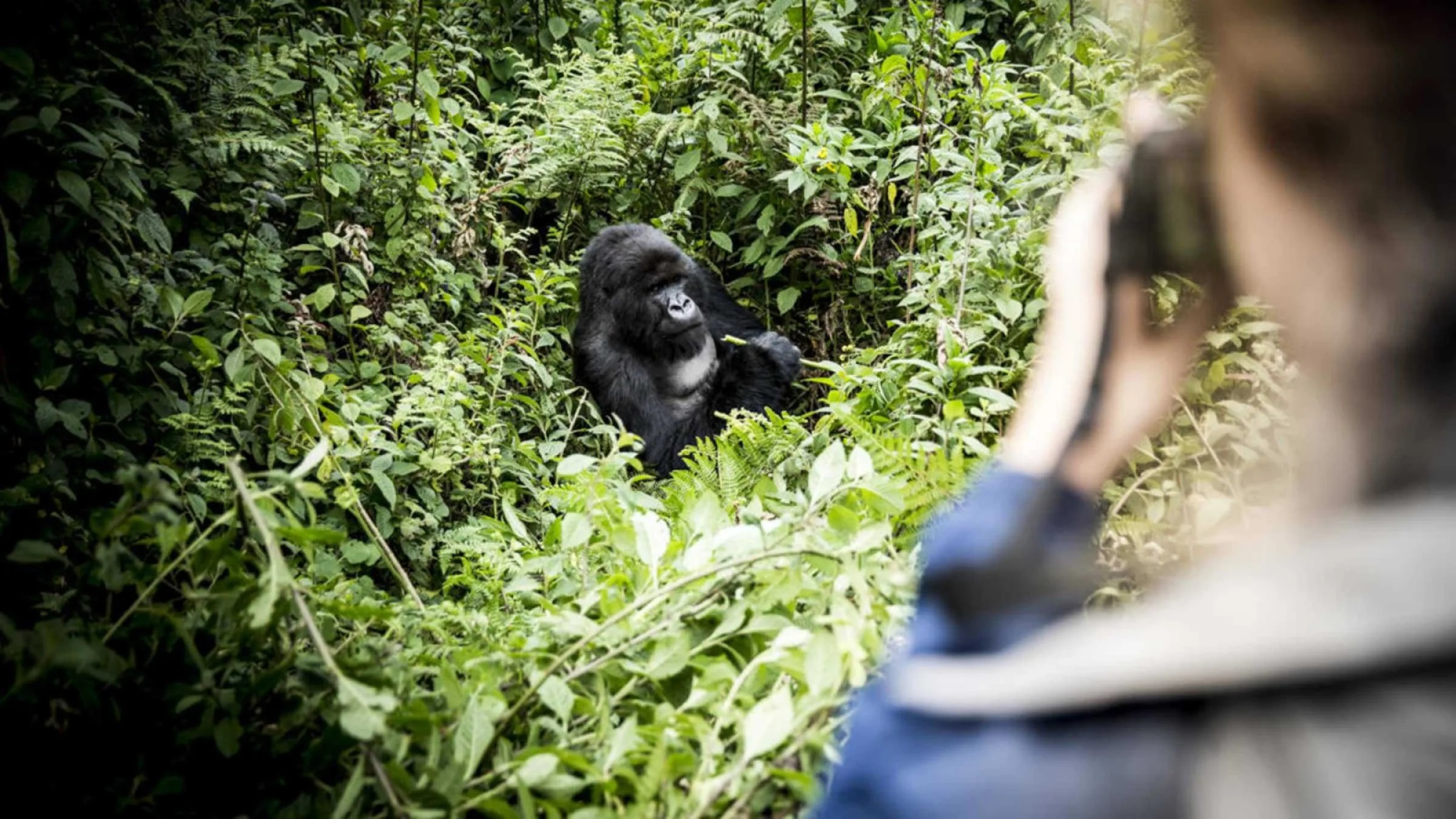
experience smooth and rewarding. Uganda is home to gorilla trekking in Bwindi,
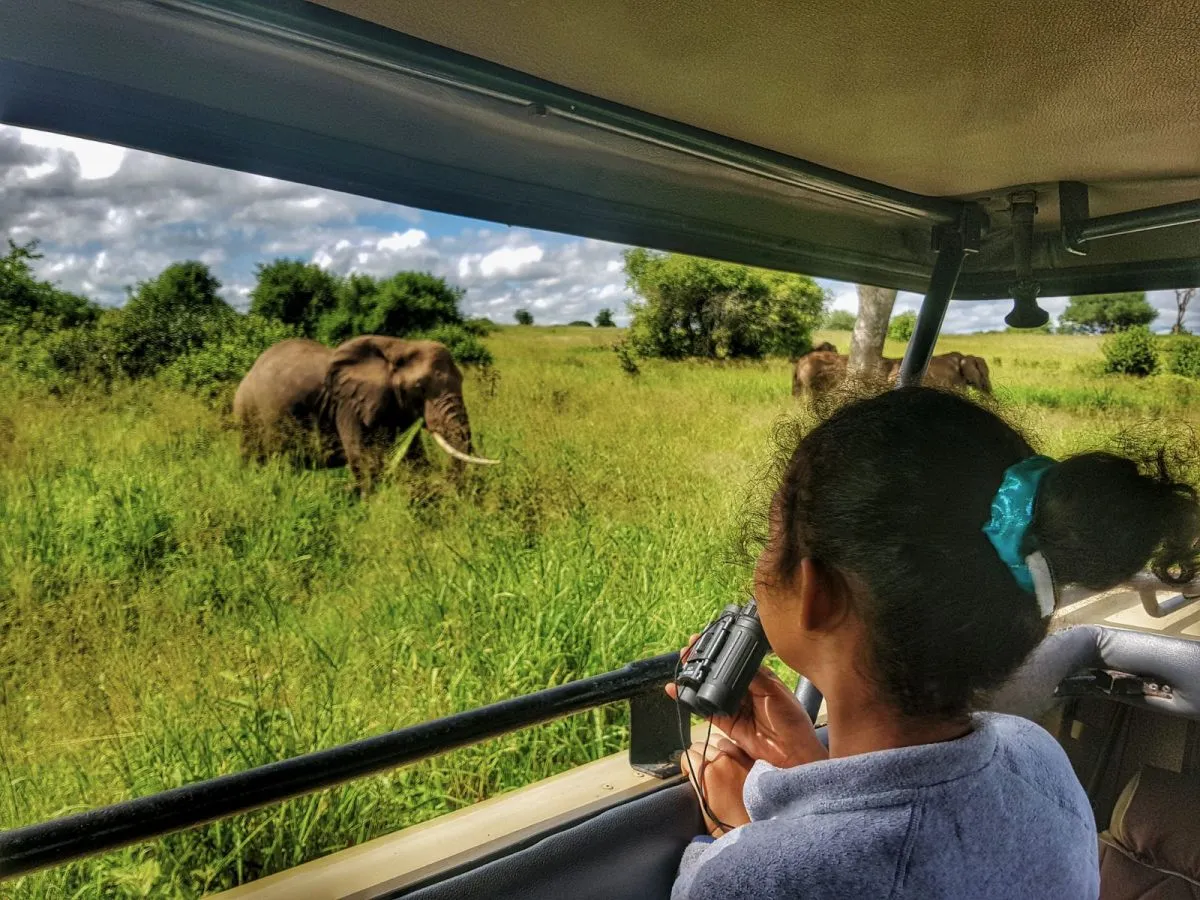
chimpanzee tracking in Kibale, and classic savannah game drives in Queen
Elizabeth and Murchison Falls National Parks. Securing gorilla permits early,
choosing the right season, and planning routes carefully are essential steps.
Travelers should also consider whether to self-drive or book guided tours,
depending on comfort and experience. Packing smart for variable weather,
budgeting for park fees, and arranging visas and health requirements in advance
ensures fewer surprises. By following practical tips, a Uganda safari holiday
tour becomes a balanced adventure, combining wildlife, culture, and landscapes
while giving travelers confidence and value throughout their trip.
1. Get Your
Gorilla Permits Well Before You Travel
Gorilla permits are the most important part of your
Uganda trip. Only a limited number are available each day, and they sell out
months ahead, especially for the dry season . Each permit costs $800 and
allows you one hour with a gorilla family . You can book through the
Uganda Wildlife Authority or a tour operator who will handle the paperwork. Do
not wait until you arrive to sort this out. Treat buying your permit as your
first planning action. Once you have your permit secured for your preferred
date, you can comfortably build the rest of your itinerary around that fixed
activity without stress or disappointment .
2. Match Your
Trip to the Right Season
Uganda’s weather affects your safari
experience. The dry seasons from June to August and December to February
are best for trekking because trails are firmer and roads are easier to
drive . Wildlife also gathers around water sources, which makes animals
easier to spot on game drives . The rainy seasons from March to May and
October to November bring mud, harder travel, and slippery forest trails .
However, these months offer lower prices for accommodation and fewer
crowds . If you are on a budget and do not mind some rain, the wet season
can be a good choice for birdwatching too
3. Plan Your
Route and Destinations Carefully
Uganda packs a lot of variety into a small area, but
distances take time because roads are slow. Decide which parks matter most to
you. You can combine gorilla trekking in Bwindi, chimpanzee tracking in Kibale
Forest, and classic savannah game drives in Queen Elizabeth or Murchison Falls
National Parks . A typical circuit might take you from Kampala to
Murchison Falls, then to Kibale, on to Queen Elizabeth, and finally to Bwindi
for gorillas . Adding Kidepo Valley in the far north is possible but
requires a longer journey . Balance your desire to see everything with
realistic travel times to avoid spending your whole trip in the car
4. Choose
Between a Guided Tour and Self-Drive
You have two main options for getting around. A
guided tour removes logistics stress and adds huge value through an experienced
guide who knows animal behaviour and the best spots . They handle permits,
accommodation, park fees, and road conditions, which is helpful for first-time
visitors . Self-driving offers freedom and flexibility but demands serious
preparation . You must be comfortable with left-hand driving, rough roads,
and remote conditions. You need a reliable 4x4 vehicle with spare tires, tools,
and extra fuel . For most travellers, a guided option provides a smoother,
richer experience
5. Pack Smart
for Variable Weather and Activities
Uganda’s weather changes quickly, and you will do
different activities. Pack neutral-coloured clothes like khaki, green, and
beige for game drives, and avoid dark blue or black because these colours
attract tsetse flies . Bring long-sleeved shirts and trousers for
protection from the sun and insects . You need sturdy waterproof hiking
boots for gorilla tracking and comfortable shoes for walking . Layers are
important because mornings and evenings can be cold in high-altitude areas, but
afternoons turn hot . Also pack a waterproof jacket, insect repellent,
sunscreen, a hat, binoculars, and a camera with extra batteries .
6. Prepare for
Gorilla Trekking Difficulty
You do not need to be very fit, but you should be
ready for a tough walk. Gorilla
treks can take between two and six hours through steep, muddy, and thick
forest . The rangers set a slow pace, and you can hire a porter at the
park gate for a small fee to carry your bag and help you on the trail .
Wearing trousers tucked into your socks and sturdy boots helps protect against
stinging nettles . Some gorilla families live closer to the starting
point, so you can request an easier group when you check in at the park
headquarters. Being prepared for mud and uneven ground will make your
experience much more comfortable .
7. Follow Park
Rules and Respect Wildlife
The rules at national parks are simple and exist to
protect both you and the animals. While trekking gorillas, you must wear a face
mask because gorillas share nearly all of their DNA with humans and can catch
our diseases . Keep your voice low, avoid sudden movements, and stay at
the distance your guide tells you . Do not stare directly at a gorilla for
too long, as this can be seen as a challenge . On game drives, stay inside
your vehicle, do not make loud noises, and listen to your guide's
instructions . Following these rules keeps wildlife safe and ensures that
the experience remains good for visitors in the future.
8. Take Care of
Visas and Health Requirements Early
You need a visa to enter Uganda unless you are from
a visa-free country. Most travellers apply online for an e-visa before arrival,
which costs around $50 for single entry . You will need a valid passport,
a recent photo, and proof of your travel plans. You can also get an East
African Tourist Visa that covers Uganda, Kenya, and Rwanda for $100 . The
yellow fever vaccination is mandatory for entry and you must carry your
certificate . Malaria is present across the country, so take antimalarial
medication and use insect repellent . Also get travel insurance that
covers medical emergencies and evacuation from remote areas
9. Budget for
Park Fees and Extras
Park entry fees add up quickly in Uganda. Each
national park charges a fee per person per day, so include this in your budget
from the start . Some activities like gorilla trekking already include the
park fee for that day, but game drives in Queen
Elizabeth or Murchison Falls require separate payments . Boat cruises
on the Kazinga Channel or the Nile are extra but well worth the cost . You
should also budget for tips for guides, rangers, and drivers, which are
expected and usually run $5 to $10 per day . Confirm with your tour
operator what is included in your package to avoid surprise fees.
10. Stay
Flexible and Patient
Wildlife sightings are never guaranteed, and things
do not always run on time in Uganda . Rain can delay travel, and animals
might not show up when you expect them. Building buffer days into your
itinerary helps you deal with these delays without stress . A good guide
will know the best spots and be patient, but you also need to enjoy the smaller
things like birds, landscapes, and the quiet of the bush . Some of the
best moments on safari come from waiting quietly and watching. Remember that
gorilla tracking in particular is a physical and emotional experience, and
giving yourself time to process it makes the trip better
Best time of go
for Uganda safari vacations
The best time for a Uganda safari is during the dry
seasons from June to August and December to February .
These months offer the most reliable conditions for travel, with firmer trails
for gorilla and chimpanzee trekking and better road access to remote
parks . Wildlife viewing is also at its peak during this period, as
animals gather around water sources and the thinner vegetation makes them
easier to spot on game drives . However, this is the peak tourist season,
meaning higher prices for accommodation and permits, and you will need to book
gorilla permits well in advance . The rainy seasons from March to May and
September to November offer quieter parks, lush landscapes, and lower costs,
but muddy trails and heavier rainfall can make trekking and travel more
challenging
How to get there
for Uganda safari vacations
Most international travelers arrive by flying
into Entebbe International Airport (EBB), which is the main international
gateway for the country and located near the capital, Kampala . From
Entebbe, you have two main options to reach the safari parks. The more common
and cost-effective choice is a road transfer using a 4x4 vehicle, with
drives to popular parks like Bwindi and Queen Elizabeth taking between 8 to 10
hours depending on the destination . The alternative is to take a domestic
flight, with scheduled and charter services from Entebbe to airstrips in or
near the national parks, which can cut travel time to just over an hour for
most destinations . You can also enter Uganda by road from neighboring
countries like Kenya or Rwanda if you are combining a safari across
borders . Most safari packages include all your transport from the
airport.