
Rwanda safari holiday vacation highlights the
importance of careful planning to make the experience rewarding and
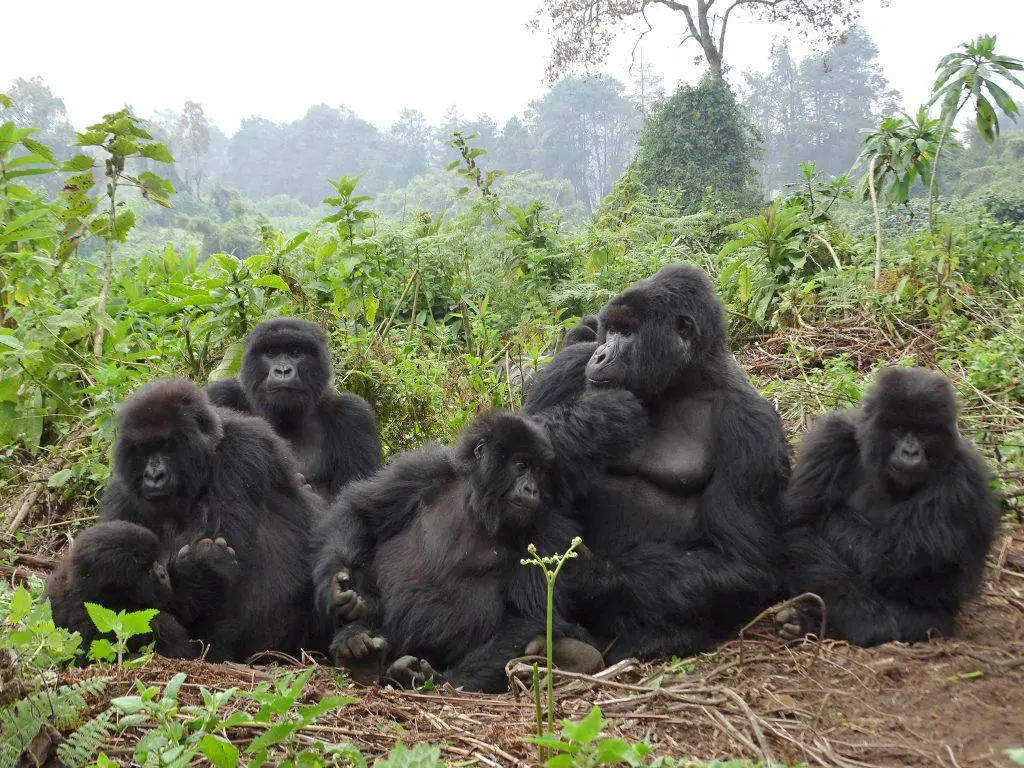
stress-free. Rwanda is famous for gorilla
trekking in Volcanoes National Park, but it also offers diverse wildlife in
Akagera and chimpanzee tracking in Nyungwe Forest. Securing permits early,
choosing the right season, and balancing costs are key steps for success.
Travelers should also prepare with proper gear, realistic expectations, and
reliable insurance. Spending time in Kigali adds cultural depth to the trip. By
following practical tips, a Rwanda safari holiday vacation becomes a
well-rounded adventure that combines wildlife, culture, and comfort, ensuring
travelers get maximum value from their time in this remarkable destination.
1. Secure Your
Gorilla Trekking Permit Early
Getting your gorilla permit should be your first
action. Only 96 permits are available each day for Volcanoes National Park, and
they sell out months ahead, especially during the peak dry season . Each
permit costs $1,500 for international visitors. Booking early guarantees you a
spot on your preferred date, allowing you to build the rest of your trip around
this fixed activity . Avoid the disappointment of finding affordable
flights and hotels, only to realize the gorilla trek you came for is fully
booked. Treat the permit like the main event it is and secure it well before
you book anything else
2. Choose Your
Travel Season Wisely
Rwanda’s weather has two dry seasons
(June-September, December-February) and two rainy seasons. The dry months offer
easier trekking conditions with less mud, making them the most popular time to
visit . Expect higher prices and book permits at least six months in
advance. The rainy seasons bring lower prices and fewer tourists, but trails
are more challenging. If you are on a budget and don't mind a bit of mud and
rain, the green season can offer excellent value . Many travelers choose
the dry season for comfort, but the quiet of the rainy season has its own
appeal
3. Plan a
Diverse Itinerary
Many people only know Rwanda
for gorillas, but the country has three distinct national parks. Your
safari can include a classic savannah experience in Akagera National Park,
where you can see the Big Five . You can also visit Nyungwe Forest
National Park for chimpanzee tracking and a famous canopy walk . Trying to
see all three in a very short trip means you will spend most of your time in
the car. Focus on two parks for a week-long trip to allow time for each
experience. A balanced trip creates a much more satisfying holiday .
4. Manage Your
Safari Costs
Transportation is often the biggest cost of a Rwanda
safari, not the permits . A typical safari vehicle costs up to $400 per
day. To save money, you can join a group tour for a day trip to Akagera and
split the vehicle cost. For multi-day trips to different parks, consider using
a 4x4 Landcruiser at about $200 per day, which is a cheaper and more flexible
option for most activities . Ask your tour operator for a detailed list of
what is included in the price to avoid unexpected fees for things like park
entry or meals . Being clear on costs helps you plan a realistic budget.
5. Book the
Right Accommodation
Choosing a place to stay that fits your travel style
and budget is key. If your main goal is gorilla trekking, pick a lodge near Volcanoes
National Park to avoid an early morning drive. In Akagera, staying inside
the park can be more cost-effective because you avoid paying the daily entrance
fee each time you enter . From luxury camps to simple guesthouses, Rwanda
has a wide range of options . Do your research and confirm the location and
what is included in the room rate to ensure it suits your needs and your plan
for the day.
6. Pack for
Gorilla Trekking
Having the right gear makes a huge difference. Even
in the dry season, the forest can be muddy and wet. Your kit should include
waterproof hiking boots, long trousers, and a rain jacket . Bring
gardening gloves to protect your hands from stinging nettles . Pack
clothes that will get dirty, as you will likely end up covered in mud. A porter
can carry your daypack and provide support on the trail, making the walk much
easier for a small fee. Being well-prepared lets you focus on the experience rather
than the discomfort .
7. Be Realistic
About Trekking Difficulty
You don't need to be an athlete to see the gorillas,
but you should be prepared for a walk . Treks can last from one to five
hours and involve walking on steep, muddy, and uneven ground. You can request
an easier group when you check in at the park headquarters, as some gorilla
families live closer to the starting point . You can hire a porter to help
with your bag and balance, and a walking stick is provided at the park. The
rangers set a slow pace, so even older travelers or those with less fitness can
complete the trek with the right support .
8. Follow
Gorilla Trekking Rules
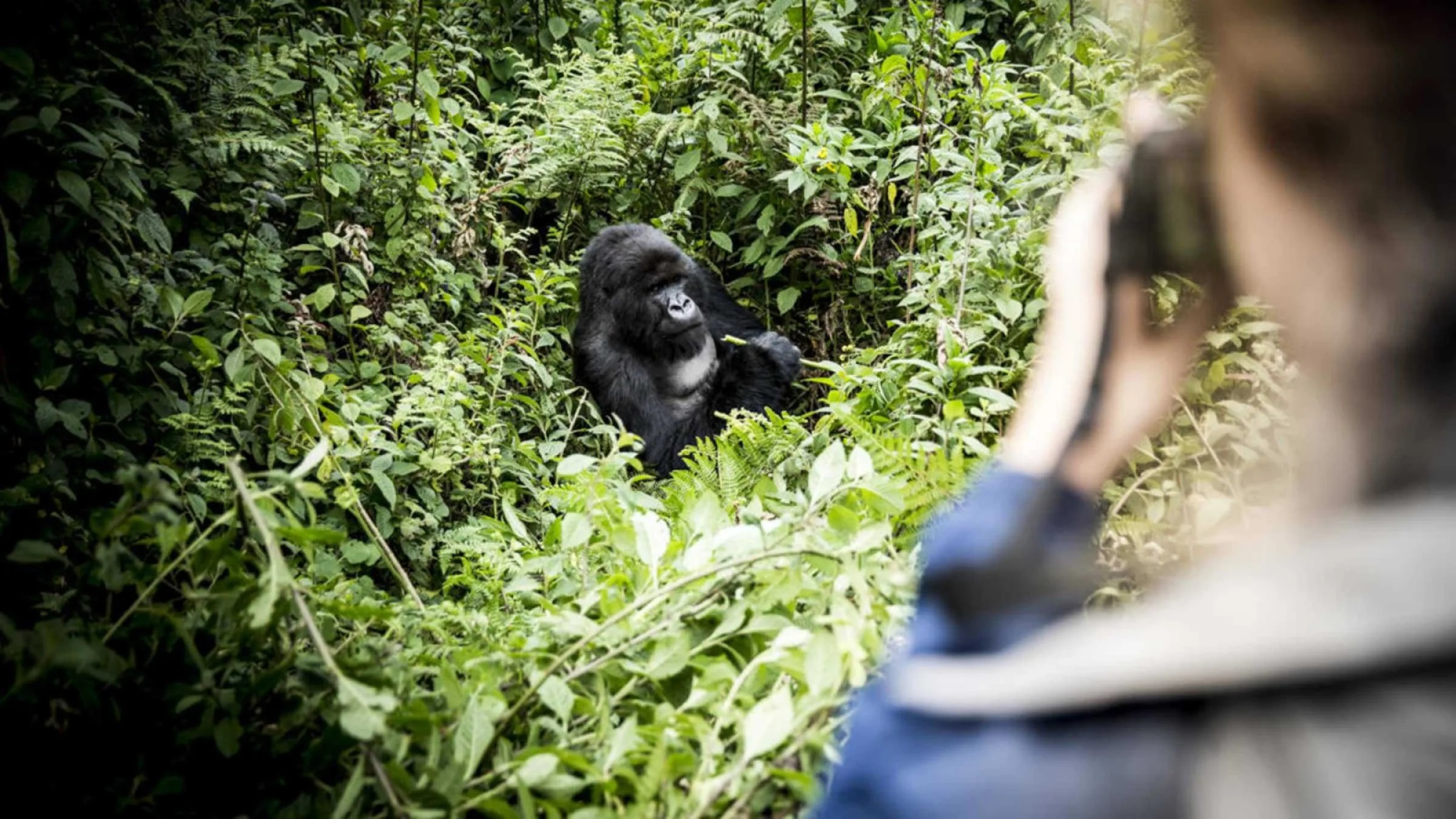
The rules are simple and designed to protect the
gorillas from human diseases. They share almost 99% of their DNA with us, so
you must wear a face mask during your hour with them . Keep your voice to
a whisper, avoid sudden movements, and stay at a respectful distance. Never
look directly into a gorilla's eyes for too long, as this can be seen as a
threat . Your guide will explain all of this before you start. Following
these rules keeps the gorillas healthy and ensures that future visitors can
also enjoy this special experience.
9. Don't Skip
Travel Insurance
Travel insurance is a critical part of your safari
planning, not an optional extra. A good policy should cover medical emergencies
and emergency evacuation, which can be extremely expensive in a remote
area . Also, make sure your policy covers trip cancellations and lost
luggage, especially if you are flying on small planes with strict weight
limits. Many travelers overlook this step, but having proper insurance offers
peace of mind. It protects your significant financial investment in permits and
flights in case something unexpected happens .
10. Spend Time
in Kigali
Kigali is often just a stopover point, but it is
worth spending a day or two there. You can visit the Kigali Genocide Memorial
to understand the country's history and incredible recovery . The city is
clean, safe, and has many good restaurants and coffee shops to enjoy. Exploring
Kigali provides important context for your safari and a chance to experience
modern Rwandan life. It is a place to relax and prepare before heading to the
parks, or to decompress after your time in the wilderness
Best time to go
for Rwanda safari vacation
The best time to go on a Rwanda safari is during the
two dry seasons, from June to September and December to February, when the
trails are drier and easier to navigate . These months offer the most
comfortable conditions for gorilla trekking in Volcanoes National Park and for
spotting wildlife in Akagera National Park, as animals gather around water
sources . If you are set on a gorilla trek and prefer easier hiking, aim
for the June to September window, which is the longest dry period . This
is also the peak tourist season, so you will need to book your permits and accommodation
well in advance . The rainy seasons, from March to May and October to
November, bring muddy trails, but offer lower prices and fewer crowds, and are
actually a good time for chimpanzee tracking in Nyungwe Forest
How to get there
for Rwanda safari trip
Most international visitors arrive by flying into
Kigali International Airport, which has direct flights from major cities in
Europe, the Middle East, and Africa . From Kigali, you can get to the main
safari destinations by road. The drive to Volcanoes National Park for gorilla
trekking takes about 2 to 3 hours . Akagera National Park, known for its
Big Five wildlife, is also about 2.5 hours from the capital by car .
Nyungwe Forest National Park is farther, at roughly 5 to 6 hours away .
The roads are generally well-maintained, and a 4x4 vehicle is recommended for
the parks . You can also arrange for a private driver or join an organized
tour that handles all transfers from the airport