
A Uganda safari trip offers the chance to see an
impressive variety of wildlife across savannahs, forests, wetlands, and
mountain habitats. The country's animal attractions range from mountain
gorillas and chimpanzees to elephants, lions, leopards, buffaloes, and rhinos.
Visitors can also spot giraffes, hippos, crocodiles, zebras, Uganda kobs,
elands, hyenas, waterbucks, topis, warthogs, and many other species during game
drives, boat cruises, and guided nature walks. Uganda stands out because it
combines primate tracking with traditional wildlife safaris, allowing travelers
to experience different ecosystems within one trip. National parks such as
Bwindi, Murchison Falls, Queen Elizabeth, Kidepo Valley, and Lake Mburo provide
excellent opportunities for wildlife viewing throughout the year. This
diversity makes Uganda one of Africa's most rewarding destinations for nature
lovers and wildlife photographers.
1. Mountain
Gorillas
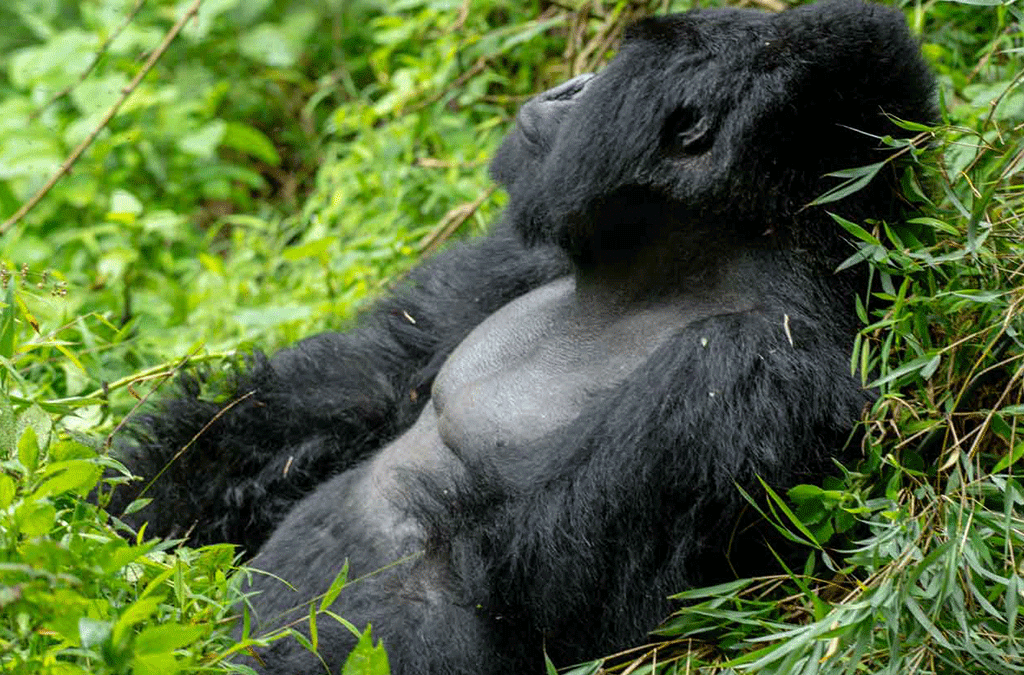
Mountain gorillas are the most famous animal
attraction on a Uganda safari trip. Found in Bwindi
Impenetrable National Park and Mgahinga Gorilla National Park, these great
apes are among the rarest animals in the world. Gorilla trekking allows
visitors to spend one hour observing a habituated gorilla family in its natural
habitat. Watching silverbacks lead their groups, mothers care for infants, and
young gorillas play provides a unique wildlife experience. The trek itself can
range from easy to challenging depending on where the gorillas are located.
Many travelers visit Uganda specifically for gorilla trekking because it offers
a close look at a species that shares much of its behavior with humans. This
activity also supports conservation and helps protect gorilla habitats for
future generations.
2. Chimpanzees
Chimpanzees are another major wildlife attraction on
a Uganda safari trip. Kibale National Park is considered the best location for
chimpanzee tracking, although these primates can also be found in Budongo
Forest, Kyambura Gorge, and Kalinzu Forest. Chimpanzees are active, social
animals that communicate through calls, gestures, and facial expressions.
During tracking excursions, visitors may watch them feeding, grooming, resting,
or moving through the forest canopy. Their energetic behavior makes every visit
different and interesting. Chimpanzees share a large percentage of their DNA
with humans, making their actions fascinating to observe. Many visitors
appreciate the opportunity to compare chimpanzee behavior with that of mountain
gorillas. Together, these two primate experiences make Uganda one of Africa's
leading destinations for primate tourism.
3. African
Elephants
African elephants are among the largest and most
impressive animals seen on a Uganda safari trip. Large herds are commonly found
in Murchison Falls National Park, Queen Elizabeth National Park, and Kidepo
Valley National Park. Elephants often gather near rivers, wetlands, and
grasslands where food and water are readily available. Visitors can watch
family groups feeding, bathing, and protecting their young. Their intelligence
and strong social bonds make them particularly interesting to observe. Mature
bulls can be enormous and are often seen moving independently or in small
groups. Boat cruises on the Nile and Kazinga Channel frequently provide
excellent elephant sightings along the shore. Elephants remain one of the
animals that most visitors hope to see during their Uganda wildlife experience.
4. Lions
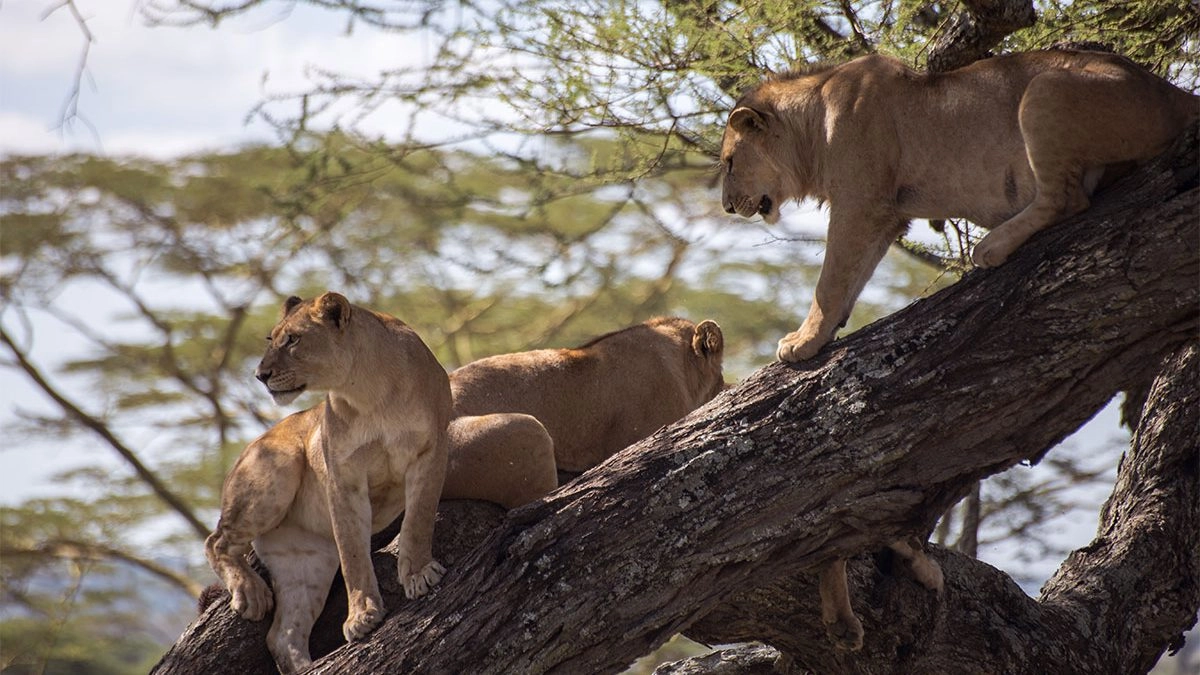
Lions are one of the most sought-after predators on
a Uganda safari trip. Queen Elizabeth National Park and Murchison Falls
National Park offer some of the best opportunities to see them. The Ishasha
sector of Queen Elizabeth National Park is especially known for its
tree-climbing lions, a behavior rarely observed in many parts of Africa. Lions
spend much of their day resting, but early morning and evening game drives
often provide the best chances of spotting them. Visitors may see prides
resting under trees, hunting prey, or interacting with cubs. Their strength,
teamwork, and role as top predators make them an important part of Uganda's
ecosystems. Seeing lions in the wild is often one of the highlights of any
safari itinerary.
5. Leopards
Leopards are among the most elusive animals on a
Uganda safari trip. These solitary cats are highly adaptable and inhabit
several national parks including Murchison Falls, Queen Elizabeth, and Kidepo
Valley. Unlike lions, leopards are usually found alone and are most active
during the evening and nighttime hours. They often rest in trees during the day
or hide in thick vegetation. Spotting a leopard requires patience, experienced
guides, and a bit of luck. When seen, visitors are often impressed by their
beautiful spotted coats and graceful movements. Leopards are skilled hunters
capable of carrying prey into trees to protect it from scavengers. Their
secretive nature makes every sighting feel particularly rewarding for wildlife
lovers and photographers.
6. African
Buffaloes
African buffaloes are commonly seen on a Uganda
safari trip and play an important role in the country's wildlife ecosystems.
Large herds roam the savannahs of Queen Elizabeth National Park, Murchison
Falls National Park, and Kidepo Valley National Park. Buffaloes are strong
animals that often move together for protection against predators. Visitors can
observe them grazing in grasslands, relaxing near water sources, or interacting
within large groups. Their unpredictable nature means they are respected by
both guides and other animals. Despite sometimes being overlooked in favor of
predators, buffaloes are among Africa's most powerful animals. Their presence
supports predator populations while contributing to the natural balance of
Uganda's protected areas. They are an essential member of the famous Big Five.
7. White Rhinos
White rhinos are found at Ziwa Rhino Sanctuary, the
only place in Uganda where rhinos can currently be seen in the wild. Rhino
tracking is conducted on foot with trained guides who lead visitors through the
sanctuary. Seeing these large animals at close range is an exciting addition to
a Uganda safari trip. Rhinos once disappeared from Uganda due to poaching and
conflict, but conservation efforts have helped rebuild their population.
Visitors learn about the challenges of rhino protection and the work being done
to restore the species. The sanctuary offers reliable sightings, making it an
important stop for travelers interested in completing the Big Five. Rhino
tracking also provides a deeper appreciation of wildlife conservation efforts
across Uganda and the wider region.
8. Giraffes
Giraffes are among the easiest animals to recognize
on a Uganda safari trip. Their long necks and distinctive patterns make them
popular with photographers and families. Rothschild's giraffes are commonly
found in Murchison
Falls National Park and Lake Mburo National Park, where they browse on
leaves from tall trees. Visitors often enjoy watching them move gracefully
across open plains despite their large size. Giraffes live in loose groups and
are generally calm animals that can be observed at relatively close range.
Calves are particularly interesting to watch as they learn to navigate their
environment. Conservation programs have helped protect giraffe populations
within Uganda's national parks, ensuring that visitors continue to enjoy
sightings of these gentle giants.
9. Hippos
Hippos are one of the most frequently seen animals
on a Uganda safari trip, particularly during boat cruises. Large groups inhabit
the Nile River in Murchison Falls National Park and the Kazinga Channel in
Queen Elizabeth National Park. During the day, hippos spend most of their time
in water to keep cool and protect their sensitive skin from the sun. At night,
they leave the water to graze on grass. Visitors often see dozens or even
hundreds gathered together in a single area. Their size and powerful jaws make
them one of Africa's most dangerous animals despite their calm appearance. Boat
safaris provide excellent opportunities to observe their behavior while
learning about their role in aquatic ecosystems.
10. Nile
Crocodiles
Nile crocodiles are major attractions during boat
safaris on a Uganda safari trip. These large reptiles are commonly seen along
riverbanks and channels in Murchison Falls National Park and Queen Elizabeth
National Park. Crocodiles often lie motionless in the sun, making them
difficult to spot at first glance. However, they are highly skilled predators
capable of sudden bursts of speed when hunting. Visitors frequently see them
resting near hippos or waiting along the shoreline for prey. Large crocodiles
can reach impressive sizes and are among the oldest surviving predators in
Africa. Their presence highlights the rich diversity of Uganda's freshwater
ecosystems. For many travelers, observing these reptiles in their natural
environment adds excitement to wildlife viewing activities.
11. Zebras
Zebras are commonly seen during a Uganda safari
trip, especially in Lake Mburo National Park and Kidepo Valley National Park.
Their striking black and white stripes make them one of Africa's most
recognizable animals. Zebras are social creatures that live in family groups and
often graze alongside antelope and other herbivores. Their alert nature helps
them detect predators, providing benefits to other animals sharing the same
habitat. Visitors enjoy watching zebras interact, communicate, and move across
open grasslands. The unique stripe pattern of each zebra acts much like a
fingerprint, helping researchers identify individuals. Their abundance in
certain parks makes them a favorite wildlife sighting for travelers seeking
classic African safari landscapes.
12. Uganda Kobs
The Uganda kob is the country's national antelope
and a common sight during a Uganda safari trip. These graceful animals are
especially abundant in Murchison Falls National Park and Queen Elizabeth
National Park. Male kobs gather in breeding grounds where they compete for
territory and attract females. Their golden-brown coats make them easy to
identify in open grasslands. Uganda kobs are an important source of prey for
predators such as lions and leopards, making them a key part of the ecosystem.
Visitors often see large groups feeding peacefully across the savannah. Their
numbers and visibility make them one of the wildlife species most frequently
photographed during game drives in Uganda's national parks.
13. Elands
Elands are the largest antelope species found on a
Uganda safari trip. These impressive animals can be seen in areas such as Lake
Mburo National Park and Kidepo Valley National Park. Despite their large size,
elands are surprisingly agile and capable of jumping high fences when
necessary. They usually move in small herds and prefer open grasslands and
woodlands. Visitors often notice their large bodies, twisted horns, and calm
behavior. Elands are less commonly discussed than some other safari animals,
but they provide excellent wildlife viewing opportunities. Their ability to
adapt to different habitats allows them to thrive in various parts of Uganda.
Spotting elands adds extra diversity to any wildlife-focused itinerary.
14. Hyenas
Hyenas are among the most misunderstood animals on a
Uganda safari trip. Often associated with scavenging, they are actually skilled
hunters capable of bringing down prey on their own. Spotted hyenas can be found
in Murchison Falls National Park, Queen Elizabeth National Park, and Kidepo
Valley National Park. Their social structure is highly organized, with groups
led by dominant females. Visitors may hear their distinctive calls during
evening game drives or while staying in safari lodges near wildlife areas.
Hyenas play a valuable role in maintaining healthy ecosystems by removing
carcasses and controlling animal populations. Observing their behavior helps
visitors appreciate the complexity of wildlife interactions beyond the more
famous predator species.
15. Golden
Monkeys
Golden monkeys are a special primate attraction on a
Uganda
safari trip and are found mainly in Mgahinga Gorilla National Park. Their
bright golden-orange fur makes them easy to distinguish from other monkey
species living in the forest. Golden monkey tracking allows visitors to observe
these energetic primates as they move rapidly through bamboo forests searching
for food. They live in groups and spend much of their time feeding, grooming,
and interacting with one another. Because they are active and playful,
photography can be challenging but highly rewarding. Many travelers combine
golden monkey tracking with gorilla trekking to experience Uganda's exceptional
primate diversity. Their unique appearance and limited range make them one of
the country's most interesting wildlife attractions.
16. African Wild
Dogs
African wild dogs are among the rarest predators
that can be seen on a Uganda safari trip, particularly in Kidepo Valley
National Park. These highly social animals live in packs and are known for
their teamwork when hunting. Unlike many predators that rely on strength alone,
wild dogs depend on coordination and communication to catch prey. Their large
rounded ears and unique coat patterns make them easy to identify when sighted.
Because their populations are small and they move over large distances,
sightings are never guaranteed, which makes every observation special.
Travelers interested in predator behavior often rate wild dogs among the most
fascinating animals in Africa. Seeing a pack moving together across the plains
gives visitors a chance to appreciate one of the continent's most endangered
carnivores.
17. Defassa
Waterbucks
Defassa waterbucks are common attractions on a
Uganda safari trip and are frequently seen near rivers, lakes, and wetlands.
These large antelopes have sturdy bodies, shaggy coats, and impressive curved
horns on the males. Waterbucks prefer areas with reliable water sources because
they depend on access to fresh water for survival. Visitors often spot them
grazing peacefully along riverbanks during game drives and boat cruises. Their
alert behavior helps them detect predators early, making them an important part
of the savannah ecosystem. Waterbucks are especially common in Murchison Falls
National Park and Queen Elizabeth National Park. Although they may not receive
as much attention as lions or elephants, they contribute greatly to wildlife
diversity and provide excellent photography opportunities throughout Uganda's
protected areas.
18. Warthogs
Warthogs are some of the most entertaining animals
seen on a Uganda safari trip. They are easily recognized by their facial tusks,
large heads, and habit of running with their tails held straight in the air.
Warthogs are common in Murchison Falls National Park, Queen Elizabeth National
Park, Lake Mburo National Park, and Kidepo Valley National Park. Visitors
frequently see them grazing in open grasslands or kneeling on their front legs
while feeding. Despite their unusual appearance, warthogs are well adapted to
life in the wild and can defend themselves when threatened. They often use
abandoned burrows for shelter and protection. Their active behavior and
visibility make them a favorite among families and photographers who enjoy
observing everyday wildlife interactions during safari game drives.
19. Jackson's
Hartebeest
Jackson's hartebeest is a distinctive antelope
species that adds variety to a Uganda safari trip. These animals have long
faces, sloping backs, and uniquely shaped horns that make them easy to
distinguish from other antelope species. They are commonly seen in Murchison
Falls National Park and Kidepo Valley National Park, where they graze across
open plains and lightly wooded areas. Hartebeests are known for their excellent
eyesight and ability to detect danger from long distances. Visitors often
observe them standing alert while scanning the surrounding landscape for
predators. Their speed and endurance help them escape threats when necessary.
For travelers interested in Uganda's diverse antelope species, Jackson's
hartebeest provides another rewarding wildlife sighting and contributes to the
rich biodiversity found across the country's savannah ecosystems.
20. Topis
Topis are among the fastest antelopes found on a
Uganda safari trip and are particularly common in Queen Elizabeth National Park
and parts of the Ishasha sector. Their reddish-brown coats, dark markings, and
slightly bluish legs make them stand out in open grasslands. Topis are highly
social animals that often form herds, allowing visitors to observe interactions
between individuals. Males frequently stand on termite mounds to watch over
their territories and monitor nearby females. Their speed helps them avoid
predators such as lions and leopards that share the same habitat. Because they
prefer open areas, topis are usually easy to spot during game drives. Their
striking appearance and active behavior make them an important part of Uganda's
wildlife experience and a valuable addition to any safari itinerary.