
Choosing and booking the right Uganda safari
requires careful planning to ensure the experience matches your interests,
budget, and travel goals. From selecting between gorilla
trekking, chimpanzee tracking, wildlife safaris, and cultural experiences
to evaluating accommodation, transportation, permits, and tour operators, every
decision influences the quality of your trip. Travelers should consider the
best season to visit, permit availability, safari inclusions, group size
preferences, and responsible tourism practices before making reservations. A
well-planned Uganda safari provides excellent value, memorable wildlife
encounters, comfortable travel arrangements, and meaningful contributions to
conservation and local communities. Understanding these key factors helps
visitors make informed decisions and enjoy a smooth, rewarding, and
unforgettable safari experience in one of Africa’s top wildlife destinations.
1. Define the
Type of Safari Experience You Want
The first thing to consider when choosing and
booking a Uganda safari is the type of experience you want. Uganda offers a
wide range of safari activities, including gorilla trekking, chimpanzee
tracking, wildlife viewing, birdwatching, cultural tours, hiking, and boat
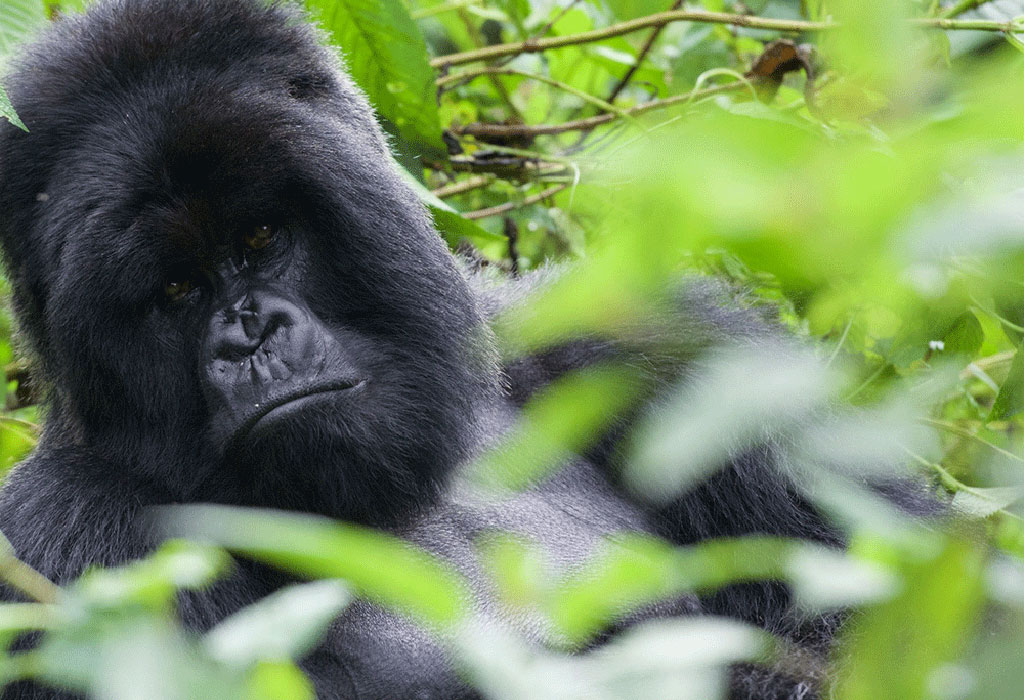
cruises. Some travelers prioritize mountain gorillas in Bwindi Impenetrable
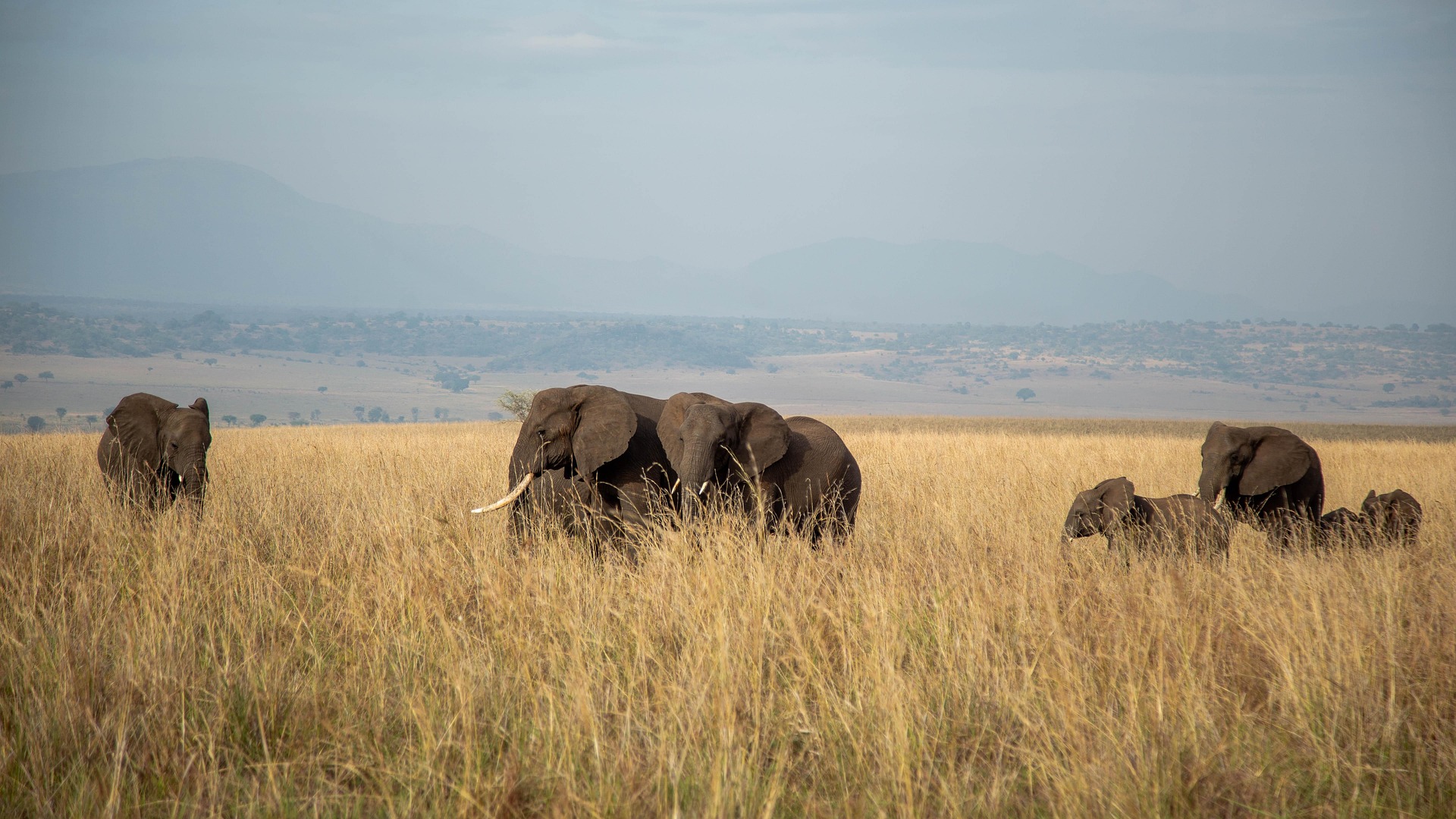
National Park, while others focus on wildlife in Queen Elizabeth National Park
or Murchison Falls National Park. Understanding your travel interests helps
narrow down destinations and activities that match your expectations. A Uganda
safari can be customized for families, honeymooners, photographers, solo
travelers, or groups. Having clear goals before booking ensures your itinerary
includes experiences that matter most and helps avoid spending time and money
on activities that may not suit your interests.
2. Consider the
Best Time to Travel
Seasonality plays an important role when booking a Uganda
safari. Uganda is a year-round destination, but weather conditions can influence
wildlife viewing and trekking experiences. The dry seasons from June to
September and December to February are generally preferred because roads are
easier to navigate and hiking trails are less muddy. However, the wet seasons
also offer advantages such as fewer visitors, greener landscapes, and lower
accommodation rates. Travelers planning gorilla trekking should consider permit
availability during peak periods. Understanding seasonal differences helps you
match your travel dates with your expectations and budget. A well-timed Uganda
safari can improve wildlife viewing opportunities while ensuring greater
comfort during outdoor activities across the country’s national parks and
protected areas.
3. Check Gorilla
and Chimpanzee Permit Availability
Permits are among the most important factors when
planning a Uganda safari. Gorilla trekking permits in Bwindi Impenetrable
National Park and chimpanzee tracking permits in Kibale National Park often
sell out well in advance, particularly during peak travel seasons. Before
confirming flights or accommodation, ensure that permits are available for your
preferred dates. Reputable tour operators usually help travelers secure permits
and include them within safari packages. Since gorilla trekking is often the centerpiece
of a Uganda safari, permit availability can influence your entire itinerary.
Booking early gives greater flexibility and allows you to secure the desired
trekking dates. Travelers who delay reservations may have to adjust travel
schedules or choose alternative destinations due to limited permit
availability.
4. Evaluate the
Safari Itinerary Carefully
Not all safari itineraries offer the same value.
When comparing options, carefully review the number of days, destinations,
activities, and travel times involved. Some itineraries include long road
transfers with limited time at attractions, while others provide a balanced
combination of wildlife activities and relaxation. A quality Uganda safari
should allow enough time to enjoy each destination without feeling rushed.
Review daily schedules and ensure the pace matches your preferences. Travelers
interested in gorillas, wildlife, and chimpanzees should look for itineraries
that efficiently connect major parks while minimizing unnecessary driving.
Evaluating the itinerary ensures that your Uganda safari delivers meaningful
experiences and maximizes the value of your investment.
5. Choose a
Reputable Safari Company
The success of a Uganda
safari often depends on the tour operator organizing the trip. Research the
company's reputation, years of experience, customer reviews, licensing, and
destination knowledge before booking. Reliable operators provide accurate
information, professional guides, quality vehicles, and responsive customer
service. They also maintain strong relationships with accommodation providers
and conservation authorities. Reading independent reviews helps identify
companies that consistently deliver positive experiences. A trusted safari
company can handle permits, transportation, accommodation bookings, and
itinerary adjustments efficiently. Choosing the right operator reduces travel
stress and ensures that your Uganda safari runs smoothly from arrival to
departure. Experienced tour companies also provide valuable advice on packing,
health requirements, and safari planning.
6. Compare
Accommodation Options
Accommodation significantly influences the comfort
and overall experience of a Uganda safari. Uganda offers a wide range of
lodges, camps, hotels, and tented accommodations catering to different budgets
and preferences. Luxury travelers may choose high-end lodges near gorilla
trekking regions, while budget-conscious visitors can select comfortable
guesthouses and safari camps. Consider factors such as location, room quality,
meals, services, and views when comparing options. Staying close to park
entrances can reduce transfer times and provide earlier access to activities.
Reviewing accommodation details before booking helps avoid surprises and
ensures the selected property matches your expectations. Comfortable lodging
enhances your Uganda safari by providing rest and relaxation between wildlife
adventures and outdoor excursions.
7. Pay Attention
to Transportation and Vehicle Quality
Transportation plays a major role in determining the
quality of a Uganda safari. Some destinations are reached by road, while others
can be accessed through domestic flights. Travelers should ask about the type
of vehicle used, seating arrangements, maintenance standards, and availability
of window seats for photography. Comfortable and reliable vehicles are
especially important on longer journeys between national parks. Professional
guides and experienced drivers also contribute significantly to safety and
overall enjoyment. A well-organized Uganda safari should include transportation
suited to road conditions and group size. Understanding travel logistics before
booking helps avoid inconvenience and ensures that time spent moving between
destinations remains comfortable and efficient throughout the journey.
8. Assess the
Total Safari Cost and Inclusions
Price should never be the only factor when choosing
a Uganda safari. Instead, focus on understanding what is included within the
quoted cost. Some packages include permits, park entry fees, accommodation,
transportation, meals, and guide services, while others have additional
charges. Comparing safari packages based solely on price can be misleading if
important services are excluded. Always request a detailed breakdown of costs
before making payments. Understanding inclusions helps avoid unexpected
expenses during the trip. A transparent pricing structure allows travelers to
accurately evaluate value for money. A well-priced Uganda safari should provide
quality services, experienced guides, reliable transportation, and memorable
wildlife experiences without hidden costs appearing later.
9. Consider
Group Size and Travel Style
Before booking a Uganda
safari, think carefully about your preferred travel style. Some travelers
enjoy private safaris with personalized schedules and exclusive vehicle use,
while others prefer group departures that reduce costs and create social
opportunities. Private safaris offer flexibility, allowing adjustments based on
personal interests and pace. Group safaris may be more economical and provide
opportunities to meet travelers from different backgrounds. Understanding the
advantages of each option helps you select the right experience for your needs.
Whether traveling as a couple, family, group of friends, or solo traveler,
choosing the appropriate format contributes to overall satisfaction. The right
travel style ensures your Uganda safari matches expectations and personal
preferences.
10. Review
Safety, Conservation, and Responsible Tourism Practices
Responsible tourism should be a key consideration
when selecting a Uganda safari. Choose operators that support conservation
initiatives, respect wildlife viewing guidelines, and contribute to local
communities. Ethical tourism helps protect endangered species such as mountain
gorillas while creating economic benefits for nearby residents. Travelers
should also review safety standards, emergency procedures, vehicle maintenance
practices, and guide qualifications. Responsible operators prioritize guest
safety while promoting sustainable tourism practices. By supporting companies
committed to conservation and community development, visitors contribute
positively to Uganda’s tourism industry. A responsibly organized Uganda safari
not only delivers exceptional wildlife experiences but also helps preserve
natural habitats and support future conservation efforts across the country’s
protected areas.