
A primate safari Uganda offers one of Africa’s most
rewarding wildlife experiences, combining mountain gorilla trekking, chimpanzee
tracking, and golden monkey encounters within some of the continent’s most
biodiverse forests. Uganda is home to over 20 primate species, making it a
leading destination for nature lovers, photographers, conservation supporters,
and wildlife travelers. From the mist-covered forests of Bwindi Impenetrable
National Park to the rich ecosystems of Kibale National Park and Mgahinga
Gorilla National Park, visitors enjoy close observations of primates in their
natural habitats. Beyond gorillas and chimpanzees, travelers can also encounter
colobus monkeys, red-tailed monkeys, vervet monkeys, and baboons. With
year-round trekking opportunities, expert guides, excellent conservation
programs, and diverse safari extensions, a primate safari Uganda provides an
unforgettable combination of wildlife viewing, education, culture, and
conservation.
1. Why Uganda Is
Africa’s Leading Primate Safari Destination
Uganda is widely recognized as one of Africa’s best
destinations for primate viewing because it hosts an exceptional variety of
species within a relatively small area. A primate safari Uganda experience
gives travelers access to mountain gorillas, chimpanzees, golden monkeys,
black-and-white colobus monkeys, red-tailed monkeys, vervet monkeys, olive
baboons, and several other species. The country’s diverse habitats range from
tropical rainforests and bamboo forests to savannah woodlands and riverine
forests, creating ideal conditions for primate populations. National parks such
as Bwindi Impenetrable National Park, Kibale National Park, Mgahinga Gorilla
National Park, and Budongo Forest provide opportunities to observe primates in
their natural surroundings. The combination of accessibility, conservation
success, and species diversity makes a primate safari Uganda experience one of
the most rewarding wildlife holidays available in Africa.
2. Gorilla
Trekking in Bwindi Impenetrable National Park
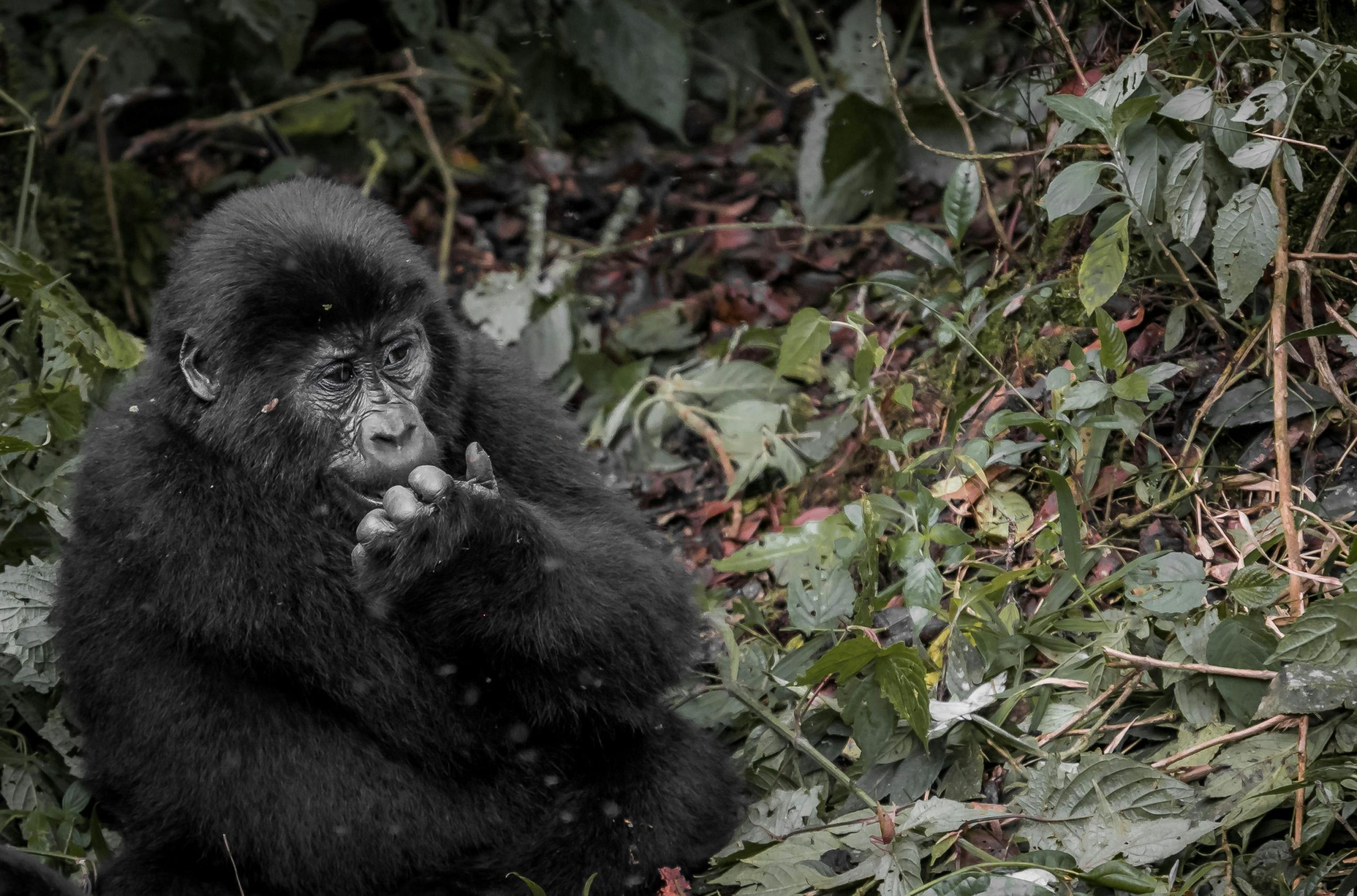
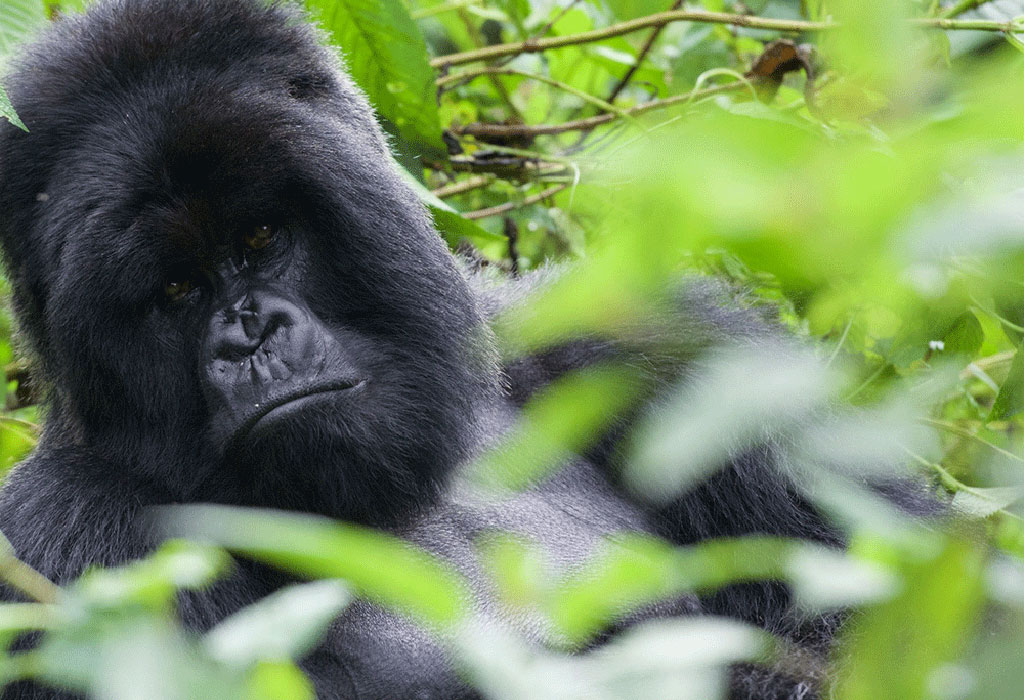
Mountain gorilla trekking is the highlight of any
primate safari Uganda itinerary. Bwindi Impenetrable National Park protects
almost half of the world’s remaining mountain gorilla population and offers
visitors the opportunity to spend one hour observing a habituated gorilla
family. The trek can last between two and eight hours depending on the location
of the gorilla group. Rangers guide visitors through dense forest while sharing
information about gorilla behavior and conservation. Watching silverbacks,
females, and playful young gorillas interact in their natural habitat creates
unforgettable memories. A primate safari Uganda adventure in Bwindi provides
more than wildlife sightings because travelers also experience the rich
biodiversity of one of Africa’s oldest forests. Gorilla permits should be
booked well in advance due to strong demand throughout the year.
3. Chimpanzee
Tracking in Kibale National Park
Kibale National Park is known as the primate capital
of East Africa and is home to more than 1,500 chimpanzees. Chimpanzee tracking
forms a major component of a primate safari Uganda package because it offers
close encounters with humanity’s closest relatives. Guided walks through
Kibale’s lush rainforest allow visitors to locate communities of habituated
chimpanzees as they feed, groom, play, and communicate. Their social structure
and human-like behaviors create a fascinating wildlife experience. Besides
chimpanzees, Kibale contains several monkey species, making the forest a
paradise for primate lovers. A primate safari Uganda focused on Kibale often
includes either standard chimpanzee tracking or the Chimpanzee Habituation
Experience, which allows participants to spend extended time with researchers
and chimpanzee groups throughout the day.
4. Golden Monkey
Tracking in Mgahinga Gorilla National Park
Golden monkey tracking is another remarkable
activity that enhances a primate safari Uganda experience. Mgahinga Gorilla
National Park is the only place in Uganda where visitors can track habituated
golden monkeys. These colorful primates are recognized for their striking
golden-orange fur, playful behavior, and energetic movement through bamboo
forests. During the trek, guides lead visitors through lower mountain slopes
where golden monkeys forage for shoots, fruits, and insects. The activity is
less physically demanding than gorilla trekking and provides excellent
photography opportunities. Many travelers combine gorilla trekking and golden
monkey tracking for a complete primate safari Uganda package. Since the monkeys
live in scenic volcanic landscapes near the borders of Rwanda and the
Democratic Republic of Congo, visitors enjoy both outstanding wildlife viewing
and beautiful mountain scenery.
5. Budongo
Forest and Chimpanzee Encounters
Located within the greater Murchison Falls
Conservation Area, Budongo Forest is one of Uganda’s top chimpanzee
destinations. A primate safari Uganda itinerary that includes Budongo offers a
quieter tracking experience compared to some of the country’s busier parks. The
forest contains large mahogany trees, rich birdlife, and habituated chimpanzee
communities. Guided walks allow visitors to observe chimpanzees as they move
through the forest canopy searching for food. Budongo is also important for
conservation research and environmental education. The forest’s relatively flat
terrain makes tracking comfortable for many travelers. Combining Budongo with
Murchison Falls National Park adds variety to a primate safari Uganda holiday
because visitors can enjoy both primate encounters and traditional wildlife
viewing, including elephants, giraffes, buffaloes, and lions.
6. Other
Primates You Can See in Uganda
Although gorillas and chimpanzees receive most
attention, a primate safari Uganda journey offers opportunities to encounter
many additional species. Red colobus monkeys, blue monkeys, l’Hoest’s monkeys,
grey-cheeked mangabeys, black-and-white colobus monkeys, vervet monkeys, and
olive baboons can be seen across various forests and national parks. These
species contribute to Uganda’s reputation as one of Africa’s leading primate
destinations. In forests such as Kibale, tourists often encounter several
monkey species during a single walk. Understanding their feeding habits, social
organization, and ecological roles adds educational value to a primate safari
Uganda trip. The diversity of species ensures that every forest visit presents
unique sightings and experiences, making Uganda highly attractive to wildlife
enthusiasts, photographers, conservation supporters, and nature-focused
travelers.
7. Best Time for
a Primate Safari in Uganda
A primate safari Uganda experience can be enjoyed
throughout the year, although the dry seasons usually provide more favorable
tracking conditions. The periods from June to September and December to
February generally have less rainfall, resulting in clearer trails and easier
forest hikes. However, Uganda’s rainforests remain green and productive during
all seasons, meaning wildlife viewing is possible year-round. Some travelers
choose the rainy months because permits and accommodation may be easier to
secure. A primate safari Uganda during wetter periods can also provide fewer
crowds and excellent photography due to lush vegetation. Regardless of travel
dates, visitors should prepare for forest conditions that can change quickly.
Waterproof clothing, sturdy hiking boots, and a light backpack contribute
significantly to overall comfort.
8. Conservation
and Responsible Tourism
Conservation is at the heart of every primate safari
Uganda experience. Tourism revenue generated from gorilla permits, chimpanzee
tracking permits, accommodation, and park fees supports wildlife protection and
community development initiatives. The Uganda Wildlife Authority works together
with local communities and conservation organizations to protect endangered
species and their habitats. Visitors must follow strict regulations during
trekking activities, including maintaining a safe distance from primates,
avoiding flash photography, and remaining quiet around wildlife. These
guidelines minimize stress and reduce disease transmission risks. A responsible
primate safari Uganda contributes directly to long-term conservation efforts
while creating economic opportunities for neighboring communities. Through
sustainable tourism, travelers play an important role in safeguarding Uganda’s
unique primates for future generations while supporting local livelihoods.
9. What to Pack
for a Primate Safari
Proper preparation greatly improves the quality of a
primate safari Uganda adventure. Essential items include waterproof hiking
boots, long trousers, long-sleeved shirts, gardening gloves, insect repellent,
sunscreen, and a reusable water bottle. Rain gear remains important because
weather conditions can change at any time in tropical forests. A camera with
extra batteries helps capture memorable wildlife encounters, while binoculars
enhance viewing opportunities for both primates and birds. Travelers should
also carry snacks and personal medications during trekking activities. Physical
fitness preparation is beneficial because some forest hikes involve steep
slopes and uneven terrain. Packing wisely ensures that a primate safari Uganda
remains comfortable and enjoyable, allowing visitors to focus on observing
wildlife without unnecessary challenges caused by inadequate equipment.
10. Planning the
Ultimate Uganda Primate Safari
Creating the ultimate primate safari Uganda
itinerary involves combining the country’s top primate destinations into one
well-organized journey. Most travelers begin with Kibale National Park for
chimpanzee tracking before heading south to Bwindi Impenetrable National Park
for gorilla trekking. Adding Mgahinga Gorilla National Park introduces golden
monkey tracking, while Budongo Forest provides additional chimpanzee
experiences. Cultural visits, community projects, crater lakes, and wildlife
safaris can further enrich the itinerary. Depending on available time, trips
may last from four days to two weeks or longer. Booking permits early, choosing
experienced guides, and selecting suitable accommodation are essential planning
steps. A carefully designed primate safari Uganda delivers exceptional wildlife
encounters, educational experiences, and meaningful conservation contributions,
making it one of Africa’s most rewarding nature-based travel experiences.