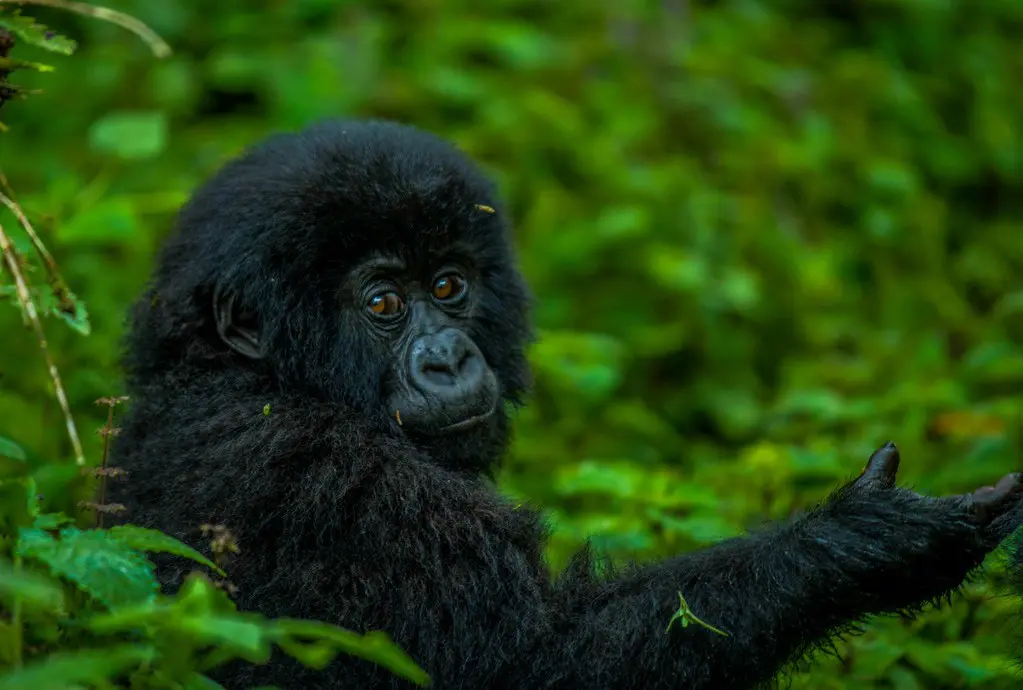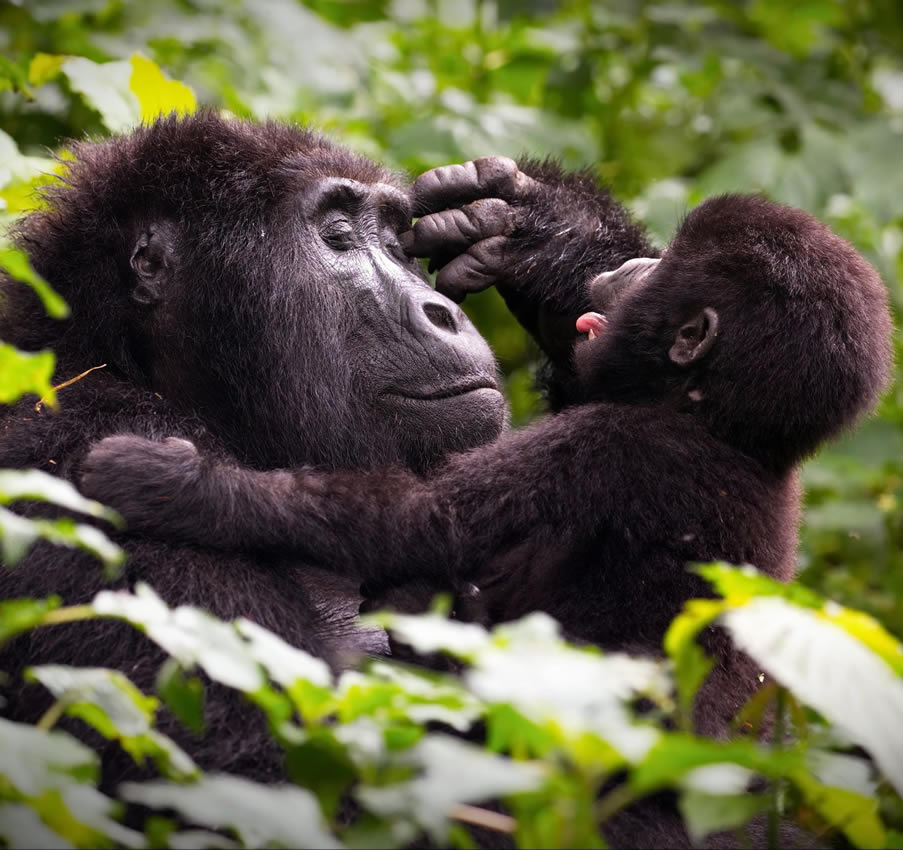

1. Unmatched
Accessibility
Volcanoes
National Park is only 2.5 hours from Kigali International Airport, making
it one of the most accessible gorilla trekking destinations. You can arrive in
Rwanda in the morning and trek gorillas the same day, saving both time and
money compared to longer transfers in other countries. This convenience reduces
travel fatigue and allows you to maximize your safari days. For travelers with
limited schedules, this accessibility is a major advantage, as it eliminates
the need for overnight stays before trekking. Choosing Rwanda ensures your
gorilla trekking fits smoothly into your safari plans without complicated
logistics, making it a practical option for those seeking efficiency and value.
2. Easier
Trekking Conditions
The trails in Rwanda’s Volcanoes National Park are
generally less steep and less dense compared to Uganda’s Bwindi
Impenetrable Forest. This makes trekking more manageable for visitors with
moderate fitness levels. The paths are well-maintained, and guides pace the trek
to suit the group, reducing physical strain. For travelers concerned about
difficulty, Rwanda offers a more accessible experience without compromising on
wildlife sightings. This ease of trekking ensures that a wider range of
visitors, including older travelers or those less experienced with hiking, can
enjoy gorilla trekking comfortably. Rwanda’s terrain provides a balance of
adventure and accessibility, making it a practical choice for many
safari-goers.
3. Superior
Photography Opportunities
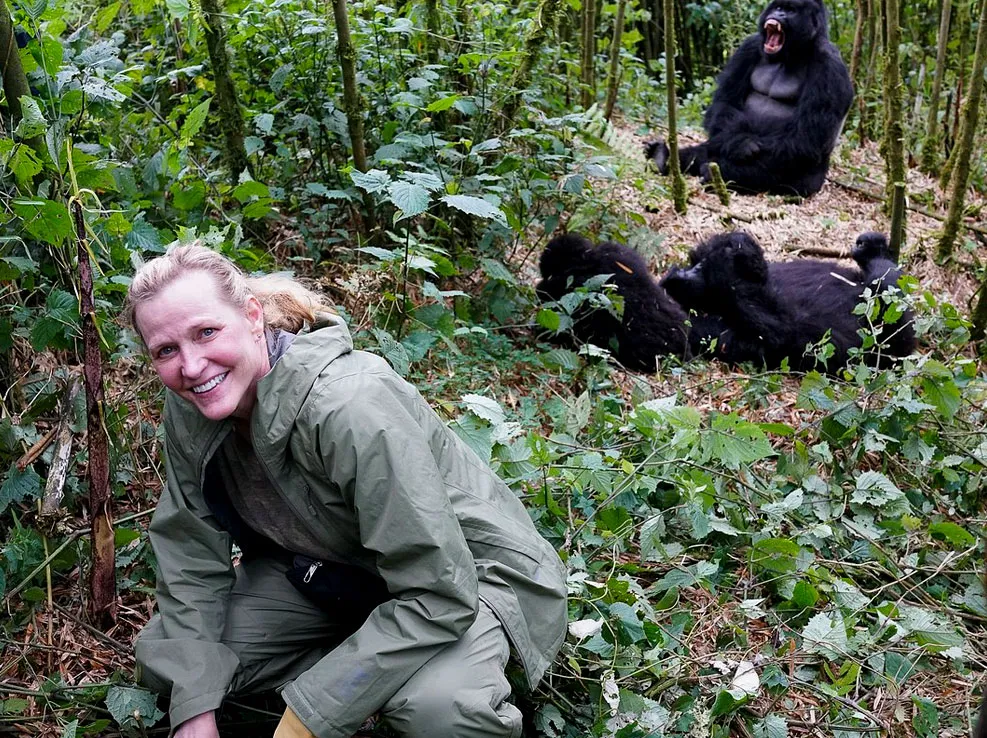
Volcanoes National Park offers clearer vegetation
and more open spaces, which means better lighting and unobstructed views of
gorillas. Photographers benefit from natural conditions that allow for
high-quality shots without heavy shadows or blocked sightlines. This makes
Rwanda ideal for travelers who want professional-level photos of gorillas in
their natural environment. The open terrain also allows groups to position
themselves more effectively, ensuring everyone gets a good view. For those who
value photography, Rwanda provides conditions that maximize the chance of
capturing memorable images. This advantage adds significant value to the
trekking experience, especially for travelers who want to document their safari
in detail.
4. The Dian
Fossey Legacy
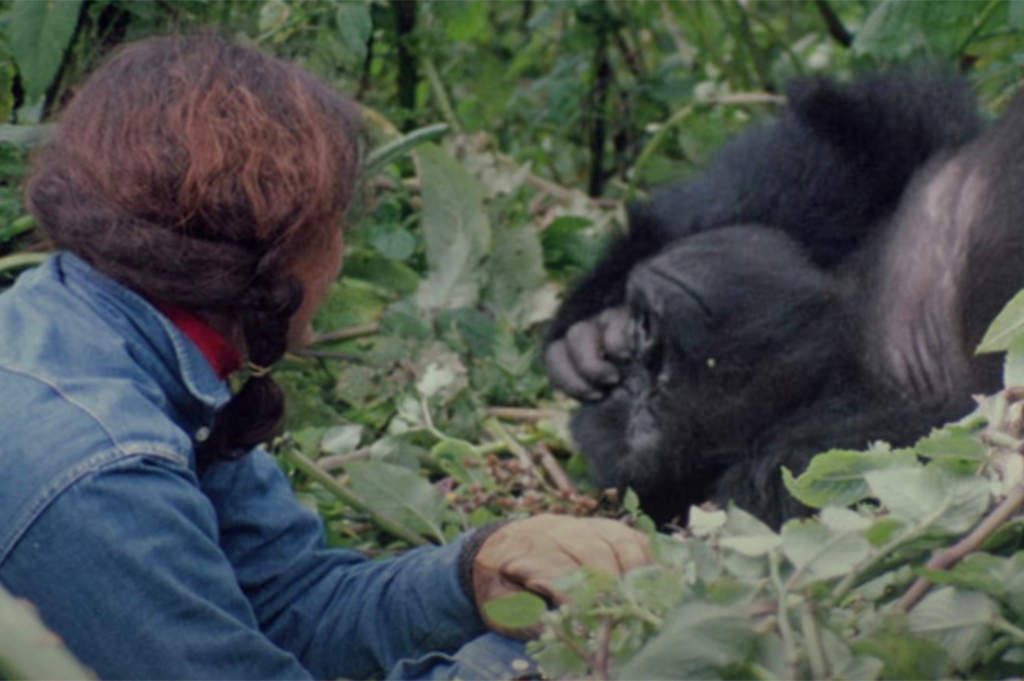
Volcanoes
National Park is home to the former research camp and grave site of Dian
Fossey, the legendary primatologist who dedicated her life to protecting
mountain gorillas. Visiting these sites adds historical and emotional depth to
your trek, connecting you to the conservation story that saved gorillas from
extinction. Guides share insights into her work and its lasting impact on
Rwanda’s conservation efforts. For travelers interested in history and wildlife
protection, this legacy makes Rwanda unique. Including Fossey’s story in your
trek provides context and meaning beyond the wildlife viewing itself, enriching
the overall safari experience with cultural and conservation history.
5. World Class
Conservation Success
Rwanda is recognized globally for its conservation
achievements, with gorilla numbers steadily increasing thanks to strict
protection measures. Every permit fee directly supports anti-poaching patrols,
veterinary care, and community projects that benefit locals living near the
park. This model ensures that tourism contributes to both wildlife survival and
human development. Travelers can feel confident that their visit has a positive
impact, making Rwanda a responsible choice for gorilla trekking. The country’s
success story demonstrates how conservation and tourism can work hand in hand,
offering visitors a chance to be part of a meaningful effort while enjoying
their safari.
6. Year Round
Trekking Availability
Unlike some destinations that close during heavy
rains, gorilla
trekking in Rwanda is available every day of the year. This flexibility
allows travelers to plan trips without worrying about seasonal restrictions.
During rainy months, gorillas often move to lower slopes, making treks shorter
and easier. The landscape becomes vibrant, offering a different atmosphere for
those who don’t mind occasional showers. For budget-conscious travelers,
off-season permits and accommodation rates are often lower, adding value.
Year-round availability ensures that Rwanda remains a reliable option for
gorilla trekking, accommodating different schedules and preferences while
maintaining consistent wildlife experiences.
7. Intimate,
Small-Group Experience
Rwanda strictly limits gorilla trekking groups to a
maximum of eight people per gorilla family. This ensures a personal and less
crowded experience, allowing each visitor time to observe and appreciate the
gorillas without feeling rushed. Smaller groups also make it easier to manage
trekking pace and maintain quiet, respectful interactions with the animals. For
travelers who value intimacy and focus, this policy enhances the quality of the
safari. The controlled group size reflects Rwanda’s commitment to both visitor
satisfaction and gorilla welfare, making the trekking experience more
meaningful and comfortable for everyone involved.
8. The Kwita
Izina Naming Ceremony
Rwanda hosts the annual Kwita Izina ceremony, where
newborn gorillas are officially given names. This event highlights the
country’s cultural connection to gorilla conservation and attracts global attention.
Visitors who time their safari around the ceremony can witness a unique
celebration that blends tradition, conservation, and community pride. The
ceremony underscores Rwanda’s dedication to protecting gorillas while involving
local people in the process. For travelers, attending Kwita Izina adds cultural
depth to the safari, offering more than just wildlife viewing. It’s a chance to
see how conservation is celebrated nationally, making Rwanda stand out as a
destination with strong cultural values.
9. Beyond
Gorillas, Golden Monkeys
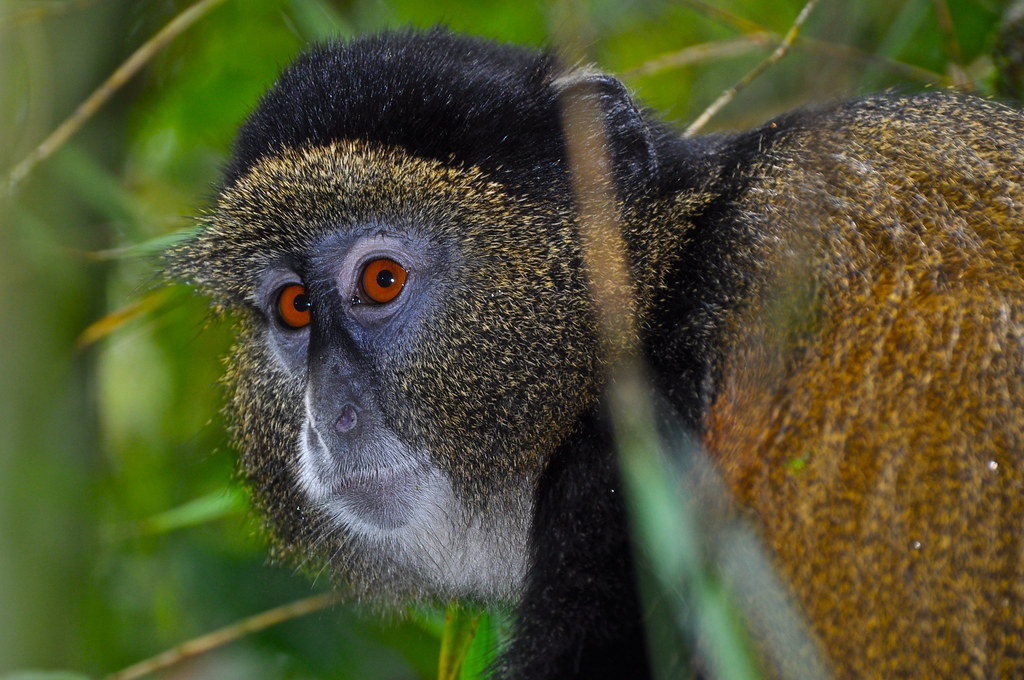
Volcanoes National Park is also home to endangered
golden monkeys, offering visitors another rare primate experience. These
playful animals live in bamboo forests and are only found in a few places
worldwide. Tracking golden monkeys is shorter and less demanding than gorilla
trekking, making it suitable for all fitness levels. For travelers seeking
variety, this adds another dimension to their safari, ensuring they see more
than just gorillas. Including golden monkey tracking in your itinerary provides
a broader wildlife experience and highlights Rwanda’s biodiversity. It’s an
affordable and rewarding addition that complements gorilla trekking perfectly.
10. Luxury and
Comfort Options
Rwanda offers a range of eco-friendly lodges and
boutique hotels that provide comfort without compromising sustainability. These
accommodations are located near Volcanoes
National Park, reducing travel time and offering easy access to trekking
points. Options range from mid-range lodges to high-end tented camps, catering
to different budgets. The country’s strong infrastructure ensures smooth
transfers and reliable services, making the safari experience stress-free. For
travelers who value comfort after trekking, Rwanda’s hospitality sector delivers
quality stays that enhance the overall safari. This combination of
accessibility, service, and eco-conscious design makes Rwanda a practical and
enjoyable destination for gorilla trekking.
Best time to go
and see gorillas in Rwanda
The best time to go and see gorillas in Rwanda is
during the dry seasons, from June to September and December to February, when
trekking conditions are most favorable. Trails in Volcanoes National Park are
firm, visibility is clear, and wildlife is easier to spot, making the
experience smoother and more rewarding. These months also provide excellent
opportunities for photography, with less vegetation blocking views. However,
gorilla trekking is available year-round, and the rainy seasons of March–May
and October–November can offer shorter treks as gorillas move to lower slopes,
plus lower permit and lodge rates for budget-conscious travelers. Whether you
choose dry or wet months, Rwanda ensures consistent access, making your gorilla
safari practical and memorable.
How to get there
to trek gorillas in Rwanda
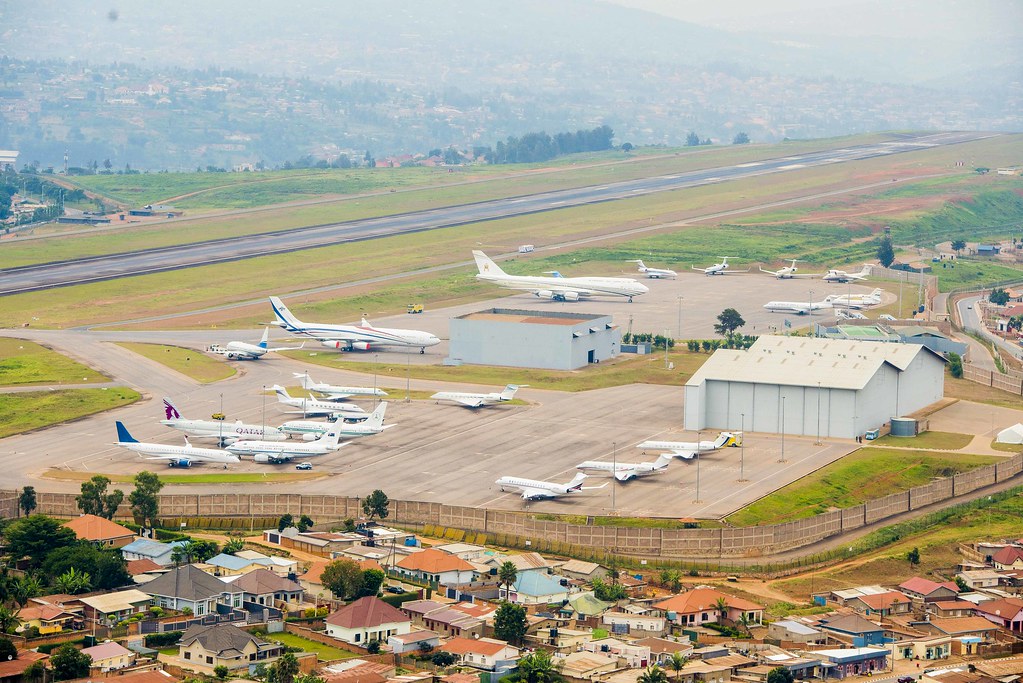
To trek gorillas in Rwanda, most travelers fly into Kigali
International Airport, the country’s main gateway, located just 2.5 hours from
Volcanoes National Park. From Kigali, you can arrange private transfers, tour
operator vehicles, or public transport to Musanze, the nearest town to the
park. Many safari companies include transport in their packages, ensuring a
smooth connection from the airport to your lodge. Once in Musanze, daily treks
depart from Kinigi Park Headquarters, where permits are checked and groups are
assigned. Because Rwanda’s infrastructure is strong, the process is
straightforward, saving both time and costs. Planning your arrival through
Kigali and securing transfers in advance ensures your gorilla trekking experience
is efficient, comfortable, and well-organized.
How much is
gorilla trekking in Rwanda
Gorilla trekking in Rwanda costs USD $1,500 per
person for international visitors, which covers one hour with a habituated
gorilla family in Volcanoes National Park. This fee includes park entry, ranger
guides, trackers, and conservation support, with a portion directly funding
anti-poaching patrols, veterinary care, and community projects. Residents of
Rwanda and East African citizens pay reduced rates, making it more affordable
for locals. Permits are limited to small groups of eight trekkers per gorilla
family, ensuring an intimate experience, so booking well in advance is
essential. While the price is higher compared to Uganda or Congo, Rwanda’s
accessibility, strong infrastructure, and conservation success make the cost
worthwhile for a reliable and impactful gorilla trekking adventure.
Where to stay
and What to carry for gorilla tour
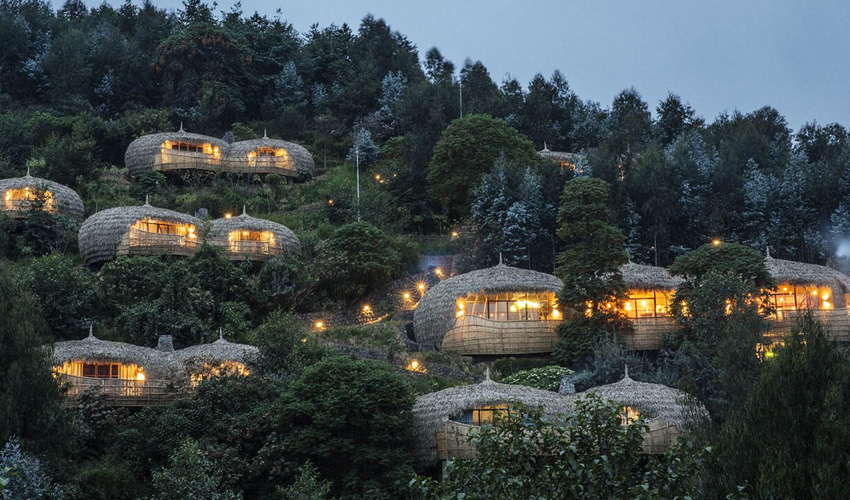
For a gorilla tour in Rwanda, accommodation options
range from luxury eco-lodges near Volcanoes National Park such as Bisate Lodge
and Singita Kwitonda, to mid-range hotels in Musanze offering comfort and easy
access to trekking points, and budget guesthouses or community lodges that
provide affordable stays while supporting local initiatives. Where you stay
depends on your budget and preference for comfort, but all options are close
enough to ensure smooth access to Kinigi Park Headquarters for daily treks. As
for what to carry, pack sturdy hiking boots, long-sleeved shirts, trousers,
rain jacket, gloves, insect repellent, sunscreen, reusable water bottle,
snacks, and personal medication. A camera with extra batteries is essential,
and hiring a porter for about $20 makes trekking easier and safer. Dressing in
neutral colors helps blend into the forest and improves wildlife viewing
Booking gorilla
tour Rwanda with Zoophilist adventures and safaris
Booking a gorilla tour in Rwanda with Zoophilist Adventures and Safaris
ensures a smooth, reliable, and value-driven experience. We handle all
logistics including gorilla permits, transport from Kigali to Volcanoes
National Park, and accommodation tailored to your budget, whether luxury lodges
or community guesthouses. Our professional guides are highly experienced in
tracking gorilla families, making your trek more rewarding and safe. Zoophilist
emphasizes responsible tourism, meaning part of your trip supports local
communities and conservation projects. With transparent pricing and flexible
packages, they make planning easy while maximizing your time in Rwanda.
Choosing Zoophilist guarantees your gorilla tour in Rwanda is practical,
meaningful, and professionally managed from start to finish