
Planning a safari in Uganda becomes much easier when
you understand what your safari package includes and what you may need to pay
for separately. A well planned Uganda
safari package usually combines accommodation, transportation, activities
and other essential services to make your journey comfortable and organized.
However, packages differ from one tour operator to another so it is important
to check the details before booking.
What is Included
in a Uganda Safari Package?
Accommodation
Accommodation is one of the main services included
in most Uganda
safari packages. Depending on your budget and travel style, you may stay in
luxury lodges, mid-range lodges, budget accommodation or tented camps. The
number of nights and the type of room should be clearly stated in your
itinerary. Your accommodation is usually selected based on its location,
comfort and accessibility to the activities included in your safari. For
example a gorilla trekking safari in Bwindi Impenetrable National Park will
normally include accommodation close to the trekking sector you are visiting.
Transportation
Transportation is another part of a Uganda safari
package. Most safari packages include private transportation in a 4x4 safari
vehicle with a professional driver guide. This allows you to travel between
destinations comfortably while enjoying views of Uganda’s countryside and
wildlife along the way. For longer safaris, transportation normally covers
transfers from one national park to another and may include airport transfers
depending on the package. Some packages may also include fuel and the drivers
expenses.
Professional Safari
Guide
A professional safari guide is usually included in a
Uganda
safari package. The guide drives you between destinations, takes you on a
game drive and provides information about Uganda’s wildlife, national parks,
culture and local communities. A knowledgeable guide can make a big difference
during your safari because they help you understand what you are seeing and may
know where to look for different wildlife species.
Park Entrance Fees
Many Uganda safari packages include national park
entrance fees. These fees allow visitors to enter and enjoy Uganda’s protected
areas including parks such as Queen Elizabeth National Park, Murchison Falls National
Park, Lake Mburo National Park, Kidepo Valley National Park, Mgahinga gorilla
national park and Bwindi Impenetrable National Park. The exact fees included
depend on the destinations in your itinerary so it is important to confirm this
with your tour operator before booking.
Game Drives
If your itinerary included wildlife viewing,
scheduled game drives are normally included in the package. Game drives give
you the opportunity to search for animals such as elephants, lions, buffaloes,
leopards, giraffes, zebras and antelopes in Uganda’s national parks. The number
of game drives depends on the length and design of your safari.
Gorilla or
Chimpanzee trekking activities
For primate focused safaris, the relevant trekking
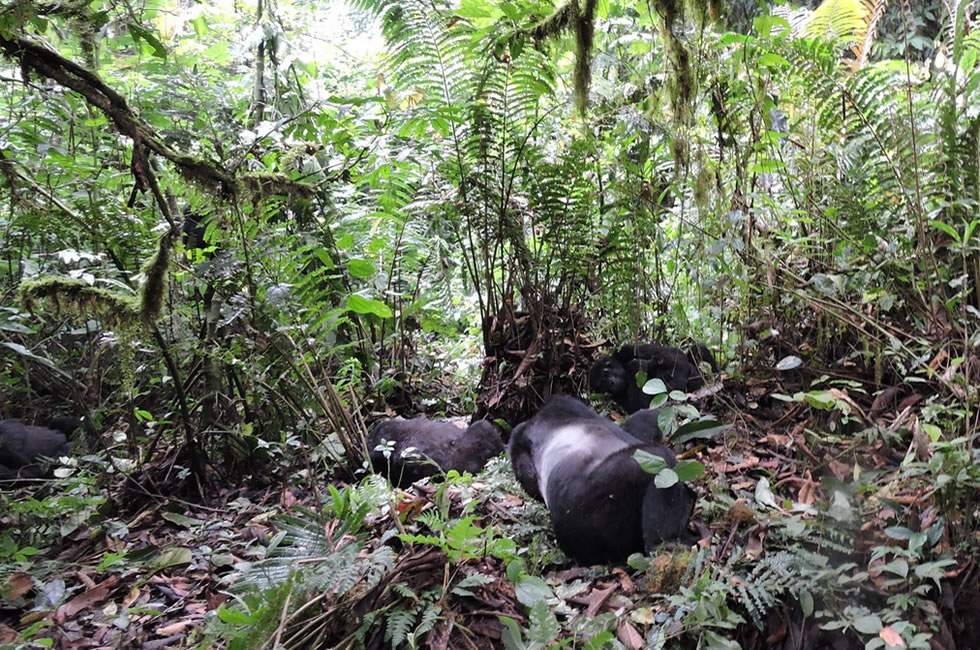
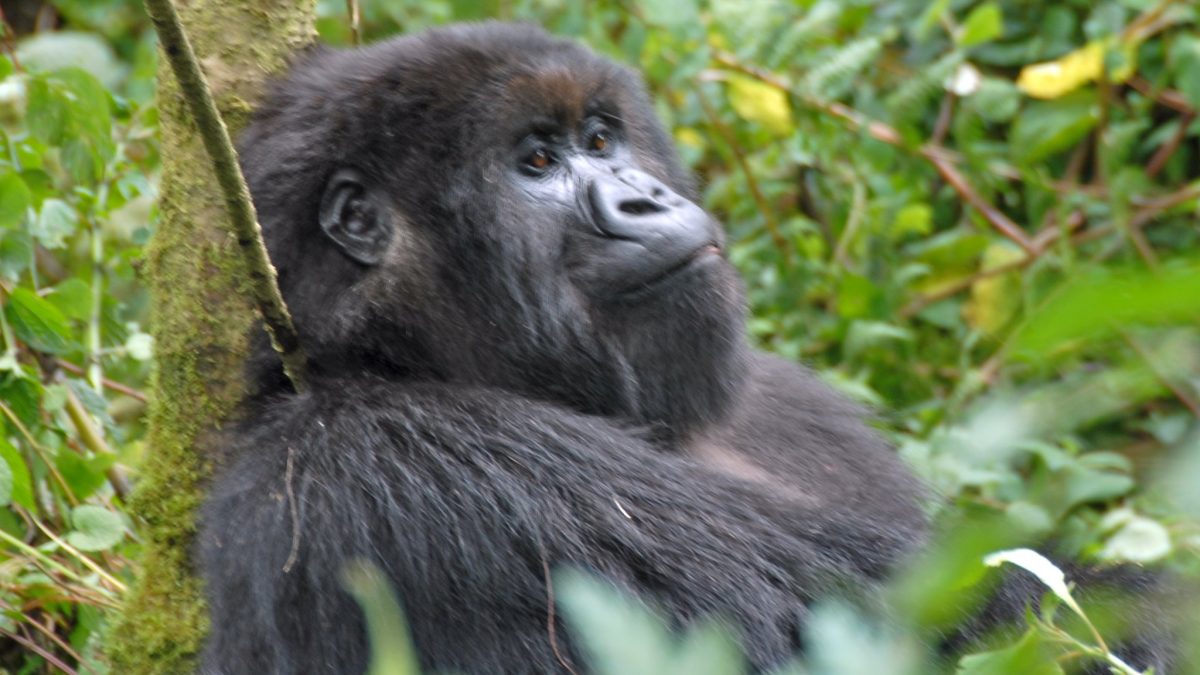
activity may be included in the package. For example a gorilla safari may
include gorilla trekking in Bwindi or Mgahinga while a kibale safari may
include chimpanzee trekking. However it is important to check whether the
permit itself is included because some operators quote the safari price
separately from the trekking permit.
Meals
Some Uganda
safari packages include breakfast, lunch and dinner especially when meals
are provided by the lodge or camps where you stay. Others may include only
breakfast or selected meals. Your itinerary should clearly explain which meals
are included so you can plan for any additional food expenses.
Activities Listed
in the Itinerary
Activities specifically mentioned in your safari
itinerary are generally included in the package price. These may include boat
cruise, nature walks, cultural experiences, chimpanzee trekking, gorilla
trekking, game drives or bird watching depending on your chosen safari. Before
booking check that every activity you want is clearly listed rather than
assuming it is included.
What is excluded in a Uganda Safari Package?
International Flights
International flights to and from Uganda are
normally excluded in the safari package. Travelers are usually responsible for
arranging and paying for their flights to Entebbe International Airport.
Domestic flights may also be charged separately unless they are specifically
included in your safari package.
Visa fees
Uganda visa fees are generally paid by the traveler.
Visitors should check the current visa requirements for their nationality and
complete the appropriate application before travelling.
Travel Insurance
Travel insurance is normally excluded from the
safari price. It is advisable to arrange suitable insurance before travelling, particularly
for a safari involving trekking, long distance travel and outdoor activities.
Personal Expenses
Personal expenses are usually excluded from the
package. These may include drinks, snacks, laundry, souvenirs, telephone calls
and other personal purchases made during the trip. Having some extra money
available gives you flexibility to enjoy local crafts, gifts and other
experiences along the way.
Tips and Gratuities
Tips for guides, drivers, lodge staff and other
service providers are generally excluded unless clearly stated in your package.
Tipping is normally left to the travelers discretion and can be based on the
quality of service received.
Optional Activities
Activities that are not included in your agreed
itinerary may require an additional payment. These could include extra game
drives, certain cultural experiences, boat trips, nature walks or other
activities added during the safari. If you are interested in a particular
activity, ask your tour operator whether it is included before your trip
begins.
Alcoholic and
Special Drinks
Basic meals may be included but alcoholic beverages,
bottled drinks and special beverages are often charged separately. Check with
your lodge or safari operator to understand what drinks are covered by your
meal plan.
Personal Travel Equipment
Travelers are normally responsible for their own
personal equipment and clothing. This includes suitable safari clothing,
comfortable shoes, rain gear, hats, sunscreen, binoculars, cameras and other
personal items.
For gorilla trekking, you may also need appropriate hiking shoes, gardening
gloves, waterproof clothing and other trekking essentials.
Why you should
check what is Included before Booking
Understanding what is included and excluded helps
you calculate the real cost of your Uganda safari. A package may initially
appear cheaper but additional costs for permits, activities, meals or transportation
could increase the final price. A good safari package should provide a clear
itinerary showing accommodation, transportation, activities, meals, park fees
and any permits included in the price. It should also Cleary identify services
that require additional payment.
Making your
Uganda Safari truly complete