
A Rwanda safari trip offers a rich variety of
wildlife experiences, combining rare primates, big game animals, and diverse ecosystems
within a relatively small country. Visitors can track mountain gorillas and
golden monkeys in Volcanoes
National Park, follow chimpanzees through the forests of Nyungwe National
Park, and enjoy classic wildlife viewing in Akagera National Park. Rwanda is
home to the Big Five, including lions, leopards, elephants, buffaloes, and
rhinos, alongside giraffes, zebras, hippos, crocodiles, topis, elands, and many
other species. The country's strong conservation efforts have helped restore
wildlife populations while creating sustainable tourism opportunities. From
forest primates to savannah wildlife, Rwanda provides travelers with the chance
to experience different habitats and animal species in one well-planned
itinerary, making it one of East Africa's most rewarding safari destinations.
1. Mountain
Gorillas
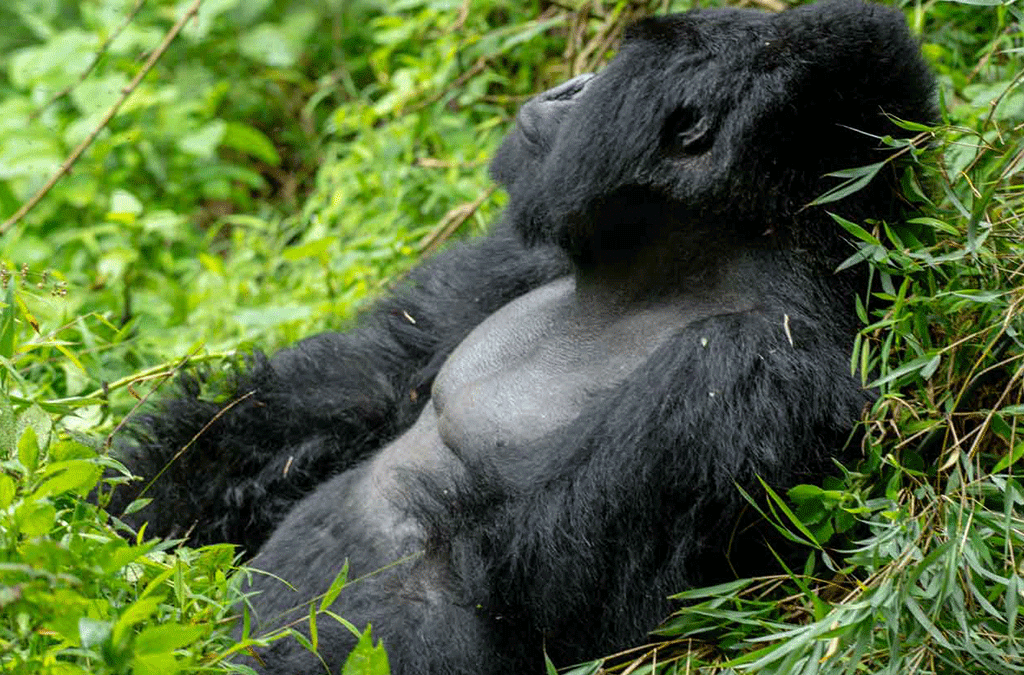
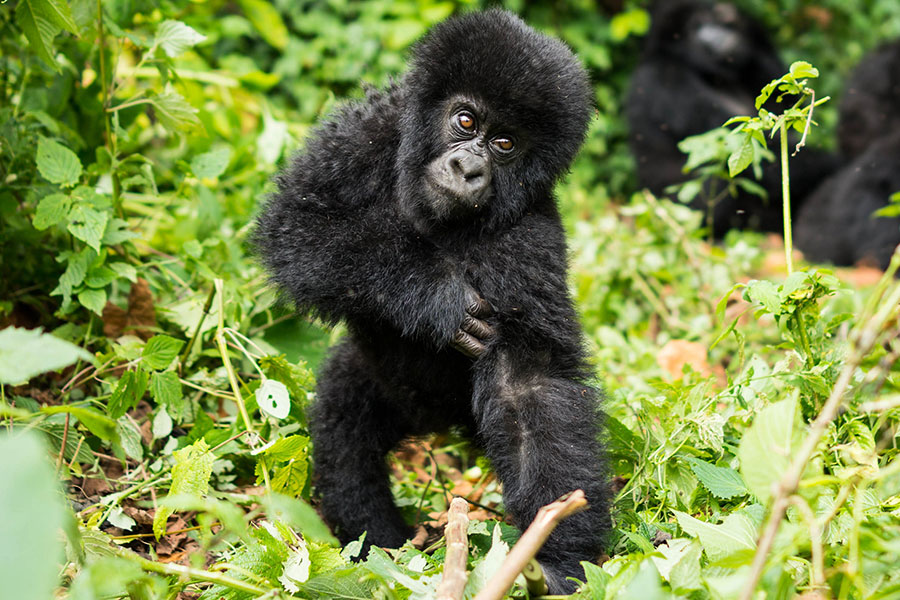
Mountain gorillas are the leading wildlife
attraction on a Rwanda safari trip and the main reason many travelers visit the
country. Found in Volcanoes
National Park, these endangered primates live in family groups led by
dominant silverbacks. Gorilla trekking offers visitors the opportunity to spend
one hour observing them in their natural habitat after a guided hike through
the forest. Watching gorillas interact, care for their young, feed, and
communicate provides valuable insight into their social lives. The experience
is carefully managed to protect both the animals and their environment.
Rwanda's well-organized trekking system makes gorilla viewing accessible while
supporting conservation efforts. For many visitors, seeing mountain gorillas up
close is a life-changing wildlife experience and remains the highlight of any
Rwanda safari itinerary.
2. Golden
Monkeys
Golden monkeys are among the most colorful animals
seen on a Rwanda safari trip. They live in the bamboo forests of Volcanoes
National Park, sharing parts of the habitat with mountain gorillas. Their
golden-orange fur, playful behavior, and active movements make them interesting
to watch. Unlike gorillas, golden monkeys move quickly through the trees and
vegetation, often requiring visitors to stay alert to follow their movements.
Guided tracking excursions allow travelers to spend time observing these rare
primates while learning about their behavior and conservation. Because golden
monkeys are only found in the Virunga region, Rwanda provides one of the best
opportunities to see them. Many visitors combine golden monkey tracking with
gorilla trekking for a richer wildlife experience.
3. Chimpanzees
Chimpanzees are one of the major primate attractions
on a Rwanda
safari trip. Nyungwe Forest National Park is home to large chimpanzee
communities living within one of Africa's oldest rainforests. Chimpanzee
tracking takes visitors into the forest early in the morning when the animals
are most active. Their loud calls often echo through the trees before they are
seen. Visitors may observe them feeding, climbing, grooming, and interacting
with members of their group. Chimpanzees are highly intelligent and share many
behavioral similarities with humans, making them fascinating to study. The
tracking experience also introduces visitors to Nyungwe's rich biodiversity.
For travelers interested in primates beyond gorillas, chimpanzees provide
another rewarding wildlife highlight in Rwanda.
4. African
Elephants
African elephants are important attractions during a
Rwanda safari trip, particularly in Akagera
National Park. The park's conservation efforts have helped elephant
populations recover over time. Visitors often see family groups moving across
grasslands, feeding in woodlands, or gathering near lakes and wetlands. Their
intelligence, social bonds, and impressive size make them favorites among
safari travelers. Elephants play an important role in shaping habitats by
dispersing seeds and creating pathways through vegetation. Game drives in
Akagera frequently provide opportunities to observe them at relatively close
range. Their presence contributes significantly to the park's wildlife appeal.
For many visitors, watching elephants in the wild provides a memorable glimpse
into one of Africa's most recognized animal species.
5. Lions
Lions are among the top predators to see on a Rwanda
safari trip. After successful reintroduction efforts, Akagera National Park now
supports a growing lion population. These powerful cats are usually spotted
resting under trees, watching prey, or moving through open grasslands. Early
morning and late afternoon game drives offer the best chances of finding them.
Lions are highly social animals that live in prides, allowing visitors to
observe interactions between adults and cubs. Their role as top predators helps
maintain balance within the ecosystem. Guides track lion movements to improve
viewing opportunities for guests. Seeing lions in Akagera has become one of the
most sought-after experiences for travelers interested in Rwanda's growing
wildlife conservation success story..
6. Leopards
Leopards are among the most elusive animals found on
a Rwanda safari trip. Akagera National Park offers the best chances of spotting
them, although sightings often require patience and experienced guides. These
solitary cats spend much of their time hidden in vegetation or resting in trees
during the day. Leopards are known for their remarkable strength and ability to
hunt a variety of prey. Visitors who see one are often impressed by its spotted
coat and graceful movements. Because leopards are difficult to locate, each
sighting feels particularly rewarding. Their presence is a sign of a healthy
ecosystem with sufficient prey and habitat. Akagera's improving wildlife
populations have increased opportunities for leopard sightings in recent years.
7. African
Buffaloes
African buffaloes are commonly seen during a Rwanda
safari trip and are among the easiest members of the Big Five to find in
Akagera National Park. Large herds move through grasslands and wetlands, often
gathering near water sources. Buffaloes are strong animals with a reputation
for being unpredictable when threatened. Their social structure allows them to
defend themselves effectively against predators such as lions. Visitors
frequently observe them grazing in open areas where photography opportunities
are excellent. Buffaloes play an important role in maintaining grassland
ecosystems and supporting predator populations. While they may receive less
attention than lions or gorillas, they remain an important wildlife attraction
and a key species found throughout Rwanda's only savannah national park.
8. White Rhinos
White rhinos are a major conservation success and an
important attraction on a Rwanda safari trip. Reintroduced to Akagera National
Park, these animals have helped restore Rwanda's Big Five population. Rhino
sightings are increasingly common thanks to strong security measures and
effective wildlife management. Visitors can see these large grazers feeding in
open grasslands or resting during the heat of the day. Rhinos are among
Africa's most endangered animals, making every sighting significant from a
conservation perspective. Guides often explain the challenges of protecting
rhinos from poaching and habitat loss. Many travelers specifically choose
Akagera because it offers opportunities to see rhinos alongside other Big Five
species within the same safari experience.
9. Giraffes
Giraffes are among the most elegant animals found on
a Rwanda safari trip. Akagera National Park supports healthy populations that
are commonly seen browsing on acacia trees across the savannah. Their
distinctive markings and towering height make them easy to spot even from a
distance. Visitors often enjoy watching giraffes walk across open landscapes or
feed from treetops inaccessible to most other herbivores. Calves frequently
accompany adult groups, providing opportunities to observe family interactions.
Giraffes contribute to seed dispersal and help shape vegetation patterns within
their habitat. They are a favorite subject for wildlife photography due to
their unique appearance and calm behavior. Most game drives in Akagera include
at least a few giraffe sightings.
10. Hippos
Hippos are among the most visible wildlife
attractions during a Rwanda safari trip, especially around Akagera's lakes and
waterways. These large mammals spend most daylight hours resting in water to
stay cool before grazing on land after sunset. Boat safaris on Lake Ihema offer
particularly good opportunities to view hippos up close. Visitors often see
groups gathered together in shallow water, occasionally surfacing to breathe or
displaying territorial behavior. Despite their relaxed appearance, hippos are
powerful animals that demand respect. Their presence supports aquatic
ecosystems by helping distribute nutrients throughout water systems. Watching
hippos from a boat provides a different perspective from traditional game
drives and adds variety to wildlife viewing activities in Rwanda.
11. Nile
Crocodiles
Nile crocodiles are among the top reptile
attractions on a Rwanda
safari trip. These powerful predators are commonly seen along the shores of
Lake Ihema and other water bodies within Akagera National Park. Crocodiles
spend much of their time resting near the water's edge but remain alert to
hunting opportunities. Some individuals reach impressive sizes, making them
particularly impressive to observe. Boat cruises provide excellent viewing opportunities
while maintaining a safe distance. Visitors often spot crocodiles sharing
shorelines with birds, hippos, and other wildlife species. Their role as apex
predators helps maintain ecological balance within aquatic habitats. Seeing
Nile crocodiles in the wild adds another dimension to Rwanda's diverse safari
experiences beyond the more famous mammals.
12. Zebras
Zebras are attractive and easily recognizable
animals commonly seen on a Rwanda safari trip. Akagera National Park's open
plains provide suitable habitat for these striped herbivores. Zebras usually
live in family groups and spend much of their time grazing alongside other
wildlife such as buffaloes and antelopes. Their distinctive stripes help
confuse predators when moving as a group. Visitors often enjoy photographing
zebras because of their striking patterns and social behavior. They are active
throughout the day and are generally easy to locate during game drives. As an
important prey species, zebras contribute to the health of predator populations
within the park. Their presence adds to the classic African wildlife experience
that many travelers seek.
13. Elands
Elands are the largest antelope species found on a
Rwanda safari trip. These impressive animals inhabit Akagera National Park,
where they move through grasslands and lightly wooded areas. Despite their
large build, elands are surprisingly agile and capable of moving quickly when
necessary. Males are easily identified by their twisted horns and larger body
size. Elands often gather in small groups and are generally calm around safari
vehicles. Their quiet nature sometimes causes visitors to overlook them, but
they remain one of the park's most interesting herbivores. They play an
important role in maintaining ecosystem balance through grazing and browsing
activities. Wildlife lovers often appreciate seeing elands because of their
size and relative rarity compared to other antelope species.
14. Topis
Topis are among the characteristic antelope species
seen on a Rwanda safari trip in Akagera National Park. Their reddish-brown
coats, dark markings, and strong build make them stand out in open grasslands.
Topis are highly alert animals that prefer areas with good visibility where
they can detect approaching predators. Males often stand on termite mounds to
monitor their territory and surrounding herds. Their speed makes them effective
at escaping danger when threatened. Visitors frequently see groups grazing
across the plains during game drives. Topis play an important ecological role
as grazers and as prey for large carnivores such as lions and leopards. Their
active behavior provides wildlife viewers with interesting observations
throughout the day.
15. Colobus
Monkeys
Colobus monkeys are among the most interesting
forest animals on a Rwanda safari trip. Nyungwe Forest National Park supports
large troops of these black-and-white primates, which spend much of their time
moving through the forest canopy. Their long white tails and striking
appearance make them easy to identify. Colobus monkeys are social animals that
live in groups and communicate through vocalizations and body movements.
Visitors often see them leaping between branches while searching for leaves,
fruits, and shoots. Nyungwe is home to some of Africa's largest colobus monkey
groups, creating excellent viewing opportunities. For travelers interested in
primate diversity, colobus monkeys provide a valuable addition to gorilla and
chimpanzee experiences, showcasing another fascinating aspect of Rwanda's
wildlife heritage.