
1. Murchison
National Park all you need to know
Murchison
National Park is Uganda’s largest and oldest protected area, covering
approximately 3,840 square kilometers across the country's northwestern region.
Established in 1952, the park forms part of the larger Murchison Falls
Conservation Area, which also includes Bugungu and Karuma Wildlife Reserves.
Murchison National Park is famous for its remarkable wildlife diversity,
dramatic landscapes, and the powerful Murchison Falls where the Nile River
forces itself through a narrow gorge before plunging into a thunderous cascade.
The park attracts visitors from around the world seeking classic African safari
experiences combined with unique river-based adventures. Its blend of savannah
grasslands, woodlands, riverine forests, and wetlands creates ideal habitats
for a wide range of wildlife. Murchison National Park remains one of Uganda’s
most rewarding safari destinations throughout the year.
2. Location and
Accessibility
Murchison National Park is located in northwestern
Uganda, stretching across several districts including Masindi, Nwoya,
Kiryandongo, and Buliisa. The park lies approximately 305 kilometers from
Kampala, making it accessible by road in about five to six hours depending on
the chosen route. Visitors can reach Murchison National Park through the
southern gates near Masindi or the northern entrances close to Pakwach.
Domestic flights from Entebbe International Airport also provide quicker access
through Pakuba, Chobe, and Bugungu airstrips. Along the journey, travelers
often pass through scenic countryside, local communities, and attractions such
as Ziwa Rhino Sanctuary. Murchison
National Park is conveniently positioned for inclusion in longer Uganda
safari circuits, making it a popular choice for travelers seeking wildlife,
adventure, and natural beauty in one destination.
3. Wildlife in
Murchison National Park
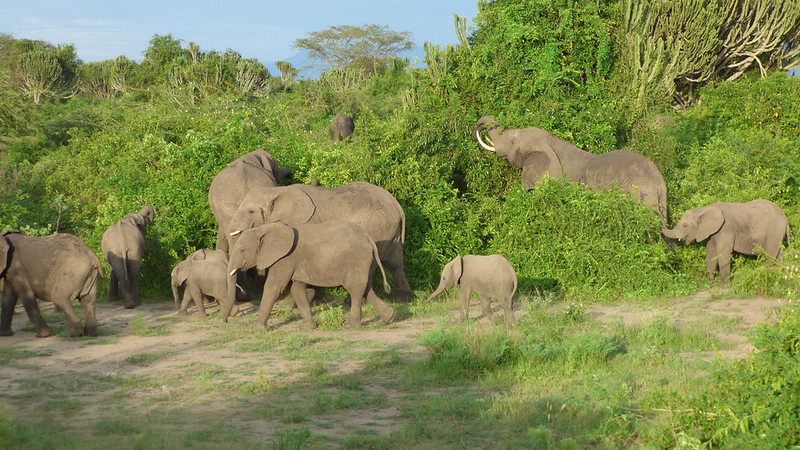
Murchison National Park supports one of Uganda’s
richest wildlife populations. The park is home to elephants, lions, leopards,
buffaloes, giraffes, hyenas, crocodiles, hippos, and several antelope species.
Visitors to Murchison National Park frequently encounter large herds of Uganda
kob, hartebeest, waterbuck, and oribi grazing across the open plains. The park
is particularly famous for its thriving population of Rothschild’s giraffes, one
of the most endangered giraffe subspecies in Africa. Predators roam through the
grasslands while elephants and buffaloes often gather near water sources.
Murchison National Park offers excellent wildlife viewing opportunities during
both game drives and boat safaris. The combination of abundant animals, varied
habitats, and stunning scenery makes every wildlife encounter memorable. It
remains a top destination for authentic safari experiences.
4. The
Spectacular Murchison Falls
The defining attraction of Murchison
National Park is the magnificent Murchison Falls. Here, the Nile River
squeezes through a narrow gap only seven meters wide before dropping
approximately 43 meters into the Devil’s Cauldron below. This powerful display
creates one of the most dramatic waterfalls in Africa. Visitors to Murchison
National Park can experience the falls from both the top and bottom, each
offering unique perspectives and excellent photography opportunities. The roar
of the water, the mist rising into the air, and the surrounding scenery create
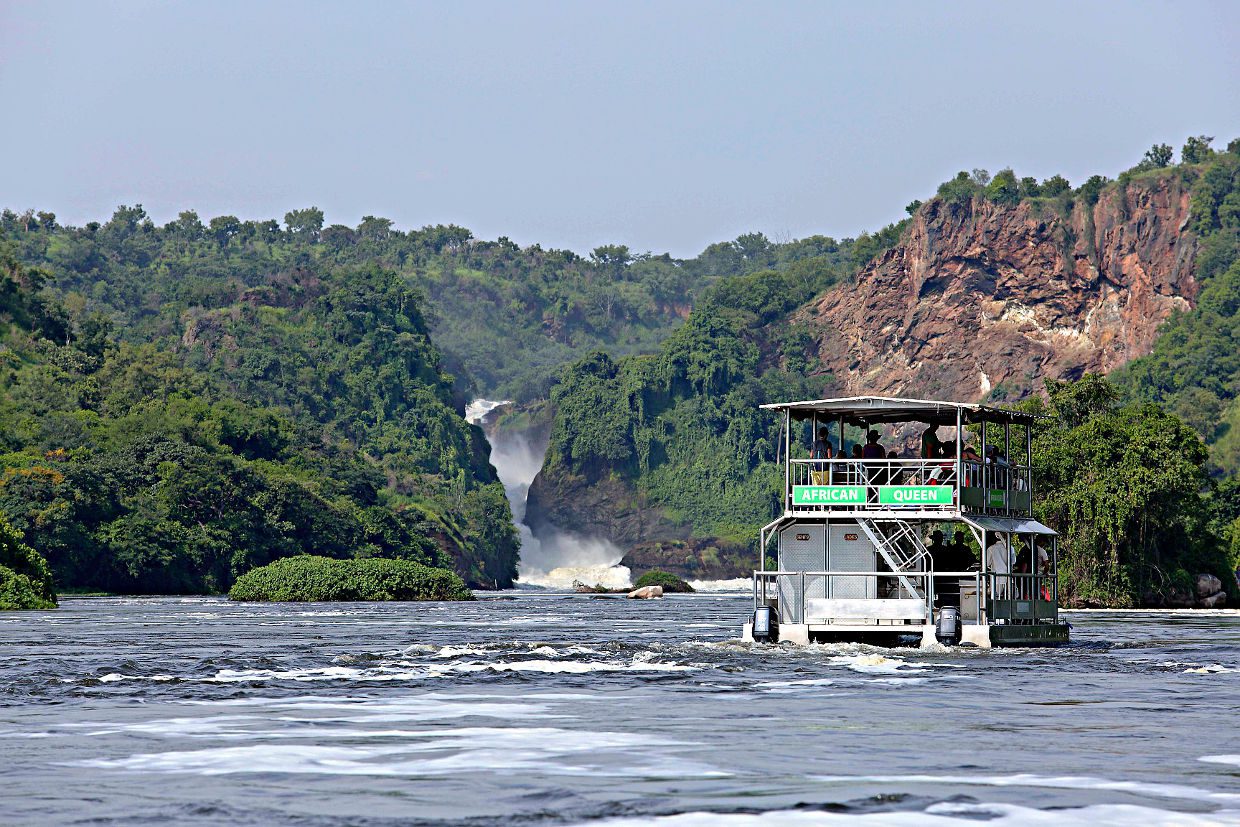
an unforgettable experience. Boat cruises toward the base of the falls allow
visitors to appreciate the immense force of the Nile. Murchison National Park
owes much of its international reputation to this natural wonder, which remains
its most iconic feature.
5. Boat Cruises
Along the Nile
A boat safari is among the most popular activities
in Murchison National Park. The Victoria Nile serves as a lifeline for wildlife
and offers visitors exceptional opportunities to observe animals from the
water. During a cruise, guests can spot hippos, Nile crocodiles, elephants,
buffaloes, and numerous bird species gathering along the riverbanks. Murchison
National Park provides scheduled boat trips to the base of Murchison Falls as
well as specialized cruises to the Nile Delta. These excursions offer unique
perspectives that complement traditional game drives. Wildlife often approaches
much closer to boats than safari vehicles, creating excellent conditions for
photography. The river scenery itself is breathtaking, featuring lush
vegetation and dramatic views of the falls. A Nile cruise remains an essential
part of every visit to Murchison National Park.
6. Birdwatching
Opportunities
Murchison National Park is one of Uganda’s premier
birdwatching destinations, hosting more than 450 recorded bird species. The
park's varied habitats attract an impressive diversity of resident and
migratory birds throughout the year. Visitors exploring Murchison National Park
can encounter species such as the shoebill stork, African fish eagle, secretary
bird, Abyssinian ground hornbill, and Goliath heron. The Nile Delta is
particularly renowned for shoebill sightings and is a favorite location among
birdwatchers. Wetlands, riverbanks, forests, and open savannahs each support
distinct bird communities. Murchison National Park provides excellent birding
opportunities for both experienced ornithologists and casual nature
enthusiasts. With its remarkable variety of habitats and species, the park has
earned an international reputation as one of East Africa’s leading birdwatching
locations.
7. Game Drives
in the Savannah
Game drives offer some of the most exciting wildlife
experiences in Murchison
National Park. The northern sector contains expansive savannah plains where
animals are often easily visible. Early morning drives are especially
productive, as predators remain active while herbivores gather to feed before
temperatures rise. Murchison National Park allows visitors to encounter lions,
giraffes, elephants, buffaloes, and numerous antelope species in their natural
habitats. The Buligi area is particularly famous for its concentration of
wildlife and stunning views across the Nile Valley. Experienced guides help
visitors locate animals and explain fascinating aspects of their behavior.
Every game drive in Murchison National Park presents a unique experience
because wildlife movements vary daily. These safari excursions remain among the
park’s most popular and rewarding activities.
8. The Nile
Delta Experience
The Nile Delta is one of the hidden gems of
Murchison National Park. This area forms where the Victoria Nile enters Lake
Albert, creating a rich wetland ecosystem teeming with wildlife and birdlife.
Boat excursions to the delta offer some of the best chances to spot the elusive
shoebill stork. Murchison National Park attracts bird enthusiasts specifically
for the remarkable diversity found within this region. Beyond birdwatching,
visitors may encounter elephants, buffaloes, crocodiles, and hippos utilizing
the fertile wetlands. The scenery combines open water, papyrus swamps, and
distant landscapes, creating a peaceful and picturesque safari environment. The
delta’s ecological importance contributes significantly to the biodiversity of
Murchison National Park. It remains a must-visit area for travelers seeking
unique wildlife experiences beyond traditional game drives.
9. Cultural and
Community Experiences
Visitors to Murchison National Park can enrich their
safari by engaging with communities located around the conservation area.
Cultural tourism opportunities provide insight into local traditions,
lifestyles, and the relationship between people and wildlife conservation.
Community visits near Murchison National Park may include traditional dance
performances, storytelling sessions, craft demonstrations, and interactions
with local farmers. These experiences help travelers better understand the
region’s cultural heritage while supporting local livelihoods. Community-based
tourism initiatives also promote conservation awareness and create alternative
income sources for residents living near protected areas. Murchison National
Park benefits from strong partnerships between tourism operators, conservation
organizations, and surrounding communities. For many visitors, cultural encounters
provide a valuable complement to wildlife-focused activities and contribute to
a more complete Uganda safari experience.
10. Best Time to
Visit Murchison National Park
Murchison National Park can be visited throughout
the year, but the dry seasons from December to February and June to September
are generally considered the best periods for wildlife viewing. During these
months, vegetation becomes thinner and animals congregate near water sources,
improving visibility. Murchison National Park remains attractive during the
rainy seasons as landscapes become greener and bird activity increases
significantly. Photographers often appreciate the dramatic skies and vibrant
scenery associated with wetter periods. Accessibility is generally easier
during dry months when roads are less affected by rainfall. The choice of when
to visit Murchison National Park largely depends on personal interests, whether
focused on wildlife viewing, birdwatching, photography, or general sightseeing.
Each season presents unique advantages for safari travelers.
11.
Accommodation Options
Murchison National Park offers a wide range of
accommodation choices suitable for luxury, mid-range, and budget travelers.
Visitors can stay in lodges overlooking the Nile River, comfortable safari
camps, or affordable guesthouses near park entrances. Many accommodations
within Murchison National Park provide breathtaking views, wildlife sightings,
and convenient access to major attractions. Luxury lodges offer premium
services, spacious rooms, and exclusive safari experiences, while mid-range and
budget options cater to travelers seeking value without compromising comfort.
Some properties are strategically positioned near Murchison Falls, the Nile
Delta, or popular game drive routes. Murchison National Park accommodates solo
travelers, families, honeymooners, and adventure seekers alike. Selecting the
right lodge enhances the overall safari experience and contributes
significantly to a memorable visit.
12. Why Visit
Murchison National Park