
1. Queen
Elizabeth National Park all you need to know
Queen Elizabeth National Park is Uganda’s most
popular savannah wildlife destination and one of the most visited protected
areas in East Africa. Located in western
Uganda between Lake George and Lake Edward, the park covers approximately
1,978 square kilometers of diverse habitats including grasslands, wetlands,
forests, lakes, and volcanic craters. Queen Elizabeth National Park is known
for its extraordinary biodiversity, supporting over 95 mammal species and more
than 600 bird species. Visitors are drawn to the park because it offers a mix
of classic African safari experiences alongside stunning scenery and unique
wildlife encounters. The park's strategic location allows travelers to combine
wildlife viewing with gorilla trekking in nearby Bwindi Impenetrable National
Park. Throughout the year, Queen Elizabeth National Park offers unforgettable
opportunities to experience Uganda's remarkable natural heritage and diverse
ecosystems.
2. Location and
Accessibility
Queen Elizabeth National Park lies in western Uganda,
stretching across the districts of Kasese, Rubirizi, Rukungiri, and Kamwenge.
The park is approximately 400 kilometers from Kampala and can be reached by
road in six to seven hours. Travelers can also access Queen
Elizabeth National Park through domestic flights from Entebbe International
Airport to nearby airstrips such as Kasese, Mweya, or Kihihi. The journey to
the park rewards visitors with spectacular views of rural Uganda, tea
plantations, rolling hills, and the distant Rwenzori Mountains. Its position
along the popular western Uganda tourism circuit makes it convenient for
tourists exploring multiple destinations. Queen Elizabeth National Park serves
as a gateway to many attractions including Bwindi, Kibale Forest National Park,
and Semuliki National Park, making it an ideal stop on extended Uganda safari
itineraries.
3. Wildlife in
Queen Elizabeth National Park
Queen Elizabeth National Park boasts one of the
richest concentrations of wildlife in Uganda. The park is home to elephants,
buffaloes, lions, leopards, hippos, warthogs, hyenas, mongoose, and several
antelope species including Uganda kobs and waterbucks. Wildlife enthusiasts
particularly appreciate Queen Elizabeth National Park for its impressive
predator population and varied ecosystems that support numerous animal species.
The Ishasha sector is internationally famous for its tree-climbing lions, a
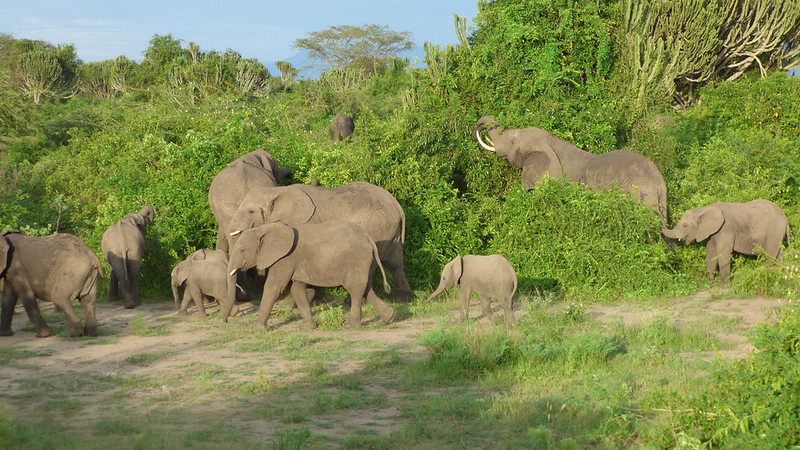
rare behavior observed in only a few locations across Africa. Large elephant
herds can often be seen grazing on open savannah plains, while buffaloes gather
around wetlands and water sources. Queen Elizabeth National Park offers
excellent opportunities for both first-time safari travelers and experienced
wildlife enthusiasts seeking close encounters with iconic African animals in
their natural habitats.
4. The Famous
Kazinga Channel
One of the top highlights of Queen Elizabeth
National Park is the Kazinga Channel, a natural waterway connecting Lake George
and Lake Edward. The channel is renowned for hosting one of Africa's highest
concentrations of hippos and attracts an incredible variety of wildlife
throughout the day. Boat safaris along the Kazinga Channel provide visitors
with exceptional opportunities to observe animals at close range. Elephants,
buffaloes, crocodiles, and numerous bird species regularly gather along the
shoreline. Queen Elizabeth National Park offers scheduled launch cruises that
allow photographers and nature lovers to capture memorable wildlife moments
from the water. The combination of aquatic life, birdlife, and surrounding
landscapes creates one of Uganda’s most rewarding safari experiences. For many
visitors, the Kazinga Channel becomes the highlight of their entire visit to
Queen Elizabeth National Park.
5. Birdwatching
Opportunities
Queen
Elizabeth National Park is considered one of Africa’s premier birdwatching
destinations. With more than 600 recorded bird species, the park offers
exceptional opportunities for both beginner and experienced birders. Diverse
habitats support species ranging from water birds and raptors to forest
specialists and migratory visitors. Queen Elizabeth National Park is especially
famous for sightings of the African fish eagle, saddle-billed stork, shoebill,
martial eagle, and pink-backed pelican. The Kazinga Channel, Mweya Peninsula,
Maramagambo Forest, and Ishasha wetlands provide excellent birdwatching
locations throughout the year. Many bird enthusiasts visit specifically to
expand their species lists because the variety found within a relatively
compact area is remarkable. Queen Elizabeth National Park remains one of
Uganda’s most important bird conservation areas and consistently attracts
international birdwatchers seeking rare and diverse sightings.
6. The Unique
Ishasha Sector
The Ishasha sector is among the most celebrated
regions of Queen Elizabeth National Park. Located in the southern part of the
park, Ishasha is best known for its famous tree-climbing lions. These lions
spend much of their day resting on large fig trees, creating a rare and
fascinating spectacle for safari visitors. Queen Elizabeth National Park
attracts wildlife photographers from around the world who hope to capture these
unique predators lounging above the ground. Aside from lions, Ishasha supports
large populations of buffaloes, topis, elephants, and various antelope species.
The sector offers a quieter and more remote safari experience compared to other
sections of the park. Visitors seeking fewer crowds and exceptional wildlife
encounters often consider Ishasha one of the most rewarding areas within Queen
Elizabeth National Park during their Uganda safari adventure.
7. Game Drives
and Safari Experiences
Game drives are among the most popular activities in
Queen Elizabeth National Park. The park features extensive networks of safari
tracks that allow visitors to explore various ecosystems and wildlife-rich
zones. Early morning and late afternoon drives provide the best opportunities
to observe active animals. Queen Elizabeth National Park offers rewarding game
viewing in areas such as Kasenyi Plains, Mweya Peninsula, and Ishasha. During a
typical safari drive, visitors may encounter lions hunting, elephants feeding,
buffalo herds grazing, and numerous antelope species moving through open
grasslands. Knowledgeable guides enhance the experience by sharing insights into
animal behavior and ecosystem dynamics. Queen Elizabeth National Park combines
scenic landscapes with abundant wildlife, ensuring that every game drive
presents unique opportunities for memorable encounters and outstanding
photography.
8. Volcanic
Crater Lakes and Scenic Landscapes
Beyond wildlife, Queen Elizabeth National Park is
celebrated for its breathtaking landscapes. The park contains numerous volcanic
crater lakes formed thousands of years ago through ancient geological activity.
These craters create dramatic viewpoints overlooking lush vegetation, sparkling
lakes, and rolling hills. Queen Elizabeth National Park offers some of Uganda’s
most beautiful scenic drives, particularly around the Katwe Crater region.
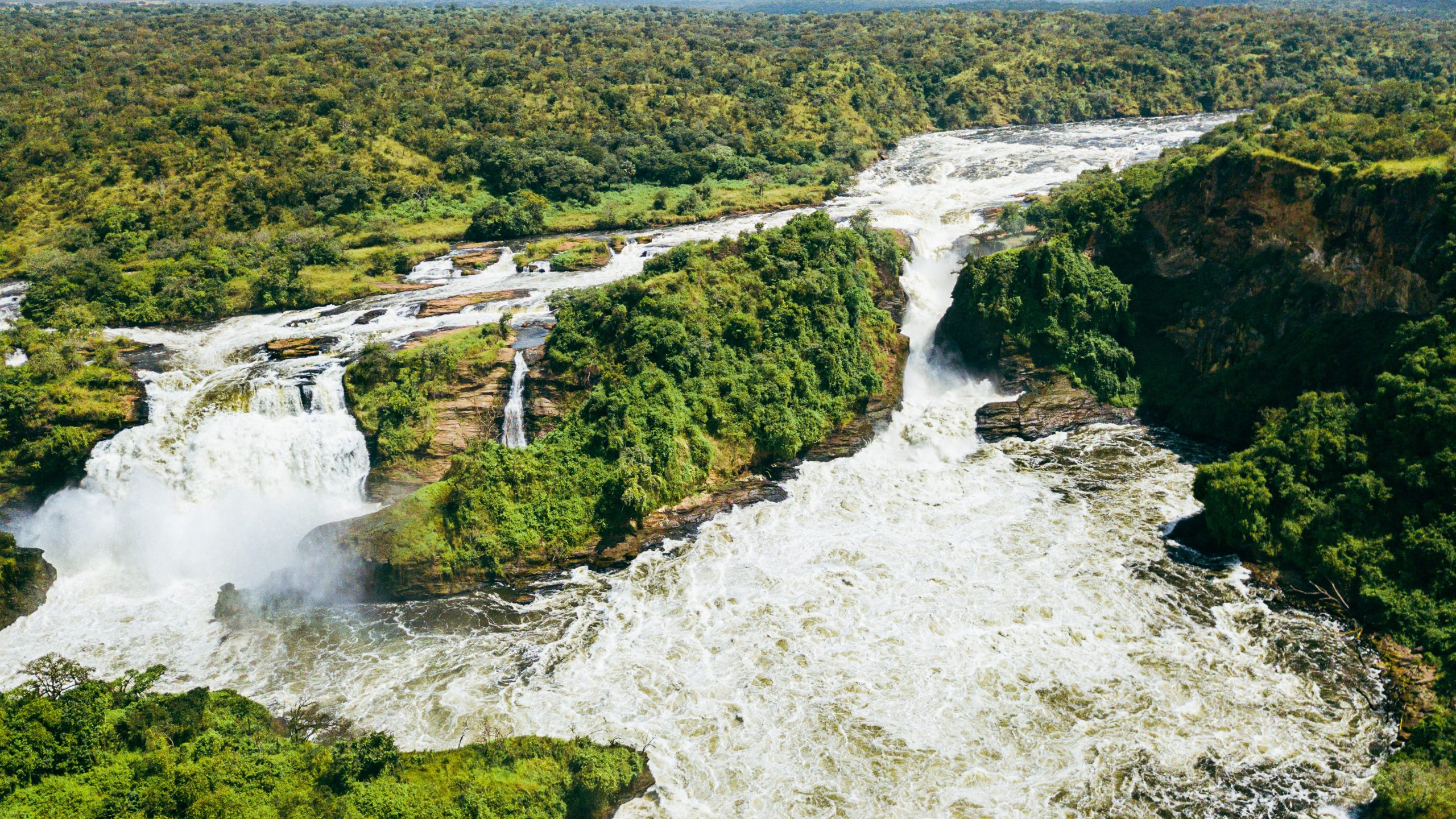
Visitors can enjoy panoramic views stretching across the Great Rift Valley
while learning about the area's geological history. The contrast between open
savannahs, crater lakes, forests, and mountain backdrops makes the scenery
exceptionally diverse. Queen Elizabeth National Park stands out not only as a
wildlife destination but also as a place of remarkable natural beauty where
landscapes contribute significantly to the overall safari experience.
9. Cultural
Experiences Around the Park
A visit to Queen
Elizabeth National Park can be enriched through cultural interactions with
local communities living around its boundaries. Community tourism initiatives
allow visitors to learn about traditional lifestyles, local crafts, music,
farming practices, and cultural heritage. Queen Elizabeth National Park is
surrounded by diverse ethnic groups whose traditions contribute to the region’s
unique identity. Popular cultural activities include visits to salt mining
communities near Lake Katwe, traditional dance performances, and guided village
walks. These experiences provide meaningful opportunities to support local
livelihoods while gaining deeper insight into the relationship between people
and conservation. Queen Elizabeth National Park demonstrates how wildlife
protection and community development can coexist, creating sustainable tourism
benefits for both local residents and visitors exploring western Uganda.
10. Best Time to
Visit Queen Elizabeth National Park
Queen Elizabeth National Park can be visited
throughout the year, but wildlife viewing is generally best during the dry
seasons from June to September and December to February. During these months,
vegetation is thinner and animals gather around water sources, making sightings
easier. Queen Elizabeth National Park also remains attractive during the wetter
months because birdlife is particularly abundant and landscapes become lush and
green. Travelers interested in photography often appreciate the vibrant scenery
created by seasonal rains. Road conditions are usually more favorable during
dry periods, enhancing accessibility to different sectors of the park. Queen
Elizabeth National Park offers year-round safari experiences, allowing visitors
to choose travel dates based on their interests, whether focused on wildlife,
birdwatching, photography, or broader Uganda safari itineraries.
11.
Accommodation Options
Queen Elizabeth National Park offers accommodation
choices suitable for a wide range of budgets and travel styles. Visitors can
select from luxury safari lodges, mid-range camps, and budget-friendly
accommodations located throughout the park. Many properties take advantage of
scenic locations overlooking the Kazinga Channel, savannah plains, or crater
lakes. Queen Elizabeth National Park is home to several renowned lodges that
provide comfortable rooms, guided safari activities, and excellent wildlife
viewing opportunities. Mid-range and budget facilities also offer quality
services while allowing travelers to experience the park affordably. Whether
planning a family vacation, honeymoon, photography expedition, or wildlife
safari, Queen Elizabeth National Park provides diverse accommodation options
that cater to different expectations. Choosing the right lodge can greatly
enhance the overall safari experience.
12. Why Visit
Queen Elizabeth National Park
Queen Elizabeth National Park represents one of
Africa’s most complete safari destinations. Few protected areas combine such a
rich diversity of wildlife, bird species, water-based activities, scenic
landscapes, and cultural experiences within a single location. Queen Elizabeth
National Park appeals to first-time visitors seeking classic game viewing as
well as experienced travelers looking for unique attractions such as
tree-climbing lions and exceptional birdlife. The park’s accessibility, varied
ecosystems, and strong conservation significance further enhance its appeal.
Visitors can enjoy game drives, boat cruises, birdwatching, nature walks,
crater lake tours, and cultural encounters during one trip. Queen Elizabeth
National Park showcases the extraordinary beauty of Uganda and continues to
create unforgettable memories for travelers from around the world, making it an
essential destination for any Uganda safari itinerary.