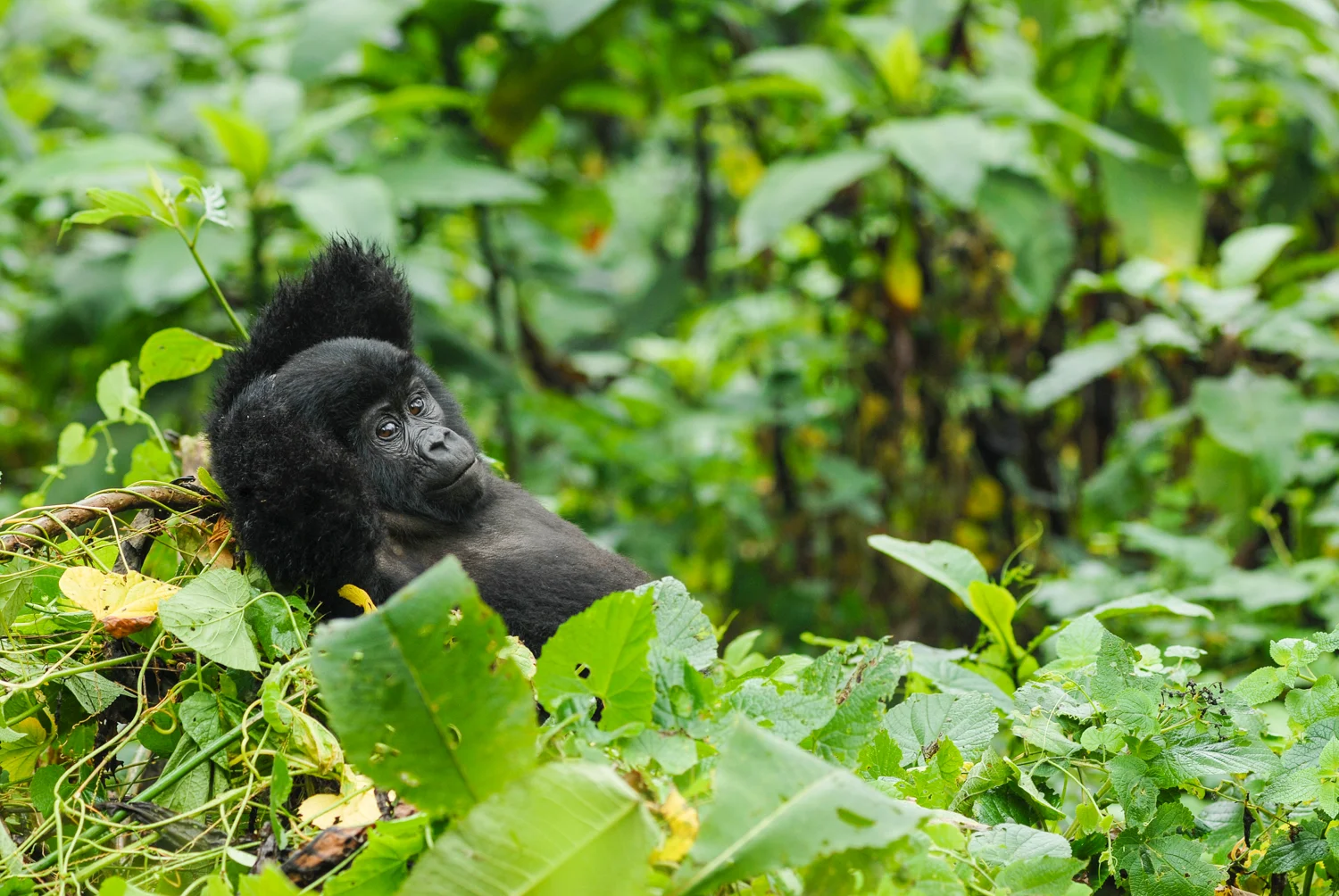

Gorilla trekking Uganda is one of Africa’s most
sought-after wildlife experiences, offering visitors a rare chance to observe
endangered mountain gorillas in their natural rainforest habitat. Uganda is
home to more than half of the world's remaining mountain gorilla population,
making it a leading destination for wildlife enthusiasts and
conservation-minded travelers. The activity takes place in protected forests
where trained guides and trackers lead visitors to habituated gorilla families.
Gorilla
trekking Uganda combines adventure, wildlife conservation, and cultural
interaction, creating a well-rounded safari experience. Unlike traditional game
drives, gorilla trekking involves walking through dense forests and steep
terrain in search of these remarkable primates. The reward is an unforgettable
hour spent observing gorillas as they feed, play, groom, and interact
naturally, offering a once-in-a-lifetime experience that leaves lasting
memories.
Why Uganda Is
the Best Destination for Gorilla Trekking
Uganda stands out as a preferred destination for gorilla
trekking because it offers excellent trekking opportunities at competitive
permit rates compared to neighboring countries. Gorilla trekking Uganda takes
place in two remarkable national parks that are rich in biodiversity and
natural beauty. Visitors can enjoy the opportunity to combine gorilla trekking
with traditional wildlife safaris, chimpanzee tracking, birdwatching, and
cultural encounters. The country also provides a wide range of accommodation
options suitable for budget, midrange, and luxury travelers. Accessibility has
improved significantly over recent years, making travel to gorilla trekking
regions easier than ever before. Gorilla trekking Uganda also contributes
directly to conservation efforts and community development programs, ensuring
that tourism supports both environmental protection and local livelihoods while
providing travelers with a meaningful and responsible safari experience.
Bwindi
Impenetrable National Park
Bwindi Impenetrable National Park is the most famous
destination for Gorilla trekking Uganda. Located in southwestern Uganda, the
park is recognized as a UNESCO World Heritage Site and protects one of Africa’s
oldest rainforests. Bwindi contains numerous habituated gorilla families
distributed across four trekking sectors: Buhoma, Ruhija, Rushaga, and
Nkuringo. Each sector offers unique landscapes and trekking experiences. The
dense rainforest is also home to various bird species, primates, butterflies,
and plant life, making every trek rewarding beyond the gorillas themselves.
Gorilla trekking Uganda in Bwindi can range from relatively easy walks to
challenging hikes depending on the gorillas’ movements. The park’s breathtaking
scenery and rich biodiversity enhance the entire journey, making it one of the
continent’s most important conservation areas and a highlight of any Uganda
safari itinerary.
Mgahinga Gorilla
National Park
Mgahinga
Gorilla National Park offers another excellent setting for Gorilla trekking
Uganda. Situated within the Virunga Conservation Area, the park is known for
its volcanic landscapes and beautiful mountain scenery. It is home to the
famous Nyakagezi gorilla family, which is available for trekking throughout the
year. Unlike Bwindi, Mgahinga generally receives fewer visitors, creating a
more intimate trekking experience. The park also offers additional activities
such as golden monkey tracking, volcano hiking, and cultural tours with the
Batwa community. Gorilla trekking Uganda in Mgahinga appeals to travelers
seeking quieter trails and spectacular photography opportunities. The
combination of bamboo forests, volcanic peaks, and rich wildlife creates a
unique environment that complements the gorilla trekking adventure and provides
visitors with an authentic and memorable wilderness experience.
Gorilla Permits
and Booking Process
Securing a permit is an essential part of planning Gorilla
trekking Uganda. Permits are issued by the Uganda Wildlife Authority and
authorize visitors to trek a specific habituated gorilla family on a designated
date. Since demand remains high throughout the year, it is advisable to book
permits several months in advance, especially during peak travel seasons. The
permit fee contributes directly to gorilla conservation, ranger patrols,
habitat protection, and community development projects. Many travelers choose
to arrange permits through reputable tour operators who coordinate
accommodation, transportation, and park logistics. Gorilla trekking Uganda
becomes easier and more organized when permits are secured early. This allows
visitors to focus on preparing for their trip while ensuring access to their
preferred trekking sector and travel dates without unnecessary stress or
disappointment.
Physical Fitness
and Trek Preparation
A reasonable level of fitness is beneficial for
anyone planning Gorilla
trekking Uganda. The trekking experience may involve hiking through thick
vegetation, muddy trails, steep inclines, and uneven terrain. The duration can
vary from one to several hours depending on the gorillas’ location on the day
of the trek. Preparing through regular walking, hiking, jogging, or other
physical activities before traveling can improve comfort and endurance.
Visitors should also maintain proper hydration and carry light snacks for
energy. Gorilla trekking Uganda does not require advanced athletic ability, but
physical preparation enhances the overall experience. Experienced guides and
trackers set a manageable pace, while porters are available to assist with
carrying bags and offering support. These services help trekkers enjoy the
journey while focusing on the excitement of finding mountain gorillas.
What to Pack for
Gorilla Trekking
Proper packing contributes significantly to the
success of Gorilla trekking Uganda. Essential items include waterproof hiking
boots, long trousers, long-sleeved shirts, gardening gloves, and a waterproof
rain jacket. The rainforest environment can be wet and slippery even during dry
seasons, making suitable footwear especially important. Visitors should also
carry insect repellent, sunscreen, drinking water, energy snacks, and a camera
for photography. A small backpack is ideal for carrying personal items during
the trek. Gorilla trekking Uganda takes place in dense forests where weather
conditions can change quickly, making preparation essential. Neutral-colored
clothing is generally recommended because it blends with the natural
environment and provides comfort during hikes. Proper gear enhances safety,
convenience, and enjoyment throughout the trekking experience, regardless of
weather conditions.
The Gorilla
Trekking Experience
The day of Gorilla
trekking Uganda begins with an early morning briefing at the park
headquarters. Rangers provide information about trekking regulations, safety
guidelines, and gorilla behavior before assigning visitors to specific gorilla
families. Each group is accompanied by expert guides and trackers who use their
knowledge and tracking skills to locate the gorillas. The trek itself can be
both challenging and rewarding as visitors travel through beautiful rainforest
landscapes. Once the gorillas are located, trekkers spend one hour observing
them in their natural environment. Gorilla trekking Uganda offers extraordinary
opportunities to witness social interactions, feeding habits, caregiving, and
playful behavior among family members. Watching a silverback protect his family
or young gorillas playing nearby creates unforgettable moments that few
wildlife experiences can match.
Gorilla Trekking
Rules and Responsible Tourism
Responsible tourism is fundamental to Gorilla
trekking Uganda. Visitors must follow strict guidelines designed to protect
the health and safety of both humans and gorillas. Trekkers are required to
maintain a safe distance, avoid touching the gorillas, and keep noise levels
low during observations. Flash photography is prohibited because it can disturb
the animals. Individuals with contagious illnesses are not allowed to
participate due to the risk of disease transmission. Gorilla trekking Uganda
operates under carefully managed conservation policies that have helped protect
the endangered mountain gorilla population. Guides closely monitor visitor
behavior to ensure compliance with park regulations. By following these rules,
travelers contribute to conservation efforts while ensuring that future
generations can continue to enjoy this remarkable wildlife experience.
Conservation
Impact and Community Benefits
One of the greatest strengths of Gorilla trekking
Uganda is its positive impact on conservation and local communities. Revenue
generated from gorilla permits supports wildlife protection, anti-poaching
initiatives, habitat preservation, research, and ranger operations. A portion
of tourism income is also directed toward nearby communities through schools, health
centers, infrastructure development, and employment opportunities. Gorilla
trekking Uganda has become a model of sustainable tourism by demonstrating how
wildlife conservation can create economic benefits for local residents. This
strong link between tourism and conservation encourages communities to protect
gorilla habitats rather than exploit them. For travelers, the experience offers
more than wildlife viewing; it provides the satisfaction of knowing their visit
contributes directly to the survival of mountain gorillas and the well-being of
people living alongside these extraordinary animals.