
Bush camping in Uganda offers a more adventurous way
to experience the country’s savannah parks. Instead of staying in a traditional
lodge, travelers spend the night closer to nature, surrounded by the sounds and
atmosphere of the African wilderness. From the calls of nocturnal animals to
the sight of stars stretching across the night sky, bush camping adds a sense
of adventure to a Uganda safari. Uganda has several savannah destinations where
camping fits naturally into the safari experience. Murchison Falls, Queen
Elizabeth, Kidepo Valley, Lake Mburo and Pian Upe are among the places where
travelers can enjoy different forms of camping while exploring wildlife and landscapes.
What Is Bush
Camping?
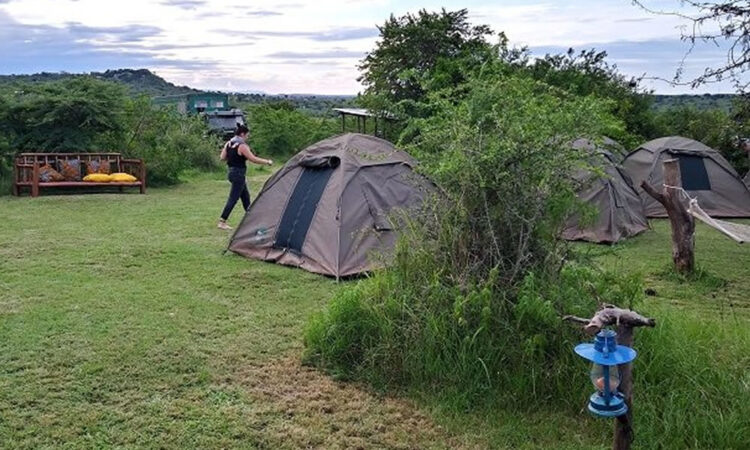
Bush camping involves spending the night in a tented
camp or designated campsite within or close to a wildlife area. Depending on
the campsite and safari package, accommodation may range from a simple dome
tent with a sleeping bag to a more comfortable safari tent with a proper bed,
private bathroom and other facilities.
The experience is different from staying in a lodge
because the natural surroundings become part of your accommodation. You may
hear hippos calling in the distance, birds moving through nearby vegetation and
other wildlife passing through the area. Camping therefore gives travelers a
closer connection with the wilderness while still providing the basic
facilities needed for a comfortable night.
Why Choose Bush Camping
on a Uganda Safari?
One of the biggest attractions of bush camping is
the opportunity to experience Uganda’s wilderness from a different perspective.
During the day, you explore the savannah on game drives, but at night the
environment changes completely. The sounds of the bush become more noticeable
and the absence of city lights creates excellent conditions for enjoying the
night sky.
Bush camping also suits travelers who want an
adventurous safari without necessarily choosing expensive luxury accommodation.
Basic campsites can provide a more affordable accommodation option while
private or upgraded tented camps offer greater comfort for travelers who want a
balance between adventure and convenience. Another advantage is the atmosphere.
Sitting around a campfire after a game drive, enjoying dinner in the wilderness
and sharing stories with fellow travelers creates a traditional safari feeling
that is difficult to reproduce in a standard hotel.
Best Savannah
Parks for Bush Camping in Uganda
Murchison Falls
National Park
Murchison Falls National Park is one of Uganda’s
best destinations for a classic savannah camping experience. The park has
extensive grasslands, woodland and the Victoria Nile, creating a diverse
environment for wildlife viewing. A camping safari here can be combined with
game drives to search for elephants, giraffes, buffaloes, lions, leopards and
several antelope species. Visitors can also take a boat trip along the Nile to
see hippos, crocodiles and other wildlife along the riverbanks. Spending the
night in a tent after exploring the park during the day adds another dimension
to the experience. As darkness falls, the sounds of the wilderness replace the
activity of the daytime safari.
Queen Elizabeth
National Park
Queen Elizabeth National Park is another excellent
destination for travelers interested in camping. The park combines open
savannah with forests, wetlands, crater lakes and the Kazinga Channel. A bush
camping safari can include game drives in areas such as the Kasenyi Plains,
where visitors have opportunities to see lions, elephants, buffaloes, Uganda
kob and other wildlife. A boat cruise along the Kazinga Channel adds another
memorable activity to the trip. Camping around Queen Elizabeth gives visitors
an opportunity to enjoy the peaceful surroundings after a day of wildlife
viewing. The sounds of birds and distant animals provide a natural soundtrack
to the evening.
Kidepo Valley
National Park
For travelers looking for a more remote camping
experience, Kidepo Valley National Park stands out. Located in northeastern
Uganda, Kidepo is known for its rugged mountains, wide valleys and relatively
remote setting. The park supports wildlife that is less commonly seen in other
parts of Uganda, including cheetahs, ostriches, bat-eared foxes, greater and
lesser kudu and several other species. Lions, elephants, buffaloes and giraffes
are also found here. Camping in Kidepo allows travelers to experience the
wilderness in a particularly peaceful setting. The park's distance from major
urban centers means there are fewer signs of modern development, making it well
suited to travelers who want a genuine wilderness adventure.
Lake Mburo
National Park
Lake Mburo National Park is one of the most
accessible savannah parks for a camping safari from Kampala. It’s rolling
hills, open grasslands, wetlands and acacia woodland create a scenic setting
for outdoor adventures. The park is home to zebras, impalas, elands, buffaloes,
giraffes and other wildlife. It is particularly suitable for travelers who want
to combine a game drive with walking or cycling experiences. Camping in Lake
Mburo can give visitors a relaxed introduction to sleeping in the African bush
without traveling as far as some of Uganda's more remote parks.
Pian Upe
Wildlife Reserve
Pian Upe Wildlife Reserve offers a less-visited
alternative for travelers seeking a quiet wilderness experience. The reserve
features open plains, rocky outcrops, grasslands and distinctive landscapes in
northeastern Uganda. Camping here is particularly appealing to adventurous
travelers who want to spend time away from the busier safari routes. Wildlife
encounters and the peaceful surroundings are the main attractions, while the
open landscape provides an excellent setting for enjoying the evening and night
sky.
What Is a Bush
Camping Experience Like?
A typical bush camping experience starts with a day
of safari activities. After an early breakfast, travelers head out for a game
drive to explore the park and look for wildlife. Depending on the itinerary,
the day may include another activity such as a boat cruise, nature walk or
cultural experience. In the evening, travelers return to camp as the sun begins
to set. Dinner may be prepared at the campsite and some camps organize a
campfire where guests can relax and enjoy the evening. Once the surroundings
become dark, the experience changes. The calls of nocturnal animals, insects
and distant wildlife become part of the atmosphere. On clear nights, the
absence of bright city lights also provides an opportunity to enjoy the stars.
What to Pack for
Bush Camping
Packing appropriately makes a camping safari much
more comfortable. Lightweight, breathable clothing is useful during the day,
while a warm layer is important for cooler evenings and early mornings. Travelers
should also carry comfortable walking shoes, a hat, sunglasses, sunscreen,
insect repellent, a reusable water bottle, a flashlight or headlamp and
personal toiletries. Binoculars and a camera are useful for wildlife viewing
and photography. It is important to pack light because safari vehicles have
limited luggage space, particularly when traveling between several
destinations.
Is Bush Camping
Safe?
Bush camping is generally safe when travelers use
established campsites and follow the instructions of their guides and camp
staff. Wildlife parks are wild environments, so visitors should never walk away
from the campsite alone or approach animals. At night, travelers should remain
within designated areas and follow camp rules. Food should be stored properly,
and visitors should listen carefully to their guide's instructions, especially
in camps located close to wildlife areas. The presence of trained guides and
camp staff makes the experience much safer while allowing visitors to enjoy the
wilderness responsibly.
Best Time for
Bush Camping in Uganda
The drier periods are generally popular for camping
because roads are easier to navigate and wildlife is often easier to spot
around water sources. Uganda's savannah parks remain open throughout the year,
however and the wetter months bring greener landscapes, fewer travelers and
excellent opportunities for bird watching and photography. The best time
therefore depends on the type of safari experience you want. Travelers focused
mainly on wildlife viewing may prefer the drier months, while those interested
in lush scenery, birds and fewer crowds may enjoy the wetter periods.
Bush camping is a great way to experience Uganda's
savannah parks beyond the usual lodge-based safari. From the open plains of
Murchison Falls and Queen Elizabeth to the remote wilderness of Kidepo Valley,
camping allows travelers to experience the landscape during both day and night.
For visitors who enjoy adventure, nature and simple outdoor experiences,
spending a night under canvas adds something special to a Uganda safari. With
the right campsite, experienced guides and proper preparation, bush camping
offers an exciting opportunity to experience Uganda's wildlife and wilderness
in a more personal way.