
Uganda safaris deliver a rich mix of wildlife,
adventure, and cultural experiences, making them one of Africa’s most diverse
travel offerings. The core highlights include gorilla
trekking in Bwindi, where permits cost $800 and encounters feel intimate
and powerful, and chimpanzee trekking in Kibale, offering energetic primate
viewing at $200–$250. Classic savannah game drives in Queen Elizabeth reveal
elephants, lions, and hippos, while boat safaris on the Nile showcase
crocodiles and the dramatic falls. Adventurers enjoy white water rafting in
Jinja, while bird watchers flock to Semuliki National Park. The gorilla
habituation experience offers extended time with gorillas, and Lake Bunyonyi
provides serene island visits. Together, these ten experiences balance
adventure, relaxation, and wildlife immersion, making Uganda a premier safari
destination.
Gorilla Trekking
in Bwindi Impenetrable Forest
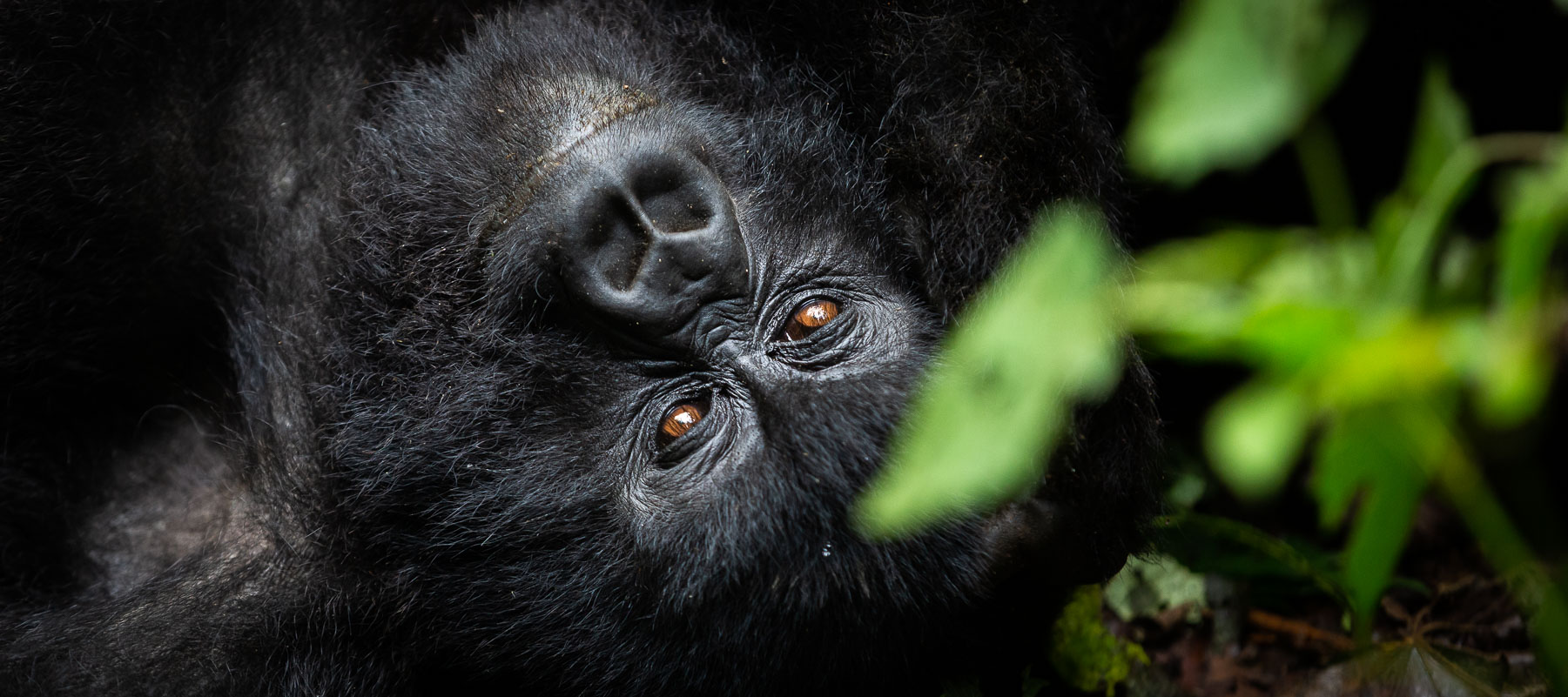
Gorilla trekking in Bwindi is the main reason most
travelers come to Uganda. You hike through steep, thick forest with a ranger
who tracks a specific gorilla family. The trek can take two to six hours
depending on where the gorillas slept. Once you find them, you get one hour to
watch them eat, play, and rest. You stand just meters away from these large
animals, seeing their facial expressions and hearing their grunts. The
silverback leads the group and keeps watch over the females and babies. This
experience requires an $800 permit, which is cheaper than Rwanda's $1,500. You
need good fitness because the terrain is rough and muddy. The activity runs
year-round, but dry months make the trails easier. Bwindi has over half of the
world's remaining mountain gorillas, so your chances of seeing them are high.
Chimpanzee
Trekking in Kibale Forest National Park
Kibale Forest holds Uganda's best
chimpanzee trekking with over 1,500 chimps living in the park. You walk
through the forest with a ranger who listens for chimp calls to locate the
troop. The trek takes two to four hours, and you spend one hour watching the
chimps. These animals move fast through the trees, swing between branches, and
communicate with loud hoots. You see their social behavior, grooming, and feeding
habits up close. The permit costs $200 to $250, which is lower than gorilla
permits. Sightings are reliable because the chimps are habituated and stay
within a known home range. You can also do a chimp habituation experience for
$300, where you spend a full day with the chimps. This activity suits travelers
who want primate viewing without the high cost of gorilla trekking. Kibale is
easy to reach from Kampala by road.
Game Drives in
Queen Elizabeth National Park
Queen
Elizabeth National Park gives you classic savannah game drives with a good
variety of animals. You drive through open grasslands and along the Kazinga
Channel in a 4x4 vehicle, spotting elephants, buffalo, lions, hippos, and
antelopes. The park has tree-climbing lions in the Ishasha sector, which is a
rare sight. Morning and afternoon drives work best because animals are active
during cooler hours. The park entry fee is $40 per day, and you can hire a
guide or drive yourself. A boat safari on the Kazinga Channel adds value,
getting you close to hippos, crocodiles, and waterbirds. The park is about six
hours from Kampala, so plan for a full day of travel. This experience gives you
the classic African safari feel without visiting Kenya or Tanzania. Queen
Elizabeth works well for families because the roads are good and lodges offer
child-friendly services.
Boat Safari on
the Nile in Murchison Falls National Park
The boat safari on the Nile River in Murchison Falls
National Park is a top experience for wildlife viewing. You take a two- to
three-hour cruise upstream to the base of the falls, seeing hippos, crocodiles,
elephants, and buffalo along the riverbanks. The boat gets close to the
animals, giving you excellent photo chances. You also see the falls up close,
where the Nile forces through a narrow gorge and drops 43 meters. The spray and
noise are impressive, and you can hike to the top of the falls after the
cruise. The park entry fee is $45 per day, and the boat ride costs an extra $30
to $40 per person. This activity is easy and suits all ages and fitness levels.
It provides a break from driving and gives you a different view of the park's
wildlife.
White Water
Rafting on the Nile in Jinja
White water rafting on the Nile River in Jinja
offers an active, adrenaline-filled experience for adventurous travelers. The
rapids range from Grade 3 to Grade 5, providing a challenging ride through
powerful waves and whirlpools. You spend three to four hours on the river, with
safety kayakers following the rafts. The activity is well-organized, with trained
guides and proper safety equipment. No previous rafting experience is needed,
but you should be a good swimmer and comfortable in fast-moving water. The cost
ranges from $100 to $150 per person, including equipment, lunch, and transport
from Jinja town. This experience is best during the dry season when water
levels are lower and rapids are more technical. Jinja is about two hours from
Kampala, making it an easy day trip. This activity offers a complete contrast
to wildlife viewing and appeals to younger travelers and groups.
Gorilla
Habituation Experience in Bwindi or Mgahinga
The gorilla habituation experience gives you four
hours with a
gorilla family that is still getting used to human presence. This costs
$1,500 per person, nearly double the standard trekking permit, but you get much
more time with the gorillas. You join researchers and rangers who track the
gorillas from early morning until midday, observing their behavior and helping
them accept human observers. You see how gorillas eat, rest, play, and interact
over a longer period, giving you a deeper understanding of their social
structure. This experience is limited to small groups of four people, so you
have more space and less crowding. Habituation happens in specific sectors of
Bwindi and Mgahinga, with fewer permits available than standard trekking. You
need to book this six to twelve months ahead. The physical demands are similar
to standard trekking, with steep, muddy terrain. This suits travelers who want
more than a quick visit.
Bird Watching in
Semuliki National Park
Semuliki National Park is one of Uganda's best
birding destinations with over 400 recorded species. The park sits in the
Albertine Rift and shares species with the Congo Basin forests, making it
unique in East Africa. You walk along forest trails with a guide who knows bird
calls and nesting spots. You see species like the shoebill stork, Nkulengu
rail, and black-wattled hornbill, which are hard to find elsewhere. The park
also has the rare Congo serpent eagle and long-tailed hawk. Birding works best
during the dry seasons from June to September and December to February when
birds are active. You can do full-day walks or half-day forest hikes. The park
entry fee is $40 per day, and guides cost extra. Semuliki is remote, so plan
for a long drive from Kampala. This experience appeals to dedicated bird
watchers who want to add rare species to their lists.
Lake Bunyonyi
Boat Rides and Island Visits
Lake Bunyonyi offers a calm, scenic break from
wildlife viewing with its clear waters and 29 islands. You take a boat ride
across the lake, visiting islands like Punishment Island and Bushara Island.
The lake has no hippos or crocodiles, so swimming is safe. You can also paddle
a dugout canoe or kayak along the shoreline, watching birds like herons,
kingfishers, and cormorants. The lake sits near Bwindi, so many travelers add
it as a rest day after gorilla trekking. Accommodation ranges from budget
campsites to mid-range lodges with lake views. A boat ride costs around $30 to
$50 per person, depending on the duration. You can also hike around the hills
for wider views of the lake and surrounding farmland. This experience gives you
a slow-paced day to relax and recover from trekking, making it good for
families and older travelers.
Cultural Visits
to Local Communities
Cultural visits in Uganda connect you with local
communities near the national parks. You visit villages, meet elders, and learn
about traditional customs, dances, and crafts. The Batwa people near Bwindi
offer a unique experience where former forest dwellers share their hunting and
gathering skills. You see how they built shelters, made fire, and used forest
plants for medicine. These visits cost $20 to $50 per person, with money going
directly to community projects. You can also visit coffee plantations near
Kibale, picking and roasting your own beans. Cultural tours operate year-round,
independent of weather. They provide a break from wildlife viewing and add
depth to your safari. The experiences are genuine and not overly commercial.
This works well for travelers who want to understand local life, especially
those with children who can participate in activities like drumming and
dancing.
Hiking to the
Top of Murchison Falls
Hiking to the top of Murchison
Falls gives you a close view of the Nile forcing through a 7-meter gap. You
start the hike from the bottom of the falls, walking up the steep slope
alongside the rushing water. The hike takes about one hour each way, with good
paths and resting points. You feel the spray and hear the roar as the water
drops 43 meters into the gorge below. The view from the top looks over the
river and across the park, making it a good photo spot. You do not need special
fitness, but steady walking shoes help. The hike costs $15 to $20 extra on top
of the park entry fee. You can do it before or after the boat safari. This
activity suits all ages and gives you a different perspective of the park. It
is a short, rewarding hike that adds variety to your game drives.
Best time to
experience the cores of Rwanda safari
The best time to experience the core activities of a
Rwanda safari is during the dry seasons, which run from June to September and December
to February. During these months, the trails in Volcanoes National Park for
gorilla trekking and golden monkey tracking are drier and easier to walk, with
less mud and slippery surfaces. The vegetation is also less dense, giving you
clearer views of the primates. In Akagera National Park, animals gather around
water sources, making game drives more productive for spotting the Big Five.
Nyungwe Forest's canopy walk and chimp trekking are also more comfortable
during dry weather. However, these are peak seasons, so you must book permits
and lodges well in advance because availability is limited. The rainy seasons
from March to May and October to November make trekking harder with muddy
trails, but offer lower prices, fewer crowds, and better bird watching, making
them a good choice for budget travelers and birders.
How to get there
for Uganda safari
The most common way to start a Uganda safari is by
flying into Entebbe International Airport (EBB), which is the country’s
main international gateway and is located about an hour's drive from the
capital, Kampala . From there, you can take a road transfer (often
included in your safari package) to the national parks, with drives to places
like Queen Elizabeth National Park taking around 6-7 hours . A popular
alternative is to fly into Kigali International Airport (KGL) in Rwanda,
as it often has better flight connections and is actually closer to Bwindi
Impenetrable Forest for gorilla trekking; the drive from Kigali takes about 4-5
hours via the Cyanika border crossing . For reaching more remote parks,
you can also take domestic flights from Entebbe or nearby airstrips to save
time . Your tour operator will usually arrange all transport, whether by
road or air, to make getting there straightforward.