
Rwanda safaris deliver unforgettable wildlife
experiences across diverse landscapes, with five core highlights drawing
travelers worldwide. Gorilla
trekking in Volcanoes National Park is the centerpiece, offering close
contact with habituated gorilla families. Chimpanzee trekking in Nyungwe Forest
provides a fast-paced, energetic primate experience, while golden monkey
tracking adds a lighter, playful option in bamboo forests. For classic savannah
wildlife, Akagera National Park hosts Big Five game drives and boat safaris on
Lake Ihema. Finally, the Nyungwe canopy walk offers a unique bird’s-eye view of
the rainforest. The best time to enjoy these activities is during the dry
seasons from June to September and December to February, when trekking
conditions are easier and wildlife sightings more reliable. Together, these
highlights showcase Rwanda’s rich biodiversity and safari variety.
Gorilla Trekking
in Volcanoes National Park
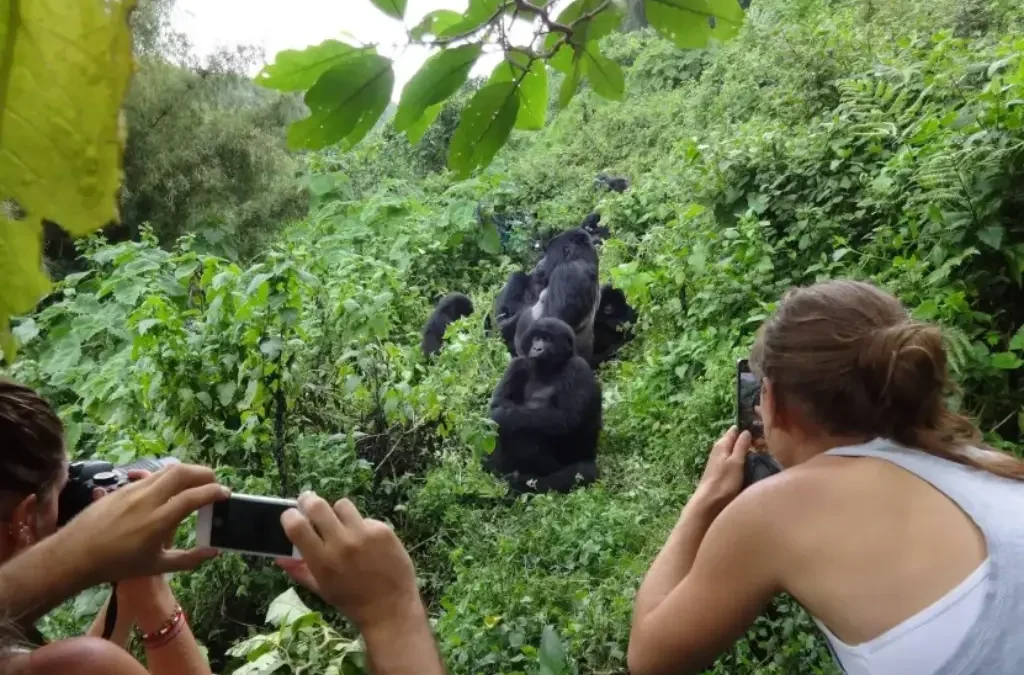
Gorilla trekking is the number one reason people
visit Rwanda, and it delivers a powerful wildlife experience. You hike through
the bamboo forests on the slopes of the Virunga
Mountains, following trackers who find the gorilla family early in the
morning. Once you locate them, you spend one hour watching these giant primates
eat, play, and rest just meters away. The experience feels personal and direct
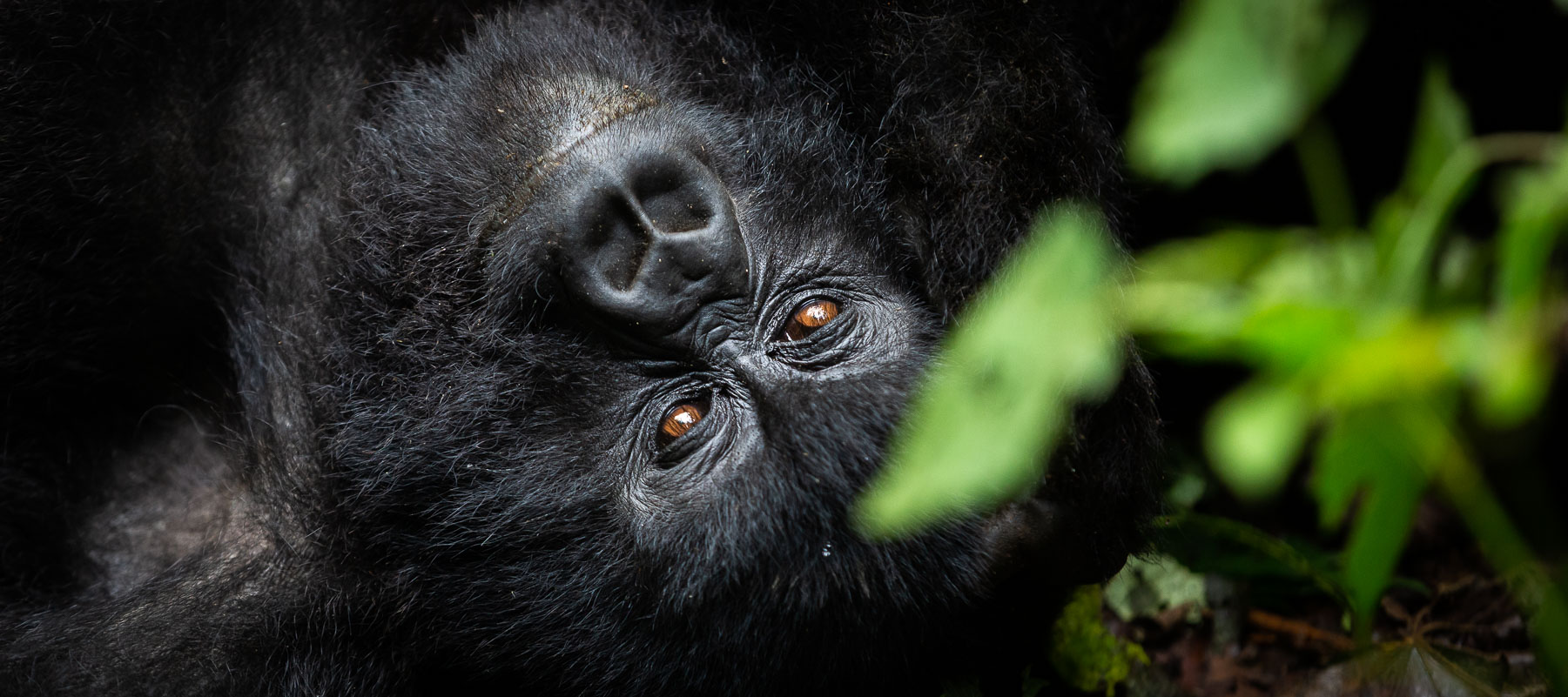
because the gorillas are habituated to human presence. You see their facial
expressions, hear their grunts, and watch the silverback protect his group. The
trek can take anywhere from one to six hours depending on where the gorillas
moved overnight. The physical effort is worth it because no other wildlife
encounter feels this close and real. This activity requires a $1,500 permit and
good physical fitness, but travelers agree it is the highlight of their entire
trip.
Chimpanzee
Trekking in Nyungwe Forest
Nyungwe Forest National Park offers excellent chimpanzee
trekking, giving you a completely different primate experience. Chimps move
fast through the trees, swinging between branches and calling to each other
with loud hoots. You walk through the dense forest with a ranger who tracks
their movements by listening to their calls. Once you find them, you watch their
social interactions, grooming sessions, and playful behavior among the troop.
The trek takes two to four hours, and sightings are reliable because Nyungwe
has over 500 chimps. The permit costs between $90 and $150, making it much more
affordable than gorilla trekking. This activity suits travelers who want
primate viewing without paying the high gorilla permit price. You also get to
explore one of Africa's oldest forests, with its rich birdlife and diverse
plant species along the trails.
Big Five Game Drives
in Akagera National Park
Akagera National Park gives Rwanda its only savannah
safari experience with the Big Five animals. You drive through open plains,
woodlands, and wetlands in a 4x4 vehicle, spotting elephants, buffalo, lions,
leopards, and rhinos. The park also has giraffes, zebras, hippos, and
crocodiles around Lake Ihema. A boat safari on the lake gets you close to
hippos and water birds like the shoebill stork. The park has improved
significantly with recent lion and rhino reintroductions, making it a complete
safari destination. Game drives happen in the early morning and late afternoon
when animals are most active. The entry fee is about $100 per day, and you can
do self-drive or hire a guide. This experience provides a contrast to the forest
treks and shows Rwanda's diverse landscapes within a few hours' drive from
Kigali.
Golden Monkey
Tracking in Volcanoes National Park
Golden monkey tracking offers a lighter, more active
primate experience in the same park as gorilla trekking. These bright orange
monkeys live in bamboo forests at lower altitudes, so the walking is easier and
less tiring than gorilla treks. You follow a ranger through the bamboo
thickets, watching the monkeys leap between stalks and feed on leaves and
shoots. They are playful and energetic, often putting on a show as they chase
each other. Your group stays with them for one hour, and you get excellent
photo opportunities because they move in open areas. The permit costs $100, and
you can book it just a few days in advance. This activity works well as a
rest-day option between gorilla treks or as a warm-up activity. Many travelers
add it to their itinerary because it requires less physical effort.
Canopy Walk in
Nyungwe Forest
The canopy walk in Nyungwe
Forest gives you a bird's-eye view of the rainforest from 50 to 70 meters
above the ground. The suspended bridge stretches 160 meters across the forest,
offering panoramic views of the treetops and the monkeys moving below. You walk
with a ranger who points out bird species, including turacos and hornbills, and
explains the forest's ecology. The experience is safe and accessible to anyone
comfortable with heights. The whole activity takes about two hours, including a
short hike to reach the bridge. The cost is $60 to $70, which covers your
ranger guide and safety equipment. This is a unique activity not found in many
African parks and provides a different perspective on the forest. It works well
as a complement to chimp trekking or as a standalone experience.
Best time to
experience the core experiences of Rwanda safari
The best time to experience the core Rwanda safari
highlights gorilla trekking, chimpanzee tracking, golden monkey viewing, and
game drives in Akagera is during the dry seasons from June to September and December
to February. These months bring clearer skies, firmer trails, and easier
trekking conditions, making gorilla and chimp encounters more comfortable and
reliable. Wildlife in Akagera gathers around water sources, improving game
viewing, while birdwatching in Nyungwe peaks with migratory species. Although
these seasons are busier and require advance permit and lodge bookings, they
provide the most rewarding safari experiences. Travelers seeking fewer crowds
may consider the shoulder months of March, October, and November, when rain is
lighter but sightings remain strong.
How to get there
for Rwanda safaris
Travelers reach Rwanda safaris by flying into Kigali
International Airport, the country’s main gateway, which connects to major hubs
in Africa and Europe. From Kigali, most safari destinations are accessible by
road: Volcanoes National Park is about a 2.5‑hour drive for gorilla and golden
monkey trekking, Akagera National Park lies roughly 2.5 hours east for savannah
wildlife, and Nyungwe Forest requires a longer 5–6‑hour journey for chimpanzee
trekking and canopy walks. Tour operators typically arrange private 4x4
vehicles or group transfers, ensuring smooth connections between parks. Charter
flights are available for those short on time, but road transfers remain the
most popular choice, offering flexibility and affordability while allowing
scenic stops along the way.
What are the top
Requirements for Rwanda safari
For a Rwanda safari, travelers must meet several key
requirements to ensure smooth entry and participation in activities. A valid passport
with at least six months’ validity is essential, along with a visa for most
international visitors, which can be obtained online or on arrival. The
mandatory gorilla trekking permit at $1,500 must be booked months in advance,
while additional permits for chimpanzee trekking, golden monkey tracking, or
canopy walks should also be secured early. Proof of yellow fever vaccination is
required at entry, and travelers are advised to carry malaria prophylaxis. Good
physical fitness is necessary for trekking through steep, muddy terrain, and
sturdy hiking boots, rain gear, and layered clothing are strongly recommended.
Reliable travel insurance covering medical evacuation is also a top requirement