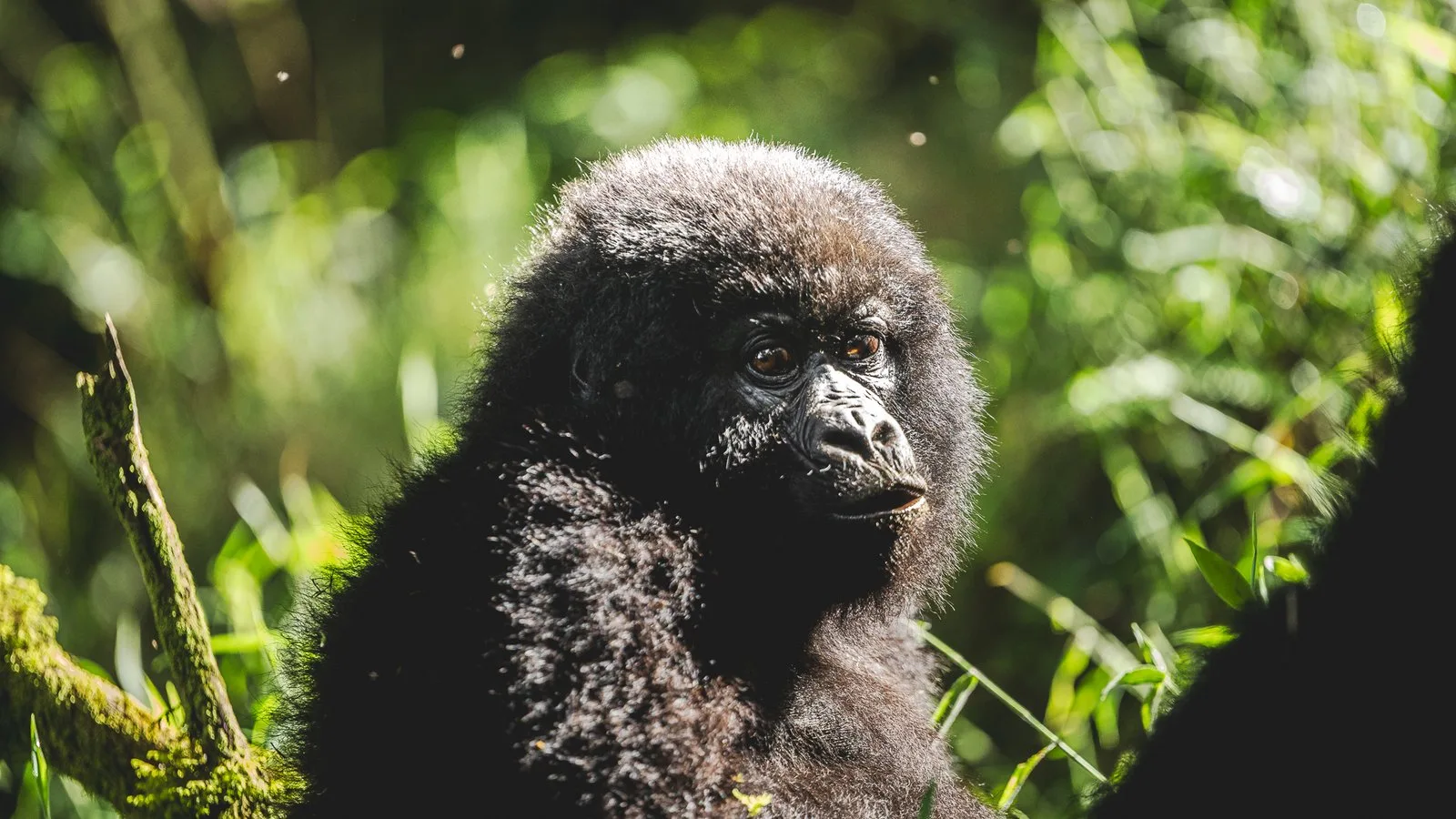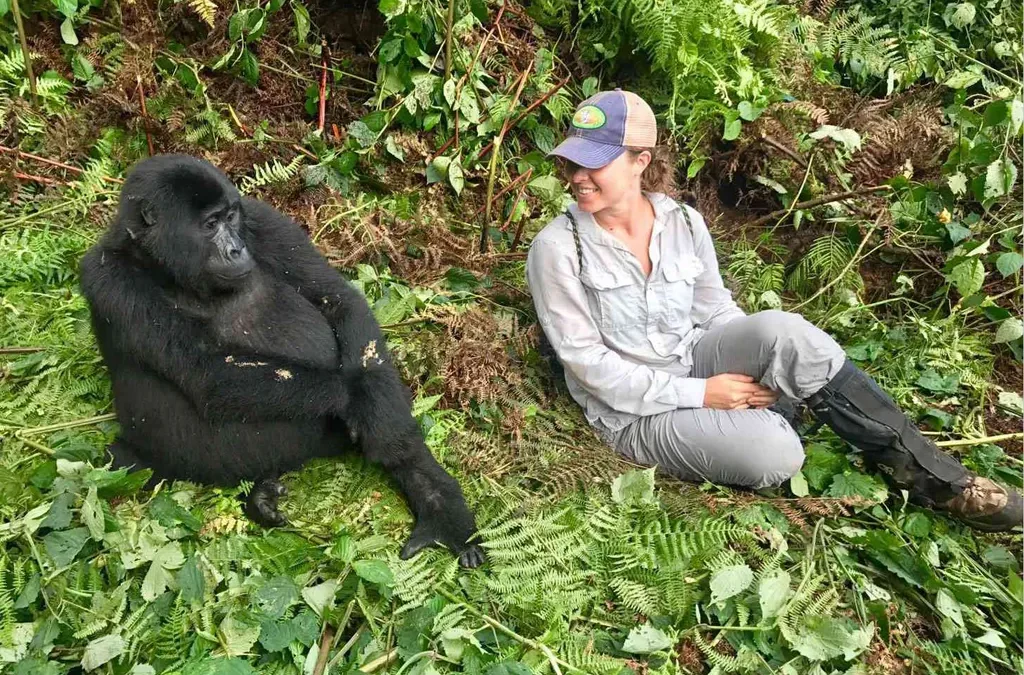

A gorilla
trekking day in Uganda is a carefully organized wildlife experience that
gives visitors the rare opportunity to observe mountain gorillas in their
natural forest habitat. The day begins with an early morning transfer to the
park headquarters, followed by permit verification, a ranger briefing, and
group allocation based on fitness levels and gorilla family locations. Visitors
then hike through the forest under the guidance of experienced rangers who work
closely with trackers monitoring the gorillas' movements. Once the gorillas are
located, trekkers spend one hour observing their behavior, social interactions,
and daily activities. The experience concludes with a return trek to the park
headquarters and the award of a gorilla trekking certificate. This well-managed
process supports conservation while providing one of Africa's most rewarding
wildlife experiences.
1. Early Morning
Preparation and Transfer to the Park Headquarters
A gorilla trekking day in Uganda starts very early,
usually before sunrise. Visitors wake up at their lodge, have breakfast, and
prepare their trekking
gear before heading to the park headquarters. Important items include
hiking boots, long trousers, rain jackets, drinking water, gloves, and insect
repellent. Arriving early is important because registration and briefing
activities take place before trekking begins. Travelers are advised to carry a
packed lunch since the duration of the trek can vary significantly. The morning
atmosphere is often exciting as visitors anticipate seeing mountain gorillas in
their natural habitat. Guides and lodge staff usually help ensure everyone is
prepared before departure. This early start allows park authorities to organize
trekking groups and begin activities efficiently.
2. Registration
and Verification of Permits
Upon arrival at the park headquarters, all visitors
present their gorilla trekking permits and passports for verification. The
registration process allows Uganda Wildlife Authority staff to confirm
participants and allocate them to specific gorilla families. Since each gorilla
group can only be visited by a limited number of tourists daily, proper
registration is essential for conservation and organization. During this time,
visitors may also interact with fellow trekkers from different countries while
waiting for the briefing session. Rangers review participant details and ensure
everyone is assigned correctly. The registration process is generally
straightforward but plays a crucial role in managing visitor numbers. Proper
permit verification also helps protect mountain gorillas from excessive human
disturbance throughout the year.
3. Pre-Trek
Briefing by Park Rangers
Before entering the forest, visitors attend a
detailed briefing conducted by experienced park rangers. During the session,
participants learn about gorilla behavior, trekking rules, safety procedures,
and conservation efforts. Rangers explain how to behave when approaching
gorillas and emphasize maintaining a respectful distance. Visitors are advised
not to make sudden movements, loud noises, or direct challenges toward the
animals. The briefing also covers forest conditions and expected trekking
difficulties. Participants receive information about the assigned gorilla
family and the approximate location where trackers last observed them. This
educational session helps visitors understand what to expect during the day
while ensuring the safety of both humans and gorillas. The briefing is an
important part of the overall experience.
4. Group
Allocation and Ranger Assignment
After the briefing, visitors are divided into small
groups and assigned to specific habituated gorilla families. Group assignments
often consider factors such as age, physical fitness, and trekking ability.
Some gorilla families are located closer to the starting point while others may
require longer hikes through challenging terrain. Each group is accompanied by
trained ranger guides who lead the trek and provide information throughout the
experience. Rangers communicate with trackers who begin searching for gorillas
early in the morning before tourists enter the forest. This organized system
helps improve the chances of locating gorillas efficiently. Smaller group sizes
also reduce pressure on the animals and support responsible tourism practices
within Uganda's protected mountain gorilla habitats.
5. Entering the
Forest and Beginning the Trek
Once groups are organized, the trek officially
begins. Visitors follow ranger guides through forest trails, farmland edges,
and dense vegetation depending on the gorilla family's location. The trekking
experience can last from a short walk to several hours of hiking. Conditions
often vary, with some sections involving steep slopes, muddy paths, and thick
forest cover. Along the way, guides share information about the ecosystem,
plants, birds, and other wildlife species inhabiting the forest. The pace is
adjusted according to the group's abilities, allowing participants to proceed
comfortably. Although the trek requires effort, many visitors appreciate the
opportunity to experience Uganda's natural environment up close. Every step
adds excitement as the group moves closer to finding the gorillas.
6. Tracking
Signals from Gorilla Trackers
While visitors are trekking,
park trackers are already monitoring the movements of gorilla families within
the forest. These trackers leave early each morning and use signs such as fresh
nests, feeding remains, footprints, and vocalizations to determine the
gorillas' location. Rangers remain in radio communication with the tracking
teams throughout the day. As the trekking group advances, updates help narrow
down the search area and improve efficiency. This coordination between trackers
and guides plays an important role in the success of gorilla trekking
operations. Visitors are often fascinated by the skill and experience required
to locate gorillas in dense forest environments. The tracking process
demonstrates the expertise involved in managing gorilla tourism while
supporting conservation objectives within protected areas.
7. The First
Sight of the Gorillas
One of the most exciting moments occurs when the
ranger quietly informs the group that the gorillas are nearby. Visitors are
asked to remain calm, keep their voices low, and follow instructions carefully.
As the distance closes, the first sight of a mountain gorilla often becomes a
memorable highlight of the entire safari. Groups may see silverbacks, females,
juveniles, and playful young gorillas feeding, resting, or interacting
naturally. Seeing these animals in their natural environment provides a unique
perspective on their social behavior and daily lives. For many travelers, this
moment represents the fulfillment of a lifelong dream. The excitement of
finally observing wild mountain gorillas makes the effort of trekking through
the forest worthwhile and highly rewarding.
8. Spending One
Hour with the Gorillas
Once the gorillas are located, visitors are allowed
a maximum of one hour in their presence. This conservation rule helps minimize
stress and disturbance to the animals while providing sufficient time for
observation and photography. During the hour, visitors watch the gorillas feed,
groom one another, care for infants, and interact within their family group.
Ranger guides continue providing explanations about gorilla behavior and family
structure. Photographers have opportunities to capture remarkable images while
maintaining the required viewing distance. The atmosphere is usually calm,
allowing visitors to observe natural gorilla activities without interference.
Many travelers describe this hour as the most memorable part of their safari.
It provides a rare chance to connect with one of the world's most endangered
primates.
9. Returning
from the Forest
After the authorized viewing time ends, the group
begins the return trek back to the park headquarters. The route may follow
different paths depending on the terrain and location of the gorilla family.
During the walk, visitors often discuss their experiences and reflect on the
highlights of the encounter. Rangers continue sharing information about the
forest ecosystem and conservation efforts. Returning from the trek can
sometimes feel easier because participants are energized by the successful
gorilla sighting. The trek out also offers further opportunities to observe
birds, plants, and other forest wildlife. Upon reaching the headquarters,
visitors can rest and celebrate the completion of one of Africa's most
remarkable wildlife experiences.
10. Certificate
Award and Departure
At the end of the gorilla trekking experience,
participants receive a certificate recognizing their visit to Uganda's mountain
gorillas. The certificate serves as a memorable souvenir and a reminder of the
conservation efforts supporting these remarkable animals. Visitors often take
photographs with their certificates before returning to their lodges or
continuing to the next destination on their itinerary. Many travelers spend the
remainder of the day relaxing and sharing stories from the trek. Some choose to
explore nearby communities, while others simply enjoy the scenery around their
lodge. The completion of a gorilla trekking day marks an important achievement
and often becomes the highlight of a Uganda safari. The experience leaves visitors
with lasting memories and a deeper appreciation of wildlife conservation.