
Planning a successful Rwanda safari tour begins with
choosing the right activities, travel season, and destinations that match your
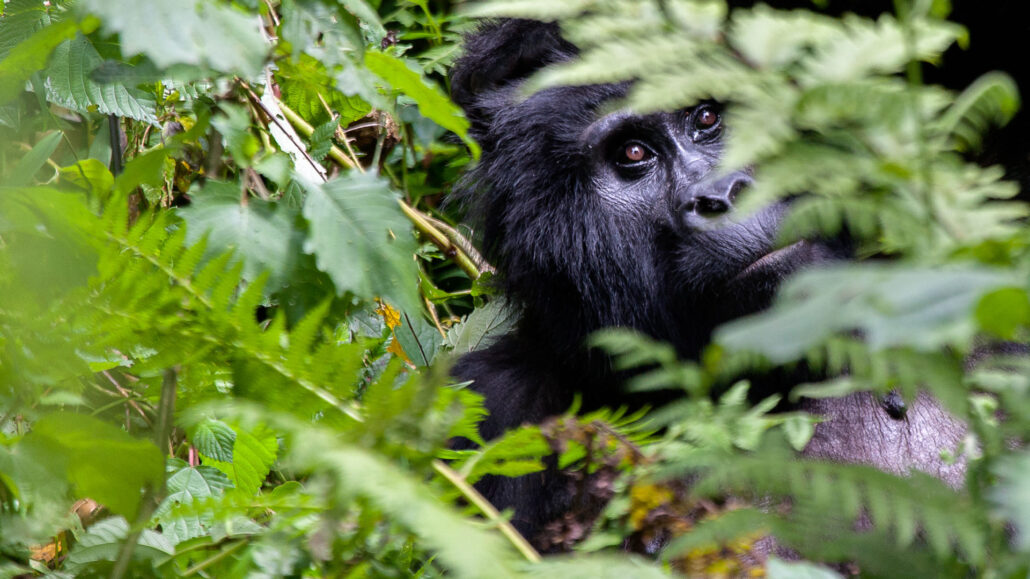
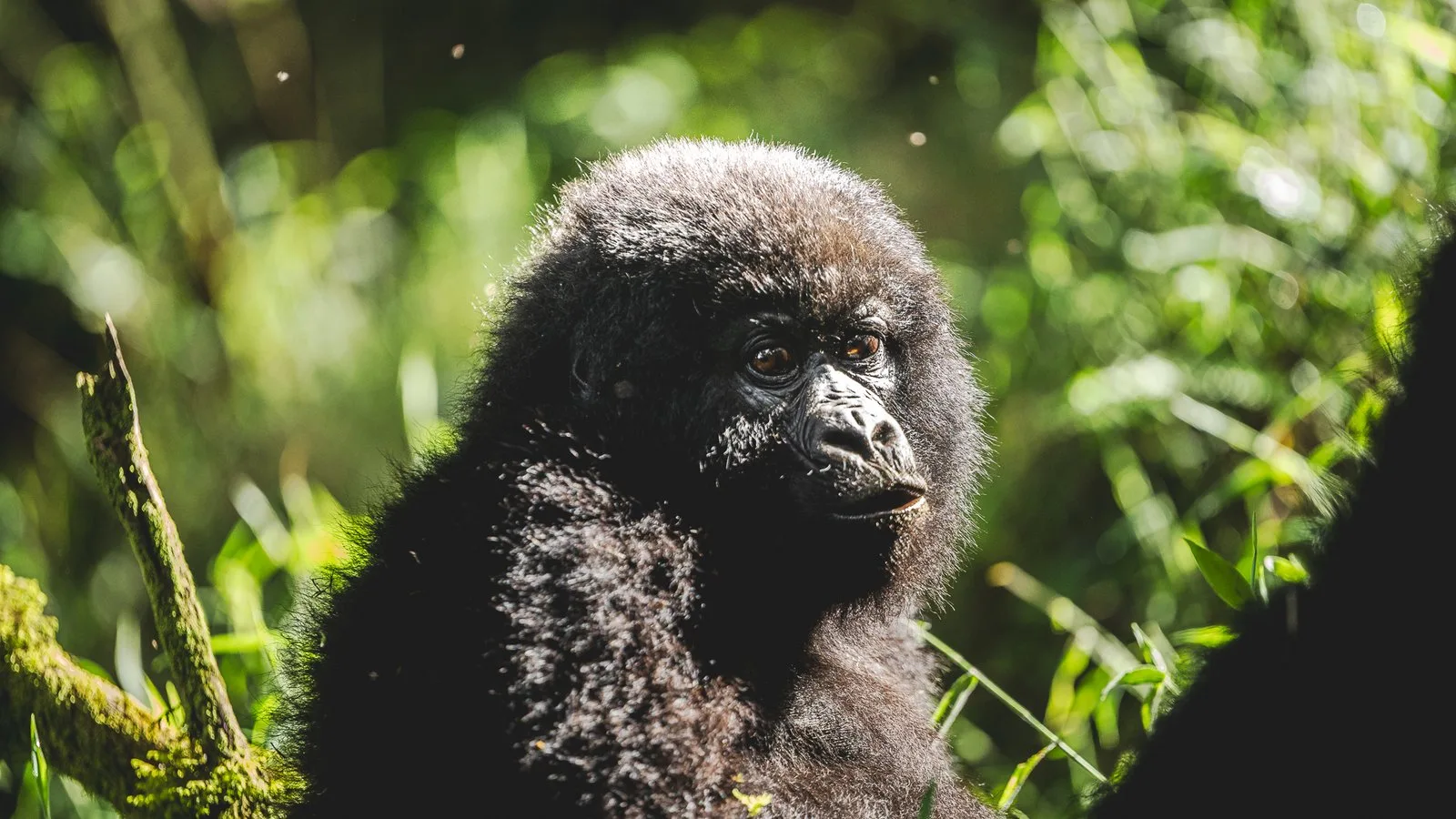
interests. Rwanda is famous for mountain
gorilla trekking in Volcanoes National Park, but it also offers chimpanzee
tracking in Nyungwe Forest National Park, Big Five wildlife viewing in Akagera
National Park, and rich cultural experiences throughout the country. Travelers
should secure gorilla permits early, select suitable accommodation, and
organize reliable transportation to ensure a smooth safari experience. A
well-planned itinerary that combines wildlife, primates, nature, and culture
provides greater value and a deeper understanding of Rwanda. Packing
appropriately and working with an experienced safari operator can further
enhance the trip. With careful preparation, a Rwanda safari tour offers an
outstanding combination of conservation, wildlife viewing, and authentic
African experiences.
1. Define Your
Safari Goals Before Booking
The first step in planning a successful Rwanda
safari tour is understanding what you want to experience. Rwanda offers mountain
gorilla trekking, golden monkey tracking, wildlife safaris, birdwatching,
cultural visits, and city tours. Before organizing your Rwanda safari tour,
decide whether your priority is gorilla trekking in Volcanoes National Park,
wildlife viewing in Akagera National Park, or chimpanzee tracking in Nyungwe
Forest National Park. Knowing your interests helps create a balanced itinerary
that matches your expectations and budget. Travelers with limited time can
focus on one or two major activities, while those with more days can explore
several regions. A clear travel plan helps avoid unnecessary expenses and
ensures you spend more time enjoying Rwanda's attractions rather than rushing
between destinations.
2. Choose the
Best Time to Visit Rwanda
Selecting the right season is important when
planning a Rwanda
safari tour. Rwanda can be visited throughout the year, but weather
conditions may affect trekking and wildlife viewing activities. The drier
months are often preferred because forest trails are easier to navigate and
wildlife viewing conditions are generally better. When scheduling your Rwanda
safari tour, consider what activities you plan to include. Gorilla trekking
remains possible throughout the year, while game drives in Akagera National
Park are rewarding during most seasons. Travelers should also consider personal
preferences regarding temperatures and rainfall. Understanding seasonal
conditions allows you to choose travel dates that match your comfort level and
desired experiences, helping you get the most value from your visit.
3. Budget for
Permits and Safari Costs
A realistic budget is one of the most important
parts of planning a Rwanda safari tour. Rwanda is known for its premium gorilla
trekking experience, and permit costs should be considered early in the
planning process. Besides permits, a Rwanda safari tour budget should include
accommodation, transport, meals, park fees, and optional activities. Luxury
lodges, mid-range hotels, and budget-friendly accommodations are available
across the country. Understanding your financial limits helps narrow down
suitable safari options and prevents unexpected expenses. Travelers should
request detailed quotations from tour operators to understand what is included
in their package. Careful budgeting allows visitors to enjoy their safari
comfortably while ensuring they receive the experiences that matter most.
4. Secure
Gorilla Trekking Permits Early
Many travelers visit Rwanda primarily for gorilla
trekking, making permit reservations a key part of planning a Rwanda safari
tour. Gorilla permits are limited and demand can be high during popular travel
periods. Booking permits well in advance helps secure preferred travel dates
and allows safari operators to build the itinerary around confirmed trekking
schedules. A Rwanda safari tour centered on gorilla trekking requires careful
coordination between permits, accommodation, and transportation. Early planning
also gives travelers more flexibility when selecting lodges near Volcanoes
National Park. Since gorilla trekking is often the highlight of the safari,
securing permits should be treated as a priority. Advance reservations reduce
stress and help avoid last-minute disappointments.
5. Visit More
Than Volcanoes National Park
While gorilla trekking is a major attraction, a
complete Rwanda safari tour should include additional destinations. Akagera
National Park offers opportunities to see lions, elephants, buffaloes,
giraffes, zebras, and many bird species. Nyungwe Forest National Park is known
for chimpanzee tracking and canopy walks. Expanding your Rwanda safari tour
beyond Volcanoes National Park provides a richer understanding of the country's
natural diversity. Each destination offers unique landscapes and wildlife
experiences. Travelers who include multiple parks enjoy greater variety and
appreciation of Rwanda's conservation efforts. Visiting different regions also
creates a more balanced itinerary with a mix of forest activities, wildlife
viewing, and cultural experiences. This approach maximizes the overall safari
experience.
6. Select
Accommodation That Fits Your Travel Style
Accommodation plays a major role in the success of a
Rwanda safari tour. Rwanda offers various lodging options ranging from luxury
safari lodges to comfortable mid-range hotels and budget guesthouses. When
choosing accommodation for your Rwanda safari tour, consider location, comfort
level, available facilities, and access to attractions. Lodges close to
national parks can reduce travel times and make early morning activities
easier. Comfortable accommodation also provides a relaxing environment after
long days of trekking and game drives. Reading reviews and understanding what
is included in the rates helps travelers make informed decisions. Selecting
accommodation that matches your travel style contributes significantly to a
positive safari experience.
7. Arrange
Reliable Transportation
Transportation planning is essential when preparing
for a Rwanda
safari tour. Although Rwanda is relatively compact compared to many African
safari destinations, travelers still need efficient transportation between
parks and attractions. A professionally organized Rwanda safari tour often
includes private vehicles, experienced drivers, and airport transfers. Road
networks in Rwanda are generally good, allowing travelers to move comfortably
between destinations. Visitors should consider travel distances when designing
their itinerary to avoid spending too much time on the road. Reliable
transportation allows for a smoother experience and helps maximize time spent
enjoying activities. Good logistical planning ensures your safari runs
efficiently from arrival to departure.
8. Pack Properly
for Safari Activities
Packing wisely contributes significantly to a
successful Rwanda safari tour. Gorilla trekking, wildlife viewing, and forest
walks require appropriate clothing and equipment. For a Rwanda safari tour, travelers
should bring lightweight clothing, waterproof jackets, comfortable hiking
boots, sunscreen, insect repellent, and a hat. A good camera and binoculars are
also useful for wildlife viewing and photography. Weather conditions can vary
depending on altitude and season, so packing layers can improve comfort.
Personal medications and important travel documents should be kept easily
accessible throughout the trip. Being well-prepared helps travelers handle
changing conditions and focus on enjoying their safari activities without
unnecessary inconvenience.
9. Include
Cultural Experiences in Your Itinerary
A rewarding Rwanda safari tour should include time
to learn about the country's culture and history. Beyond wildlife and trekking
activities, Rwanda offers opportunities to visit cultural centers, local
communities, craft markets, and historical sites. Including cultural
experiences in a Rwanda safari tour creates a deeper connection with the
destination and its people. Visitors gain insight into local traditions,
conservation initiatives, and Rwanda's remarkable development. Cultural visits
also support local communities and provide opportunities for meaningful
interaction. Combining wildlife activities with cultural experiences creates a
well-rounded itinerary that appeals to a wide range of travelers and enriches
the overall safari experience.
10. Book with an
Experienced Safari Operator