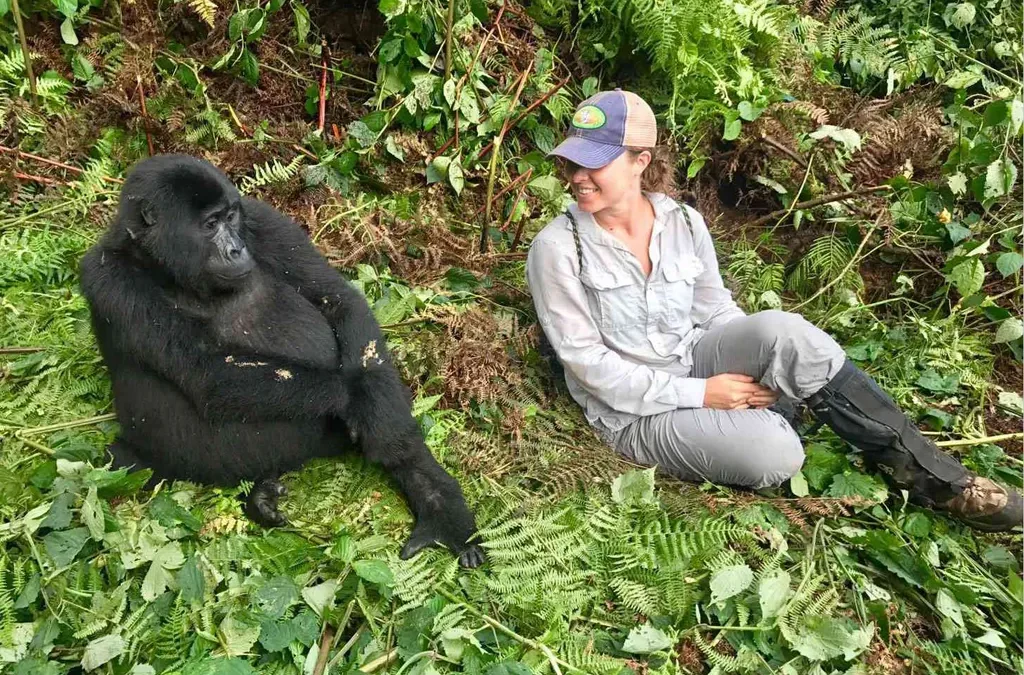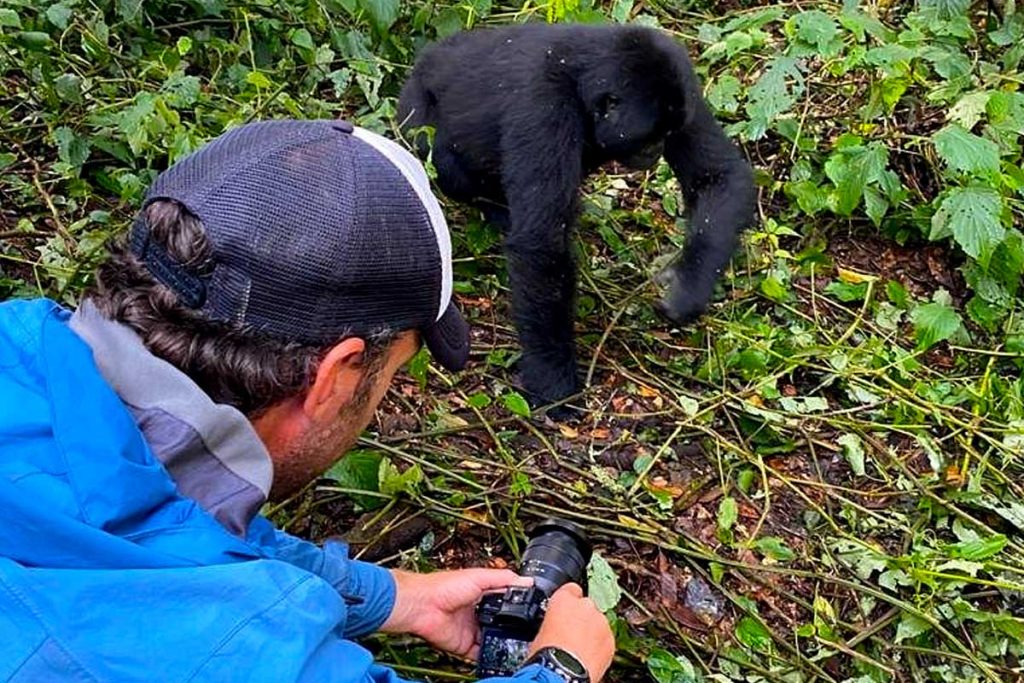

A gorilla
trekking day in Rwanda is a carefully managed wildlife experience that
takes place in Volcanoes National Park, home to some of the world's remaining
mountain gorillas. The day begins with an early morning transfer to the park
headquarters for registration, permit verification, and a ranger briefing.
Visitors are then assigned to specific gorilla families based on fitness levels
and trekking preferences before heading into the forest with experienced
guides. The trek can last from a few hours to most of the day depending on the
gorillas' location. Once found, visitors spend one hour observing the gorillas
as they feed, rest, and interact naturally. After the trek, guests receive a
participation certificate and return to their lodge with lasting memories of
one of Africa's most remarkable wildlife and conservation experiences
1. Early Morning
Transfer to Volcanoes National Park Headquarters
A gorilla trekking day in Rwanda begins early in the
morning with a transfer from your lodge to the Volcanoes
National Park headquarters in Kinigi. Most visitors leave their
accommodation shortly after breakfast to ensure they arrive on time for
registration and briefing. The morning drive often offers beautiful views of
Rwanda's rolling hills and rural communities. Upon arrival, travelers gather
with fellow trekkers from different parts of the world, creating excitement as
everyone prepares for the day's activity. Guides and park staff organize
visitors according to their permits and trekking assignments. This early start
helps maximize the time available for tracking gorillas and ensures all groups
enter the forest under proper supervision. The atmosphere is filled with
anticipation for the experience ahead.
2. Registration
and Permit Verification
Once at the park headquarters, visitors complete the
registration process and present their gorilla trekking permits and
identification documents. This step allows park authorities to verify
reservations and assign visitors to specific gorilla families. Since only a
limited number of permits are available each day, registration plays an
important role in managing tourism responsibly. During this process, visitors
can ask questions and receive updates about weather conditions and trekking
routes. The organized system ensures that each gorilla family receives only the
permitted number of visitors. This careful management helps reduce pressure on
mountain gorillas while maintaining high-quality visitor experiences.
Registration is usually completed efficiently before everyone gathers for the
detailed ranger briefing session.
3. Ranger
Briefing and Trekking Guidelines
Before heading into the forest, all visitors attend
a briefing led by experienced park rangers. During this session, the rangers
explain gorilla behavior, safety procedures, trekking
expectations, and conservation guidelines. Visitors learn the importance of
maintaining a safe distance from the gorillas and avoiding sudden movements or
loud noises. Rangers also explain how mountain gorillas have been habituated to
human presence while remaining wild animals. The briefing covers what to do
during the trek and how to react when gorillas are nearby. Visitors are
encouraged to respect all instructions provided by guides throughout the
activity. This preparation helps ensure a safe and enjoyable experience for
both the trekkers and the gorillas living within Volcanoes National Park.
4. Assignment to
a Gorilla Family
After the briefing, visitors are assigned to one of
the habituated gorilla families living in Volcanoes National Park. Assignments
are often made based on factors such as age, fitness level, and visitor
preferences where possible. Some gorilla groups live closer to the park
boundary, while others require longer hikes into higher elevations. Each trekking
group consists of a limited number of visitors accompanied by trained ranger
guides. The guides provide detailed information about the assigned gorilla
family and explain the terrain likely to be encountered during the hike. This
careful allocation system helps distribute visitors responsibly throughout the
park while improving the overall trekking experience. Once assignments are
complete, groups prepare to begin their forest adventure.
5. Driving to
the Trekking Starting Point
Depending on the location of the assigned gorilla
family, visitors may need to drive from the headquarters to a trailhead
closer to the trekking area. These short transfers help reduce walking
distances through community farmland surrounding the park. Along the route,
travelers can enjoy views of the volcanic mountains that form the Virunga
conservation region. Upon arrival at the starting point, guides conduct final
checks and introduce local porters who are available to assist visitors during
the hike. Many travelers choose to hire a porter to carry backpacks and provide
support on difficult sections of the trail. This service also benefits local
communities by creating employment opportunities. The trek officially begins
once the group enters the forest.
6. Hiking
Through the Forest
The trekking experience starts with a guided walk
through the forest as visitors search for their assigned gorilla family. The
duration of the trek varies depending on the gorillas' location that day. Some
groups may be reached within a relatively short time, while others require
several hours of hiking. The trail can include steep slopes, muddy paths, and
dense vegetation. Throughout the walk, guides share information about the
park's plants, wildlife, and conservation efforts. Visitors often see birds,
forest vegetation, and signs of other wildlife during the hike. The pace is
adjusted according to the group members' abilities, ensuring everyone remains
comfortable. Every step brings greater excitement as the possibility of meeting
mountain gorillas draws closer.
7. Locating the
Gorilla Family
While visitors are hiking, trackers who entered the
forest earlier in the morning monitor the movements of the gorillas. Rangers
remain in communication with these trackers and receive updates about the
animals' location. As the trekking group gets closer, the guide may ask
everyone to speak quietly and prepare cameras. The final approach is usually
made slowly and carefully to avoid disturbing the gorillas. When the first
gorilla comes into view, many visitors experience a powerful sense of
excitement and appreciation. The sight of a silverback, female gorilla, or
playful young gorilla in a natural setting is often the highlight of the entire
safari. This moment rewards the physical effort invested in the trek.
8. Spending One
Hour with the Gorillas
Once the gorillas are located, visitors are
permitted to spend one hour observing them. This time limit is designed to
protect the animals while still allowing meaningful observation. During the hour,
trekkers watch the gorillas feed, groom each other, care for infants, and move
through the forest. The close observation provides unique insight into their
social structure and daily activities. Guides explain different behaviors and
help visitors understand the family dynamics within the group. Photography is
allowed, provided visitors follow the established guidelines. Many travelers
consider this hour to be the most memorable wildlife experience of their lives.
Watching mountain gorillas in their natural environment offers a deeper
appreciation of conservation and the importance of protecting endangered
species.
9. Trek Back and
Return to Headquarters
After the one-hour viewing period ends, visitors
begin the trek back toward the forest exit. The return walk provides another
opportunity to enjoy the natural beauty of Volcanoes National Park and reflect
on the experience. Many trekkers spend the journey discussing favorite moments
and sharing photographs with fellow visitors. Guides continue answering
questions and providing information about the park's conservation programs. The
hike back may feel easier because visitors have already achieved their main
objective. Upon reaching the exit point, vehicles transfer groups back to the
park headquarters. The return process is organized and relaxed, allowing
visitors to celebrate a successful gorilla trekking experience while enjoying
the surrounding scenery.
10. Certificate
Presentation and Departure
At the end of the activity, visitors receive a
gorilla trekking certificate to commemorate their experience in Volcanoes
National Park. The certificate serves as a lasting reminder of the time spent
observing one of the world's most endangered animals. Many travelers take
photographs with their certificates before returning to their lodges or
continuing to other destinations within Rwanda. Depending on the itinerary,
visitors may spend the afternoon relaxing at their accommodation, exploring
cultural attractions, or traveling to their next safari destination. Completing
a gorilla trek is often regarded as one of the most rewarding wildlife
experiences in Africa. The day combines adventure, conservation, education, and
unforgettable wildlife viewing, creating memories that remain long after the
safari has ended.