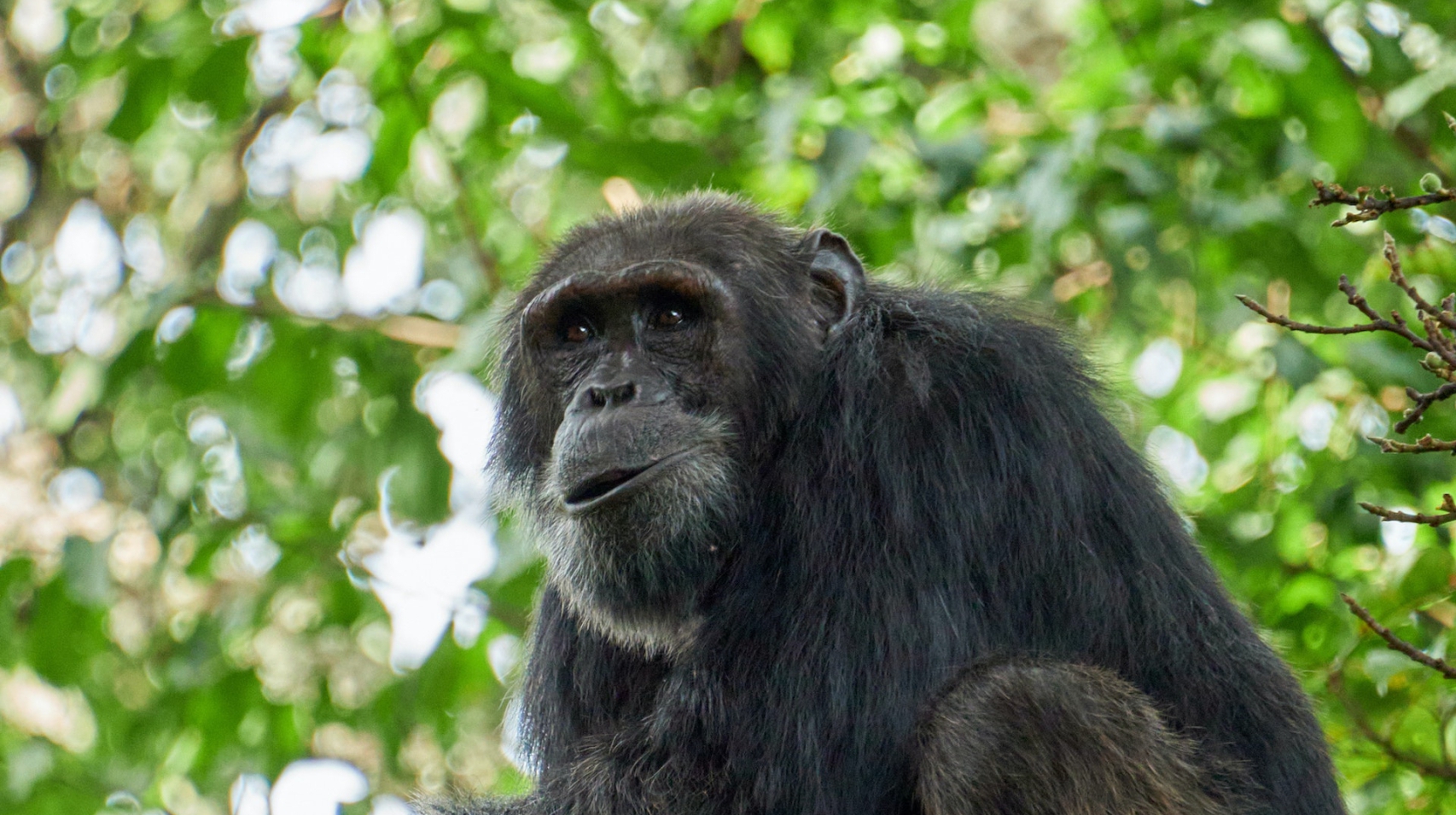

Uganda is famous for gorilla
trekking, wildlife safaris and beautiful landscapes but its tourism story
goes far beyond wildlife. One of the most meaningful cultural experiences in
southwestern Uganda is the Batwa experience which introduces visitors to the
history, traditions and forest knowledge of the Batwa people. The Batwa are an
indigenous forest people who traditionally lived as hunter gatherers in the
forests of southwestern Uganda. They have a deep cultural relationship with
forests such as Bwindi, Mgahinga and Echuya, where they depended on the natural
environment for food, medicine, shelter and other aspects of daily life.
Who are the
Batwa?
The Batwa are among the indigenous peoples of the
Great Lakes region of Central Africa. In southwestern Uganda, their history is
closely connected to the forests surrounding the Virunga Mountains
and Bwindi. For generations, the forest provided everything they needed.
The Batwa hunted small animals, gathered wild fruits and plants, collected
honey and used medicinal plants. Their knowledge of the forest was passed from
one generation to another giving them a detailed understanding of the plants,
animals and landscapes around them. They are often described as the “keepers of
the forest” because of their long standing relationship with the forest
environment.
The History behind
the Batwa Experience
Understanding the history of the Batwa makes the
cultural experience more meaningful. When Bwindi and Mgahinga were established
as national parks in the early 1990’s, the Batwa were removed from their
traditional forest homes as part of conservation efforts. This created major
changes in their way of life. Communities that had depended on the forest for
generations had to adjust to life outside the protected areas while dealing
with challenges involving land, livelihoods, education and access to resources.
Today, Batwa cultural tourism provides an opportunity for visitors to learn about
this history directly from Batwa guides and community members. It also creates
opportunities for cultural preservation and community income.
What to Expect
During the Batwa Experience
The Batwa experience is more than watching a cultural
performance. It is an interactive journey into traditional forest life.
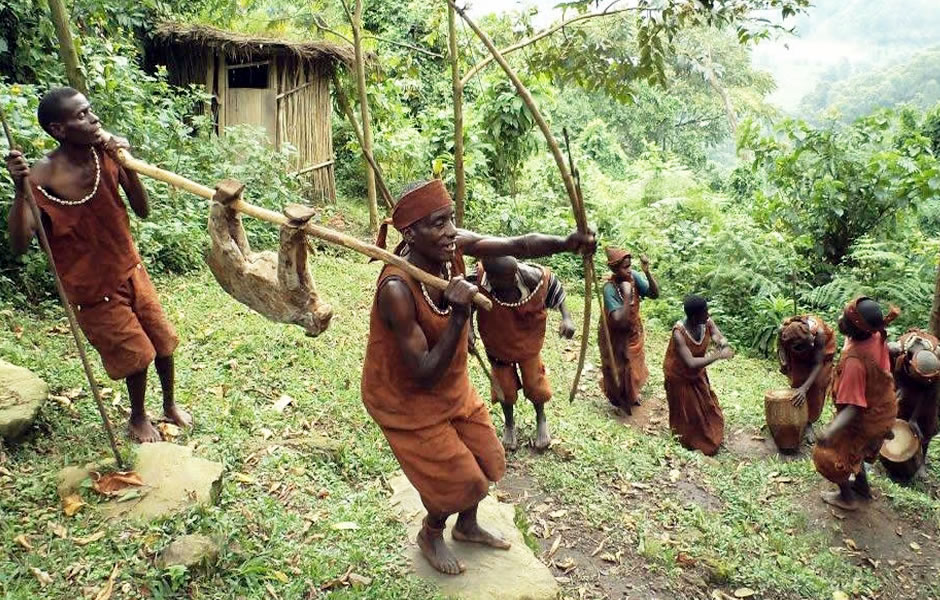
Visitors may walk along forest trails with Batwa guides while learning how
their ancestors collected food, identified medicinal plants, gathered honey and
used natural materials. Depending on the experience, visitors may see demonstrations
of traditional hunting techniques, fire making, shelter construction and the
use of bows and arrows.
Traditional songs, storytelling and dancing are
another important part of the experience. Through songs and stories, Batwa
elders and performers share aspects of their history, beliefs and relationship
with the forest.
The Batwa Trail
in Mgahinga
One of the best known Batwa experiences takes place
around Mgahinga Gorilla National Park. The Batwa Trail follows the lower slopes
of the Virunga Mountains and leads visitors toward Garama Cave. Along the
trail, Batwa guides demonstrate traditional skills such as making fire,
gathering forest foods, identifying medicinal plants, collecting honey and
using traditional hunting techniques. The experience ends around Garama Cave
which holds an important place in Batwa history and storytelling. The trail provides a different perspective of
the landscape because visitors experience the forest through the knowledge of
people whose ancestors depended on it for generations.
The Batwa
Experience in Bwindi
Travelers visiting Bwindi
Impenetrable National Park for gorilla trekking can add a Batwa cultural
experience to their safari. The Batwa experience near the Buhoma side of Bwindi
takes visitors through a forested area adjacent to the national park. Batwa
guides explain traditional forest life and demonstrate activities associated
with their former way of living. Visitors can learn about medicinal plants,
traditional food gathering, hunting techniques, storytelling, songs and dances.
This makes the experience a natural addition to a gorilla safari. After
spending time searching for mountain gorillas, travelers gain another
perspective by learning about the people whose history is deeply connected to
the surrounding forest.
Learning about
Traditional forest knowledge
One of the most interesting parts of the Batwa
experience is the traditional knowledge passed down through generations. The
Batwa developed detailed knowledge of forest plants and their uses. During
cultural walks, guides demonstrate how certain plants were used for food,
medicine and other everyday purposes. Visitors also learn about traditional
methods of collecting honey and finding edible forest resources. This knowledge
demonstrates the importance of forests beyond wildlife conservation. For the
Batwa, the forest was a source of food, medicine, shelter, spirituality and
cultural identity.
Traditional
Music, Dance and Storytelling
Music and storytelling bring the Batwa experience to
life. Traditional songs and dances provide a way of communicating history,
emotions, beliefs and important community experiences. Visitors may join the
dancing, listen to traditional stories and watch performances by Batwa
community members. In some experiences, songs reflect the Batwa’s connection to
the forest and the changes that followed their removal from protected forest
areas. These performances are not simply entertainment. They form part of an
effort to preserve cultural knowledge and introduce younger generations to
their heritage.
Batwa Cultural
Experiences around Echuya Forest
The Batwa experience extends beyond Bwindi
and Mgahinga. Echuya Central Forest Reserve, located in southwestern Uganda
has important cultural connections with the Batwa. The Batwa have spiritual and
cultural sites within the forest, including places associated with traditional
rituals. The National Forestry Authority recognizes the cultural importance of these
sites and supports approaches that protect both cultural values and the forest.
Visitors around may combine forest walks with community visits, cultural
activities and opportunities to learn about Batwa traditions and forest
knowledge.
Why Include the
Batwa Experience in your Uganda Safari
A safari does not have to focus entirely on
wildlife. The Batwa experience adds a human and cultural dimension to a journey
through southwestern Uganda. It allows travelers to learn about the history of
an indigenous community, understand the relationship between people and forests,
experience traditional music and storytelling and contribute to community based
tourism initiatives.
For travelers visiting Bwindi or Mgahinga, the
experience creates an opportunity to see the destination from a different
perspective. Instead of only exploring the forest as a wildlife habitat,
visitors learn about the people who have traditionally regarded the forest as
home.
Supporting the
Batwa through Responsible Tourism
Responsible tourism is especially important when
visiting indigenous communities. Travelers should approach the experience with
respect, listen to community guides and avoid treating cultural traditions as
entertainment alone. Choosing experiences that are organized with Batwa
communities and contribute to local livelihoods helps ensure that tourism
provides practical benefits. Batwa led initiatives have been developed to
support cultural preservation, education, healthcare, income generation and
community development. Visitors should also ask permission before taking
photographs of people, respect cultural practices and avoid making assumptions
about the community based on stereotypes.
Best Time to
experience the Batwa Culture
The Batwa
experience can fit into a Uganda safari itinerary throughout the year.
However, travelers combining it with gorilla trekking should consider the
weather conditions in southwestern Uganda especially when planning forest
walks. The experience is particularly convenient as an additional activity
before or after gorilla trekking in Bwindi or alongside other activities around
Mgahinga and the kigezi region.
Combine the
Batwa Experience with Gorilla Trekking
The Batwa experience pairs naturally with gorilla
trekking. A safari to Bwindi or Mgahinga allows travelers to combine wildlife
conservation with cultural tourism. After trekking through the forest in search
of mountain gorillas, visitors can spend time learning about the Batwa and
their historical relationship with the same forest environment. The combination
creates a broader understanding of southwestern Uganda, its wildlife,
landscapes, communities and cultural heritage.
Plan your Batwa
Cultural Experience in Uganda
If you want to experience more than Uganda’s
wildlife, add a Batwa cultural experience to your southwestern Uganda
itinerary. Walk with Batwa guides, listen to traditional stories, learn about
forest survival skills, experience music and dance and gain a deeper
understanding of the history of the communities around Bwindi, Mgahinga and
Echuya. Don’t just visit Uganda’s forests, meet the people whose history is
deeply connected to them. Add the Batwa experience to your next Uganda safari
and make cultural discovery part of your journey through the Pearl of Africa.