
Chimpanzee
trekking is one of the most exciting wildlife experience in Africa. Walking
through a tropical forest and coming face to face with our closest living
relatives offers a completely different experience from a traditional game
drive. Before heading into the forest, it helps to understand a few important
facts about chimpanzees, their behavior, habitat and what visitors should
expect during a trekking experience.
Chimpanzees are
among our Closest Living Relatives
Chimpanzees share a very high proportion of their DNA
with humans making them one of our closest living relatives. Their
intelligence, social behavior, communication and ability to use tools often
remind visitors of human behavior. They use different sounds, facial
expressions, gestures and body movements to communicate with one another.
Watching them interact in the forest gives visitors an opportunity to see
complex social behavior in its natural environment.
Chimpanzees Live
in Social Communities
Chimpanzees live in large social groups called
communities. These communities have flexible social structures with individuals
sometimes moving between smaller groups while maintaining relationships within
the wider community. During trekking, visitors may see chimpanzees feeding,
grooming one another, playing, traveling through the forest or communicating
through loud calls. Their social interactions are one of the most fascinating
parts of the experience.
Chimpanzees
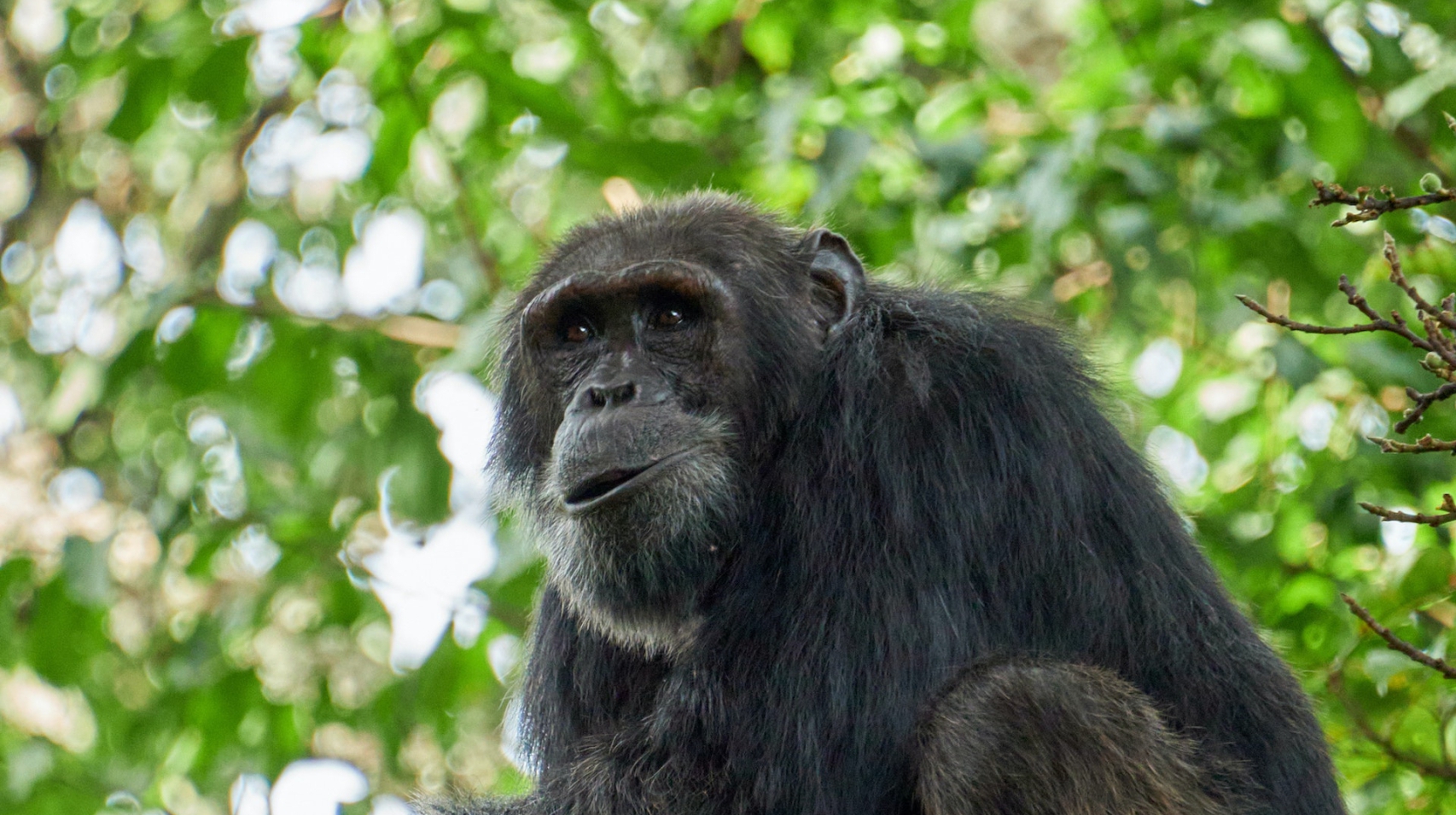
Spend Much of their Time in Trees
Chimpanzees are excellent climbers and spend
considerable time in the forest canopy. They use trees for feeding, resting,
traveling and building nests for sleeping. However, seeing a chimpanzee high in
the canopy does not mean the trek has failed. Chimpanzees
move between the ground and trees throughout the day, so visitors may encounter
them at different heights depending on their activity.
They Use Tools
One of the most interesting chimpanzee
facts is their ability to use tools. Chimpanzees have been observed using
sticks, leaves, stones and other natural materials to obtain food or solve
problems. Their ability to select and manipulate objects demonstrates their
remarkable intelligence. Different chimpanzee communities may even develop
different ways of using tools, creating behaviors that resemble cultural
traditions.
Chimpanzees
Build Nests for Sleeping
Chimpanzees usually construct nests in trees where
they spend the night. They bend and arrange branches and leaves to create a
platform that provides a comfortable place to sleep. During a forest walk,
guides may point out old nests and explain how they were constructed. Finding
these signs provide clues about chimpanzee movements even when the animals
themselves are not nearby.
Their Diet
Includes Fruits, Leaves and Insects
Chimpanzees have a varied diet. Fruits form an
important part of their food but they also eat leaves, seeds, flowers, insects
and other available food. Because food availability changes throughout the
year, chimpanzees move through the forest in search of feeding areas. This
movement is one reason chimpanzee trekking feels different from visiting
animals in a fixed viewing area.
Chimpanzees are
Highly Vocal
A quiet forest can suddenly become very noisy when
chimpanzees begin communicating. They produce a variety of calls, including
loud vocalizations that help members of a community communicate across the
forest. Guides and trekkers often use these sounds to help locate chimpanzees.
Visitors may hear them before they actually see them, creating anticipation as
the trek continues.
Every Chimpanzee
Trek is Different
Chimpanzees are wild animals so there is no
guarantee that every trek will look the same. Their location, feeding habits,
weather and movements influence what visitor’s experience. One day, a group may
remain close to the forest floor while on another day the chimpanzees may spend
much of their time high in the trees. This unpredictability is part of what
makes chimpanzee trekking exciting.
Uganda offers
Excellent Chimpanzee Trekking Experiences
Uganda is one of Africa’s leading destinations for chimpanzee
experiences with opportunities available in several forested areas. Kibale
National Park stands out as one of the country’s best known destinations for
chimpanzee trekking while other experiences are available in places such as
Budongo Forest and Kyambura Gorge.
Kibale is particularly attractive to primate enthusiasts
because of its rich diversity of primates and strong reputation for chimpanzee
encounters.
Chimpanzee
Trekking Requires Patience
A chimpanzee
trek involves walking through a natural forest environment sometimes over
uneven or muddy terrain. The amount of time spent searching for the animals
varies depending on their movements and location. Visitors should therefore come
prepared for a walking experience rather than expecting wildlife viewing to
happen immediately. Patience is important especially when trackers are
following fresh signs or listening for chimpanzee calls.
Visitors Must
Respect the Animals
Chimpanzees are wild animals and should always be
observed responsibly. Visitors should follow the instructions of guides and
maintain the required distance from the animals. Avoid shouting, feeding
chimpanzees, making sudden movements or attempting to attract their attention.
Responsible behavior helps protect both visitors and chimpanzees while keeping
the experience as natural as possible.
What should you carry
for Chimpanzee Trekking?
Proper preparation makes the forest experience more
comfortable. Visitors should carry sturdy hiking shoes, long trousers, a long
sleeved shirt, a waterproof jacket or rain gear, insect repellent, sunscreen,
drinking water, snacks and a small backpack. A camera with extra batteries is
useful for photography while walking poles may provide additional support on
steep or slippery sections of the forest.
Best Time for
Chimpanzee Trekking
Chimpanzee trekking takes place throughout the year
but the experience may vary with weather and forest conditions. During the
drier periods, forest trails are generally easier to navigate while wetter
periods may bring muddy trails but also provide lush vegetation and abundant
food for wildlife. Visitors should choose their travel period based on their
priorities, budget and preferred trekking conditions.
Why Learn About
the Chimpanzees before the Trek?
Knowing a little about chimpanzee
behavior makes the experience more meaningful. Instead of simply looking at
the animals, visitors begin to understand why they communicate, climb trees,
groom one another, build nests and move through the forest. Chimpanzee trekking
is more than a wildlife encounter. It is an opportunity to enter the natural
world of one of humanity’s closest relatives and observe their lives from a
respectful distance.
Plan Your
Chimpanzee Trekking Adventure
If chimpanzees are on your African travel list,
start planning your forest adventure early. Choose the destination that matches
your interests, arrange the required trekking permit, select suitable
accommodation and prepare for a genuine rainforest experience. Ready to meet
Uganda’s chimpanzees in the wild? Plan your chimpanzee trekking adventure and
experience the forest from a completely different perspective.