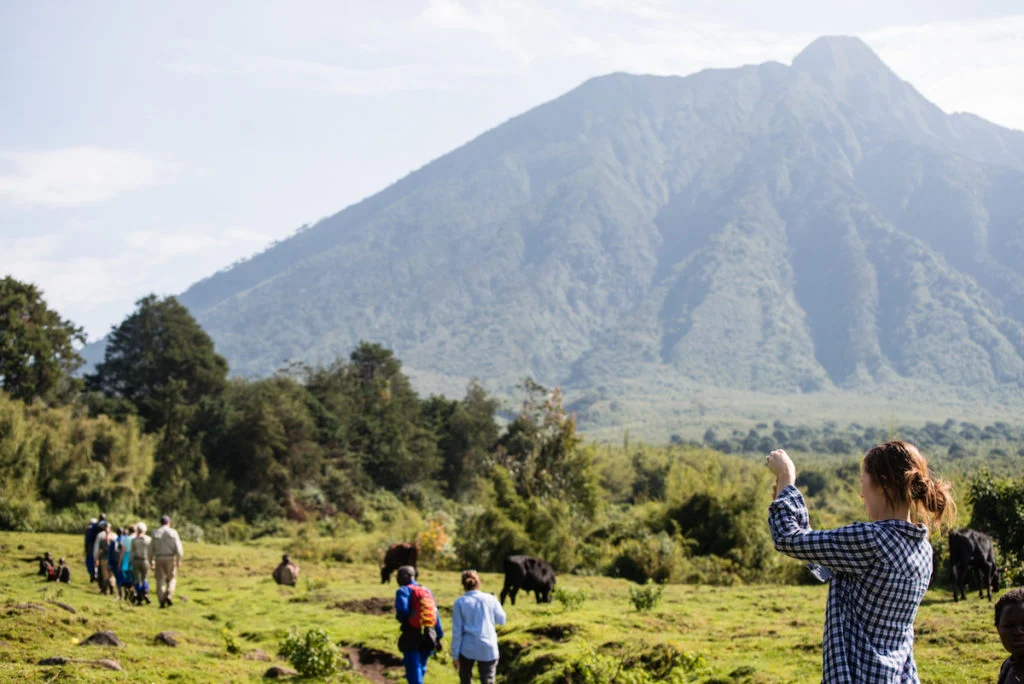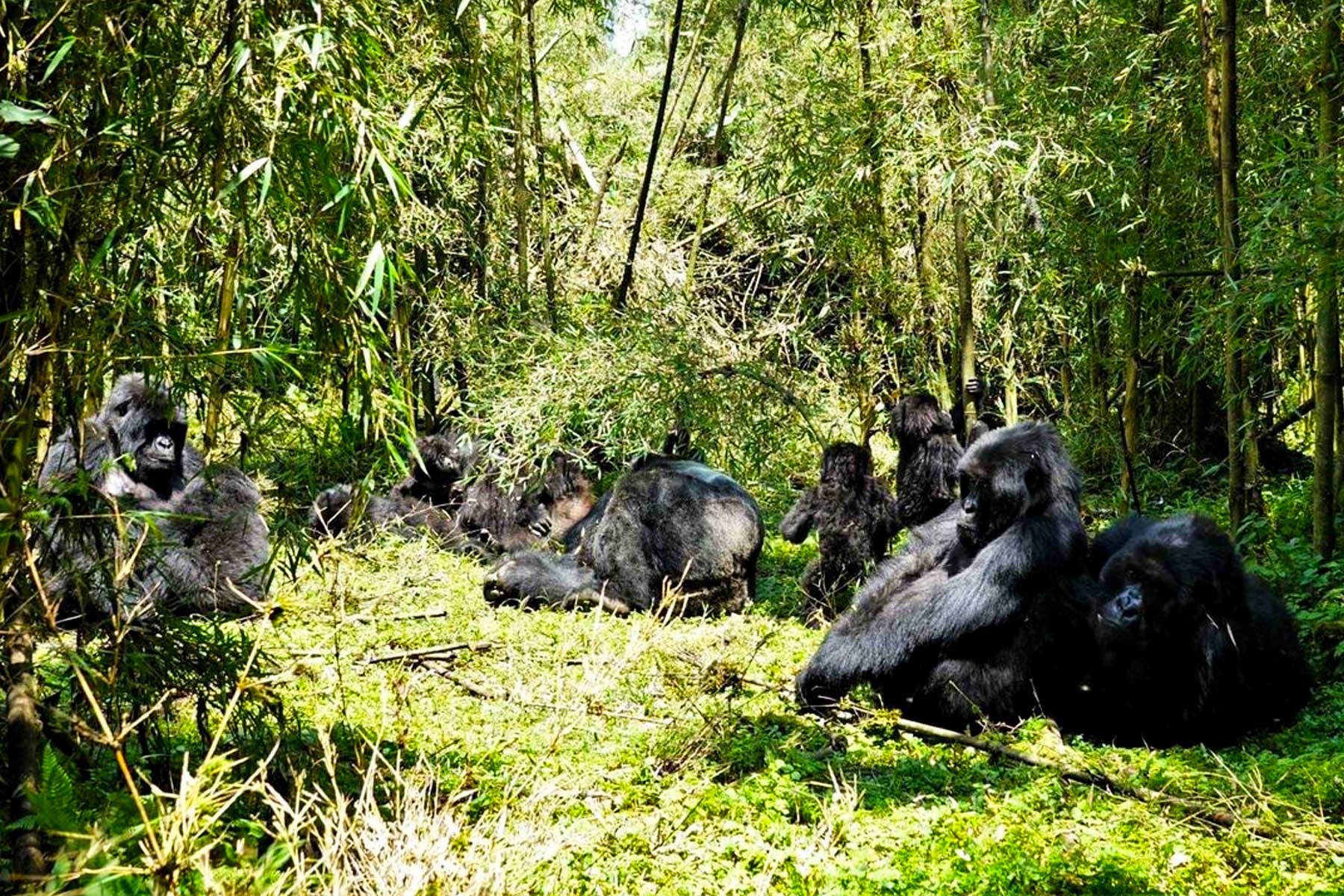

Rwanda is one of the best destinations in Africa for
mountain
gorilla trekking, with Volcanoes National Park offering visitors an
opportunity to encounter these endangered primates in their natural habitat.
The park is home to several habituated gorilla families, some of which are
available for tourism while others are reserved for research. Each family has
its own social structure, history, and characteristics, making every gorilla
trekking experience unique. Visitors are assigned a family on the day of their
trek, depending on factors such as the gorillas’ location and the difficulty of
reaching them.
1. Susa A
Gorilla Family
The Susa A family is one of the most famous gorilla
groups in Volcanoes
National Park. It is historically associated with the research conducted by
Dian Fossey, making it particularly interesting to visitors who want to learn
about mountain gorilla conservation. The family lives in the mountainous
forest, where its members move around in search of food. Tracking this group
can involve a challenging hike because the gorillas sometimes venture into
higher-altitude areas. Visitors who encounter Susa A have an opportunity to
observe the behavior of mountain gorillas, including how adults interact with
their young and how the dominant silverback protects the family.
2. Karisimbi
Gorilla Family (Susa B)
The Karisimbi family, also known as Susa B,
separated from the original Susa group. It is associated with the slopes of
Mount Karisimbi, one of the highest volcanoes in the Virunga Mountains. Because
the family can range in remote, high-altitude areas, tracking it may require
considerable physical effort. The trek offers adventurous travelers an
opportunity to explore the beautiful mountain forest while searching for the
gorillas. Visitors should be prepared for steep terrain, changing weather and a
potentially long hike. The experience is particularly appealing to travelers
who enjoy challenging outdoor adventures alongside wildlife encounters.
3. Amahoro
Gorilla Family
Amahoro means "peace" in Kinyarwanda and
the family is known for its association with peaceful behavior. Like other
mountain gorilla groups, it consists of individuals with different social
roles, including a dominant silverback, adult females, and young gorillas.
Observing the family allows visitors to see how mountain gorillas interact,
feed, rest and care for their young. The trekking experience may be relatively
demanding depending on the group's location on the day of the visit. For travelers
interested in observing gorilla family life, Amahoro offers a memorable
opportunity to appreciate the social relationships and natural behaviors of
these endangered primates.
4. Agashya
Gorilla Family
The Agashya family was formerly known as Group 13, a
name associated with its original number of members. It is one of the recognized
gorilla families available for tourism in Volcanoes
National Park. Over time, the group has grown as new individuals have
joined, reflecting the changing nature of mountain gorilla families. The family
provides visitors with an opportunity to observe how gorillas communicate,
establish relationships and care for their young. Tracking Agashya also offers
a chance to appreciate the forest habitat of the Virunga Mountains. As with all
gorilla treks, the difficulty depends on where the family is located when
visitors set out.
5. Sabyinyo
Gorilla Family
The Sabyinyo family is named after Mount
Sabyinyo, one of the volcanoes in the Virunga range. It is known for its
association with the mountain's slopes and is a popular group among visitors
interested in gorilla trekking. The family provides opportunities to observe
the interactions between the dominant silverback and other members, including
females and young gorillas. The surrounding landscape features montane forest
and volcanic scenery, creating a beautiful setting for wildlife encounters.
Although some treks to this family may be less demanding than others, the
difficulty varies according to the gorillas' movements and the condition of the
trails.
6. Umubano
Gorilla Family
Umubano means "living together" or
"unity" in Kinyarwanda. The family was formed when a silverback named
Charles separated from the Amahoro group and established his own family. Its history
demonstrates how mountain gorilla groups change as individuals mature, compete
for leadership, and establish new social units. Visitors tracking Umubano can
observe the family in its natural environment and learn about the relationships
between its members. The experience also highlights the importance of
protecting gorilla habitats, allowing these animals to live and develop their
social structures in the wild.
7. Kwitonda
Gorilla Family
The Kwitonda family takes its name from a silverback
known for his gentle character. The group originally lived in the Democratic
Republic of Congo before moving into Rwanda's Volcanoes National Park. Its
history reflects the movement of mountain gorillas across the Virunga
landscape, which extends across national borders. Visitors tracking this family
may encounter different age groups and observe how the silverback helps protect
and lead the group. The trek provides an opportunity to explore the forest
while learning about the conservation of mountain gorillas and the importance
of protecting their habitats across the region.
8. Hirwa Gorilla
Family
Hirwa means "lucky one" in Kinyarwanda.
The family was formed in 2006 from members of other gorilla groups, including
individuals associated with the Agashya and Sabyinyo families. Its formation
illustrates how gorillas sometimes leave their original groups and establish
new families. Hirwa has experienced changes in membership over time, as
mountain gorilla groups naturally grow and evolve. For visitors, tracking this family
offers a chance to witness the social behavior of gorillas in their natural
habitat. However, its availability for trekking should be confirmed before
travel because family movements and tourism arrangements can change.
9. Ugenda
Gorilla Family
The Ugenda family is among the gorilla groups
historically associated with tourism in Volcanoes National Park. Its name is
commonly translated as "mobile" or "moving," reflecting the
group's association with movement through the forest. Tracking gorillas requires
patience because these animals do not remain in one location. Visitors follow
experienced guides and trackers who help locate the family while explaining its
behavior and surroundings. An encounter with Ugenda provides an opportunity to
observe the gorillas feeding, resting, and interacting with one another. The
experience also allows visitors to appreciate the natural beauty of Rwanda's
mountain forests.
10. Bwenge
Gorilla Family
The Bwenge family is another group associated with
gorilla trekking in Volcanoes
National Park. Like other habituated families, it has a social structure
built around relationships between the silverback, females, and younger
members. Observing these interactions gives visitors a better understanding of
how mountain gorillas live in the wild. The trek may involve walking through
dense vegetation and uneven terrain, depending on the family's location. Traveler’s
should wear suitable hiking boots and carry water and rain protection. Because
gorilla groups move regularly, visitors should confirm the family's current
tourism status before planning a trek specifically to see it.
11. Pablo
Gorilla Family
The Pablo group is well known in the history of
mountain gorilla research and conservation in the Virunga region. The group has
been associated with scientific observation, helping researchers understand
gorilla behavior, family relationships, and population changes. However, not
every group associated with research is available for ordinary tourist
trekking. Visitors should confirm whether a particular group is currently
designated for tourism before including it in their plans. Learning about
groups such as Pablo highlights the important relationship between scientific
research, responsible tourism, and the long-term protection of endangered
mountain gorillas.
12. Titus
Gorilla Family
The Titus family takes its name from Titus, a
mountain gorilla whose life became important in the history of gorilla
research. Titus was studied by researchers working in the Virunga Mountains,
contributing to a greater understanding of gorilla social behavior and family
relationships. His story also reflects the challenges mountain gorillas have
faced, including habitat pressures and threats to their survival. Although
Titus is remembered for his historical importance, travelers should confirm the
current status and availability of any family associated with his name before
planning a trek. Its history provides an interesting perspective on Rwanda's
continuing efforts to protect mountain gorillas.
What to Expect
When Tracking Gorilla Families in Rwanda
Gorilla trekking in Volcanoes National Park begins
with a briefing from park officials, followed by assignment to a gorilla
family. Experienced guides and trackers lead visitors through the forest to
locate the gorillas. The hike can take a few hours or longer, depending on the
family's location and the terrain.
Once the gorillas are found, visitors are generally
allowed to spend one hour observing them, following the rules provided by their
guides. You may see them feeding, resting, grooming one another, or caring for
their young. Treks vary in difficulty, so a reasonable level of fitness is
recommended.
Best Time to
Track Gorilla Families in Rwanda
Gorilla trekking is available throughout the year.
The drier periods, generally from June to September and December to February,
are often preferred because trails may be less muddy and hiking conditions more
manageable.
The wetter months can bring heavier rain and
slippery trails, but the forest remains beautiful, and trekking continues when
conditions permit. Gorilla movements and weather can affect the difficulty of
any trek, regardless of the season. Booking in advance is advisable because
gorilla permits are limited.
The gorilla families of Volcanoes National Park make
Rwanda a remarkable destination for wildlife lovers and adventure travelers.
From the historically significant Susa group to families such as Amahoro,
Agashya, Sabyinyo and Umubano, each offers a different perspective on the lives
of mountain gorillas. Since family names, locations, and tourism availability
can change, travelers should confirm the current list when planning their
visit. With proper preparation and respect for conservation guidelines, gorilla
trekking offers an unforgettable opportunity to experience Rwanda's
extraordinary wildlife.