
1. A Gateway to
Rwanda’s Natural Heritage
Volcanoes
National Park is Rwanda’s most famous wildlife destination and one of
Africa’s leading conservation areas. Located in the country's northwestern
region, the park forms part of the larger Virunga Conservation Area that spans
Rwanda, Uganda, and the Democratic Republic of Congo. The park is renowned for
protecting endangered mountain gorillas and providing visitors with exceptional
wildlife experiences. Its dramatic landscape of volcanic peaks, lush forests,
and bamboo-covered slopes creates a stunning setting for exploration. Every
year, travelers from around the world visit the park to observe mountain
gorillas in their natural habitat. The combination of conservation success,
breathtaking scenery, and unforgettable wildlife encounters makes Volcanoes
National Park one of Rwanda’s greatest treasures and a symbol of the country's
commitment to protecting nature.
2. The Home of
Mountain Gorillas
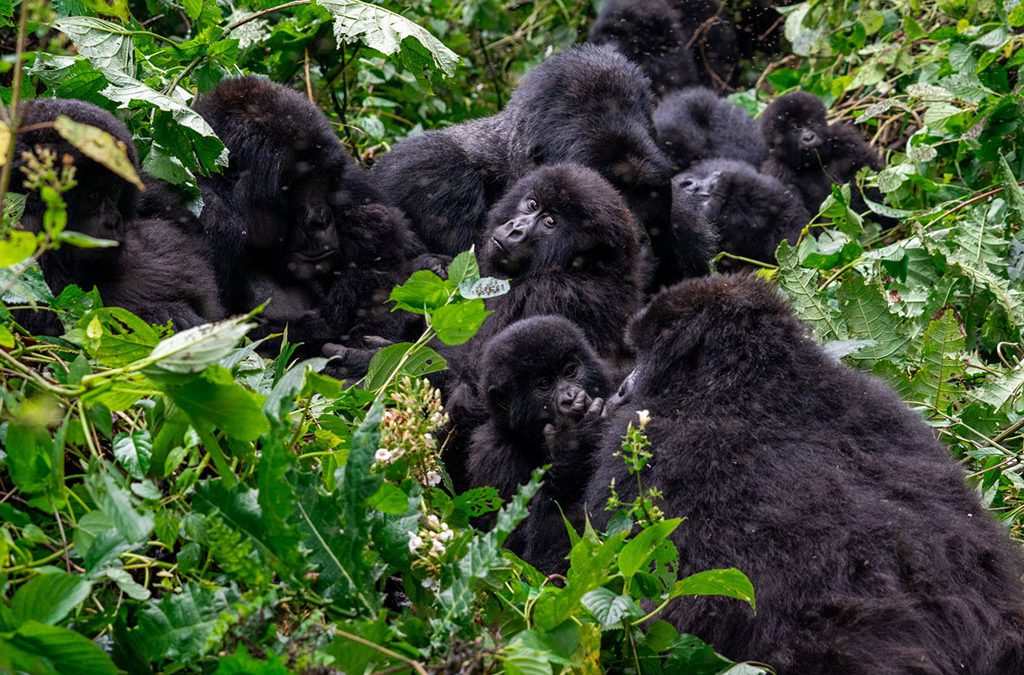
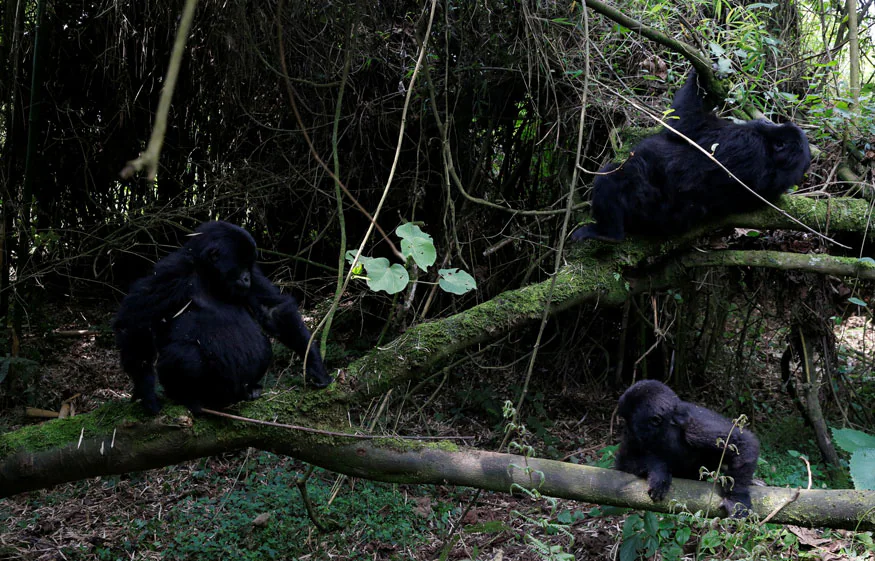
Volcanoes National Park is best known as one of the
last remaining homes of mountain gorillas. These endangered primates live
within the dense forests that cover the slopes of the Virunga Mountains. The
park protects several habituated gorilla families that can be visited by
tourists under carefully managed conditions. Mountain gorillas are highly
social animals living in family groups led by dominant silverbacks. Their
survival depends on protected habitats such as those found within Volcanoes
National Park. Visitors who encounter these gentle giants often describe
the experience as life changing. Watching gorillas interact, feed, and care for
their young offers a remarkable glimpse into their world. The park remains one
of the most important strongholds for mountain gorilla conservation in Africa.
3. The
Spectacular Virunga Volcanoes
One of the defining features of Volcanoes
National Park is its dramatic volcanic landscape. The park encompasses
several of the Virunga Volcanoes, including Karisimbi, Bisoke, Muhabura,
Gahinga, and Sabyinyo. These towering peaks dominate the region and provide
stunning scenery throughout the year. Their slopes are covered with dense
forests and bamboo vegetation that support a wide range of wildlife. The
volcanoes not only shape the area's beauty but also create the ideal
environment for mountain gorillas. Visitors often find the combination of
mist-covered mountains and green forests unforgettable. Whether viewed from
lodge terraces or while trekking through the wilderness, the volcanic scenery
adds a powerful sense of adventure to every visit.
4. Gorilla
Trekking Experiences
Gorilla trekking is the highlight of any visit to
Volcanoes National Park. The experience begins early in the morning with a
briefing from park rangers who explain trekking guidelines and conservation
practices. Visitors are assigned specific gorilla families and then accompany
guides into the forest. Trek durations vary depending on the location of the
gorillas, ranging from one hour to several hours. Once the gorillas are found,
visitors spend up to one hour observing their natural behavior. The encounter
allows travelers to witness family interactions, feeding habits, and social
dynamics at close range. Every trek is unique because the gorillas move freely
throughout the forest. This unpredictability makes each gorilla encounter
exciting and memorable.
5. A Legacy of
Conservation
Volcanoes National Park has played a major role in mountain
gorilla conservation for decades. International attention was drawn to the
area through the work of primatologist Dian Fossey, who dedicated much of her
life to protecting mountain gorillas from poaching and habitat destruction. Her
efforts helped increase global awareness of gorilla conservation challenges.
Today, government agencies, conservation organizations, and local communities
continue this important work. Strict tourism regulations ensure that gorilla
habitats remain protected while generating revenue for conservation programs.
The park stands as a successful example of how wildlife protection and
sustainable tourism can work together. Conservation achievements within Volcanoes
National Park have helped secure a brighter future for mountain gorillas.
6. Rich
Biodiversity Beyond Gorillas
Although mountain gorillas are the primary
attraction, Volcanoes National Park supports a wide variety of wildlife. The
forest ecosystem provides habitat for golden monkeys, forest buffaloes,
bushbucks, and numerous bird species. Over 200 bird species have been recorded
within the park, making it a rewarding destination for birdwatchers. The unique
combination of bamboo forests, montane vegetation, and volcanic ecosystems
creates ideal conditions for diverse wildlife. Visitors often encounter various
animals while trekking through the forest. The rich biodiversity highlights the
ecological importance of the park and offers travelers additional opportunities
for wildlife viewing. Exploring the park reveals much more than gorillas alone,
making every visit diverse and rewarding.
7. Golden Monkey
Tracking Adventures
Golden monkey tracking is another popular activity
in Volcanoes National Park. These endangered primates are known for their
bright golden-orange fur, playful nature, and energetic behavior. Living
primarily in bamboo forests, golden monkeys are often easier to locate than
gorillas and provide excellent photographic opportunities. Guided tracking
excursions allow visitors to observe them feeding, jumping between trees, and
interacting in family groups. The experience complements gorilla trekking and
gives travelers a broader understanding of the park’s primate diversity. Golden
monkey tracking appeals to wildlife enthusiasts seeking additional adventures
during their stay. The activity highlights the variety of experiences available
within Rwanda’s premier national park.
8. Hiking the
Volcanoes
For adventurous travelers, Volcanoes National Park
offers exceptional hiking opportunities. Several volcanoes can be climbed with
the assistance of experienced guides. Mount Bisoke is famous for its crater
lake summit, while Mount Karisimbi is the highest volcano in the Virunga range
and offers a more demanding trek. These hikes reward visitors with spectacular
views of forests, valleys, and neighboring countries. The trails pass through
different vegetation zones, allowing hikers to experience the region's
ecological diversity. Hiking adventures add another dimension to a visit,
combining physical challenge with outstanding scenery. For nature lovers and
outdoor enthusiasts, the volcanic peaks provide unforgettable experiences
beyond traditional wildlife activities.
9. The Dian
Fossey Legacy
The story of Dian Fossey remains deeply connected to
Volcanoes National Park. Her research center, known as Karisoke Research
Center, was established between Mount Karisimbi and Mount Bisoke. Fossey
dedicated years to studying mountain gorillas and advocating for their
protection. Visitors can take part in the Dian Fossey Tomb Trail, which leads
to her final resting place and provides insight into her conservation efforts.
The hike offers both historical and educational value while highlighting the
ongoing importance of gorilla protection. Her dedication continues to inspire
conservationists across the world. Learning about her work enhances
appreciation for the conservation achievements seen in the park today.
10. Community
Involvement and Tourism
Local communities play an important role in the
success of Volcanoes
National Park. Tourism creates employment opportunities through guiding
services, lodges, cultural tours, and handicraft production. Revenue-sharing
programs help fund schools, healthcare facilities, and community development
projects. As local residents benefit from tourism, support for conservation
initiatives continues to grow. Visitors can participate in cultural experiences
that showcase traditional Rwandan music, dance, and history. These activities
provide valuable insight into the lives of communities living near the park.
The partnership between conservation and community development has become one
of Rwanda’s greatest tourism success stories. It demonstrates how wildlife
protection can also improve local livelihoods.
11. The Scenic
Beauty of the Park
Volcanoes National Park is among the most beautiful
protected areas in Africa. Mist-covered mountains, lush forests, bamboo groves,
and volcanic slopes create breathtaking landscapes throughout the year. The
changing weather often produces dramatic scenery, with clouds drifting across
mountain peaks and sunlight filtering through dense vegetation. Photographers
find endless opportunities to capture striking images of the natural
environment. The beauty of the landscape enhances every activity, from gorilla
trekking to mountain hiking. Even simple walks through the park reveal
impressive views and rich natural diversity. The scenic setting is a major
reason why travelers consistently rank Volcanoes National Park among their most
memorable destinations.
12. Why
Volcanoes National Park Remains Rwanda’s Top Attraction
Volcanoes National Park remains Rwanda’s premier
tourism destination because it combines wildlife, conservation, culture, and
adventure within a single protected area. The opportunity to encounter mountain
gorillas in their natural habitat is unmatched and continues to attract
visitors from around the globe. Beyond gorilla trekking, guests can enjoy
golden monkey tracking, volcano hiking, birdwatching, and cultural experiences.
The park’s conservation achievements, stunning landscapes, and diverse wildlife
create a complete safari experience. Every visit supports important
conservation programs while contributing to local community development. Volcanoes
National Park represents the heart of Rwanda’s wildlife heritage and stands as
one of Africa’s most inspiring examples of successful conservation tourism.
Best time to
visit Volcanoes National Park
The best time to visit Volcanoes National Park is
during Rwanda’s dry seasons, from June to September and December to February,
when hiking trails are generally less muddy and conditions are ideal for
gorilla trekking, golden monkey tracking, and volcano hikes. During these
months, visitors enjoy easier access to the forest, clearer views of the
Virunga Volcanoes, and better photography opportunities. However, Volcanoes
National Park can be visited throughout the year because mountain gorillas
remain within the forest regardless of the season. The wetter months of March
to May and October to November bring lush green scenery, fewer visitors, and a
more tranquil experience, making the park rewarding to visit at any time of the
year.