
1. Background of
Bwindi National Park
Bwindi
Impenetrable National Park is one of Uganda’s most treasured wildlife
destinations and a globally recognized sanctuary for mountain gorillas. Located
in southwestern Uganda along the edge of the Albertine Rift Valley, the park is
famous for its thick rainforest, rich biodiversity, and exceptional gorilla
trekking experiences. Covering rugged hills and deep valleys, Bwindi offers
visitors a chance to experience one of Africa’s oldest and most biologically
diverse forests. The park was gazetted as a national park in 1991 and later
gained UNESCO World Heritage Site status due to its ecological significance.
Its dense vegetation and remote wilderness create an ideal habitat for mountain
gorillas and numerous other species. Today, Bwindi attracts travelers from
around the world seeking authentic wildlife encounters and unforgettable
experiences in Uganda’s natural wilderness.
2. A Safe Haven
for Mountain Gorillas
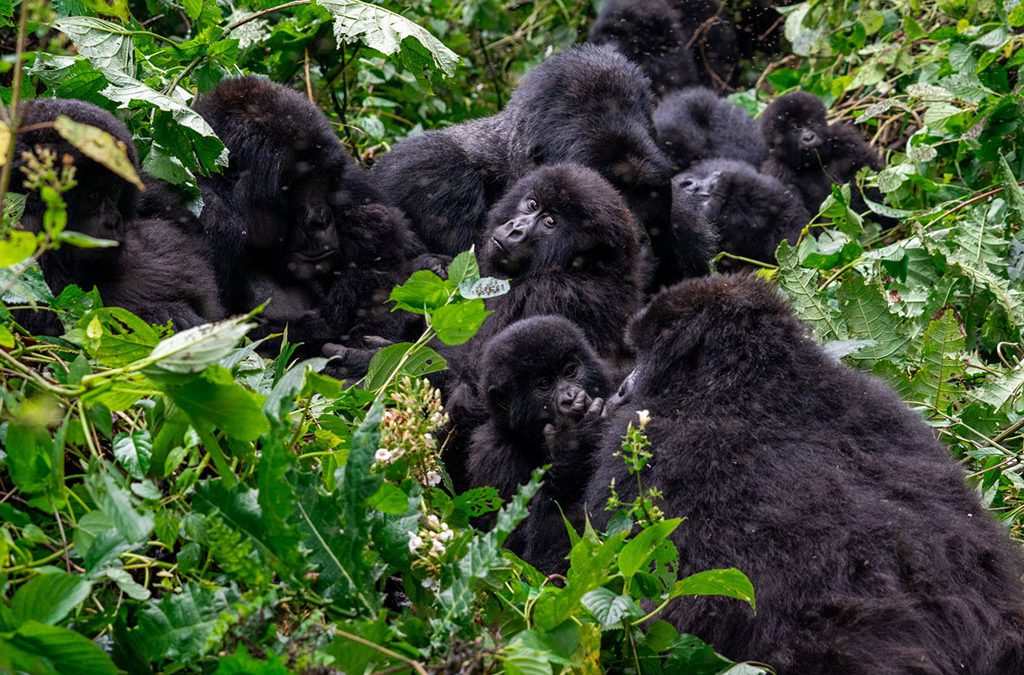
Bwindi National Park is best known as a critical
refuge for endangered mountain gorillas. The park is home to nearly half of the
world’s remaining mountain
gorilla population, making it one of the most important conservation areas
in Africa. The forest provides abundant food sources, nesting sites, and
protection necessary for gorilla survival. Families of gorillas move throughout
the forest while maintaining complex social structures led by dominant
silverbacks. Conservation efforts within the park have allowed gorilla
populations to steadily recover despite historical threats such as habitat loss
and poaching. Visitors to Bwindi have the unique opportunity to observe these
magnificent primates in their natural environment. The park’s role in
preserving mountain gorillas makes it one of the most valuable wildlife
destinations on the African continent.
3. The Ancient
Impenetrable Forest
The forest itself is one of Bwindi’s greatest
attractions. Thought to be over 25,000 years old, Bwindi is among the oldest
surviving rainforests in Africa. The term “Impenetrable” reflects the dense
vegetation that characterizes the landscape. Thick vines, towering trees,
ferns, and tangled undergrowth dominate much of the forest, creating an
atmosphere of mystery and adventure. The ancient ecosystem supports thousands
of plant species that have evolved over countless generations. Walking through
the forest is like stepping into a living museum of natural history. The rich
vegetation not only provides shelter for wildlife but also regulates the local
climate and water systems. Every section of the forest reveals unique ecological
features that contribute to Bwindi’s global conservation importance.
4. Gorilla
Trekking Adventures
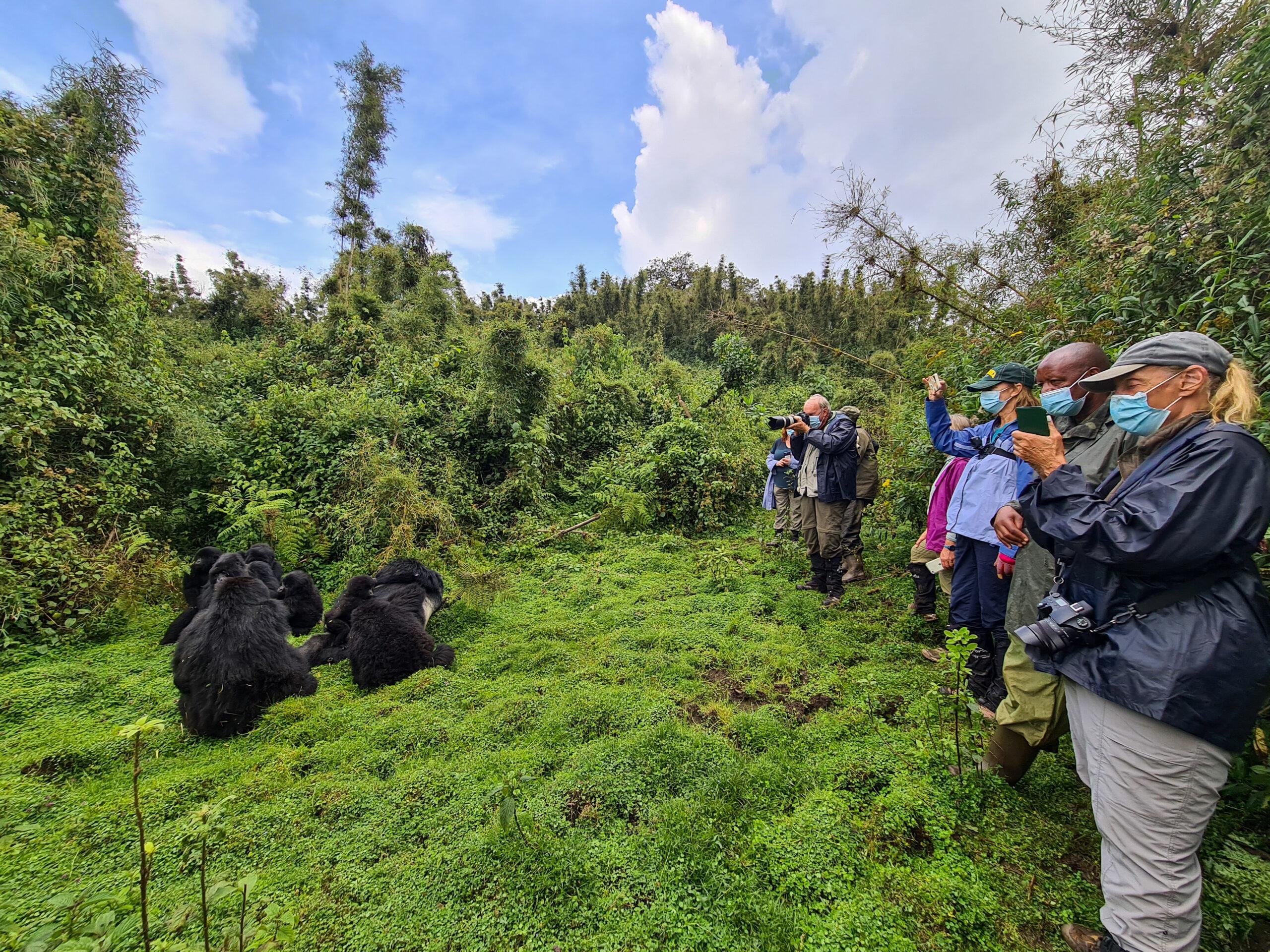
Gorilla trekking is the main activity that draws
visitors to Bwindi
National Park. Trekkers begin their day with a briefing before entering the
forest alongside experienced guides and trackers. Depending on the location of
the assigned gorilla family, the trek may last a few hours or most of the day.
The journey through steep hills and dense vegetation builds anticipation as
visitors search for signs of gorilla activity. Once located, trekkers spend one
unforgettable hour observing the gorillas. Watching family members feed, groom,
rest, or play creates lifelong memories. Every trek is different because
gorillas move freely within the forest. This unpredictability adds excitement
and adventure, making Bwindi one of the most sought-after gorilla trekking
destinations in the world.
5. The Four
Gorilla Trekking Sectors
Bwindi National Park is divided into four gorilla
trekking sectors, each offering unique experiences. Buhoma in the north is the
most established sector and was the first area to start gorilla tourism. Ruhija
in the east is known for scenic views and excellent birdwatching opportunities.
Rushaga in the south hosts the largest number of habituated gorilla families,
providing travelers with multiple trekking options. Nkuringo, also located in
the south, offers challenging hikes and spectacular mountain landscapes. Each
sector provides access to different gorilla families while maintaining strict
conservation guidelines. The diversity of these trekking regions allows
visitors to choose experiences that match their fitness levels, interests, and
travel plans. Together, they contribute to the park’s reputation as Uganda’s
premier gorilla destination.
6. Exceptional
Biodiversity Beyond Gorillas
Although mountain gorillas are the star attraction,
Bwindi is also a biodiversity hotspot. The park supports more than 120 mammal
species, including forest elephants, giant forest hogs, bush pigs, and several primate
species. Numerous reptiles, amphibians, and butterflies thrive within the
forest ecosystem. Bwindi is especially famous among bird enthusiasts, hosting
over 350 bird species, including several Albertine Rift endemics. The diversity
of wildlife ensures that every forest walk offers opportunities to encounter
fascinating species. Ecologists recognize the park as one of Africa’s richest
ecosystems due to its remarkable variety of flora and fauna. This wide range of
wildlife experiences makes Bwindi appealing not only to gorilla trekkers but
also to nature lovers, photographers, and conservation enthusiasts.
7. The
Importance of Gorilla Conservation
Conservation forms the foundation of everything that
takes place in Bwindi National Park. Strict regulations govern gorilla trekking
activities to minimize disturbance to the animals and their habitat. Revenue
generated through tourism supports anti-poaching patrols, veterinary programs,
habitat management, and research initiatives. Rangers continuously monitor gorilla
families to ensure their health and safety. Conservation organizations work
closely with the Uganda Wildlife Authority to protect these endangered
primates. Over the years, these collaborative efforts have contributed
significantly to increasing mountain gorilla numbers. Visitors directly support
conservation each time they purchase a trekking permit. This model demonstrates
how responsible tourism can protect wildlife while generating economic benefits
for local communities and national conservation goals.
8. Local
Communities Around Bwindi
The communities living around Bwindi National Park
play a vital role in the success of conservation efforts. Many local residents
benefit directly from tourism through employment, handicraft sales, guiding
services, accommodation facilities, and cultural experiences. Revenue-sharing
initiatives help fund schools, health centers, and infrastructure projects in
neighboring villages. Community involvement has strengthened positive attitudes
toward wildlife conservation while reducing dependence on forest resources.
Visitors often participate in cultural tours that provide insight into local
traditions and daily life. These interactions help create meaningful
connections between travelers and residents. The partnership between
conservation authorities and local communities serves as a model for
sustainable tourism, demonstrating how wildlife protection and community
development can successfully work together.
9. The Unique
Gorilla Habituation Experience
Bwindi offers more than standard gorilla trekking
through its exclusive
gorilla habituation experience. This activity allows visitors to spend up
to four hours with a gorilla family undergoing the habituation process.
Participants accompany researchers, trackers, and conservation staff as they
gradually help gorillas become accustomed to human presence. The extended time
provides deeper insights into gorilla behavior, communication, feeding
patterns, and social interactions. Wildlife photographers and serious primate enthusiasts
particularly appreciate this immersive experience. Because fewer visitors
participate each day, encounters often feel more personal and educational. The
habituation experience highlights Bwindi’s leadership in conservation research
while giving guests a rare opportunity to observe mountain gorillas in greater
detail than traditional trekking permits allow.
10. Scenic
Landscapes and Natural Beauty
The beauty of Bwindi extends far beyond its
wildlife. Rolling hills, mist-covered valleys, cascading streams, and thick
forests create some of the most impressive scenery in East Africa. The park’s
elevation ranges significantly, resulting in dramatic viewpoints and diverse
habitats. Morning mist drifting through the forest canopy often creates
breathtaking photographic opportunities. Many lodges and viewpoints overlook
lush green valleys stretching toward distant mountains. Nature walks reveal
hidden waterfalls, unique plant species, and spectacular forest panoramas. The
landscape changes constantly as visitors move between trekking sectors,
ensuring diverse and memorable experiences. This stunning natural beauty
enhances every visit and contributes significantly to Bwindi’s reputation as
one of Uganda’s most remarkable destinations.
11. Birdwatching
and Nature Walks
Bwindi National Park is also a paradise for
birdwatchers and hikers. Guided nature walks allow visitors to experience
sections of the forest beyond gorilla trekking routes. Bird enthusiasts can
search for rare species such as the African green broadbill, Shelley’s
crimsonwing, and numerous other Albertine Rift endemics. The forest's rich
plant life supports a variety of insects, butterflies, and smaller mammals that
are often encountered during guided walks. Several trails lead through
different habitats, each offering unique wildlife viewing opportunities. These
activities provide excellent alternatives for travelers seeking additional
experiences within the park. Combining nature walks with gorilla trekking
creates a well-rounded safari experience that highlights the incredible
biodiversity and ecological value of Bwindi National Park.
12. Why Bwindi
Remains Uganda’s Premier Wildlife Destination
Bwindi National Park remains one of Uganda’s most
celebrated attractions because it successfully combines wildlife conservation,
adventure, biodiversity, and community development. The opportunity to
encounter mountain gorillas in their natural habitat remains unmatched anywhere
else in the country. Visitors not only experience unforgettable trekking adventures
but also contribute to the protection of endangered species and support local
livelihoods. The park’s ancient rainforest, diverse wildlife, beautiful
landscapes, and cultural experiences create a complete safari destination.
Whether visiting for gorilla trekking, birdwatching, photography, or nature
exploration, guests leave with lasting memories and a deeper appreciation for
conservation. Bwindi truly represents the heart of Uganda’s wildlife heritage
and continues to inspire travelers from across the globe year after year.
Best time to
visit Bwindi National park
The best time to visit Bwindi Impenetrable National
Park is during the dry seasons from June to August and December to February,
when forest trails are less muddy and gorilla trekking conditions are generally
more comfortable. These months offer easier hiking through the park’s steep
terrain, better wildlife viewing opportunities, and clearer photography
conditions. However, Bwindi’s rainforest climate allows gorilla trekking
throughout the year, and the wetter months of March to May and September to
November often bring fewer visitors and greener scenery. Since mountain
gorillas remain in the forest all year, successful trekking is possible in any
season, making Bwindi a rewarding destination regardless of when you choose to
visit.