
Understanding how to get a Rwanda
visa and what is required helps travelers prepare for a smooth and
hassle-free journey. Rwanda offers a visitor-friendly visa policy, allowing
many travelers to obtain a visa on arrival or apply online through the e-Visa
system before departure. Key requirements generally include a valid passport,
accommodation details, return travel information, and any supporting documents
related to the purpose of the visit. Travelers planning to visit Rwanda
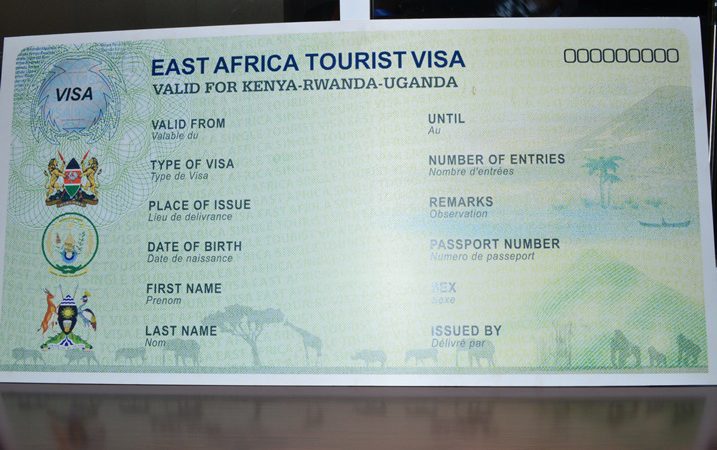
alongside Uganda and Kenya may also benefit from the East Africa Tourist Visa.
Health requirements, including yellow fever vaccination certificates for
travelers from affected countries, should be checked before travel. By
understanding visa fees, validity periods, application procedures, and
extension options, visitors can confidently plan their trip and focus on
enjoying Rwanda’s wildlife, culture, and scenery.
1. Understanding
Rwanda’s Visa Policy
Rwanda has one of the most visitor-friendly visa
systems in Africa, making it easy for tourists, business travelers, and safari
visitors to enter the country. Citizens of all countries can obtain a visa on
arrival at Kigali International Airport and official land borders. Travelers
who prefer to arrange their documents before departure can also apply online
through Rwanda’s immigration portal or at a Rwandan
embassy. Rwanda's open visa policy has helped promote tourism, especially for
visitors interested in gorilla trekking, wildlife safaris, and cultural
experiences. Before traveling, it is important to understand the type of visa
that applies to your trip, the required documents, visa fees, and entry
conditions. Learning these requirements early helps avoid delays and ensures a smooth
arrival process.
2. Visa on
Arrival in Rwanda
One of the easiest ways to enter Rwanda is through
the visa-on-arrival system. Nationals of all countries are eligible to receive
a visa upon arrival at Kigali International Airport and designated land borders.
This means you do not necessarily need to apply before traveling unless you
prefer to do so. Immigration officers process the visa upon arrival after
reviewing your travel documents and confirming your travel purpose.
Visa-on-arrival services make Rwanda particularly convenient for safari
travelers with flexible itineraries. Although the process is straightforward,
visitors should arrive with a valid passport, accommodation details, and any
supporting documents requested by immigration officials. Carrying printed
travel confirmations can help simplify the process and reduce waiting time at
the airport.
3. Applying for
a Rwanda e-Visa
Travelers who prefer to secure their visa before
departure can apply online through Rwanda's official immigration platform. The
e-Visa system allows applicants to submit personal information, passport
details, travel plans, and supporting documents electronically. Once approved,
travelers receive a visa approval notification that can be presented upon
arrival. Applying online offers additional peace of mind, especially for
visitors traveling during busy holiday periods. The online process is designed
to be user-friendly and is available to most international travelers.
Applicants should complete their forms carefully and ensure that all details
match their passports. Incorrect information may result in processing delays or
complications at immigration. The e-Visa remains a popular option among
organized travelers and tour groups.
4. Passport
Requirements for Rwanda
A valid passport is the most important document
required when applying for a
Rwanda visa. Travelers should ensure their passport remains valid for at
least six months beyond their intended date of entry into Rwanda. Immigration
authorities may deny entry to visitors carrying passports with insufficient
validity. It is also recommended that passports contain at least one or two
blank pages for visa stamps and immigration records. Before making travel
arrangements, visitors should inspect their passports for damage and renew them
if necessary. Travelers using temporary travel documents should verify whether
those documents are accepted by Rwandan immigration authorities. Carrying
photocopies or digital copies of your passport can also be useful in case the original
document is lost.
5. Additional
Documents Required
While Rwanda's visa process is generally simple,
visitors may be asked to provide additional supporting documents. These
commonly include proof of accommodation, return or onward flight tickets, and evidence
of sufficient funds to cover the duration of the visit. Tourists participating
in gorilla trekking or safari tours may also present confirmed tour bookings or
lodge reservations. Immigration officers use these documents to verify the
purpose of travel and intended length of stay. Business travelers may require
invitation letters from host organizations within Rwanda. Carrying organized
copies of all travel documents helps speed up immigration procedures. Although
requests vary depending on nationality and travel purpose, having complete
documentation is always recommended for a smooth entry experience.
6. Rwanda Visa
Fees and Validity
Visa fees vary depending on the type of visa
requested and the visitor's nationality. The standard single-entry visitor visa
generally costs up to US$50, while multiple-entry options may cost more. Visa
validity periods differ depending on the category granted by immigration
authorities. Most tourist visas allow visitors to stay for approximately 30
days, although extensions may be available. Travelers should verify the latest
fees and conditions before departure because immigration regulations can
change. Visa fees are typically payable online or upon arrival depending on the
application method chosen. It is important to note that visa fees are generally
non-refundable once an application has been processed, regardless of whether
travel plans change later.
7. East Africa
Tourist Visa Option
Travelers planning to visit Rwanda together with
Uganda and Kenya should consider the East Africa Tourist Visa. This special
visa allows tourists to travel freely among the three participating countries
using a single permit. The visa costs approximately US$100 and remains valid
for 90 days. It is particularly useful for travelers combining Rwanda gorilla
trekking with Uganda wildlife safaris or Kenya beach holidays. Applicants
should apply through the country they intend to enter first. Once issued, the
visa allows multiple movements within Rwanda, Uganda, and Kenya as long as
travelers remain within the three countries. This option simplifies travel
planning and reduces visa expenses for visitors creating extended East African
itineraries.
8. Health and
Vaccination Requirements
Health requirements are an important part of
Rwanda's entry process. Travelers arriving from countries with a risk of yellow
fever transmission may be required to present a valid yellow fever vaccination
certificate. Immigration and health authorities may also introduce additional
screening measures during periods of regional disease outbreaks. Visitors
should monitor travel advisories and health updates before departure. Carrying
proof of vaccinations and other health documentation can help prevent entry
delays. Travelers planning gorilla trekking should also be aware of health
regulations designed to protect endangered mountain gorillas from human
illnesses. Responsible travel includes following all health guidelines,
maintaining personal hygiene, and reporting any symptoms that could affect
wildlife conservation efforts.
9. Visa
Extensions and Longer Stays
Visitors who wish to remain in Rwanda beyond the
duration permitted by their visa can apply for an extension through the
Directorate General of Immigration and Emigration. Applications should be
submitted before the current visa expires. Immigration authorities review
extension requests based on travel purpose, supporting documentation, and
compliance with existing visa conditions. Travelers should avoid overstaying
their visas because penalties and immigration complications may result. Those
planning longer visits for business, volunteer work, or study may need
different visa categories altogether. Understanding the extension process
before arrival can help travelers prepare for potential changes to their itinerary.
Early application is always advisable to avoid unnecessary stress during the
trip.
10. Tips for a
Successful Rwanda Visa Application
Obtaining a Rwanda visa is generally
straightforward, but preparation remains important. Start by checking the
latest immigration requirements, verifying passport validity, and gathering all
supporting documents before departure. Keep digital and printed copies of
important travel records, including hotel reservations, flight itineraries,
travel insurance, and safari bookings. If applying online, ensure all
information matches the details shown in your passport. Travelers planning
gorilla trekking should also secure permits well in advance since they often
sell out during peak seasons. Arriving with organized documents and
understanding immigration procedures helps create a smooth entry experience.
With proper planning, visitors can focus on enjoying Rwanda's stunning
landscapes, mountain gorillas, wildlife, culture, and welcoming hospitality
from the moment they arrive.