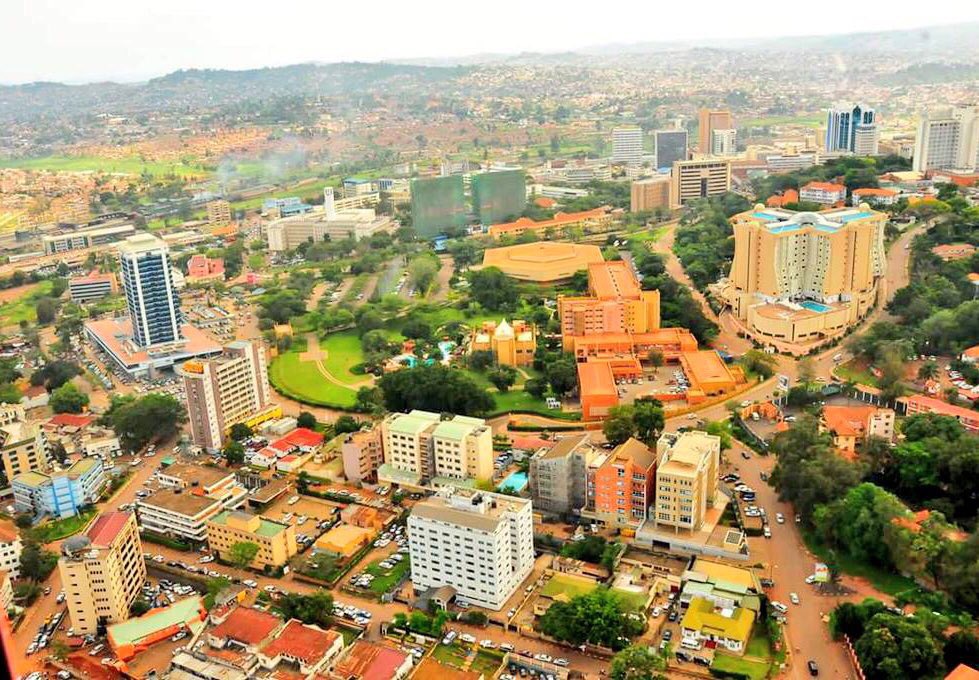

Rwanda remains open for gorilla
trekking and safaris as of late 2026, but "safe" needs a specific
answer. The main concern is not the parks themselves. Volcanoes National Park,
where gorilla trekking happens, is explicitly excluded from the high-risk
border zone in U.S. travel guidance . The real question is whether you are
comfortable traveling to a country that sits next to an active Ebola outbreak
in the Democratic Republic of Congo (DRC) and carries a Level 3
"Reconsider Travel" advisory from the U.S. State Department due to
crime, unrest, and health risks
The Ebola situation is the single biggest factor
right now. The World Health Organization declared the DRC and Uganda outbreak a
Public Health Emergency of International Concern in May 2026 . Rwanda itself
has no confirmed Ebola cases, and the government says tourism is operating
normally . But Rwanda has imposed strict entry rules. If you have been in the
DRC within 30 days before arriving, you will be denied entry . Health screening
at Kigali airport is active. For most travelers flying directly from Europe,
the U.S., or elsewhere without DRC transit, this does not block your trip, but
it adds a layer of uncertainty.
Beyond health, the border with the DRC is a genuine
no-go zone. The U.S. advisory says do not travel within 10 kilometers of the
DRC border due to armed groups and military clashes that could spill over .
Volcanoes National Park is not in that zone, but other parts of Rwanda near the
border are. The Finnish and Swedish foreign ministries also advise against
unnecessary travel to the Rubavu region near the DRC border . If your itinerary
sticks to Kigali, Volcanoes National Park, Nyungwe Forest, and Akagera National
Park, you stay away from the risky border areas.
Crime in Rwanda is relatively low by regional
standards, but petty theft exists in cities and around tourist areas. The U.S.
advisory mentions pickpocketing and occasional burglary . New Zealand's
advisory rates Rwanda as Level 1, "exercise normal safety
precautions," with higher warnings for specific border zones . That is a
more relaxed assessment than the U.S. one. The difference likely comes down to
how each country weighs the regional health situation and proximity to DRC
unrest. Neither advisory says the parks are unsafe for tourists.
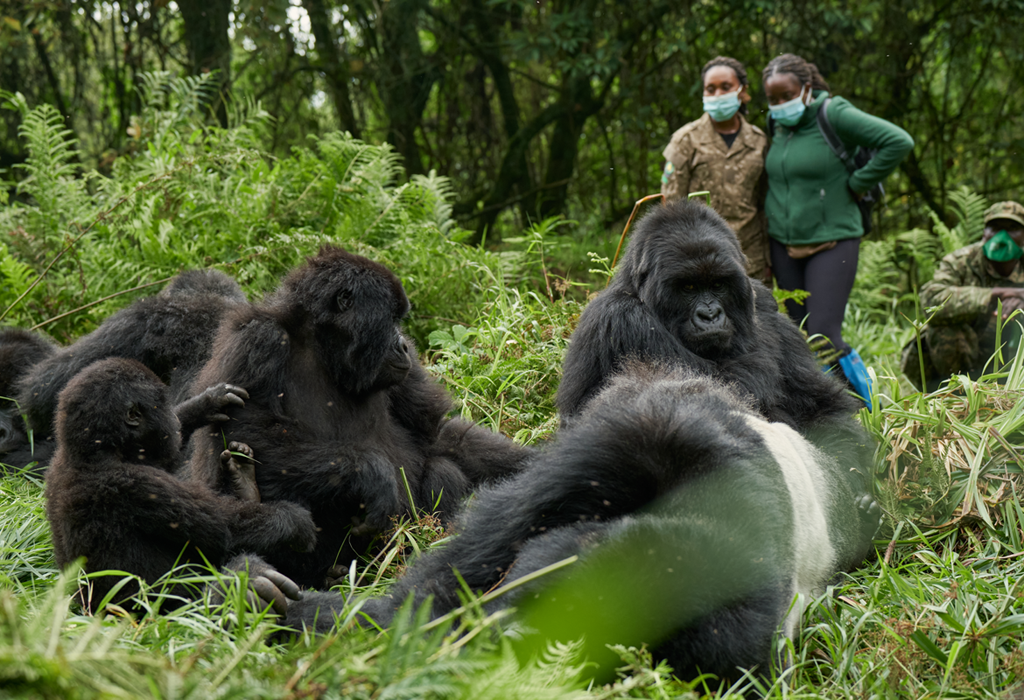
The gorilla trekking experience itself has specific
safety rules that matter for your health. You must stay at least seven meters
away from the gorillas, and you cannot trek if you show cold or flu symptoms . Gorillas
are highly vulnerable to human respiratory illnesses. You will also be
required to wear a surgical mask near the gorillas; the park provides them or
you can bring your own . These rules protect the animals, but they also mean
you need to be honest about your health before you go. Hiking at altitude
between 2,500 and 3,500 meters is physically demanding, and the terrain can be
muddy and steep .
Gorilla permits cost $1,500 for international
visitors, and that price is not changing for the June-October peak season . The
fee is non-refundable, which makes the decision to go a financial commitment.
If you cancel because of Ebola fears or a positive test, you likely lose that
money unless you have travel insurance that covers it. This is a strong
argument for buying comprehensive insurance that includes medical evacuation
and trip cancellation . Medical facilities in Rwanda are limited, and
evacuation could be expensive .
Travel insurance is not optional here, in practical
terms. The U.S. advisory specifically recommends it, noting the government's
limited ability to provide emergency consular services due to the health
situation . New Zealand's advisory also stresses the need for a policy that
covers air medical evacuation because local medical facilities are limited . If
you get sick or injured, you want the option to be flown out. Standard travel
insurance may not cover Ebola-related disruptions, so check the fine print
before you buy.
Timing your trip matters for both safety and
comfort. The dry seasons from June to September and December to February offer
the best conditions for trekking, with less mud and easier trails . The rainy
months from March to May and November make hiking harder and the roads riskier .
The Ebola outbreak is a regional issue, not seasonal, but traveling in the dry
season at least reduces the physical risks of the trek itself. It also means
booking permits far in advance, as those months fill up quickly .
If you decide to go, stick to established tour
operators and follow local guidance. The Rwandan government has kept parks,
hotels, and tourism facilities open and says health surveillance is active .
Using a reputable operator means someone else is monitoring changes in entry
rules or health advisories. Avoid the DRC border zone entirely. Carry a mask
for the gorilla trek. Be prepared for health screening at the airport. And
accept that the situation could change quickly, so flexibility is part of the
deal. The parks are functioning, but the region around Rwanda is not calm.