
Rwanda gorilla trekking is safe for tourists. This
is a common question among travelers, and the answer is straightforward. Rwanda
has been offering gorilla
trekking for many years with an excellent safety record. The Rwanda
Development Board and park authorities have put strict measures in place to
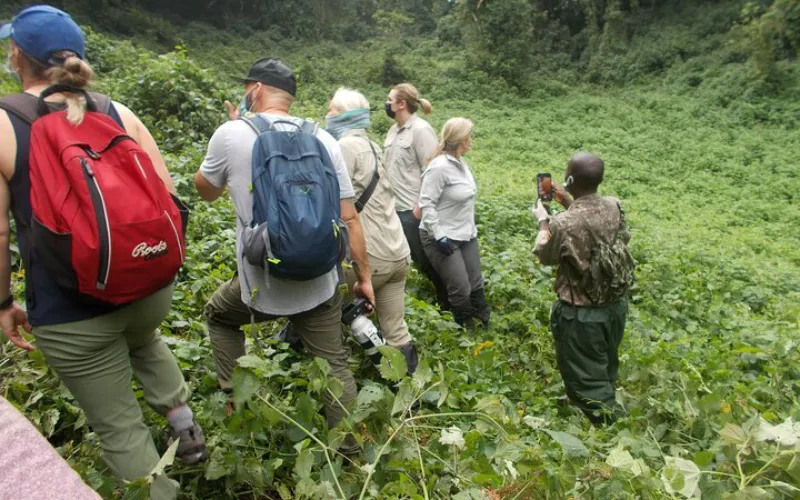
protect both visitors and the endangered gorillas.Every trekking group is led
by trained rangers and armed guards. The gorillas are habituated to humans and
are generally calm. Strict rules, like staying 7 meters away and wearing face
masks, are enforced without exception. Rwanda itself is a stable and safe
country with a strong focus on tourism security. Incidents are extremely rare
and almost always happen when rules are broken. This article gives you 10 clear
reasons why gorilla trekking in Rwanda is safe.
1. Armed Rangers
and Trackers Go With Every Group
Every gorilla
trekking group in Rwanda includes armed park rangers and professional
trackers . These rangers are trained to handle any situation that might
arise in the forest. Their job is to keep you safe from wildlife like forest
elephants and buffalo, which can charge if they feel threatened . The
trackers go ahead of the group to find the gorilla family, so you are not
wandering through the forest without direction . You are never alone or
without expert support during a Rwanda safari. This constant presence of
trained professionals is the main reason why treks are safe. The guides also
control the walking pace and set the rules once you are near the gorillas .
Their experience and knowledge of the forest make a Rwanda safari a
well-protected activity.
2. The Gorillas
Are Habituated and Peaceful
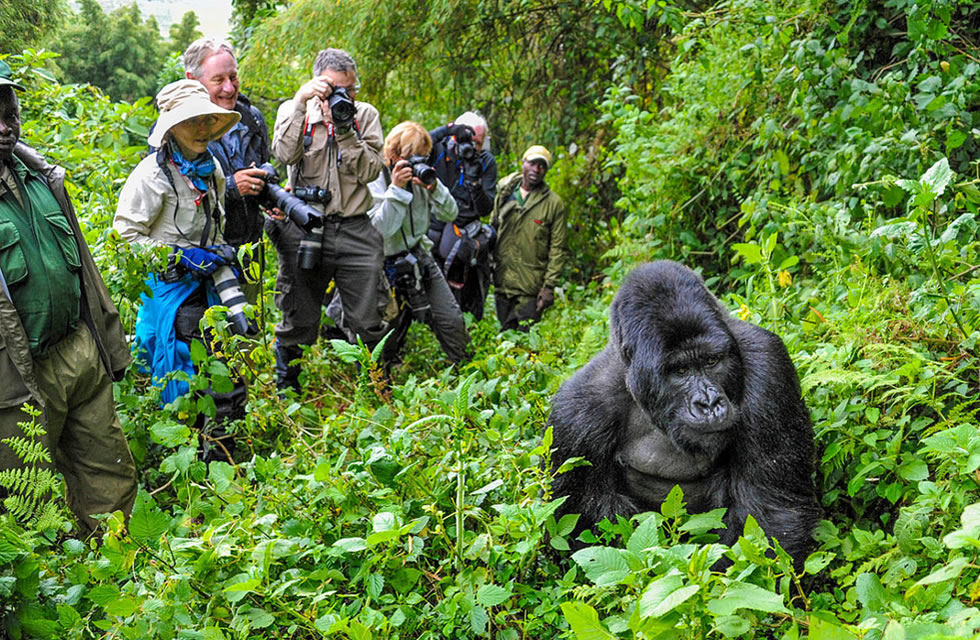
The gorillas you visit in Rwanda are
"habituated," which means they are used to human presence . This
process takes two to three years of daily contact with researchers, so the
gorillas do not see people as a threat . They are generally calm and go
about their normal activities like feeding and resting while you watch. The
gorillas are still wild, but their habituation makes the interaction safe and
controlled . This means you can observe them without the risk of a
dangerous reaction. The silverback, the dominant male, is protective but rarely
aggressive toward visitors who follow the rules . The success of this
habituation is a big reason why a Rwanda safari is considered one of the safest
wildlife experiences in Africa.
3. Strict Rules
Keep You at a Safe Distance
Rwanda enforces strict rules that protect both
visitors and gorillas. You must stay at least 7 meters (about 23 feet) away
from the gorillas
at all times. This distance is a buffer that prevents disease transmission
and reduces stress on the animals. You cannot touch the gorillas or make sudden
movements . Flash photography is banned because it can startle them .
Only eight visitors are allowed per gorilla family per day, which keeps the
groups small and calm . These rules are not suggestions; they are enforced
by the guides. If you follow them, your safety is guaranteed. This strict system
is the cornerstone of safe gorilla trekking in Rwanda .
4. You Cannot
Trek If You Are Sick
The health screening before a trek is strict for a
reason. Gorillas share nearly 99% of their DNA with humans, so they are highly
vulnerable to human diseases like flu, colds, and respiratory infections .
If you show any signs of illness, such as a cough, fever, or sore throat, you
will not be allowed to trek . This rule protects the gorillas, but it also
protects the other trekkers in your group. By stopping sick people from
entering the forest, the authorities prevent the spread of disease. This also
ensures that the park remains a safe environment for everyone . When you
join a Rwanda safari, you are part of a system that prioritizes health and
safety above all else.
5. Face Masks
Are Required Near the Gorillas
One of the most important safety measures in Rwanda
is the requirement to wear a face mask while you are near the gorillas .
These masks create a barrier that prevents you from passing on germs to the
gorillas through coughing, sneezing, or even breathing . The guides pass
out masks before you start the observation period, and you must wear them for
the entire hour. This rule is taken very seriously by the park authorities.
Because gorillas are so vulnerable to human diseases, the masks are a key part
of keeping them healthy. The use of face masks also gives you peace of mind,
knowing that you are doing your part to protect the animals .
6. Gorilla
Attacks on Tourists Are Extremely Rare
Despite the power of mountain
gorillas, attacks on tourists are very uncommon . Most negative
incidents happen only when visitors break the rules, such as getting too close
or ignoring their guide's instructions . The established safety protocols
have a proven track record. One traveler on a Rwanda safari reported that a
guide calmly handled an elephant encounter, showing how well-trained the staff
are . The chances of a dangerous animal encounter are very low as long as
you listen to your guide. This history of safety is a major reason why Rwanda
is trusted by thousands of travelers each year.
7. Professional
Guides Control the Experience
The lead guide on your Rwanda safari has absolute
authority in the forest . They control the walking pace, explain gorilla
behavior, and interpret the body language of the gorilla family . If a
gorilla becomes agitated or charges, the guide tells you exactly what to do,
such as crouching down and avoiding eye contact . Their expertise directly
adds to both the quality and safety of the experience. A good guide can turn a
difficult hike into a safe one by setting a sustainable pace. On a Rwanda
safari, you are in the hands of a professional who has spent years studying the
gorillas and the forest.
8. Rwanda Is a
Safe and Stable Country
Rwanda is considered one of the safest countries in
Africa, with low crime rates and a strong focus on tourism . The
government has invested heavily in conservation and visitor security . The
capital, Kigali, is clean and well-organized, and the tourism infrastructure is
professional. This stability is a major concern for many travelers, and Rwanda
addresses it effectively. During a Rwanda safari, you can travel with
confidence, knowing the country is politically stable and the parks are
well-protected. This peace of mind lets you focus on your experience and enjoy
your trip without worry
9. Physical
Safety Is Managed by the Park
While the trek can be demanding, the park
authorities manage the risks to keep you safe. The terrain is steep, muddy, and
slippery, but guides set a pace that suits the group . If you are worried
about your fitness, you can hire a porter to carry your backpack and help you
on the trail . There is no upper age limit as long as you have a moderate
level of fitness . If you have heart conditions or joint issues, you can
request a shorter, easier trek . This focus on managing physical
challenges ensures that a Rwanda safari is accessible and safe for a wide range
of visitors.
10. Disease
Prevention Protocols Are in Place
In addition to the "sick rule," other
health measures are in place to protect everyone. Hand sanitizers are mandatory
before entering the gorilla habitat . You must also cover your mouth when
coughing or sneezing and turn away from the gorillas to avoid spreading
germs . Even touching plants that gorillas might touch is
discouraged . The guides enforce these protocols strictly. By complying
with these measures, you contribute to a safe and healthy environment for
everyone involved in the trekking experience. This shows that a Rwanda safari
is not just about seeing wildlife, but also about protecting it.
Best time to go
gorilla trekking in Rwanda
The best time to go gorilla trekking in Rwanda is
during the two dry seasons: from June to September and December
to February. During these months, trails are drier and firmer, making the hike
easier and safer on the steep mountain slopes. The weather is also more
predictable, with clearer skies that provide better conditions for photography.
Because these are peak seasons, gorilla permits and accommodation are in high
demand, so you need to book well in advance. However, gorilla trekking is
possible year-round. Trekking during the rainy seasons from March to May and
October to November brings muddier and more challenging conditions, but permits
are easier to get, lodge prices may be lower, and the forest is lush and green
What to pack for
gorilla trekking in Rwanda
Packing properly for a gorilla trek in Rwanda is all
about being ready for the mud, the plants, and the rain. Your most important
item is a sturdy pair of broken-in, waterproof hiking boots with good ankle
support, as the trails in Volcanoes National Park are often steep and
slippery . Wear long, lightweight trousers and a long-sleeved shirt in
neutral colors like khaki or green to protect your skin from stinging nettles
and insects, and choose quick-dry fabric over cotton . Always bring a
waterproof rain jacket, as downpours can happen even in the dry season .
Your daypack must have at least 2 liters of water, energy snacks, a camera
(without flash), sunscreen, insect repellent, a hat, and your trekking permit.
Gardening gloves are also strongly recommended to protect your hands when
grabbing vegetation for balance.