
Yes, gorilla
trekking in Uganda is safe for tourists. This is a common question, and the
answer is clear. Uganda has been running gorilla treks for decades with a
strong safety record. The Uganda Wildlife Authority manages every trek with
trained rangers, armed escorts, and strict rules that protect both visitors and
the gorillas.The gorillas you visit are habituated to human presence and are
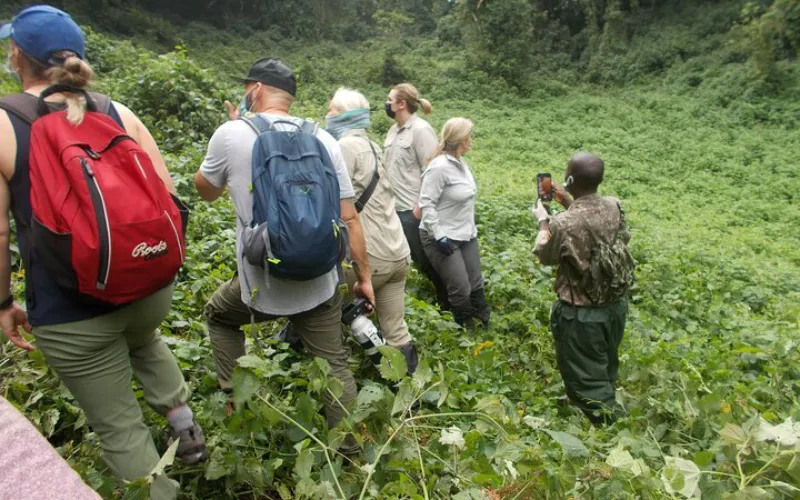
generally calm. Each group is limited to eight people, and you must stay at
least 7 meters away from the animals. If you are sick, you are not allowed to
trek at all. The country is stable, and the parks are well-protected. Incidents
are extremely rare and usually happen only when rules are broken. This article
gives you 10 clear reasons why gorilla trekking in Uganda is safe
1. Highly
Trained Rangers and Armed Escorts
Your safety during a gorilla
trek in Uganda is the top priority for park authorities. Every trekking
group is accompanied by a team of professionals, including a park guide,
trackers, and armed rangers from the Uganda Wildlife Authority . These
rangers are highly trained in gorilla behavior, first aid, and emergency
response . They are there to protect you from any potential wildlife
conflicts and to enforce the strict safety rules. Their presence ensures that
any situation is handled calmly and professionally. You are never alone in the
forest; you are always in the care of experts whose main job is your well-being
and security .
2. Gorillas Are
Habituated and Generally Calm
The gorillas you visit are "habituated," meaning
they have gone through a years-long process to get used to human presence
without losing their wild instincts . This means they do not see people as
a threat and remain calm and relaxed around visitors . Mountain gorillas
are generally shy and peaceful by nature . While a silverback might
display dominance behaviors like chest-beating, this is usually a form of
communication and not aggression . This careful habituation is the main
reason why gorilla encounters are safe and serene rather than dangerous .
3. Strict Safety Rules Are Enforced
To keep everyone safe, Uganda enforces strict
trekking rules. These rules are not suggestions; they are non-negotiable and
enforced by your guides. They include maintaining a minimum distance of 7
meters (about 21 feet) from the gorillas, staying in a tight group, and
avoiding loud noises or sudden movements . The limit of eight visitors per
gorilla family per day also reduces stress on the animals and ensures a calm,
controlled environment for your group . By following these clear rules,
you minimize any risk to yourself and protect the gorillas.
4. You Cannot
Trek If You Are Sick
This rule is vital for safety. Because gorillas
share about
98% of their DNA with humans, they are highly susceptible to our diseases,
like the flu or a cough, which can be fatal to them . If you are sick on
the day of your trek, you will not be allowed to enter the park . This
measure not only protects the endangered gorillas but also ensures the health
and safety of the other trekkers. By barring sick individuals, the authorities
maintain a safe environment for everyone. Always be honest with your guide
about how you feel to protect both the gorillas and your fellow visitors.
5. Uganda Is a
Safe and Stable Country
A common concern for travelers is the overall safety
of the country. Uganda is considered one of the safest safari destinations in
East Africa, with a strong security framework for tourists . The gorilla
trekking parks are located in remote areas that are heavily protected and far
from any political instability . Even during periods of national
elections, the Uganda Tourism Board has confirmed that tourism continues
without disruption, and security at all tourist sites is strengthened .
This proven track record offers peace of mind for your visit.
6. All Treks Are
Professionally Managed
The entire gorilla
trekking operation is professionally managed by the Uganda Wildlife
Authority (UWA) and licensed tour operators . The process is smooth and
organized, from the morning briefing at the park headquarters to being assigned
to a gorilla family based on your fitness level . Trackers go ahead to
locate the gorillas and communicate with your guide via radio, so you are not
wandering aimlessly . This professional management system ensures that
everything runs safely and efficiently, allowing you to focus on the experience
while the experts handle the logistics.
7. Security Is a
Priority for the Tourism Industry
Tourism is a vital part of Uganda's economy, and
over 60% of visitors come specifically for gorilla trekking . This means
that the entire tourism industry, from the government to the lodges and guides,
is highly motivated to ensure your safety . The Uganda Wildlife Authority
maintains a permanent ranger presence and controlled entry points in the parks .
There is even a dedicated Tourism Police unit to help ensure the security and
well-being of visitors . Your safety is not just a rule; it is a shared
responsibility that everyone in the tourism sector takes seriously.
8. Physical
Safety Is Managed
While the trek can be physically demanding, the park
authorities manage the risks to keep you safe. Terrain is often steep,
slippery, and muddy, but guides set a pace that suits the group . If you
are worried about your fitness, you can hire a porter to assist you on the
trail, making the hike significantly easier and safer . There is no upper
age limit, as long as you have a moderate level of fitness . This focus on
managing physical challenges ensures that the trek is a safe, manageable, and
rewarding experience for a wide range of visitors.
9. Incidents Are
Extremely Rare
Despite the power and size of mountain gorillas,
attacks on tourists are extremely rare . Most incidents occur only when
visitors break the rules, such as getting too close to the animals or ignoring
their guide's instructions . The established safety protocols and strict
enforcement have a proven track record. When you follow the rules and respect
the guides' expertise, the chance of a negative encounter is very low. You can
feel confident that the risks are minimal and well-controlled.
10. Disease
Prevention Measures Are in Place
In addition to the "sick rule," other
health measures are in place. In some parks, you are required to wear a face
mask near the gorillas to prevent the spread of human germs . Hand
sanitizing is often part of the routine before and after the trek . These
health protocols are strictly followed, further protecting both visitors and
the gorillas. By complying with these measures, you contribute to a safe and
healthy environment for everyone involved in the trekking experience.
Best time to go
gorilla trekking in Uganda
The best time to go gorilla
trekking in Uganda is during the two dry seasons, from June to
September and December to February. During these months, trails are
drier and less muddy, making the hike easier and safer on steep slopes . The
weather is also more predictable, with clearer skies that provide better
conditions for photography . Because these are peak seasons, gorilla permits
and accommodation are in high demand, so you need to book well in advance .
Trekking during the rainy seasons from March to May and October
to November is also possible. Trails become slippery and more challenging,
but permits are easier to get and lodge prices may be lower. The forest is also
greener during the rainy months, offering a different view of the habitat .
What to bring
for gorilla trekking in Uganda
When preparing for gorilla trekking in Uganda,
proper gear is vital for comfort and safety in the muddy, steep rainforest
trails of Bwindi and Mgahinga. Sturdy, waterproof hiking boots with good ankle
support are your most important item, and they should be well broken-in before
your trip. Wear long, lightweight trousers and long-sleeved shirts in neutral
colors like khaki or green to protect against stinging nettles and insects, and
bring a waterproof jacket for unexpected rain. A daypack is essential for
carrying at least two liters of water, high-energy snacks, insect repellent,
sunscreen, your camera, and personal medication. You will also need your valid
gorilla permit and passport for park entry, and be sure to carry cash for
tipping guides and porters.