
Rwanda is considered one of Africa’s premier safari
destinations, offering unforgettable wildlife experiences, excellent
infrastructure, and world-famous mountain
gorilla trekking. The Rwanda safari tour cost varies depending on factors
such as accommodation level, safari duration, travel season, transportation,
and activities included in the itinerary. Budget safaris generally start from
around $1,500 per person, while mid-range packages range between $3,000 and
$6,000. Luxury safaris often exceed $7,000 and can reach over $15,000 for
exclusive experiences. Gorilla permits, currently priced at $1,500 per person,
are usually the largest expense and significantly influence overall package
costs. Travelers can also enhance their adventures with chimpanzee tracking,
golden monkey trekking, cultural tours, and wildlife safaris in Akagera National
Park. Understanding these cost factors helps visitors plan a safari that
matches both their expectations and budget.
1. Understanding
Rwanda Safari Tour Cost
The Rwanda safari tour cost varies depending on the
type of safari, travel season, accommodation standard, and activities included
in the itinerary. Rwanda is considered one of Africa's premium safari
destinations because of its famous mountain gorilla trekking experience in Volcanoes
National Park. A budget traveler may spend between $1,500 and $3,000 for a
short safari, while mid-range trips usually range from $3,000 to $6,000 per
person. Luxury travelers can expect to spend over $7,000 for exclusive
experiences and high-end lodges. The Rwanda safari tour cost often includes
accommodation, transportation, park fees, guide services, meals, and selected
activities. However, the cost of international flights is usually separate.
Planning your safari early helps secure permits and accommodations, especially
during peak seasons when demand for gorilla trekking experiences is very high.
2. Gorilla
Permit Costs and Their Impact
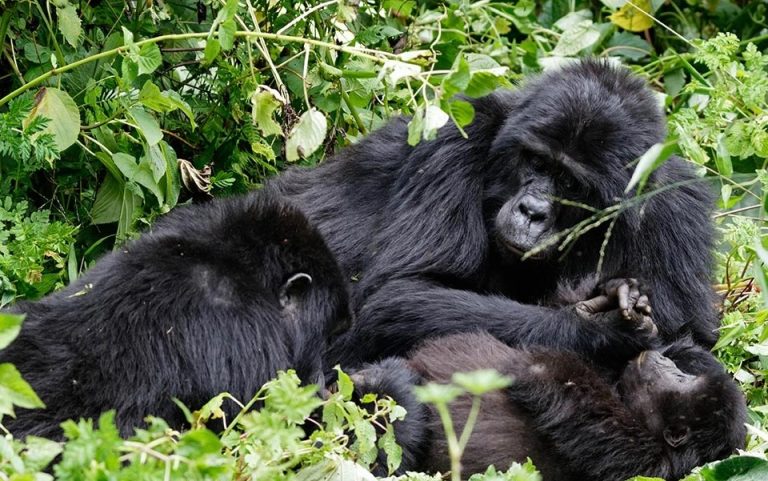
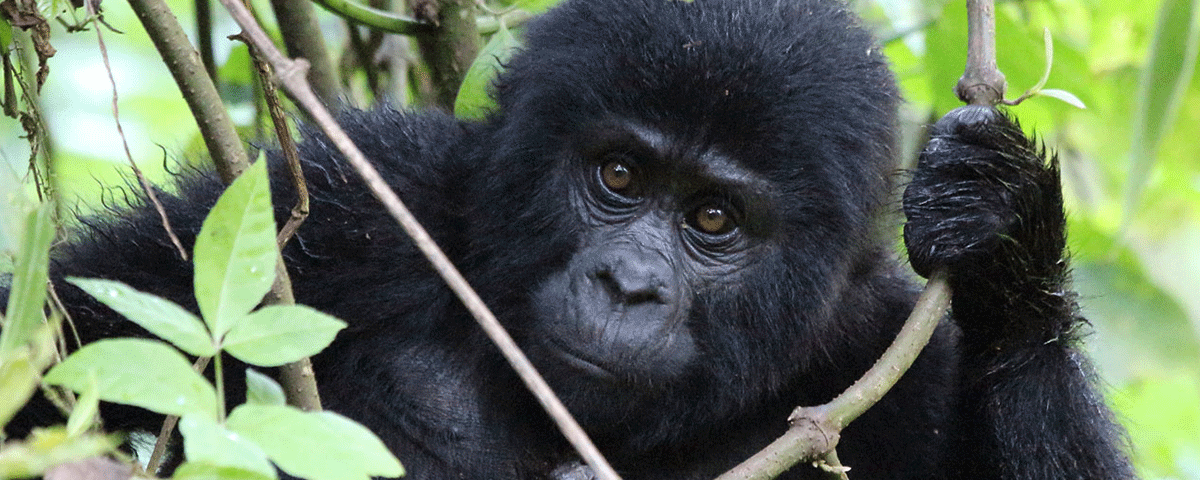
One of the biggest factors affecting the Rwanda
safari tour cost is the mountain
gorilla trekking permit. Rwanda currently charges $1,500 per person for a
single gorilla trekking permit, making it one of the most expensive wildlife
permits in Africa. This permit grants visitors one hour with a habituated
gorilla family under the guidance of experienced trackers and park rangers.
Since every visitor must have a permit to participate, it significantly
influences overall trip expenses. Despite the cost, many travelers consider the
experience worthwhile because of the close interaction with endangered mountain
gorillas. When calculating the Rwanda safari tour cost, tour operators often
include the permit in package prices, making it easier for travelers to budget
accurately and understand the full expense before departure.
3. Budget Safari
Costs in Rwanda
Travelers seeking affordable options can find budget
packages that reduce the Rwanda safari tour cost while still offering memorable
wildlife experiences. Budget safaris generally use simple guesthouses, budget
lodges, and shared transportation. A three to four-day gorilla trekking safari
may cost between $1,500 and $3,000 per person depending on accommodation
choices and travel logistics. While budget packages lower expenses, they still
include the costly gorilla permit, which represents a large portion of the
overall trip cost. Travelers can save money by joining group tours, traveling
during less busy periods, and selecting accommodations farther from major
tourist centers. Even with lower-cost arrangements, visitors can enjoy
excellent wildlife viewing, cultural experiences, and professional guiding
services throughout their journey in Rwanda.
4. Mid-Range
Safari Pricing
Mid-range packages offer a balance between comfort
and affordability. The Rwanda safari tour cost for mid-range travelers
generally falls between $3,000 and $6,000 per person for a five to seven-day
itinerary. These safaris often include comfortable lodges, private
transportation, professional guides, meals, and visits to major attractions.
Travelers can combine gorilla trekking with game drives in Akagera National
Park or chimpanzee
tracking in Nyungwe Forest National Park. Mid-range accommodations
typically provide quality services, scenic locations, and excellent dining
options without the premium rates charged by luxury properties. Many visitors
choose this category because it offers good value while maintaining comfort
throughout the trip. The Rwanda safari tour cost in this range allows guests to
enjoy several activities and destinations within a single itinerary.
5. Luxury Rwanda
Safari Costs
Luxury safaris provide exclusive experiences and
personalized services, leading to a significantly higher Rwanda safari tour
cost. These tours usually start at around $7,000 and can exceed $15,000 per
person depending on the duration and lodge selection. Luxury lodges near
Volcanoes National Park offer exceptional comfort, gourmet cuisine, spa
facilities, and stunning views of the surrounding mountains. Guests often enjoy
private vehicles, expert guides, and customized itineraries tailored to their
interests. Many luxury travelers combine gorilla trekking with helicopter
transfers, cultural visits, and wildlife safaris in Akagera National Park.
While the Rwanda safari tour cost in this category is substantial, it delivers
convenience, exclusivity, and premium hospitality. Luxury safaris are
particularly popular among honeymooners and travelers seeking unforgettable
wildlife encounters.
6. Seasonal
Influence on Safari Costs
The time of year you travel can affect the Rwanda
safari tour cost. Rwanda experiences two main dry seasons, from June to
September and December to February, which are considered peak tourism periods.
During these months, accommodation rates often increase because demand is high.
Travelers visiting during the rainy seasons may find discounted lodge rates and
better package deals. Gorilla permits remain the same price throughout the
year, but savings can be achieved through accommodation and transportation costs.
Wet-season travel may also mean fewer visitors and a more intimate safari
experience. Understanding seasonal price differences helps travelers manage the
Rwanda safari tour cost while still enjoying excellent wildlife viewing
opportunities. Careful timing can make a noticeable difference in the total
budget required.
7.
Transportation and Travel Expenses
Transportation is another major component of the
Rwanda safari tour cost. Most safaris start in Kigali, Rwanda's capital city,
and include road transfers to national parks. Private vehicles with
professional driver-guides typically cost more than shared group tours but
offer flexibility and convenience. Travelers may also choose domestic charter
flights or helicopter transfers for faster travel between destinations.
International airfare to Kigali is generally not included in package prices and
should be budgeted separately. Fuel, park transfers, and airport pickups can
all influence overall costs. Fortunately, Rwanda's compact size means travel
distances are relatively short compared to many African safari destinations.
This helps keep transportation expenses manageable while allowing visitors to
experience several attractions within a limited timeframe.
8. Additional
Activities and Their Costs
Adding more activities can increase the Rwanda
safari tour cost beyond basic gorilla trekking experiences. Popular options
include golden monkey trekking, chimpanzee tracking in Nyungwe Forest, canopy
walks, boat cruises, birdwatching excursions, and cultural village visits.
Golden monkey permits cost substantially less than gorilla permits, making them
a popular addition. Chimpanzee tracking and canopy walks offer unique
opportunities to experience Rwanda's diverse ecosystems and wildlife. Cultural
tours provide insight into traditional Rwandan lifestyles and conservation
initiatives. Each additional activity adds value to the safari but also raises
overall expenses. Travelers should review available options carefully and
choose activities that align with their interests and budget. Including
multiple experiences creates a richer and more diverse safari adventure
throughout Rwanda.
9. Factors That
Determine Final Package Price
Several elements influence the final Rwanda safari
tour cost. The length of the safari is one of the most important factors, as
longer trips require more accommodation, transportation, meals, and guide
services. Accommodation category, group size, and travel season also affect
pricing significantly. Private safaris tend to be more expensive than group
departures because costs are not shared among participants. Luxury lodges and
exclusive camps can increase expenses considerably. Activities, permits, and
transportation choices further shape the final cost of the package. Travelers
who understand these factors can customize itineraries that fit their financial
goals. Comparing different tour options and discussing priorities with a
reputable operator is the best way to achieve value while managing overall
expenses effectively.
10. Is Rwanda
Worth the Cost?
Many travelers wonder whether the Rwanda safari tour
cost is justified, and for most visitors the answer is yes. Rwanda offers some
of Africa's most remarkable wildlife experiences, highlighted by mountain
gorilla trekking in Volcanoes National Park. The country's well-maintained
infrastructure, professional tourism services, safety, and conservation success
contribute to its premium reputation. In addition to gorillas, visitors can
enjoy chimpanzee tracking, game drives, birdwatching, and cultural encounters
within a relatively small and accessible country. Although the Rwanda safari
tour cost is higher than in some neighboring destinations, travelers benefit
from exceptional experiences and high-quality service standards. For wildlife
enthusiasts, photographers, nature lovers, and conservation-minded travelers,
Rwanda delivers unforgettable memories that often outweigh the financial
investment required for the journey.