
Gorilla trekking in Rwanda is moderately difficult
on average, but the actual experience varies enormously depending on which
gorilla family you are assigned to on any given day. It can be a gentle
30-minute walk or a grueling four-hour climb through steep, muddy terrain at
altitude. The key is understanding the variables so you can prepare properly
and manage your expectations. Below is a breakdown of the factors that
determine how hard your trek will be.
The
Unpredictable Trek Length
The single biggest factor in difficulty is trek
duration, and you cannot know it in advance. Gorillas move overnight, so
trackers locate them at dawn and radio their position to guides. Treks can last
anywhere from one to eight hours total . Some families stay close to the
trailhead, requiring only a brisk 30-minute walk . Others nest high in the
volcanoes, demanding hours of uphill effort before you even reach them. You are
grouped by presumed fitness level, and less fit visitors are typically assigned
to closer families, but there is no guarantee .
Altitude and
Steep Volcanic Slopes
Volcanoes National Park sits at high elevation, and
this affects everyone. Trailheads begin around 2,500 meters, and gorillas are
usually found between 2,500 and 3,500 meters . Even fit travelers feel
breathless here, especially without acclimatization. The slopes are volcanic,
meaning steep ascents through bamboo belts and misty forest . A night in Kigali
followed by a night near the park before trekking is the sensible minimum to
adjust . If you arrive straight from the airport and trek the next morning, the
altitude will make the climb feel harder than your fitness level suggests.
Mud, Nettles,
and Rough Terrain
The forest floor is rarely smooth. Stinging nettles
are a constant presence, which is why long sleeves, trousers, and gardening
gloves are recommended . In wet season, trails turn muddy and slippery, making
each step more tiring and increasing the risk of slips . The final approach
often involves leaving the trail entirely, pushing through vegetation with
guides cutting a path by machete . This off-path section is slow and physically
awkward, requiring you to duck, step over roots, and push through brush. Sturdy
high-ankle boots with good grip are essential, not optional .
How Rwanda
Compares to Uganda
Rwanda is generally considered easier than Uganda
for gorilla trekking. Most habituated groups in Rwanda are found within two
hours of the trailhead, and the trails are somewhat more open and gentle than
Bwindi's dense forest . Uganda's Bwindi Impenetrable Forest lives up to its
name, with steeper, muddier, and more densely vegetated terrain . Rwanda's
infrastructure is also better, with shorter drives from Kigali to the park.
That said, Rwanda still has genuinely challenging treks, particularly for families
like Susa that nest high on Mount Visoke and can take five hours to reach
Porters and
Sedan Chairs Make a Difference
You do not have to carry your own bag. Porters are
available at the trailhead for a modest fee, and hiring one is strongly advised
. They carry your daypack, offer a steadying hand on steep sections, and know
the terrain intimately. For visitors with serious mobility concerns, sedan
chairs are available in Rwanda, carried by a team of porters . This option
allows people who could not otherwise manage the hike to still see the
gorillas. Using a porter or chair does not diminish the experience; it makes it
accessible.
Group Assignment
and Fitness Matching
Guides divide trekkers into groups of eight based on
perceived fitness . If you have concerns about your stamina, tell your tour
leader or the guides at the briefing. They can assign you to a family that is
closer and on gentler ground . The system is not perfect because gorilla
movements are wild, but the guides genuinely try to match groups to appropriate
difficulty levels. Being honest about your fitness and any health issues is the
best way to ensure a manageable trek. Do not overstate your ability to avoid a
slower group.
The Physical
Reality on the Day
On the morning of the trek, you will know the
difficulty once you are assigned a family. A short trek might mean 30 minutes
of walking on relatively flat ground before you reach the gorillas . A hard
trek means hours of uphill climbing, possibly in rain, with your heart pounding
from altitude and effort . The return journey is usually faster, especially if
you are descending. The hour with the gorillas themselves is stationary and
calm, giving you time to recover while you watch them feed and interact. The
hard part is the walking, not the observation.
Preparation That
Actually Helps
Fitness matters, but specific preparation helps more
than general gym work. Practice walking on uneven ground, ideally uphill, in
the weeks before your trip. Break in your boots thoroughly. Bring layers
because the morning is cold and the climb makes you sweat. Pack two liters of
water minimum . Carry rain protection for yourself and your camera. If you are
unsure about your ability, consider hiring a porter and requesting a closer
family. The dry seasons of June through September and December through February
offer firmer trails and better conditions .
The Minimum Age
and Health Rules
Rwanda enforces a minimum age of 15 for gorilla
trekking, with no exceptions . This is a park regulation, and passports are
checked. Anyone showing signs of cold or flu will not be permitted to trek
because gorillas are highly vulnerable to human respiratory illness . If you
are sick on the day, you will be turned away. This rule protects the gorillas
and is strictly applied. Plan your health accordingly and do not travel to the
park if you are unwell. Permits are expensive, so this is a real financial consideration
as well.
Managing
Expectations for a Rewarding Trek
The difficulty is real, but it is also part of what
makes the experience meaningful. Thousands of ordinary travelers with average
fitness complete the trek every year. The key is honest self-assessment, good
gear, and willingness to ask for help. If you can walk uphill for a couple of
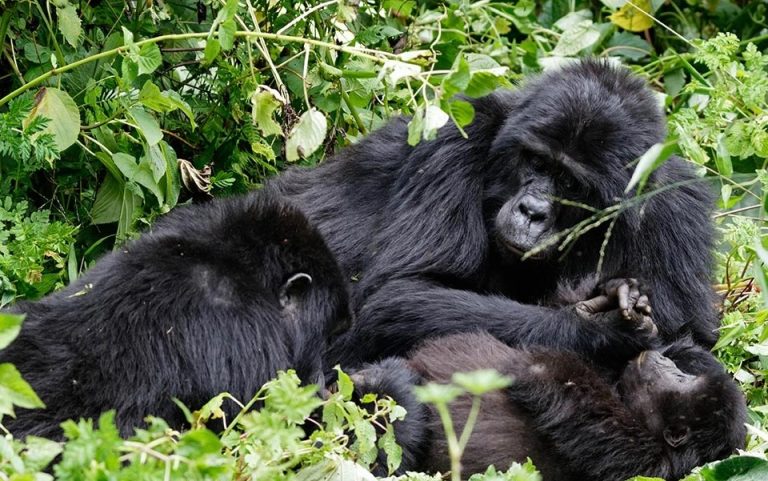
hours with breaks, you can likely manage most treks. The reward is an hour with
a wild gorilla family, close enough to see their expressions and hear them
feed. That hour erases the memory of the climb for most visitors. Prepare
sensibly, and the difficulty becomes a manageable part of an exceptional day.