
Many travelers wonder whether they need a guide
during Uganda
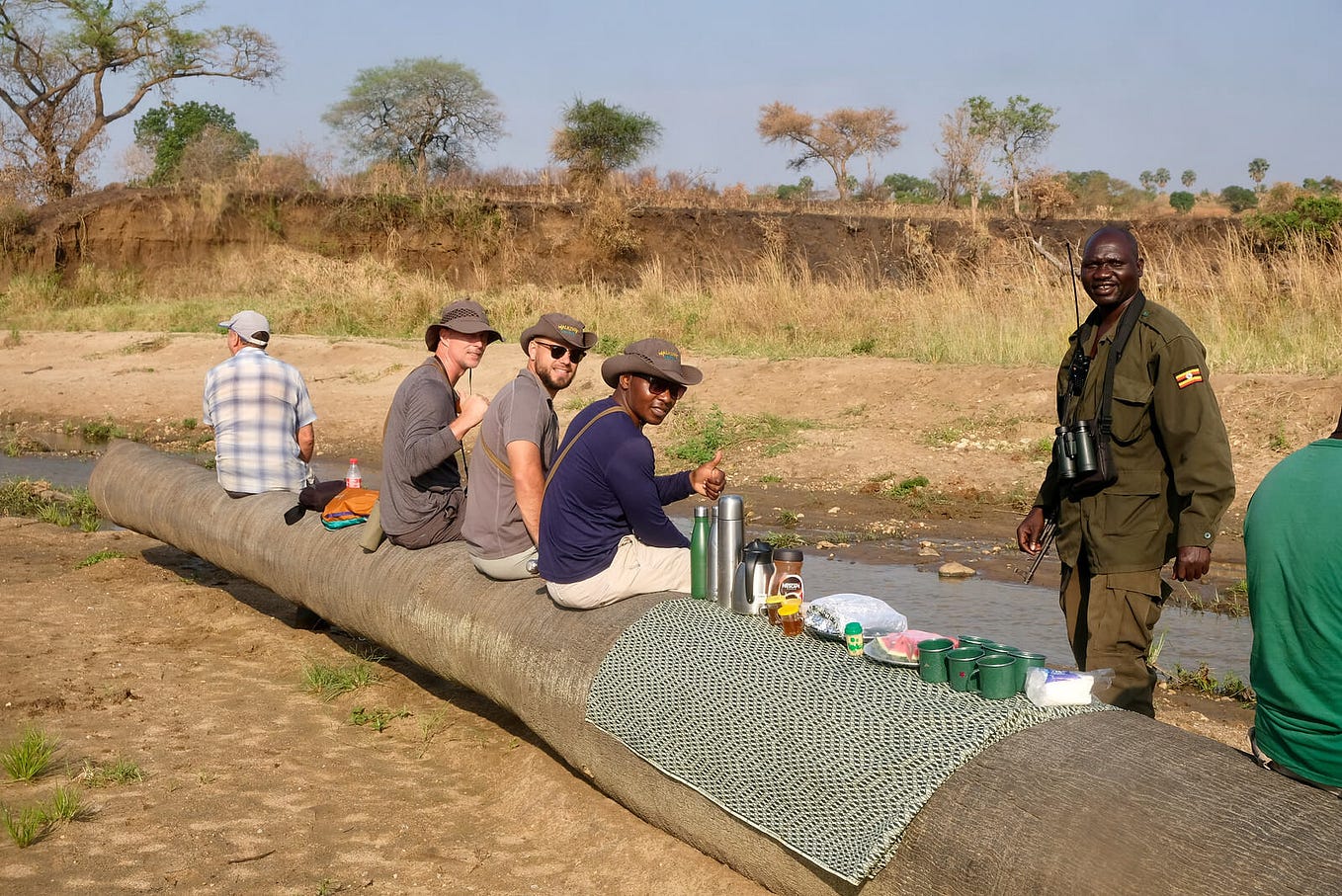
safari tours, and in most cases the answer is yes. Professional guides
improve wildlife viewing, enhance safety, and provide valuable knowledge about
animals, birds, landscapes, and local cultures. They help visitors locate
wildlife more efficiently, manage travel logistics, and ensure activities such
as gorilla trekking, game drives, walking safaris, and boat cruises are
conducted smoothly. Guides also assist photographers, birdwatchers, and
first-time visitors by sharing local expertise that can greatly enrich the
safari experience. While self-drive safaris are possible in some areas, guided Uganda
safari tours often provide better wildlife sightings, greater convenience, and
a deeper understanding of Uganda's natural and cultural attractions.
1. Guides Help
You Find More Wildlife
One of the biggest advantages of having a guide
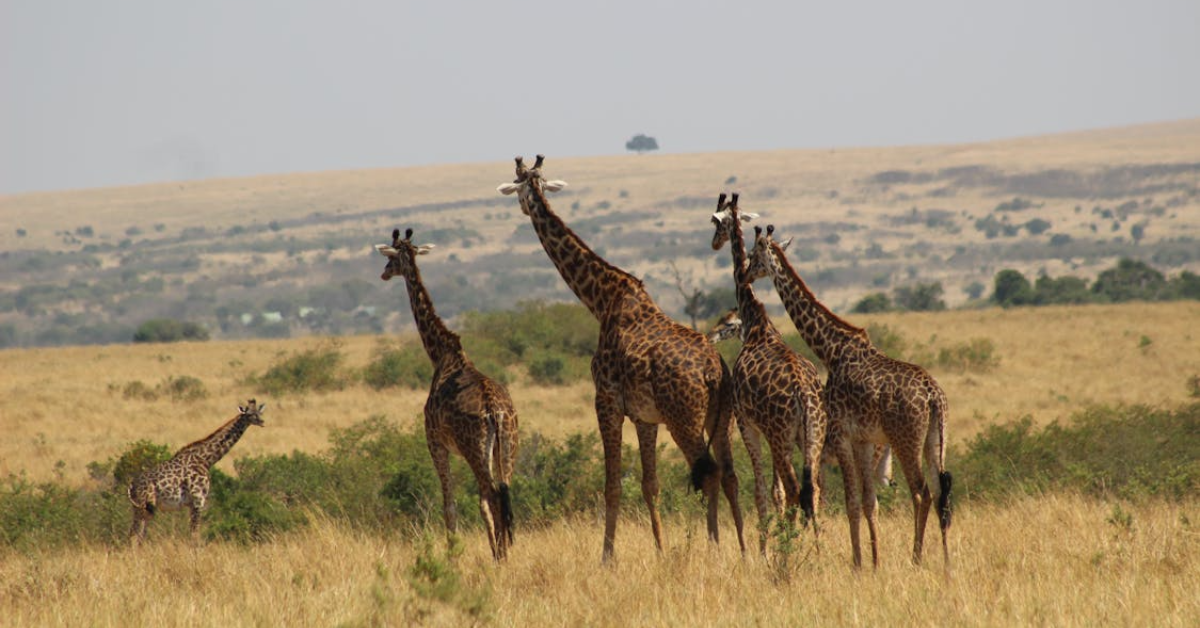
during Uganda safari tours is their ability to locate wildlife efficiently.
National parks such as Queen
Elizabeth, Murchison Falls, and Kidepo Valley cover large areas, making it
difficult for visitors to find animals on their own. Guides communicate with
other rangers and drivers, allowing them to know where lions, elephants,
leopards, and buffaloes have recently been seen. During Uganda safari tours,
this local knowledge increases your chances of seeing more animals in a shorter
period. Instead of spending hours searching without success, travelers benefit
from the guide's experience and familiarity with wildlife behavior. This makes
the safari more productive and gives visitors better value for the time and
money spent on their trip.
2. Guides
Improve Safety During Safari Activities
Safety is another important reason to use a guide
during Uganda
safari tours. Wildlife areas contain large animals that should always be
approached with caution and respect. Professional guides understand animal
behavior and know how to respond in different situations. During Uganda safari
tours, guides help travelers maintain safe distances from wildlife while
ensuring activities are conducted according to park regulations. This is
especially important during walking safaris, boat trips, and game drives in
areas with elephants, buffaloes, hippos, and predators. Visitors unfamiliar
with safari environments may not recognize potential risks. Having an
experienced guide reduces uncertainty and allows travelers to relax while
enjoying the experience. Safety remains one of the strongest reasons to choose
guided safaris.
3. Gorilla
Trekking Requires Trained Rangers
If gorilla trekking is part of your itinerary, a
guide is not optional during Uganda safari tours. Uganda Wildlife Authority
rangers accompany all visitors during gorilla trekking activities in Bwindi
Impenetrable National Park and Mgahinga Gorilla National Park. During Uganda
safari tours, these guides lead trekking groups through the forest while
tracking gorilla families and ensuring visitor safety. They provide
instructions on how to behave around gorillas and help protect both visitors
and wildlife. The forest terrain can be challenging, making local knowledge
extremely valuable. Without guides, finding gorillas would be difficult and
potentially unsafe. Their expertise contributes to a successful trekking
experience while supporting conservation efforts that protect endangered
mountain gorillas and their habitats.
4. Learn More
About Wildlife and Nature
A safari becomes more meaningful when travelers
understand what they are seeing. Experienced guides share information about
wildlife, plants, birds, and ecosystems throughout Uganda safari tours. They
explain animal behavior, migration patterns, feeding habits, and conservation
programs within different parks. During Uganda
safari tours, this information transforms a simple game drive into an
educational experience. Visitors often leave with a deeper appreciation of
Uganda's wildlife because guides answer questions and provide interesting
insights. Without a guide, many details may go unnoticed or misunderstood.
Learning directly from professionals adds value to the safari and helps
travelers understand the importance of protecting wildlife and natural habitats
for future generations.
5. Guides Help with
Birdwatching
Uganda is one of Africa's leading birdwatching
destinations, with more than a thousand recorded bird species. For travelers
interested in birds, guides are especially useful during Uganda safari tours.
Many bird species can be difficult to identify without expert assistance.
During Uganda safari tours, experienced birding guides help locate rare
species, identify calls, and explain habitats and behaviors. Areas such as
Mabamba Swamp, Kibale National Park, Bwindi Forest, and Queen Elizabeth National
Park are famous birding locations where professional guidance greatly improves
the experience. Guides know where to find species that visitors might otherwise
miss. Birdwatchers benefit significantly from local expertise, making guided
tours more rewarding than independent exploration.
6. Guides Make
Travel Planning Easier
Planning a safari involves many details including
accommodation, permits, transportation, park fees, and activity scheduling.
Professional guides simplify this process during Uganda
safari tours by helping travelers navigate logistical challenges. They
understand travel routes, local conditions, and park requirements. During Uganda
safari tours, guides ensure guests arrive at activities on time and help
coordinate movements between destinations. This reduces stress and minimizes
the possibility of mistakes that could affect travel plans. Visitors unfamiliar
with Uganda often find guided safaris easier and more efficient than
independent travel. With the practical details handled by professionals,
travelers can focus more on enjoying wildlife viewing, photography, and other
safari activities throughout their holiday.
7. Guides
Enhance Cultural Experiences
Many Uganda safari tours include cultural visits
alongside wildlife activities. These experiences allow travelers to interact
with local communities and learn about traditional lifestyles. Guides play an
important role by explaining cultural practices, translating conversations, and
helping visitors understand local customs. During Uganda safari tours, cultural
experiences often become more meaningful because guides provide context that
visitors would not receive on their own. Whether visiting the Batwa community,
local villages, or cultural centers, guides help create respectful interactions
between travelers and residents. This improves communication and helps visitors
gain a clearer understanding of Uganda's diverse cultures and traditions.
Cultural experiences often become memorable highlights when supported by
knowledgeable guides.
8. Guides
Improve Photography Opportunities
Photography is a major interest for many people
taking Uganda safari tours. Experienced guides understand animal behavior and
know how to position vehicles for better viewing angles and lighting
conditions. During Uganda safari tours, guides can suggest the best times and
locations for photography based on their knowledge of wildlife movements. This
increases the chances of capturing quality images of animals and landscapes.
Photographers also benefit from guides who know where specific species are
frequently found. Whether photographing gorillas, tree-climbing lions,
elephants, or birds, local expertise contributes significantly to successful
wildlife photography. A guide's knowledge often makes the difference between
average photographs and exceptional wildlife images.
9. Self-Drive
Safaris Have Limitations
While self-drive holidays are possible in some
parks, many travelers find guided Uganda safari tours more rewarding.
Self-driving requires navigation skills, understanding park regulations, and
confidence in handling changing road conditions. During Uganda safari tours,
professional guides manage these responsibilities, allowing visitors to focus
entirely on wildlife viewing. Visitors driving themselves may miss important
animal sightings because they are concentrating on the road. Guides also know
alternative routes and current wildlife locations. Although self-drive travel
offers flexibility, it may not provide the same depth of experience. For
first-time visitors especially, guided safaris often deliver better wildlife
viewing and greater convenience throughout the trip.
10. A Guide Adds
Value to Your Safari Experience
For most travelers, hiring a guide is one of the
best decisions when planning Uganda safari tours. Guides contribute knowledge,
safety, organization, wildlife expertise, and cultural understanding that
significantly improve the overall experience. During Uganda safari tours, their
assistance helps travelers maximize sightseeing opportunities while minimizing
logistical challenges. Whether your interests include gorilla trekking, game
drives, birdwatching, photography, or cultural visits, guides provide valuable
support in every activity. While some experienced travelers may choose
independent exploration, most visitors benefit greatly from professional
guidance. The added value often outweighs the cost, making guided safaris a
worthwhile investment for anyone seeking a richer and more rewarding Uganda
safari experience.
Ready
to plan your next African safari adventure? Contact Zoophilist
Adventures and Safaris for tailor-made
gorilla trekking, wildlife safaris, chimpanzee tracking, and cultural tours
across Uganda, Rwanda, Kenya, and Tanzania.
📧
Email: info@primatetrekkingsafaris.com
mailto:zoophilistadventures@gmail.com
📞
Phone/WhatsApp: +256 760779592
Visit our official website for more information https://primatetrekkingsafaris.com/. Zoophilist Adventures and Safaris specializes in personalized safari experiences, offering expert guidance and carefully crafted itineraries for unforgettable African wildlife encounters