
This guide explains what to expect
when visiting mountain gorillas in Rwanda's Volcanoes
National Park. It covers permit costs at US$1,500 per person, why permits
should be booked months ahead, and the best dry-season months from June to
September and December to February. It outlines the drive from Kigali to
Musanze, how to prepare physically and what gear to pack, and what happens on
trekking day from the morning briefing to the one hour with a gorilla family.
It also covers park rules, accommodation options for every budget, and
activities to combine with trekking such as golden monkeys, Nyungwe, Akagera,
and Lake Kivu
1.
Why Rwanda Gorilla Trekking Is So Special
Rwanda is one of the world's
leading destinations for mountain gorilla trekking, offering visitors a rare
opportunity to spend time with one of the most endangered primates on Earth.
Gorilla trekking takes place in Volcanoes
National Park, located in the Virunga Mountains of northern Rwanda. The
country has built a reputation for offering a well-organized, premium wildlife
experience that combines conservation, community involvement, and sustainable
tourism. Visitors trek through bamboo forests, mountain slopes, and volcanic
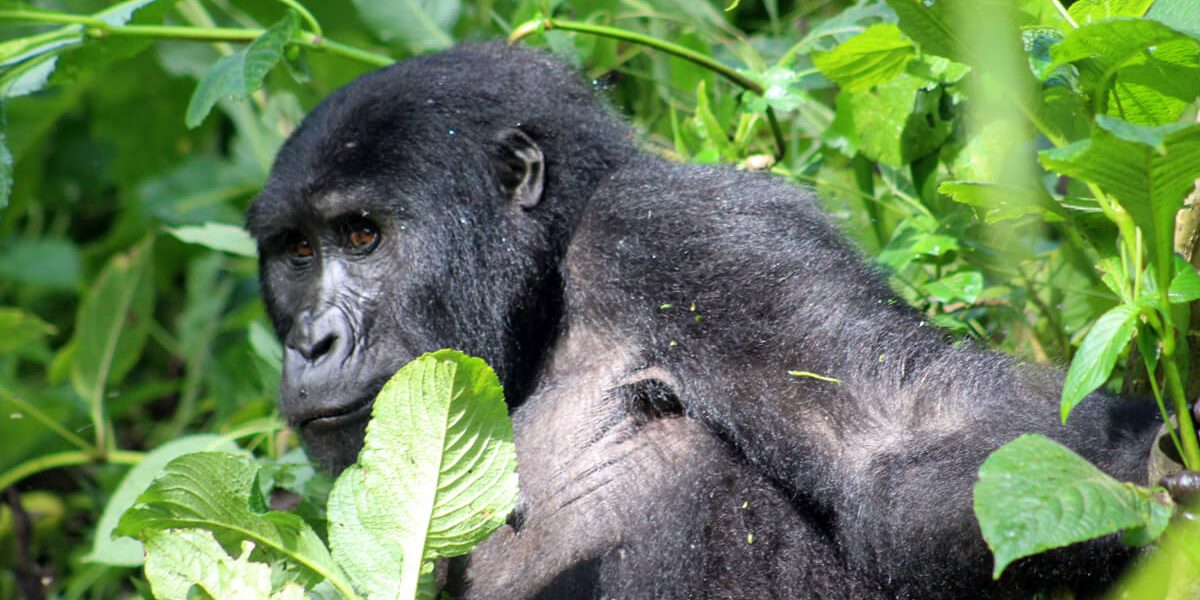
landscapes before meeting a habituated gorilla family in its natural
environment. Watching gorillas interact, feed, groom, and care for their young
creates a powerful wildlife encounter. For many travelers, gorilla trekking is
the main reason for visiting Rwanda and often becomes the highlight of an
African safari.
2.
Understanding Gorilla Permits
A gorilla
trekking permit is the most important document required for the experience.
Rwanda currently charges international visitors US$1,500 per person for a
standard gorilla trekking permit, which includes park entry, ranger guides,
trackers, and one hour with a habituated gorilla family. Permits are limited
because only a small number of visitors are allowed to visit each gorilla
family daily. This system helps protect the gorillas while ensuring a quality
visitor experience. Due to high demand, permits should be reserved several
months before travel, particularly during peak seasons. Tour operators usually
assist with permit reservations as part of safari packages. Securing your
permit early guarantees availability and allows better planning for
accommodation, transportation, and other safari activities within Rwanda.
3.
Best Time to Visit Rwanda Gorillas
Gorilla
trekking is available throughout the year, but some months offer more
comfortable trekking conditions. The dry seasons from June to September and
December to February are generally preferred because forest trails tend to be
less muddy and hiking conditions are easier. During these months, visibility is
often better for photography and walking through the forest is more
comfortable. However, the rainy seasons have advantages as well. The landscape
becomes lush and green, visitor numbers may be lower, and some safari services
may offer greater availability. Gorilla sightings remain excellent all year
because the gorillas stay within the protected park. When choosing travel
dates, consider your hiking ability, weather preferences, and budget while
remembering that permits should be booked well in advance.
4.
Getting to Volcanoes National Park
Volcanoes National Park is located
in northwestern Rwanda near the town of Musanze. One reason Rwanda's gorilla
trekking experience is so popular is its accessibility. Most visitors arrive
through Kigali International Airport and travel by road to the park. The
journey is relatively short and passes through beautiful countryside featuring
rolling hills, local villages, and farmland. Many travelers enjoy spending a
night in Kigali before proceeding to Musanze for their trek. Transfers can be
arranged through tour operators, private guides, or safari companies. Because
of the convenient driving distance, some travelers even complete gorilla
trekking as part of a short stay in Rwanda. Easy access makes Rwanda
particularly attractive for visitors with limited travel time.
5.
Preparing for the Trek
Physical preparation helps ensure a
comfortable and enjoyable gorilla trekking experience. While some gorilla
families are located close to the park headquarters, others require several
hours of hiking through steep terrain. Visitors should prepare for walking on
uneven forest trails that may become slippery after rainfall. Comfortable
hiking boots, long trousers, waterproof clothing, gloves, and a small backpack
are highly recommended. Carrying drinking water, energy snacks, sunscreen, and
insect repellent can also improve comfort during the trek. Hiring a porter at
the park headquarters is worthwhile because porters help carry bags and provide
support on difficult sections of the trail. A reasonable level of fitness is
sufficient for most visitors, and guides adjust the pace according to group
needs.
6.
What Happens on Trekking Day
A gorilla trekking day begins early
in the morning with registration and briefing at the park headquarters.
Visitors are assigned to different gorilla families based on fitness levels,
personal preferences, and availability. Experienced rangers explain trekking
rules, safety guidelines, and gorilla conservation measures before groups
depart into the forest. Trek durations vary considerably, with some gorillas
located nearby and others several hours away. Throughout the trek, guides share
information about the forest ecosystem, wildlife, and conservation efforts.
Once the gorillas are located, visitors are allowed a maximum of one hour with
them. During this time, travelers can observe behavior, take photographs, and
enjoy one of the world's most memorable wildlife experiences while maintaining
appropriate viewing distances.
7.
Gorilla Trekking Rules and Etiquette
Following park regulations is
essential for both visitor safety and gorilla conservation. Visitors must
maintain a safe distance from the gorillas and avoid sudden movements or loud
noises. Flash photography is generally discouraged because it may disturb the
animals. Anyone showing signs of infectious illness may not be permitted to
trek because gorillas are highly susceptible to human diseases. Eating,
drinking, or smoking near the gorillas is prohibited. Visitors should always
follow instructions from ranger guides throughout the experience. Respect for
wildlife ensures that gorilla trekking remains sustainable while protecting
these endangered primates. Responsible visitor behavior contributes directly to
ongoing conservation success and helps maintain healthy gorilla populations
within Rwanda's protected forests.
8.
Where to Stay Near the Park
Volcanoes National Park offers
accommodation options suitable for various budgets and travel styles. Budget
travelers can find comfortable guesthouses and lodges in Musanze, while
mid-range properties provide quality facilities and convenient access to trekking
activities. Luxury travelers can choose from some of Africa's finest safari
lodges, many offering exceptional views of the Virunga Mountains. Accommodation
near the park often includes comfortable rooms, quality dining, beautiful
gardens, and personalized service. Many lodges assist with trek logistics such
as transportation to briefing points and packed lunches for trekking days.
Staying close to the park headquarters reduces early-morning travel and allows
visitors to fully enjoy the experience. Advance booking is strongly
recommended, particularly during peak trekking seasons.
9.
Other Activities to Combine with Gorilla Trekking
Although gorilla trekking is
Rwanda's star attraction, there are many other experiences worth including in
your itinerary. Visitors can track golden monkeys in Volcanoes National Park,
hike to the Dian Fossey research site, or climb one of the Virunga volcanoes.
Nyungwe National Park offers chimpanzee tracking, canopy walks, and birdwatching
opportunities, while Akagera National Park provides classic wildlife safaris
featuring lions, elephants, buffaloes, giraffes, and numerous antelope species.
Lake Kivu adds opportunities for relaxation, boat trips, and beautiful lakeside
scenery. Kigali itself offers museums, cultural sites, and memorials that
provide insight into Rwanda's history. Combining these attractions creates a
more complete safari experience and allows travelers to appreciate the
country's diverse landscapes and wildlife.
10.
Final Thoughts on Visiting Rwanda Gorillas
Visiting Rwanda's mountain gorillas
is one of Africa's most rewarding wildlife experiences. From the moment you
enter the misty forests of Volcanoes
National Park to the unforgettable encounter with a gorilla family, every
stage of the journey creates lasting memories. The country's strong commitment
to conservation, visitor safety, and sustainable tourism has made Rwanda one of
the world's leading gorilla trekking destinations. Although the permit cost is
significant, many travelers consider the experience worth every dollar because
of the rare opportunity to observe mountain gorillas in their natural habitat.
With proper planning, suitable preparation, and guidance from experienced
safari operators, a Rwanda gorilla trekking adventure can become a
once-in-a-lifetime experience that remains memorable long after your safari
ends.