
Uganda, famously hailed by Winston Churchill as the
"Pearl of Africa," is a compact country that packs an extraordinary
diversity of landscapes and wildlife into its borders. Nowhere else on the
continent can you track endangered mountain
gorillas through misty rainforests in the morning and embark on a classic
savannah game drive in the afternoon, all within a single journey. From the
thunderous power of the Nile at Murchison Falls to the serene beauty of Lake
Bunyonyi's island-dotted waters, Uganda offers an authentic, unspoiled safari
experience. Whether you seek the adrenaline of encountering tree-climbing
lions, the intelligence of wild chimpanzees, or the profound stillness of a
sunrise over volcanic crater lakes, this remarkable nation promises adventure
at every turn. For the discerning traveller, Uganda is not merely a destination
it is a deeply enriching, life-affirming odyssey.
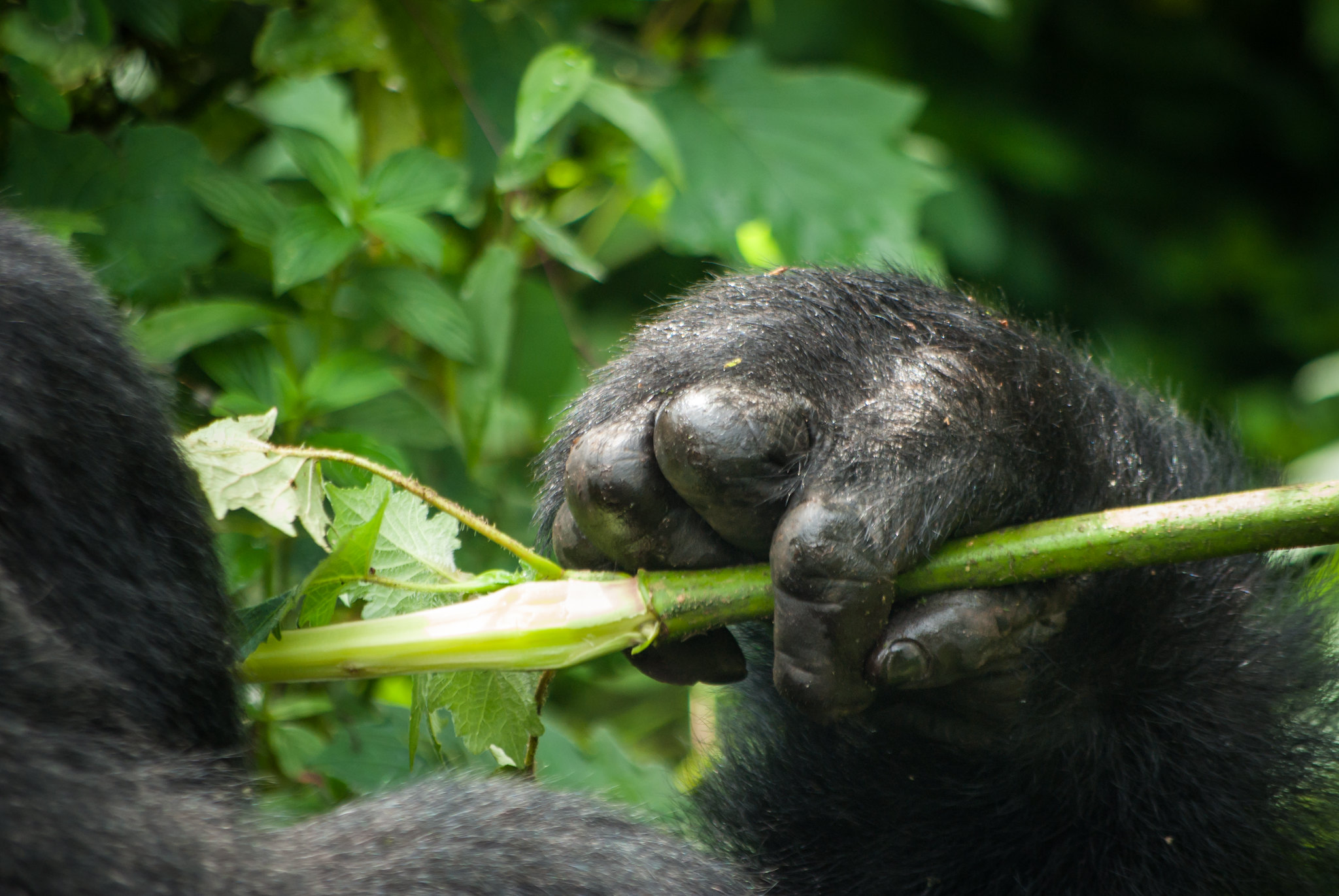
1. Gorilla
Trekking in Bwindi Impenetrable Forest
Home to over half the world’s
mountain gorillas, this UNESCO rainforest offers the ultimate primate
encounter. Trekking through steep, dense vegetation can take hours, guided by
trackers who follow fresh spoor. Upon locating a habituated family, you spend one
magical hour observing them watching silverbacks rest, mothers nurse, and
juveniles playfully tumble. This intimate, raw connection in the misty
highlands is profoundly moving and a definitive bucket-list achievement,
representing conservation’s greatest success story in the heart of Africa.
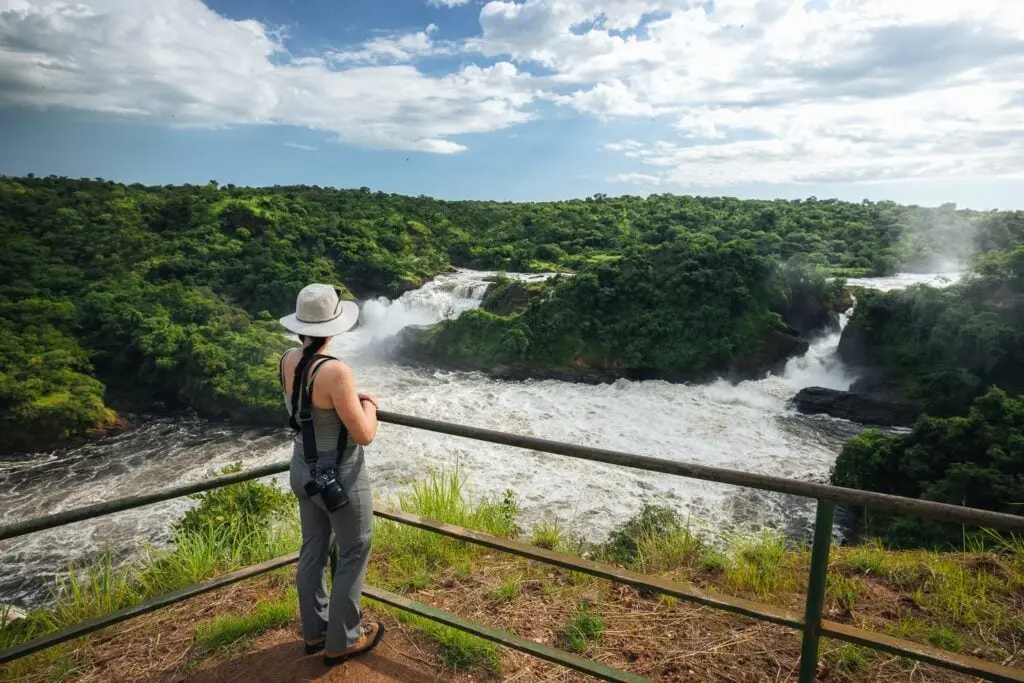
2. The Mighty
Murchison Falls
Here, the world’s longest river is violently funnelled through a six-metre-wide
gorge, plunging 43 metres in a thunderous, spray-laden explosion. This is the
most powerful waterfall on Earth. The spectacle is best experienced from below
via a morning boat cruise along the Nile, where you dodge hippos and crocodiles
to feel the mist on your face. For a different perspective, hike to the top to
watch the river’s raw power as it forces its way through the ancient rocks,
creating perpetual rainbows.
3. Tree-Climbing
Lions of Ishasha
In the remote southern sector of Queen Elizabeth Park, lions defy conventional
behaviour by hauling their heavy bodies into massive fig and acacia trees. This
rare adaptation likely to escape ground heat, tsetse flies, and catch cooler
breezes is a photographer’s dream. They drape their paws lazily over branches,
offering surreal sightings against the savannah skyline. Unlike the
ground-hugging lions elsewhere, these arboreal predators provide a unique twist
on the classic African safari, making Ishasha a non-negotiable detour for any
wildlife enthusiast.
4. Chimpanzee
Tracking in Kibale Forest
With nearly 1,500 chimpanzees,
Kibale boasts Africa’s highest primate density. Walking through the lush,
bird-filled forest, your guide listens for the iconic pant-hooting calls that
signal a troop’s location. Once found, you watch our closest living relatives
swing effortlessly through the canopy or forage on the ground. Their complex
social politics, tool-using intelligence, and boisterous energy are
captivating. It’s an exhilarating, physically active trek that offers a
fascinating glimpse into primate evolution, often accompanied by sightings of
rare red colobus and L’Hoest’s monkeys.
5. A Boat Cruise
on the Kazinga Channel
This 32-kilometre natural waterway linking Lake Edward and George is a wildlife
magnet, hosting the world’s highest concentration of hippos. The two-hour boat
trip offers a front-row seat to hundreds of grunting pods, enormous Nile
crocodiles, and elephants or buffaloes wading in to drink. The shoreline is a
frenzy of birdlife, with kingfishers and fish eagles dive-bombing the water. It
provides a serene contrast to dusty game drives, delivering exceptional
photography opportunities and an intimate look at how the savannah relies on
this vital water source.
6. Classic Game
Drives for the "Big Four"
While rhinos are absent in the
wild, Queen
Elizabeth and Murchison Falls parks deliver spectacular sightings of the
other Big Five members. Dawn and dusk game drives reveal massive elephant herds
kicking up dust, lumbering Cape buffalo with their distinct bossed horns, and
pride of lions lounging under bushes. Patient searching may reward you with a
leopard’s elusive, spotted silhouette draped over a branch. Complement these
with sightings of the endangered Rothschild’s giraffe, and you have a
quintessential savannah experience packed with epic predator-prey dynamics.
7. The Scenic
Crater Lakes
Surrounding Queen Elizabeth
National Park, this region features over ten ancient volcanic craters now
filled with deep, shimmering lakes. A crater-drive tour offers sweeping
panoramic vistas from the crater rims, overlooking farms and forests nestled
within these geological bowls. A highlight is Lake Katwe, where you can witness
the traditional, back-breaking salt extraction methods passed down through
generations of local communities. This scenic detour perfectly blends
breathtaking landscapes with authentic cultural interaction, offering a
geological history lesson unlike anywhere else in Uganda.
8. White Rhino
Tracking at Ziwa Rhino Sanctuary
This sanctuary is Uganda’s sole
haven for the southern white rhino, reintroduced after extinction in the 1980s.
Walking alongside a ranger, you track these formidable, square-lipped grazers
through open savannah and papyrus swamps. Getting relatively close to a
two-tonne rhino on foot, with its iconic horn and prehistoric appearance,
delivers an adrenaline rush. This crucial conservation success story also
conveniently completes your “Big Five” checklist, making it a perfect stopping
point on the main highway en route to Murchison Falls National Park.
9. The Remote
Wilderness of Kidepo Valley
Tucked in the far northeastern corner against the Kenyan and Sudanese borders,
Kidepo offers a rugged, semi-arid landscape of immense savannah plains and
jagged mountains. It feels like a true frontier wilderness, home to unique
wildlife rarely seen elsewhere in Uganda, including cheetahs, ostriches, and
bat-eared foxes. Game viewing here is wonderfully uncrowded, often allowing you
to have the sprawling landscape entirely to yourself. The stunning, dramatic
scenery and sheer isolation make it an unmatched destination for the seasoned,
adventurous traveller seeking Africa’s raw edge.
10. The Serene
Lake Bunyonyi
Meaning "place of little birds," this breathtaking highland lake is
dotted with 29 lush islands and surrounded by steep, terraced hills. Unlike
many lakes in the region, it is bilharzia-free and crocodile-free, making it
safe for swimming and canoeing. It’s the ultimate antidote to the adrenaline of
gorilla trekking. Glide silently across its calm, often mirror-like waters in a
traditional dugout canoe, visiting local communities on the islands. The
tranquil atmosphere, spectacular sunsets, and crisp air provide the perfect
reflective ending to a busy Ugandan safari.
Best time to go
for Uganda safari holiday
The best time to go for a Uganda safari holiday is
during the dry seasons from June to September and December to February, when
wildlife viewing is at its most rewarding, gorilla trekking trails are less
slippery, and park roads are more accessible. These months offer clear skies,
shorter grasses that make spotting animals easier, and excellent conditions for
both game drives and primate tracking. Birdwatchers will also enjoy December to
February, when migratory species arrive. While the rainy seasons of March to
May and October to November bring lush scenery, fewer tourists, and lower
prices, they can make trekking and road travel more challenging. Overall, the
dry months provide the most comfortable and reliable safari experience.