
Mountain gorillas
in Rwanda exhibit a rich tapestry of behaviors, from complex social
dynamics to unique forms of communication. The dominant silverback maintains
order within the multi-male, multi-female group, frequently reinforcing his
status by displacing subordinate males from feeding or resting spots, a typical
behavior that establishes hierarchy. Sometimes, younger males challenge his
leadership, especially when females are reproductively receptive, leading to
increased tensions and competition for mates.
One of the most iconic gorilla
behaviors is chest beating, performed by adult males. This non-vocal,
drumming sound is not random; research shows that the audio frequencies of
these beats convey honest information about the individual's body size. Larger
males produce lower-frequency sounds, likely due to larger air sacs near their
larynx. This allows gorillas to communicate their size and fighting ability to
rivals and potential mates across the dense forest, sometimes from over a
kilometer away.
While the silverback is central, female
relationships are profoundly important. Long-term research reveals that female
gorillas maintain strong social bonds, actively seeking out familiar females
when they disperse to new groups to avoid inbreeding. Even after years of
separation, a female will preferentially join a group containing a former companion,
highlighting the value of these "friendships" for social support and
integration. These long-distance connections are a key aspect of their social
structure.
Dominant silverbacks can also display remarkable
paternal care. A poignant example is Ishavu, who became the sole caregiver for
his young son after the mother left. He stays close, grooms, and engages in
play with the youngster, ensuring he learns essential survival skills. This
devotion suggests that strong paternal bonds are vital for the development of
orphaned infants, and lessons learned from their own childhood can shape a
silverback's future caregiving abilities.
The group dynamic is further characterized by the
behavior of younger gorillas, such as sub-adult males who seek to attract
females and prove themselves. These individuals may engage in displays to show
off, which can create conflicts, prompting the silverback to use disciplinary
vocalizations, known as pig grunts, to restore calm. Even youngsters are active
participants, with young females sometimes showing interest in males and
engaging in mating behaviors.
Gorillas also learn and adapt their behaviors based
on their environment. The small group of Ishavu and his son, for instance, has
established a stable routine in the alpine zone, a quiet area where they can
find all the food they need without traveling far, demonstrating remarkable
adaptability. This flexibility ensures their survival and well-being by
avoiding unnecessary conflict with neighboring groups.
During daily movements, gorillas exhibit coordinated
behaviors, such as walking in a line where the dominant individual may
"pass" others to assert its position. The entire group also displays
synchronized resting patterns, often clustering around the silverback, which
highlights his role as the central figure providing protection and stability.
This proximity reinforces social cohesion within the group.
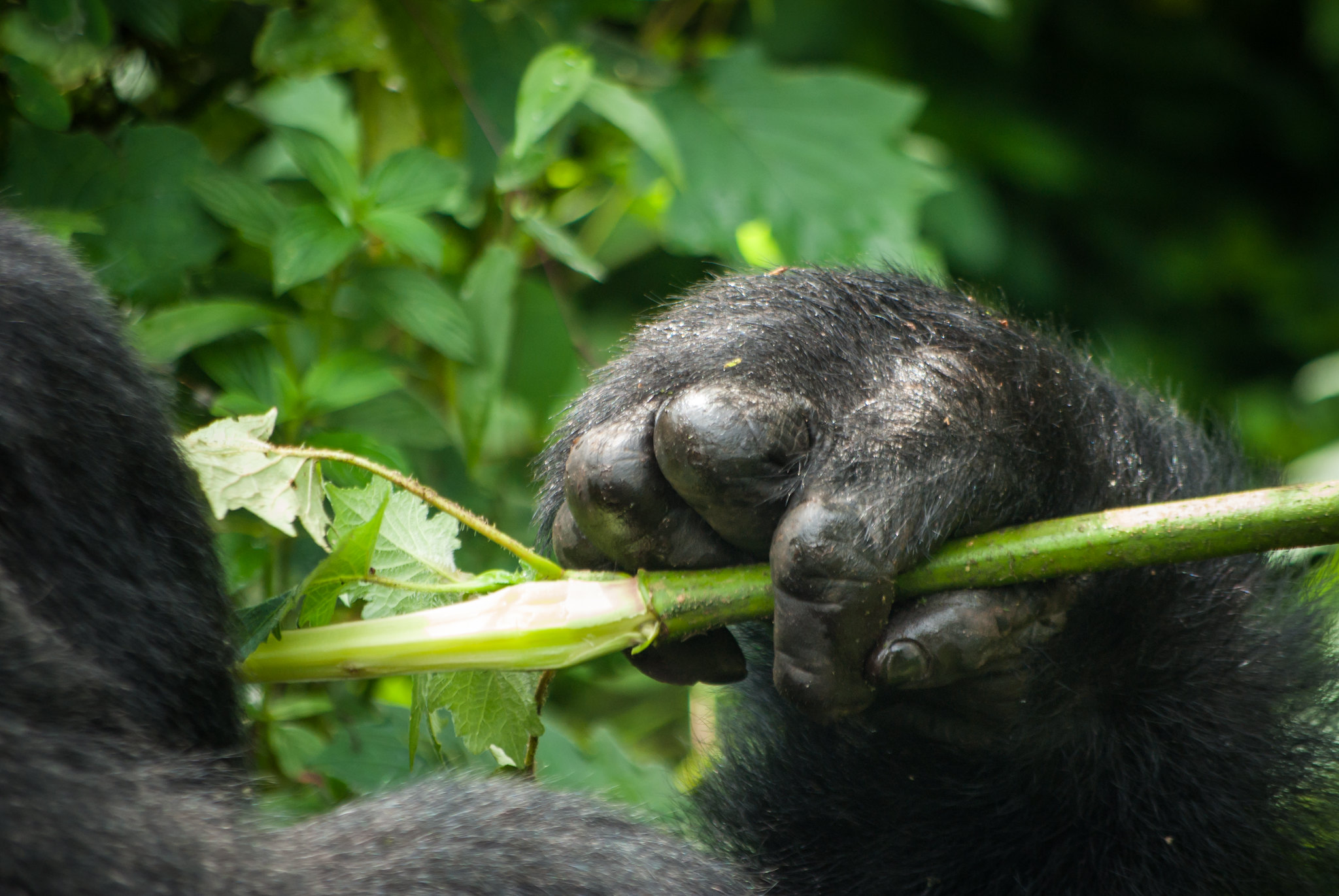
Grooming is another fundamental social behavior. It
serves both a hygienic purpose and reinforces social bonds among all group
members. Silverbacks
are often observed grooming young infants, and females groom each other,
strengthening alliances. Regular grooming interactions help maintain the
complex web of relationships that defines gorilla society.
When selecting a new group, female gorillas make
strategic decisions beyond simply finding familiar companions. They actively
avoid groups containing males they grew up with, likely an evolved strategy to
prevent inbreeding. The context of familiarity is key; it is the specific
nature of their past relationships that guides their choices for their future group,
demonstrating sophisticated social awareness.
Finally, gorillas are highly social animals that
rely on their intricate group structures for survival. Behaviors like chest
beating, grooming, and the maintenance of long-distance friendships are all
part of a complex communication system and social network. These behaviors
highlight the intelligence and emotional depth of mountain gorillas,
underscoring the importance of protecting their habitat to allow these vital
social bonds to flourish
Best time to see
gorillas in Rwanda
The best time to see mountain
gorillas in Rwanda is generally during the two dry seasons, from June
to September and December to February, when trails in Volcanoes
National Park are drier and less muddy, making trekking easier and more
comfortable . These months also bring thinner vegetation and clearer views
for observing and photographing the gorillas . However, gorilla trekking
is possible year-round, and the rainy seasons from March to May and October to
November offer unique advantages . During this time, the landscapes are
lush and vibrant, there are fewer tourists, lodges often offer lower rates, and
gorillas may move to lower altitudes, which can sometimes shorten the
trek . Be prepared for muddy, slippery trails and proper rain gear if you
choose a wet-season visit