
Rwanda's gorilla trekking has become a global
bucket-list experience, and its fame compared to Uganda is not without reason.
The country has built a reputation for offering a more convenient and
luxury-focused wildlife experience. The proximity of Volcanoes
National Park to Kigali means you spend less time on the road and more time
with the gorillas. The treks are often shorter, the forest is more open for
photos, and the overall operation feels polished and well-managed. While the
permits cost more, many travelers find the added comfort, safety, and
efficiency worth the price. This guide gives you 10 clear reasons why Rwanda is
the more famous choice. It focuses on practical differences from accessibility
to accommodation so you can decide which destination fits your travel style and
budget better.
1. Quick and
Easy Access
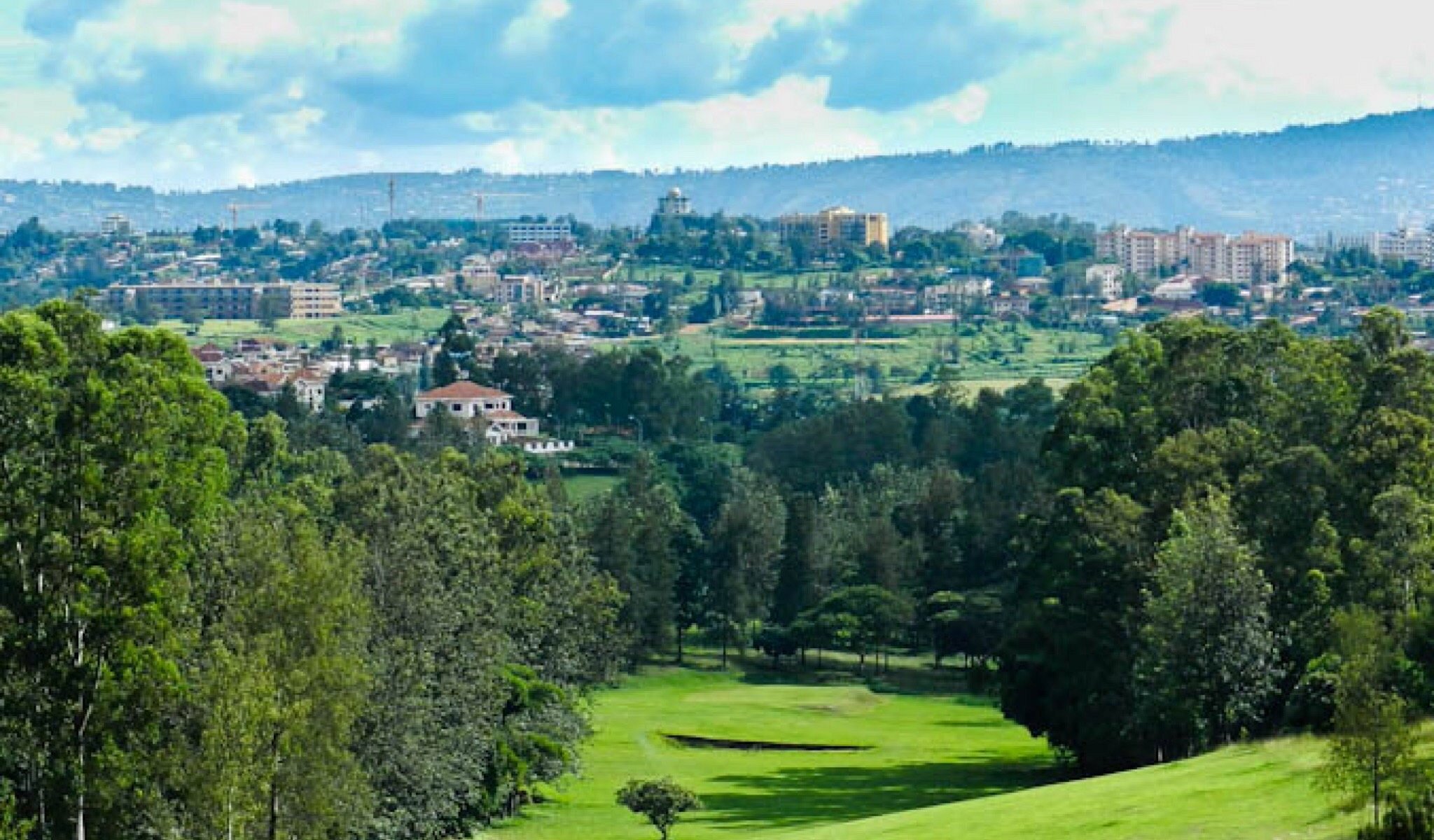
Rwanda is the easier choice to get to. Volcanoes
National Park is only a two-to-three-hour drive from Kigali International
Airport on good roads . This is a major advantage for travelers with
limited time. You can land in the morning and be at your lodge by lunch. In
contrast, reaching Uganda's Bwindi Impenetrable National Park involves a long
8-to-10-hour drive from Entebbe or an extra domestic flight . Rwanda’s
convenient location removes a stressful travel day, giving you more time to
rest and prepare for the trek. This ease of access is a key reason why many
choose Rwanda, particularly those on shorter trips.
2. Shorter and
Less Strenuous Treks
The treks in Rwanda are generally shorter and less
physically demanding than those in Uganda. The paths in Volcanoes National Park
are often clearer, and some gorilla families live close to the forest edge,
meaning you might find them in just 30 minutes to a couple of hours . This
makes it a good option for older travelers, families with teenagers, or those
with moderate fitness levels . Uganda's Bwindi forest is called
"Impenetrable" for a reason, with steep, muddy trails that can take
several hours to navigate . For those who want the reward without the
struggle, Rwanda offers a smoother experience.
3. Better
Photography Conditions
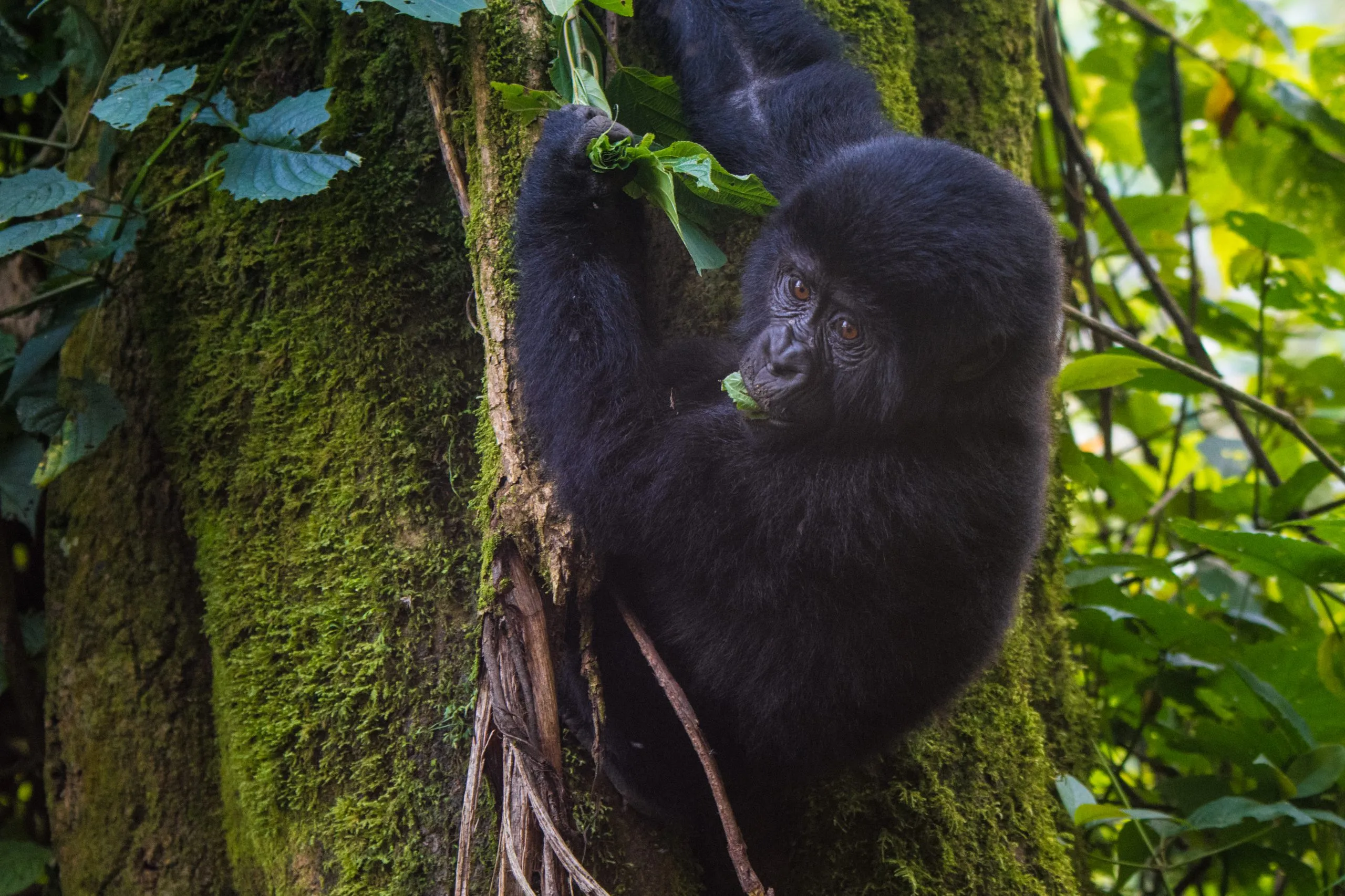
For those who want clear photos, Rwanda offers
better opportunities. The vegetation in Volcanoes National Park is generally
less dense than in Uganda's
Bwindi forest . This allows for better lighting and unobstructed views
of the gorillas, making it easier to capture great shots . In Uganda, the
thick rainforest can be dark and crowded with foliage, which makes photography
more challenging . This is a practical concern for many visitors who want
to document the experience without battling the elements. Rwanda's more open
terrain gives photographers a clear advantage.
4. Luxury Accommodation
and Services
Rwanda has positioned itself as a high-end, luxury
destination. The lodges near Volcanoes National Park are world-class, offering
premium services like fine dining, spas, and private villas with volcano
views . The whole experience is designed to be polished and comfortable.
This focus on luxury attracts travelers who are willing to pay more for
top-tier amenities and a seamless stay. Uganda has a wider range of mid-range
lodges, but the level of luxury is generally more understated and
eco-focused . Rwanda's reputation for luxury is a big part of its fame.
5. Higher Cost,
Higher Perceived Value
Rwanda's gorilla permits cost $1,500 per person,
which is almost double Uganda's $800 price tag . While expensive, this
high cost is part of a deliberate strategy to create a low-volume, high-value
tourism model . The higher price also contributes to conservation and
community projects, which many travelers see as part of the value . For
some, paying more signals exclusivity and a more premium, worry-free
experience. This high cost, while a barrier for some, has also made Rwanda
famous as the destination for a more luxurious safari .
6. Streamlined
and Well-Organized Operations
Rwanda's tourism operations are known for being
efficient and well-organized. From the moment you arrive, the experience feels
orderly, with clear logistics and well-trained staff . This is
particularly valuable for first-time visitors who might be nervous about the
process. The park management is praised for its high standards of service and
conservation training . This attention to detail reduces the stress of
planning a complex trip and lets visitors focus on the experience itself.
Uganda's operations, while good, are often described as more rustic and
adventurous .
7. Conservation
Leadership and a Positive Image
Rwanda has built a strong international reputation
for conservation and environmental leadership. The country's commitment to
protecting the gorillas is visible through events like the annual Kwita Izina
gorilla naming ceremony . This draws global media attention and reinforces
its image as a responsible travel destination. Rwanda's government has also
partnered with luxury tourism operators to maintain a high-quality, low-impact
model that helps protect the fragile ecosystem . This positive,
progressive image adds to its fame and appeals to travelers who want their
visit to support good work.
8. Smaller Park,
Easier to Manage
Volcanoes National Park is more compact than
Uganda's vast Bwindi forest. This smaller size makes it easier to locate the
gorillas and manage the daily treks . The families are more predictable in
their movements, leading to shorter search times. With 12 habituated families
and 80 permits per day, the operation is smaller and more controlled .
Uganda has over 20 families and offers more permits daily across different
regions, but the distances are larger . Rwanda's smaller scale contributes
to its reputation for being a smooth, reliable experience with a greater chance
of a quick sighting.
9. Ideal for
Short Trips and Add-Ons
Because of its easy access, Rwanda is perfect for a short
trip or as an add-on to a safari in other East African countries. Many
travelers combine a few days in Rwanda with a trip to Kenya or Tanzania .
The brief drive from Kigali means you can do the trek in two days and move on.
Uganda is a destination in itself, requiring more time to cover the distances
involved. For travelers on a strict schedule, Rwanda is the practical choice,
making it a very famous and popular option for a quick, high-impact experience.
10. Stable and
Extremely Safe Environment
Rwanda is widely recognized as one of the safest and
most stable countries in Africa. The streets of Kigali are clean, and the
country is very secure for tourists . This is a huge factor for travelers
concerned about safety. While Uganda is also safe and welcoming, Rwanda's
reputation for order and security gives it an extra edge . This peace of
mind is a significant advantage, especially for those who might not be
experienced international travelers. It makes the whole trip feel less risky,
which contributes to Rwanda's fame as the easier, more comfortable choice
11. Dian
Fossey's legacy
Dian Fossey's legacy is woven into the very
existence of Rwanda's mountain gorillas today. She arrived in 1967 and set up
the Karisoke Research Center between two volcanoes, dedicating 18 years to
studying the gorillas up close. Her work changed how the world saw them,
revealing their complex social lives and families. But she was also a fierce
protector. She called her hands-on tactics "active conservation,"
leading anti-poaching patrols that destroyed hundreds of snares to stop the
killing. Her efforts are widely credited with pulling the mountain gorilla back
from the edge of extinction. Although she was murdered in her cabin in 1985,
her work did not stop. The organization she started continues her mission today.
As a result, mountain gorillas are the only great ape whose numbers are
increasing, a living tribute to her relentless fight. Her grave lies in the
forest she loved, among the gorillas she gave her life to save.
Best time to
visit Rwanda gorillas
The best time to visit Rwanda for gorilla trekking
is during the two dry seasons. The long dry season runs from June to September,
and the short dry season runs from December to February. During these months,
you get less rain and drier trails, which makes hiking easier and less slippery.
The clearer skies also offer better conditions for taking good photographs.
Because this is the peak travel period, you need to book your gorilla permits
and accommodation well in advance, often 6 to 12 months ahead. Keep in mind
that you can still trek gorillas year-round, including the rainy seasons from
March to May and October to November. Wet weather means more mud and tougher
hikes, but you will find better permit availability and fewer crowds
How much is
Rwanda gorilla package
A Rwanda gorilla trekking package does not have a
single fixed price. The base cost is the mandatory $1,500 permit per
person** for foreign non-residents, set by the Rwanda Development Board .
This permit gives you one hour with a gorilla family. The total package price
varies based on your lodging, transport, and trip length. A budget 1-day trek
can start from about $1,854 per person, covering the permit and basic
transfers. The most popular 3-day safari, including accommodation near
Volcanoes National Park and private transport from Kigali, starts from
roughly $3,000. For multi-day or luxury packages with premium lodges,
costs can exceed $6,000 per person. These figures are estimates, so it is
wise to check current rates directly with tour operators.