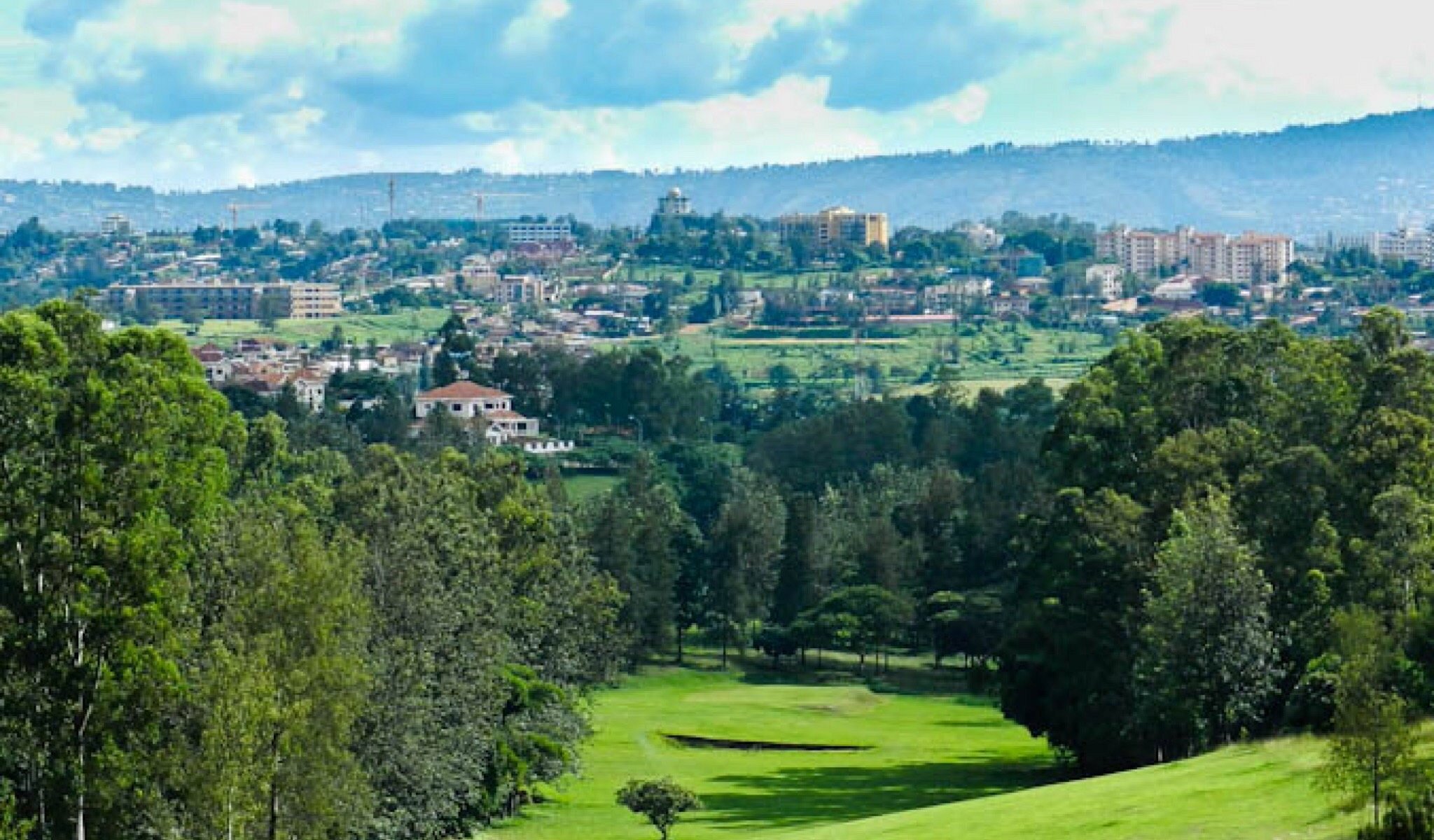

Kigali is not a typical African capital.
It is clean, safe, and easy to move around. The city sits on rolling hills,
giving you good views from almost any point. Many visitors come for the gorilla
trekking but end up loving Kigali just as much. The city offers a mix of
history, art, markets, and green spaces. You can learn about the country's
painful past at the genocide memorial, then see its vibrant future at art
centres and craft villages. The food is good, the people are friendly, and the
streets are walkable. You do not need a fancy plan to enjoy Kigali. Whether you
have one day or three, the city has something for every kind of traveller. This
list covers the best places that show you the real Kigali from busy local
markets to quiet nature parks. Each stop gives you a different piece of the
city's character.
1. Kigali
Genocide Memorial
This is the most important place to visit in Kigali.
It is the final resting place for over 250,000 victims of the 1994 Genocide
against the Tutsi . The exhibitions inside use photos, videos, and
personal items to tell the story of what happened. It is a difficult but
necessary visit to understand Rwanda's
history and its strength to rebuild . The memorial also has a peaceful
garden where you can sit and reflect. Plan to spend at least two hours here.
The information is presented clearly, helping you learn about the past while
feeling the country's focus on unity and moving forward. It is open daily, and
entry is free, though a guided tour is a good option to fully understand the
history .
2. Inema Arts
Centre
This is the heart of Kigali's modern art scene .
Founded by local artists, the centre is a bright gallery space showing
paintings, sculptures, and mixed-media works from Rwandan artists . It is
not just a gallery; it is a workspace where you can see artists creating new
pieces. The atmosphere is welcoming and creative. There is also a small coffee
shop where you can relax after looking at the art . Visiting Inema is a
direct way to see the city's creative energy and support local talent. Many
works are for sale, offering a chance to take home a unique piece of Rwandan
art. It provides a clear contrast to the city's history, showing its vibrant
future.
3. Kimironko
Market
For a real taste of local life, visit Kimironko
Market, the largest open-air market in Kigali . It is a busy, colourful,
and somewhat chaotic place. You can find everything here, from fresh fruits and
vegetables to spices, fabrics, and household goods . The energy is high,
and it is a great spot for photography. Be prepared to be approached by
vendors. It is a good idea to hire a local porter to guide you through the maze
of stalls . This market is the place to buy kitenge fabric or traditional
woven baskets. It offers an honest look at daily commerce and community in
Kigali, far from the polished city centre.
4. Nyandungu Eco-Park
This restored urban wetland is a peaceful escape
from the city noise . It covers nearly 300 acres and is a great example of
Kigali's focus on green spaces . You can walk or rent a bicycle to explore
the paths through the park. It is home to many bird species and other
wildlife . There are also spots to sit and have a drink or a meal .
The park shows how the city values its environment. It is perfect for a
relaxing afternoon. You do not need to be a nature expert to enjoy it. Just
bring comfortable shoes and take your time exploring the different areas. It is
a calm, clean, and well-maintained place .
5. Kigali
Convention Centre
The Kigali Convention Centre is hard to miss. Its
design is based on a traditional Rwandan basket, making it one of the city's
most known buildings . It is a modern place for business and events. Even
if you are not attending a conference, it is worth seeing. The area around it
is clean and has good views of the city . At night, the building lights up
in the colours of the Rwandan flag, which looks great in photos . It
represents Rwanda's growth and modern ambitions. You can walk around the
grounds and take pictures, or just stop for a coffee nearby and appreciate the
modern architecture.
6. Kandt House
Museum
This museum is located in the former home of Richard
Kandt, a German explorer . It offers a look into Rwanda's history before
and during the colonial period. The exhibits show the country's natural history
and the cultural changes that took place . It is a smaller, quieter
museum. A unique part of the visit is the reptile area behind the house where
you can see snakes and crocodiles . The museum helps put Rwanda's story in
a longer context, beyond the events of 1994. It provides a clear and simple
explanation of complex historical changes. It is a good stop for those
interested in the country's colonial history and natural environment.
7. Nyamirambo
Neighborhood
This is one of Kigali's most lively and culturally
rich areas . A
walking tour here is a great way to see the real city. You will see local
shops, food stalls, and daily life. The streets are full of energy . The
Nyamirambo Women's Centre offers guided walks that support local women .
You can also try traditional food in the area. It is known for its mix of
Rwandan and Swahili cultures. Visiting Nyamirambo is very different from the
business districts. It is an authentic look at the city's diversity. The
community is welcoming, and it is a safe place to walk and explore, especially
with a guide.
8. Hotel des
Mille Collines
This hotel became known worldwide from the
movie Hotel Rwanda. It is a place where many people found safety during
the genocide . Today, you can visit the hotel even if you are not a guest.
It has a small memorial area that tells the story of the hotel's role in
1994 . On Friday evenings, they host a Gakondo Cultural Evening with
traditional dance and music . This is a great chance to see Rwandan
culture in a historical setting. The hotel itself is well-maintained and has a
good restaurant. The visit connects the past with the present in a concrete
way. It is a place of remembrance and of cultural life.
9. Fazenda
Sengha
This place is on the slopes of Mount Kigali and offers
a mix of outdoor activities . It is a good spot if you want some adventure
outside the city centre. You can try horseback riding, zip-lining, or quad
biking . The views of the city from here are excellent . It is a
popular spot for both tourists and locals, especially on weekends. You can
choose your own level of activity. If you just want to relax, you can also just
enjoy the scenery and have a drink. It is easy to reach from the city by car or
moto. It provides a fun break from the museums and markets.
10. Caplaki
Craft Village
This is a relaxed place to shop for handmade Rwandan
souvenirs . You can find wood carvings, jewellery, baskets, and other
crafts made by local artisans . The atmosphere is calm, so you can browse
without pressure. It is a good alternative to the busy Kimironko Market for
buying presents. The quality of the items is generally good, and you are
directly supporting artists. The village is set up as a collection of small
workshops and shops. You can often see the artisans at work. It is a simple,
pleasant place to find a unique piece of Rwanda to take home. Haggling is
common, but prices are often reasonable to begin with.
11. Campaign
Against Genocide Museum
This museum is located inside the Rwandan Parliament
buildings. It tells the story of how the Rwandan Patriotic Army (RPA) worked to
stop the massacres during the 1994 Genocide against the Tutsi . The
exhibits show the military strategies and efforts to save lives during the
conflict. You will see original documents, photographs, and weapons used during
that time . The museum provides a clear picture of the final phase of the
genocide and the military campaign that brought it to an end. It is a different
perspective from the main genocide memorial, focusing on the resistance and
military actions. It is a small museum, so you can visit in about an hour. The
entry fee is low, and it is open most days from morning to late afternoon .
12. Umusambi
Village
This is a wildlife sanctuary located inside Kigali
city limits . It is a restored wetland area that serves as a home for over
50 endangered Grey Crowned Cranes, which are Rwanda's national bird . The
cranes that live here have been rescued from illegal captivity and cannot be
released back into the wild. You can walk along paths through the wetland and
observe the birds in a natural setting . The sanctuary also has medicinal
plant and butterfly gardens. It is a calm place to escape the city noise. You
can see conservation work in action here, run by the Rwanda Wildlife
Conservation Association. It is a simple, peaceful visit that helps a good
cause
Best time to
visit Kigali Attractions
The best time to visit Kigali's attractions is
during the two dry seasons. The first runs from June to September, and the
second from December to February. During these months, you get clear skies and
little rain, which makes walking tours, market visits, and outdoor activities like
Nyandungu Eco-Park or Fazenda Sengha much more pleasant. Roads are easier to
navigate, and you avoid the mud that comes with heavy rains. The weather is
mild, not too hot, with temperatures around 25°C during the day. Mornings and
evenings can be cool, so bring a light jacket. The dry seasons also align with
peak tourist periods, so attractions are fully operational. However, even in
the rainy months of March to May and October to November, Kigali is still
visitable. Rains usually come in short, heavy bursts, leaving the rest of the
day clear. Many indoor sites like the genocide memorial or museums are
unaffected by weather. If you prefer fewer crowds and lower prices, the rainy
seasons are a good trade-off. Just pack an umbrella and flexible plans
How to get there
for Kigali Attractions
Getting around Kigali to visit these attractions is
straightforward. The city has good roads and clear street signs. Motorcycle
taxis, known locally as moto-taxis, are the fastest and most common way to
move between sites. They are cheap and easy to find. You can also use regular
car taxis or ride-hailing apps like Uber and Yango, which offer safe and
comfortable rides with set prices. Many attractions are within a 15 to
30-minute drive from the city centre. For a more budget-friendly option, use
public minibuses that run along fixed routes, though you may need to walk a bit
from the drop-off point to the site. Some places like the Genocide Memorial and
Inema Arts Centre are close enough to walk to if you are staying in the central
area. For attractions outside the main city, like Umusambi Village, a taxi or
moto is your best choice. Most drivers know the popular tourist spots well, so
just show them the name and they will get you there.