
Rwanda is one of Africa's most rewarding safari
destinations, combining mountain gorilla trekking, Big Five wildlife viewing,
chimpanzee tracking, scenic lakes, and rich cultural experiences within a
compact and well-organized country. Visitors can trek gorillas in Volcanoes
National Park, enjoy traditional game drives in Akagera National Park, and
track chimpanzees in the ancient Nyungwe Forest. Beyond wildlife, destinations
such as Lake Kivu, the Twin Lakes, Kigali City, Gishwati-Mukura National Park,
Rugezi Marsh, the King's Palace Museum, and the Ethnographic Museum add
cultural, historical, and scenic value to any itinerary. Excellent roads,
quality accommodation options, and a strong commitment to conservation make
Rwanda an ideal safari destination for travelers seeking wildlife, nature,
culture, and relaxation in one memorable holiday
Volcanoes
National Park
Volcanoes
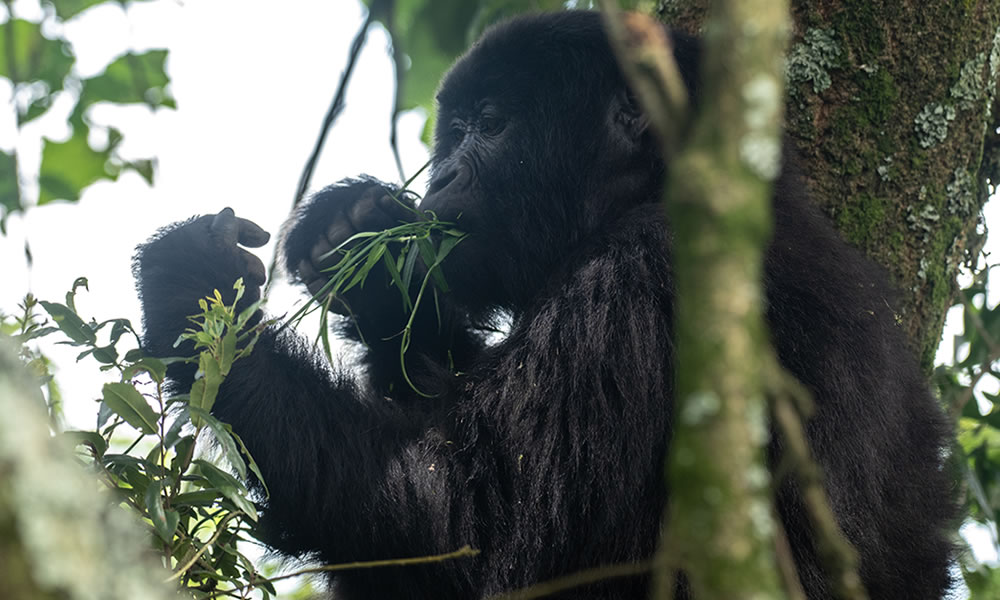
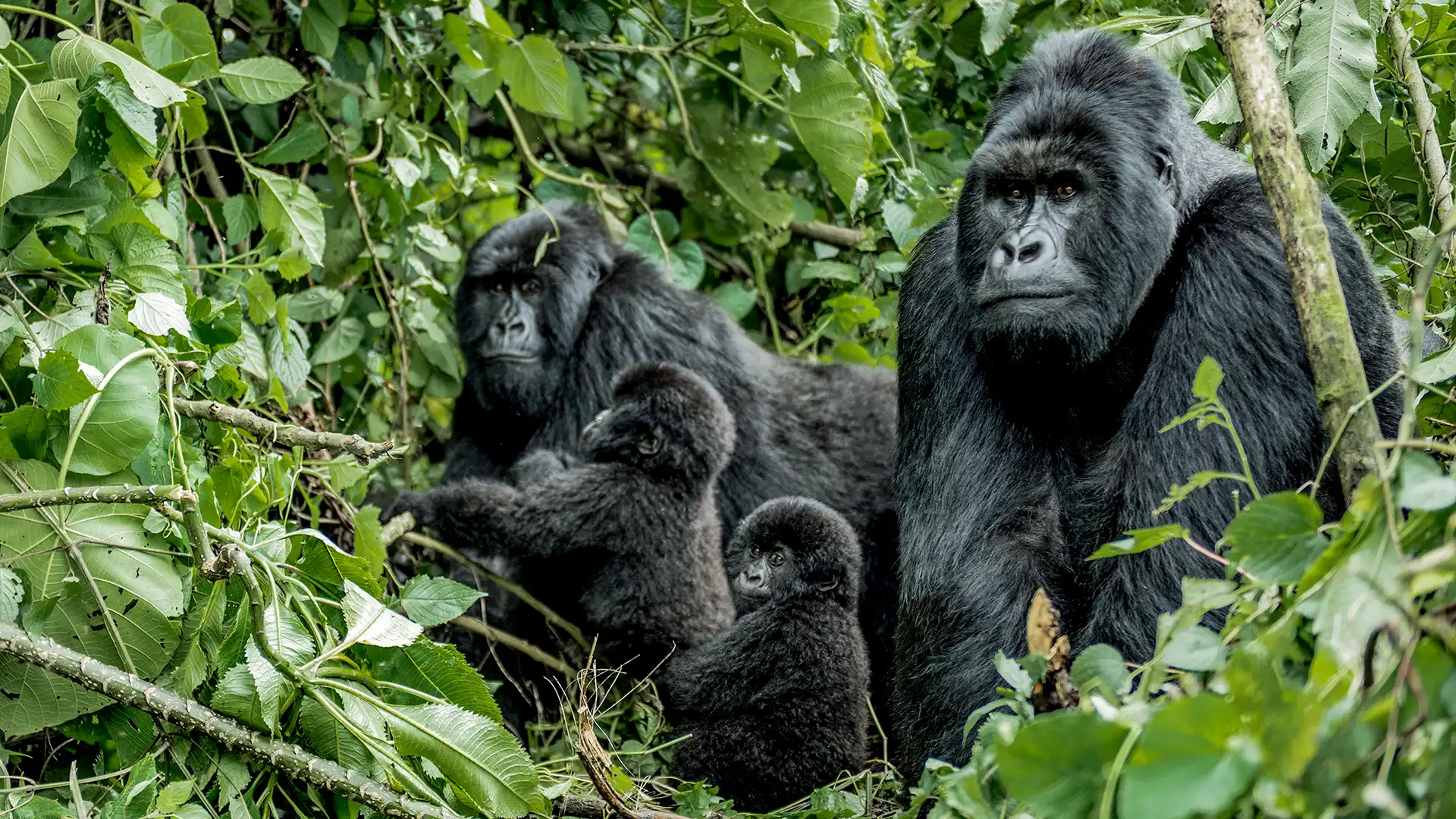
National Park is the most famous safari destination in Rwanda and the
leading reason many travelers choose the country for a wildlife holiday.
Located in the northwestern part of Rwanda, this park is home to the endangered
mountain gorillas that live within the Virunga Mountains. Gorilla trekking is
the main activity, allowing visitors to spend one hour observing a habituated
gorilla family in their natural habitat. The park also offers opportunities to
see golden monkeys, hike volcanic mountains, and visit conservation sites
associated with Dian Fossey. The landscape consists of bamboo forests, montane
forests, and volcanic slopes that create a beautiful setting for nature lovers.
Luxury lodges, mid-range accommodations, and community tourism projects make
the park suitable for different budgets and travel styles throughout the year.
Akagera National
Park
Akagera National Park is Rwanda's only savannah park
and the best destination for travelers interested in classic African game
viewing. Located in eastern Rwanda along the border with Tanzania, the park
features open grasslands, woodlands, wetlands, and scenic lakes. Akagera is
home to the Big Five, including lions, leopards, elephants, buffaloes, and
rhinos, making it a complete wildlife safari destination. Game drives offer
chances to see giraffes, zebras, antelopes, warthogs, and many bird species.
Boat safaris on Lake Ihema provide a different perspective, allowing visitors
to observe hippos, crocodiles, and water birds from close range. The park's
successful conservation efforts have restored wildlife populations, creating an
excellent safari experience. Visitors can choose day or night game drives
depending on their interests and schedules.
Nyungwe Forest
National Park
Nyungwe
Forest National Park is one of Africa's oldest and most biodiverse
rainforests. Situated in southwestern Rwanda, the park covers a vast area of
lush forest that supports a remarkable variety of wildlife and plant species.
Chimpanzee trekking is the main attraction, giving visitors the chance to
follow habituated chimpanzee groups through dense forest trails. In addition to
chimpanzees, Nyungwe hosts several other primate species, including colobus
monkeys, L'Hoest's monkeys, and owl-faced monkeys. The park is also known for
birdwatching, with hundreds of recorded species attracting bird enthusiasts
from around the world. A canopy walkway suspended above the forest offers
unique views of the treetops and surrounding landscape. The cool climate and
peaceful atmosphere make Nyungwe an important destination for nature-focused
safaris.
Lake Kivu
Lake Kivu is one of Rwanda's most attractive
relaxation destinations and an excellent addition to a safari itinerary.
Stretching along Rwanda's western border with the Democratic Republic of Congo,
the lake offers beautiful beaches, islands, and lakeside towns. After wildlife
activities such as gorilla trekking or chimpanzee tracking, many travelers
spend time here to relax and enjoy the scenery. Popular destinations around the
lake include Gisenyi, Kibuye, and Cyangugu, each offering different
experiences. Visitors can enjoy boat cruises, swimming, fishing, kayaking, and
cultural visits to local communities. The surrounding hills create impressive
views, especially at sunrise and sunset. The calm environment provides a
welcome contrast to active safari adventures, making Lake Kivu a valuable
component of a well-rounded Rwanda safari holiday experience for visitors.
Gishwati-Mukura
National Park
Gishwati-Mukura National Park is Rwanda's newest
national park and a growing destination for eco-tourism. Located between Lake
Kivu and Volcanoes
National Park, it combines the forests of Gishwati and Mukura into a
protected conservation area. The park is home to chimpanzees, golden monkeys,
blue monkeys, and many bird species. Although smaller than Nyungwe Forest, it
offers a quieter and less crowded wildlife experience. Visitors can participate
in guided forest walks, birdwatching excursions, and primate tracking
activities led by trained guides. Conservation projects in the area focus on
restoring forests and supporting local communities. The park's scenic hills,
waterfalls, and forested landscapes make it appealing to travelers seeking
off-the-beaten-path adventures. Its strategic location also allows it to be
combined easily with other destinations in Rwanda.
Kigali City
Kigali serves as the gateway to every safari holiday
in Rwanda and deserves time within any travel itinerary. The capital city is
known for its cleanliness, organization, security, and welcoming atmosphere.
Many travelers spend a day or two here before heading to national parks. The
Kigali Genocide Memorial offers important insights into Rwanda's history and
resilience. Visitors can also explore local markets, craft centers, art
galleries, and cultural attractions. The city's restaurants provide
opportunities to enjoy traditional Rwandan cuisine alongside international
dishes. Kigali is surrounded by rolling hills that contribute to Rwanda's
reputation as the Land of a Thousand Hills. Modern infrastructure and
comfortable accommodations make the city a convenient starting point for safari
adventures. Including Kigali in a safari itinerary adds both cultural and
historical depth to the overall travel experience.
The Twin Lakes
of Burera and Ruhondo
The Twin Lakes of Burera and Ruhondo are among
Rwanda's most scenic natural attractions. Located near Volcanoes National Park,
these lakes are surrounded by steep hills, green terraces, and impressive
volcanic landscapes. Travelers often visit the area before or after gorilla
trekking to enjoy the peaceful environment and outstanding photography
opportunities. Boat rides on the lakes allow visitors to appreciate the beauty
of the region while interacting with local fishing communities. The area's cool
climate and rural atmosphere provide a refreshing escape from busy urban
settings. Hiking trails around the lakes offer panoramic views of the
surrounding countryside and nearby volcanoes. The Twin Lakes remain less
visited than Rwanda's national parks, making them ideal for travelers seeking
tranquility, cultural encounters, and exceptional scenery during their safari
holiday in Rwanda.
Mount Bisoke and
the Virunga Mountains
Mount Bisoke and the wider Virunga Mountain range
offer excellent opportunities for adventure travelers visiting Rwanda. The Virunga
Mountains form part of a chain of volcanic peaks shared by Rwanda, Uganda,
and the Democratic Republic of Congo. Mount Bisoke is one of the most popular
hiking destinations in the region, featuring a beautiful crater lake at its
summit. The trek takes visitors through diverse habitats that support mountain
gorillas, golden monkeys, and numerous bird species. Hikers enjoy spectacular
views of the surrounding volcanoes, forests, and valleys throughout the
journey. The mountain can be visited as a day hike and is often combined with
gorilla trekking itineraries. For active travelers, the Virunga Mountains
provide a rewarding addition to a safari holiday while showcasing Rwanda's
dramatic natural beauty and unique landscapes.
Rugezi Marsh
Rugezi Marsh is one of Rwanda's most important
wetland ecosystems and a rewarding destination for travelers interested in
birdwatching and nature experiences. Located in northern Rwanda, the marsh
stretches across scenic highland landscapes and provides habitat for a wide
range of bird species, including several rare and endangered birds. The area
attracts nature lovers who want to experience a quieter side of Rwanda away
from the more visited national parks. Guided walks around the marsh offer
opportunities to observe birds, local farming practices, and beautiful
countryside views. The wetland also plays a vital role in water conservation
and biodiversity protection within the region. Visitors can combine a trip to
Rugezi Marsh with excursions to the Twin Lakes and Volcanoes National Park. Its
peaceful setting makes it a valuable addition to a safari holiday in Rwanda.
King's Palace
Museum at Nyanza
The King's Palace Museum in Nyanza offers travelers
an opportunity to learn about Rwanda's cultural heritage and traditional
monarchy. Located in southern Rwanda, the site provides insight into the
lifestyle and governance systems of Rwanda's former kings. The reconstructed
royal residence features traditional architectural designs, locally crafted
materials, and cultural exhibits that showcase the nation's history. Visitors
can also see the famous long-horned Inyambo cattle, which have been associated
with Rwanda's royal traditions for generations. Guided tours explain
ceremonies, customs, and leadership structures that shaped Rwanda before modern
governance. Including the King's Palace Museum in a safari itinerary helps
visitors gain a deeper understanding of the country's identity beyond wildlife
attractions. The experience complements visits to national parks by adding
cultural value and historical perspective to a Rwanda safari holiday.
Ethnographic
Museum Huye
The Ethnographic Museum in Huye is one of the finest
cultural museums in East Africa and an excellent destination for travelers
seeking a deeper appreciation of Rwanda's heritage. Located in the southern
city of Huye, the museum contains extensive collections covering traditional
lifestyles, craftsmanship, agriculture, music, religion, and historical
development. Its well-organized exhibits provide valuable information about how
Rwandan communities lived and adapted over time. Visitors can view traditional
tools, household items, cultural artifacts, and displays explaining various
aspects of daily life. The museum is especially useful for travelers who want
to understand the social and cultural context of the regions they visit during
their safari. A stop at the Ethnographic Museum adds educational value to a
safari holiday in Rwanda and helps create a more comprehensive understanding of
the country's people, traditions, and history