
1. Rwanda vs
Uganda for Gorilla Trekking
Choosing between Rwanda and Uganda for a gorilla
tour depends on your budget, travel style, fitness level, and overall safari
expectations. Both countries offer mountain gorilla trekking experiences that
rank among the world's most rewarding wildlife activities. Uganda hosts gorilla
trekking in Bwindi Impenetrable National Park and Mgahinga Gorilla National
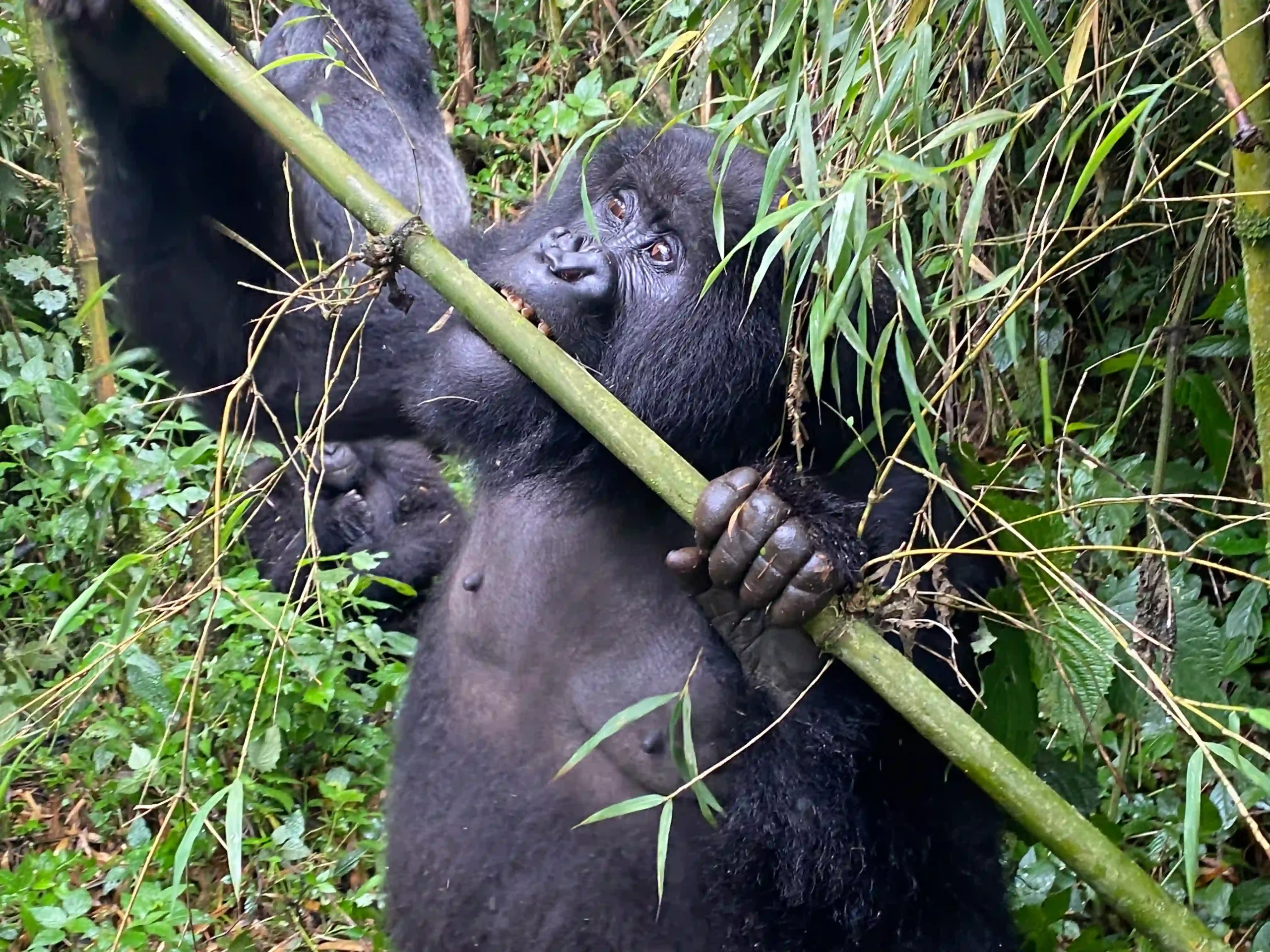
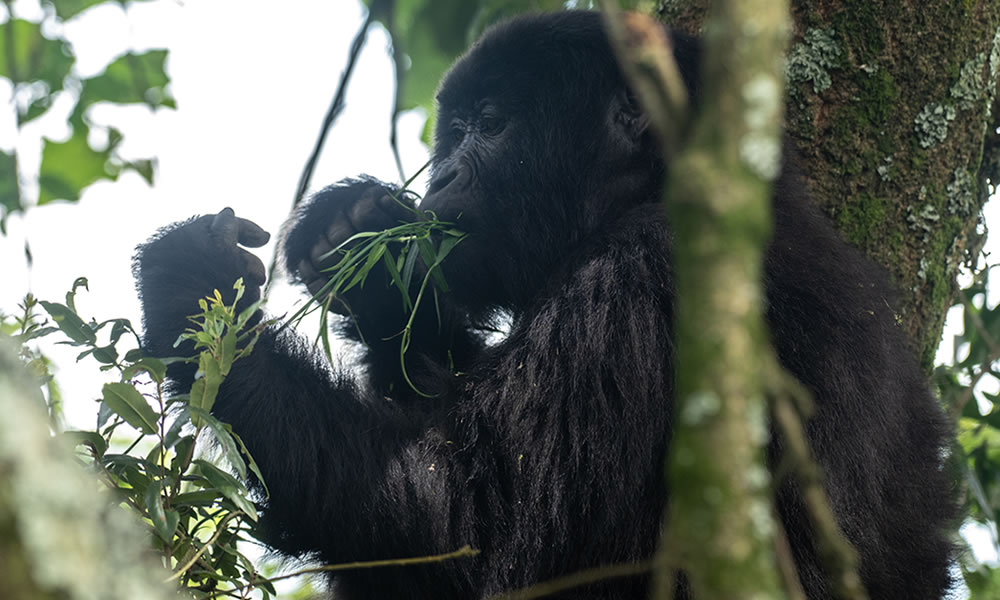
Park, while Rwanda offers trekking in Volcanoes National Park. The gorillas belong
to the same endangered mountain gorilla population, meaning the quality of
wildlife viewing is excellent in both destinations. However, differences exist
in permit costs, accessibility, accommodation options, hiking difficulty, and
additional safari attractions. Some travelers prefer Rwanda for convenience and
luxury, while others choose Uganda for value and variety. Understanding these
differences helps you make the best decision for your gorilla tour.
2. Uganda Offers
Better Value for Money
For travelers seeking affordability, Uganda is
generally the better choice. Gorilla permits in Uganda cost significantly less
than those in Rwanda, allowing visitors to enjoy a similar gorilla trekking
experience while spending less overall. Accommodation options in Uganda range
from budget lodges to luxury camps, making the destination suitable for
different traveler budgets. Transportation and safari packages also tend to be
more affordable. This value advantage allows visitors to combine gorilla
trekking with other activities without significantly increasing their travel
costs. Many travelers who want a longer safari experience find Uganda
attractive because the savings on permits can be used for additional game
drives, chimpanzee tracking, or cultural experiences. For budget-conscious
visitors, Uganda often delivers greater overall safari value while maintaining
excellent gorilla viewing opportunities.
3. Rwanda Is
Better for Easy Access
When considering accessibility, Rwanda has a clear
advantage. Volcanoes National Park is located only about a two-to-three-hour
drive from Kigali International Airport, making it possible to arrive and trek
gorillas on a short itinerary. This convenience is particularly attractive to
travelers with limited vacation time. Uganda's Bwindi Impenetrable National
Park requires a longer transfer, either by road or domestic flight, depending
on the chosen route. While the journey offers scenic countryside views, it
requires more travel time and planning. Rwanda's shorter transfer reduces travel
fatigue and makes gorilla trekking feasible even during a long weekend.
Business travelers and luxury tourists often choose Rwanda because they can
maximize their time with gorillas while minimizing road travel. Accessibility
remains one of Rwanda's strongest advantages over Uganda.
4. Uganda Offers
More Gorilla Families
Uganda has a larger mountain gorilla population
available for tourism, particularly within Bwindi Impenetrable National Park.
The park contains numerous habituated gorilla families spread across different
sectors, giving visitors more permit availability throughout the year. This
increased capacity can make it easier to secure permits, especially during peak
travel seasons. With several trekking regions to choose from, visitors may find
greater flexibility when planning their itineraries. The larger number of
gorilla groups also supports a wider tourism industry around trekking
activities. In contrast, Rwanda has fewer habituated gorilla families available
for tourism. Although the trekking quality remains excellent, permit demand is
often high. Travelers seeking the widest range of gorilla trekking
opportunities often find Uganda the more flexible destination for planning
their safari.
5. Rwanda
Provides a More Luxury-Focused Experience
Rwanda has developed an international reputation as
a luxury gorilla trekking destination. The region surrounding Volcanoes
National Park features several high-end lodges offering premium accommodations,
personalized services, wellness facilities, and gourmet dining. Luxury
travelers appreciate the seamless travel arrangements, exclusive experiences,
and comfortable surroundings available before and after treks. Rwanda's tourism
strategy emphasizes high-value, low-volume tourism, which contributes to a refined
visitor experience. While Uganda also has excellent luxury lodges, Rwanda's
infrastructure and tourism model generally cater more strongly to luxury
travelers. Visitors seeking exceptional comfort and convenience may find Rwanda
particularly appealing. From private transfers to upscale hospitality, Rwanda
often delivers a polished and sophisticated safari experience that attracts
discerning travelers from around the world.
6. Uganda Offers
More Wildlife Variety
Uganda stands out for travelers who want more than
gorilla trekking. The country offers a wide range of wildlife experiences
across several national parks. Visitors can combine gorilla trekking with
chimpanzee tracking in Kibale Forest, game drives in Queen Elizabeth National
Park, boat safaris on the Kazinga Channel, and wildlife viewing in Murchison
Falls National Park. This diversity creates opportunities for longer and more
varied safari holidays. Rwanda also offers wildlife viewing, particularly in
Akagera National Park and Nyungwe Forest National Park, but Uganda generally
provides a broader range of safari activities. Travelers who want a complete
wildlife adventure often prefer Uganda because they can experience primates,
big game, birdwatching, and scenic landscapes within one itinerary. This
combination increases the destination's appeal for traditional safari
enthusiasts.
7. Trekking
Difficulty Can Vary in Both Countries
Many first-time visitors ask whether gorilla
trekking is easier in Rwanda or Uganda. Rwanda often has a reputation for
shorter treks because some gorilla families live on the slopes of Volcanoes
National Park at relatively accessible elevations. However, trekking duration
depends entirely on gorilla movements and assigned family groups. In Uganda,
some treks can be demanding because of Bwindi's steep terrain and dense forest
vegetation. Others may be relatively short and manageable. Rangers assign
visitors to groups based partly on fitness levels and preferences when
possible. Therefore, neither country guarantees an easy trek every day.
Travelers with limited mobility or fitness concerns often favor Rwanda, but
healthy visitors can comfortably enjoy gorilla trekking in both destinations
with proper preparation and guidance from experienced park rangers.
8. Uganda
Delivers a More Diverse Scenic Experience
Uganda offers remarkable landscape diversity beyond
gorilla habitats. Visitors travel through rolling hills, tea plantations,
crater lakes, savannah grasslands, wetlands, rivers, and tropical forests during
their safari. The journey to Bwindi often becomes a memorable part of the
experience because of the changing scenery along the route. Rwanda is famously
known as the "Land of a Thousand Hills" and features beautiful
mountain landscapes and well-maintained roads. However, Uganda generally
provides greater geographical variety across a longer safari. This diversity
appeals to photographers and travelers interested in exploring multiple
ecosystems within one trip. Those seeking a broader understanding of East
Africa's natural environments may find Uganda particularly rewarding. The
country's rich combination of habitats contributes significantly to its growing
popularity among international safari travelers.
9. Rwanda Is
Ideal for Short Gorilla Tours
Travelers with limited time often find Rwanda the
better option. Because Volcanoes National Park is close to Kigali, visitors can
complete a gorilla trekking tour within two or three days. This efficiency
makes Rwanda attractive for conference delegates, business travelers, and
visitors combining gorilla trekking with other regional destinations. Uganda
usually requires more travel time because of the distance between international
arrival points and gorilla trekking areas. While domestic flights help reduce
transfer times, they add additional costs. Rwanda's compact size provides a
convenient solution for travelers seeking a quick yet rewarding gorilla
experience. If time is your most important consideration, Rwanda generally
offers the easiest and most practical gorilla trekking itinerary without
sacrificing the quality of the actual mountain gorilla encounter.
10. Final
Verdict: Which Is Better?
Neither Rwanda nor Uganda is universally better because the ideal choice depends on individual priorities. Uganda is often the best option for travelers seeking affordability, multiple safari activities, greater permit availability, and longer wildlife adventures. It provides excellent value while offering access to diverse attractions beyond gorilla trekking. Rwanda, on the other hand, is ideal for travelers who prioritize convenience, luxury accommodations, shorter travel times, and efficient itineraries. The gorilla encounter itself is equally rewarding in both destinations because visitors spend one hour observing habituated mountain gorillas in their natural habitat. For budget and variety, Uganda usually comes out ahead. For luxury and accessibility, Rwanda takes the lead. The best destination ultimately matches your available time, budget, and preferred safari experience.