
Rwanda safari tours provide an impressive variety of
wildlife experiences across the country's national parks, forests, wetlands,
and savannah landscapes. Visitors can observe iconic mountain gorillas in Volcanoes
National Park, track energetic golden monkeys, and search for chimpanzees
in the ancient rainforests of Nyungwe and Gishwati-Mukura. Akagera National
Park offers classic African safari experiences with the Big Five, including
lions, leopards, elephants, rhinos, and buffalos, alongside giraffes, zebras,
hippos, crocodiles, and numerous antelope species. Rwanda is also a top
destination for birdwatching, with more than 700 bird species found across
diverse habitats. Whether exploring high-altitude forests, open grasslands, or
scenic lakes, travelers encounter a remarkable range of wildlife that makes
Rwanda one of Africa's most diverse and rewarding safari destinations.
1. Mountain
Gorillas
Mountain gorillas are the most famous wildlife
species seen on Rwanda
safari tours and are the country's biggest tourism attraction. Found in
Volcanoes National Park, these endangered primates live in family groups led by
dominant silverbacks. Visitors trek through the forests of the Virunga
Mountains to observe habituated gorilla families in their natural habitat.
Watching gorillas feed, groom one another, play, and care for their young is a
remarkable wildlife experience. Rwanda has invested heavily in gorilla
conservation, helping their populations recover over the years. The opportunity
to spend time near these gentle giants attracts travelers from across the
world. For many visitors, seeing mountain gorillas up close is the highlight of
Rwanda safari tours and one of the most memorable wildlife encounters available
anywhere in Africa.
2. Golden
Monkeys
Golden monkeys are another popular primate seen on Rwanda
safari tours, particularly in Volcanoes National Park. These colorful
monkeys are known for their striking golden-orange fur and energetic behavior.
They live in large groups within the bamboo forests on the slopes of the
Virunga Mountains. Unlike gorillas, golden monkeys are highly active and
constantly moving through the trees and bamboo. Visitors often watch them
feeding, jumping between branches, and interacting socially within their
troops. Golden monkey tracking has become an increasingly popular activity
because it offers a unique primate experience that complements gorilla
trekking. Their playful nature and beautiful appearance provide excellent
opportunities for photography while helping visitors appreciate Rwanda's rich
biodiversity and successful conservation efforts.
3. Chimpanzees
Chimpanzees are among the most exciting wildlife
species observed on Rwanda safari tours. They are primarily found in Nyungwe
National Park and Gishwati-Mukura
National Park. Chimpanzee tracking allows visitors to follow experienced
guides through rainforest trails in search of these intelligent primates. Once
located, chimpanzees often provide lively sightings as they move through the
forest, vocalize, forage, and interact with one another. Their human-like
behavior fascinates visitors and offers insight into our closest living
relatives. Chimpanzees are generally more active than gorillas, creating an
energetic wildlife encounter. Rwanda's forests support healthy chimpanzee
populations, making tracking excursions highly rewarding. Seeing these
remarkable animals in the wild adds another dimension to Rwanda safari tours
beyond traditional game viewing experiences.
4. Lions
Lions are among the most sought-after predators seen
on Rwanda
safari tours within Akagera National Park. After disappearing from the park
for many years, lions were successfully reintroduced through conservation
programs. Today, they are once again thriving in Rwanda's only savannah
national park. Visitors on game drives may spot lions resting under trees,
hunting prey, or moving through the grasslands. Seeing a pride of lions in
their natural environment provides an exciting contrast to the country's famous
primate experiences. Rangers and guides closely monitor lion populations to
support conservation efforts and ensure sustainable tourism. The return of
lions has strengthened Akagera's reputation as a complete safari destination
and contributes significantly to the diversity of wildlife available in Rwanda.
5. African
Elephants
African elephants are among the largest and most
impressive animals encountered on Rwanda safari tours. Akagera National Park
supports healthy elephant populations that roam across savannahs, woodlands,
and wetlands. Visitors frequently observe elephants feeding, bathing, and
moving in family groups across the park's varied landscapes. Their
intelligence, social behavior, and massive size make them one of the most
admired species during game drives. Elephants often gather around lakes and
rivers, providing excellent opportunities for wildlife photography. Observing
young calves closely protected by their mothers adds another memorable aspect
to elephant sightings. As a key species within Rwanda's ecosystem, elephants
contribute to habitat management through their feeding habits and movement
patterns across the landscape.
6. Black and
White Rhinos
Rwanda safari tours provide opportunities to see
both black and white rhinos in Akagera
National Park. Following successful reintroduction efforts, rhinos have
once again become part of Rwanda's wildlife heritage. White rhinos are
generally easier to spot due to their preference for open grasslands, while
black rhinos tend to be more elusive and favor thicker vegetation. Seeing either
species is considered a special wildlife achievement because rhinos remain
among Africa's most threatened large mammals. Conservation initiatives in
Akagera have played a major role in rebuilding their populations and protecting
them from illegal activities. Rhino sightings enhance the Big Five safari
experience and demonstrate Rwanda's commitment to restoring and protecting its
wildlife for future generations.
7. Leopards and
Buffalos
Leopards and buffalos are important members of the
Big Five that visitors may encounter on Rwanda safari tours. Leopards are
highly elusive predators that often remain hidden in dense vegetation or rest
in trees during daylight hours. Spotting one is considered a rewarding
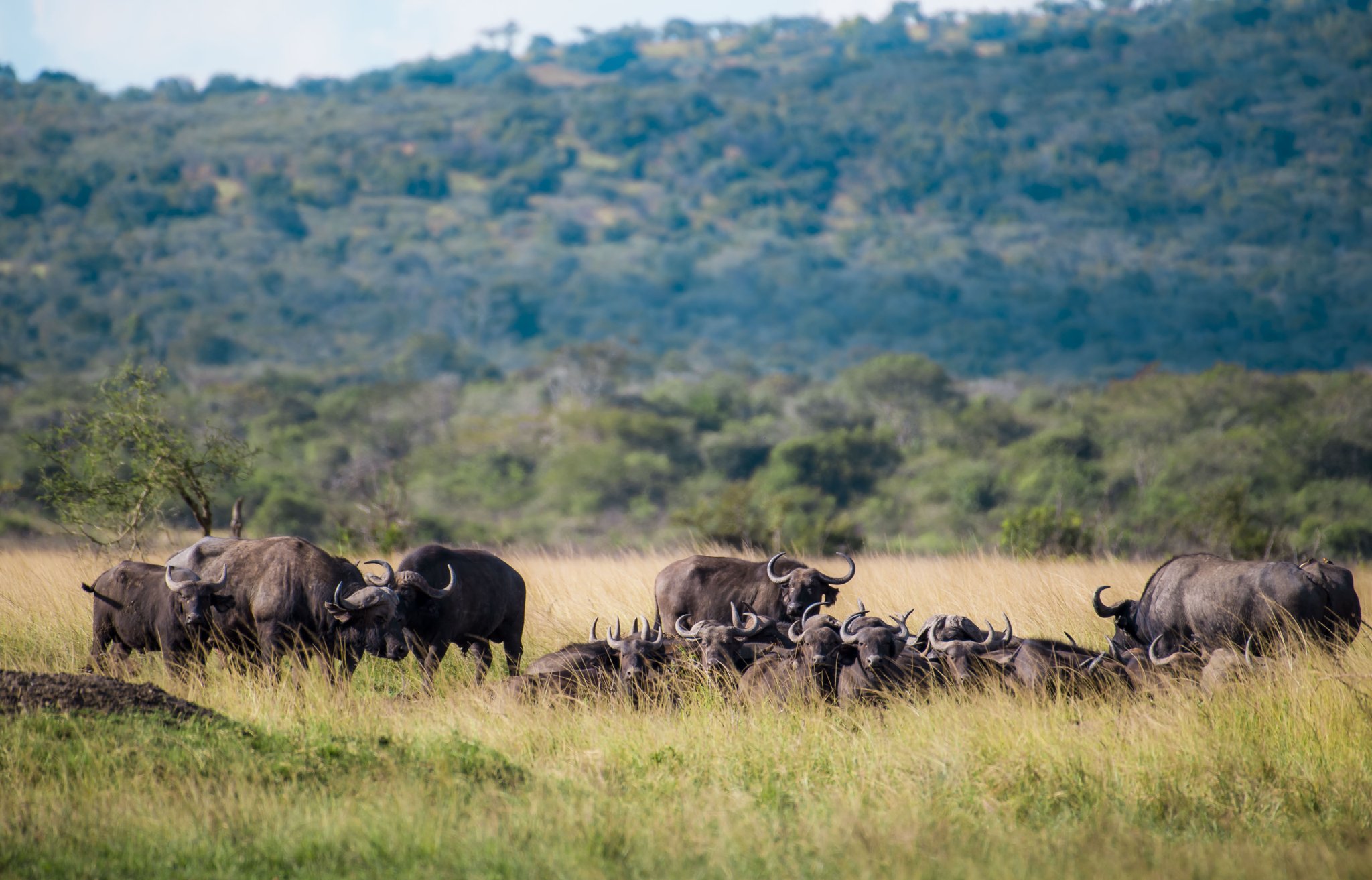
experience for safari enthusiasts. Buffalos, by contrast, are more commonly
seen and often travel in large herds throughout Akagera National Park. These
powerful animals play an essential role in the park's ecosystem and are known
for their strength and resilience. The combination of predators and large herbivores
contributes to a balanced wildlife environment. Observing these species in
their natural habitats helps visitors understand the complex ecological
relationships that support Rwanda's diverse wildlife populations.
8. Hippos and
Nile Crocodiles
Aquatic wildlife is another highlight of Rwanda
safari tours, particularly within Akagera National Park's lakes and
wetlands. Hippos can often be seen resting in the water during the day before
grazing on land at night. Their large size and social behavior make them
fascinating animals to observe. Nile crocodiles also inhabit the park's
waterways and are frequently spotted basking along shorelines. Boat safaris on
Lake Ihema provide excellent opportunities to view both species from a safe
distance. These experiences offer a different perspective compared to
traditional game drives. The presence of hippos and crocodiles demonstrates the
ecological richness of Rwanda's wetland environments and contributes to the
overall diversity of wildlife available to visitors.
9. Antelopes,
Giraffes, and Zebras
Several herbivore species enrich wildlife viewing
opportunities on Rwanda safari tours. Akagera National Park supports
populations of giraffes, zebras, impalas, topis, elands, waterbucks, bushbucks,
and other antelope species. These animals are commonly seen grazing across the
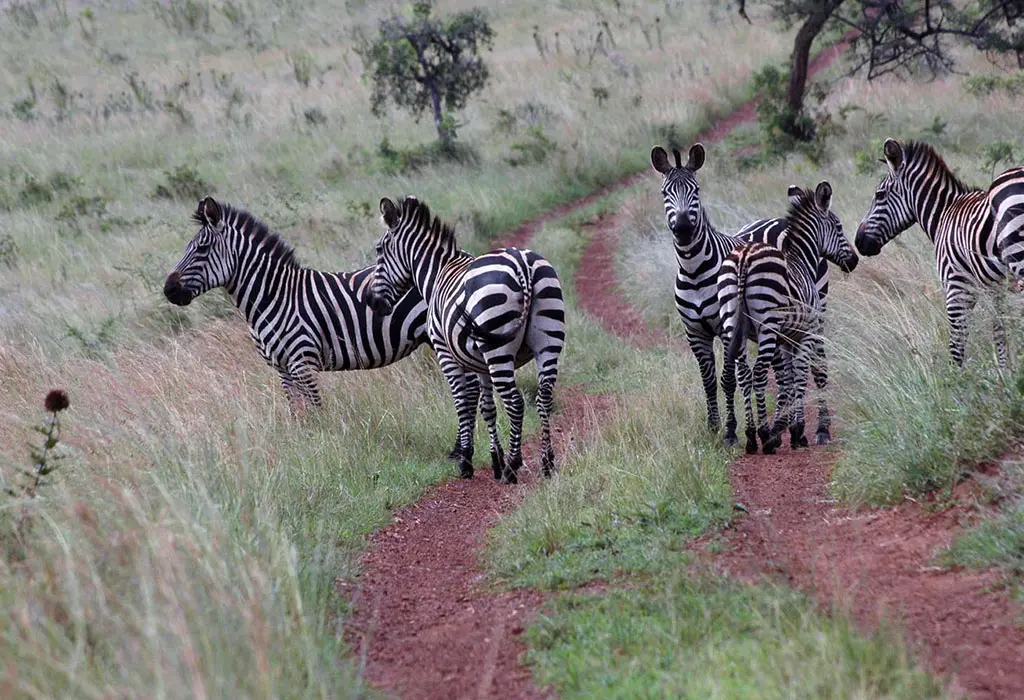
grasslands or moving through wooded areas. Giraffes capture attention with
their height and graceful movements, while zebras are easily recognized by
their striking black-and-white stripes. Antelope species vary in size and
habitat preference, offering visitors a chance to observe diverse adaptations
within the same ecosystem. These herbivores form an important food source for
predators such as lions and leopards. Their abundance contributes to healthy
wildlife populations throughout Akagera and enhances the overall safari
experience.
10. Birds and
Other Unique Wildlife
Birdlife is one of the greatest surprises for
visitors on Rwanda safari tours. The country hosts more than 700 bird species
across forests, wetlands, lakes, and savannahs. Birdwatchers may encounter
species such as the Great Blue Turaco, Shoebill, African Fish Eagle,
kingfishers, sunbirds, and numerous forest specialists. In addition to birds,
Rwanda's parks support many smaller mammals, reptiles, amphibians, and insects
that contribute to ecosystem health. Nyungwe Forest alone contains multiple
monkey species beyond chimpanzees, including colobus monkeys and mangabeys.
This incredible biodiversity ensures that every safari offers something new to
discover. From giant mountain gorillas to colorful birds and elusive predators,
Rwanda safari tours provide a rich variety of wildlife experiences that appeal
to nature enthusiasts from around the world.