
Visiting Rwanda for a safari offers travelers a mix
of wildlife, culture, and conservation that feels both rewarding and practical.
The country is compact, making it easy to combine gorilla trekking in Volcanoes
National Park with game drives in Akagera and primate walks in Nyungwe
Forest. Rwanda’s safaris are well-managed, with strong emphasis on protecting
nature and supporting local communities. Travelers can expect shorter travel
times between parks, reliable guides, and a balance of big game and primate
experiences. Beyond wildlife, cultural encounters add depth, while modern
infrastructure makes logistics smoother than in many destinations. Preparing
for permits, health requirements, and budgeting ensures a stress-free trip.
Rwanda is a destination where careful planning leads to meaningful safari
experiences that connect visitors to both nature and people.
1. Wildlife
Variety
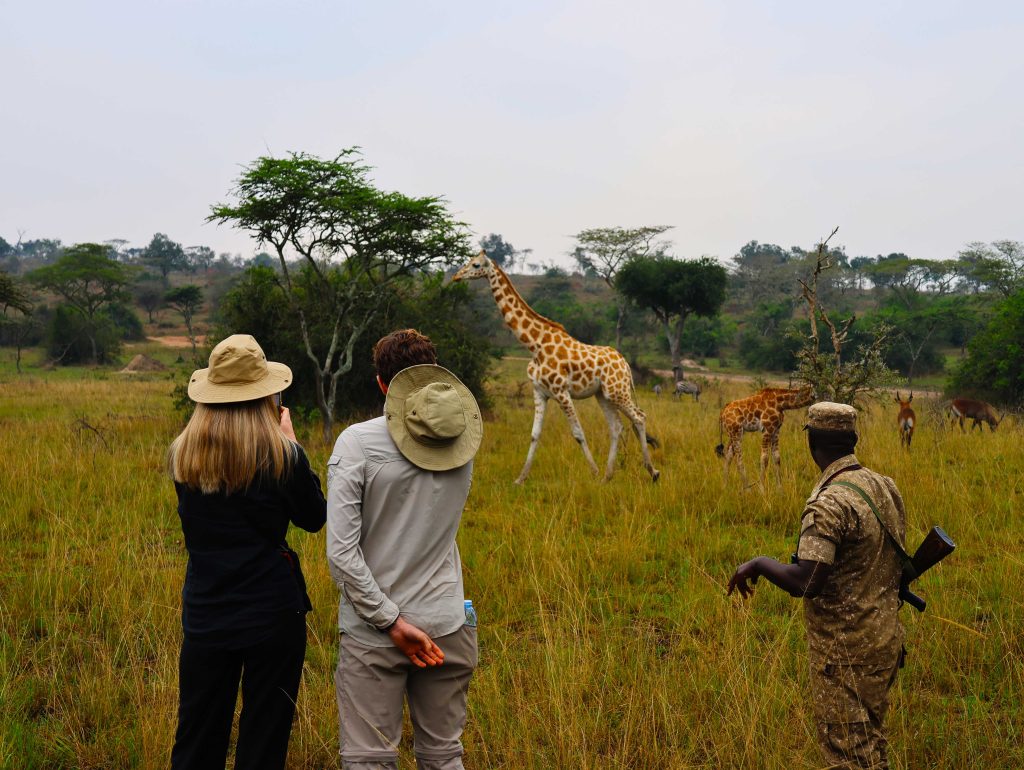
Rwanda offers a mix of savannah and forest wildlife,
making it a diverse safari destination. Akagera
National Park is home to elephants, lions, giraffes, zebras, and hippos,
while Nyungwe Forest provides sightings of primates like colobus monkeys and
chimpanzees. Birdwatchers will find hundreds of species across different
habitats. Unlike larger safari countries, Rwanda’s compact size allows
travelers to experience varied ecosystems without long drives. Visitors should
expect smaller but rewarding game drives, with opportunities to combine big
game viewing with forest adventures. Guides are skilled at tracking animals and
explaining their behavior, ensuring a richer experience. Rwanda’s wildlife may
not be as vast as Kenya or Tanzania, but its diversity and accessibility make
it ideal for travelers seeking both big game and unique primate encounters.
2. Gorilla
Trekking
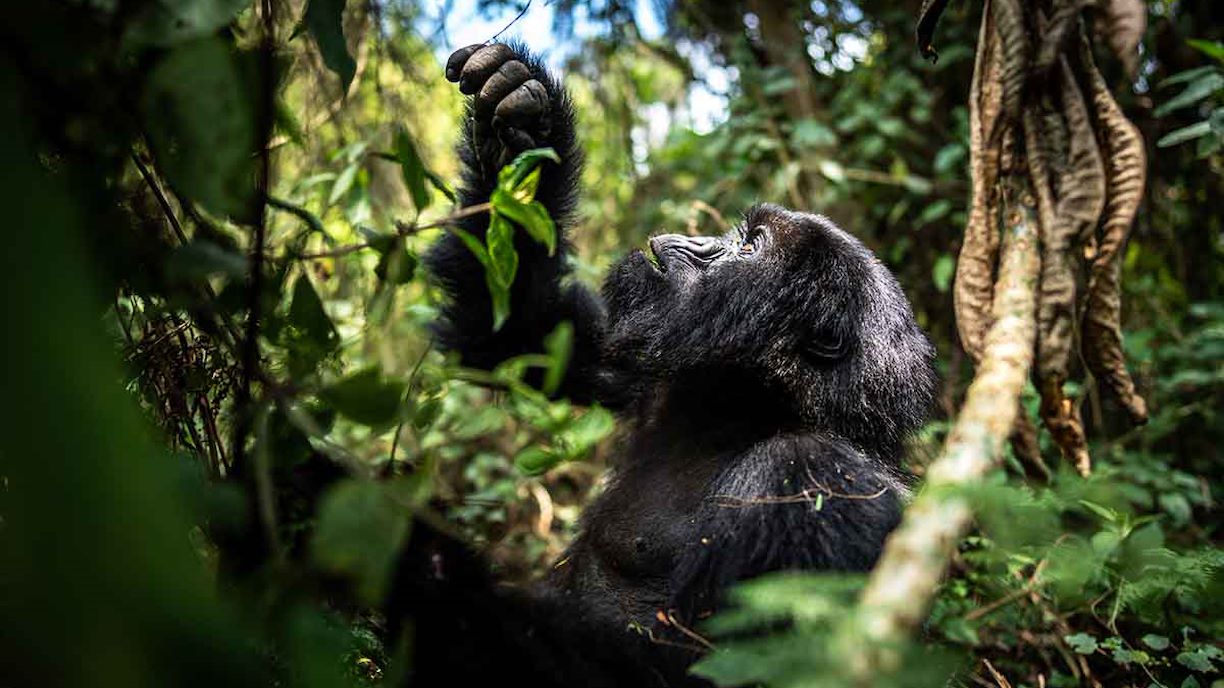
Volcanoes National Park is Rwanda’s crown jewel,
offering gorilla trekking experiences that are among the best in Africa.
Permits are limited and must be booked well in advance, as demand is high. The
trek involves hiking through steep, forested terrain, so visitors should be
prepared for physical effort. Spending an hour with gorillas in their natural
habitat is a rare privilege, and strict rules ensure their protection. Guides
and trackers lead the way, making the experience safe and respectful. The cost
of permits is significant, but it supports conservation and local communities.
Travelers should expect this to be the highlight of their safari, offering a
close look at one of the world’s most endangered species. Proper preparation
and early booking are key to enjoying this activity.
3. National
Parks
Rwanda’s safari experience revolves around three
main parks: Volcanoes, Akagera, and Nyungwe. Volcanoes National Park is famous
for gorillas and golden monkeys. Akagera offers classic savannah safaris with
the Big Five, while Nyungwe is a haven for primates and birdlife. Each park has
its own character, so travelers should plan based on interests. Akagera is
ideal for traditional game drives, while Nyungwe suits those interested in
forest hikes and canopy walks. Volcanoes is the most visited due to gorilla
trekking. Distances between parks are short compared to other countries, making
it possible to combine them in one trip. Visitors should expect well-managed
parks with strong conservation efforts. Exploring all three provides a balanced
safari experience, blending big game, primates, and unique landscapes.
4. Best Time to
Visit
Rwanda
safaris can be enjoyed year-round, but the dry seasons June to September
and December to February are generally best. During these months, trails are
easier for gorilla trekking, and wildlife is more visible in Akagera. The rainy
seasons bring lush greenery and fewer tourists, which can appeal to those
seeking quieter experiences. Birdwatchers may prefer wetter months, as
migratory species arrive. Temperatures remain mild due to Rwanda’s high
altitude, but rain showers can occur anytime. Travelers should plan according
to their priorities: easier logistics in dry months or more affordable trips in
wet months. Packing waterproof gear is wise regardless of season. Timing your
safari well ensures smoother experiences and better wildlife viewing,
especially for gorilla and chimpanzee trekking.
5. Travel
Logistics
Rwanda’s small size makes travel logistics easier
compared to larger safari destinations. Kigali International Airport is the
main entry point, and most parks are within a few hours’ drive from the
capital. Roads are generally good, though some routes to forested areas can be
rough. 4x4 vehicles are commonly used for safaris, and guided tours are
recommended for convenience and safety. Domestic flights are less common, as
distances are short. Entry visas are required for most visitors, and
vaccinations such as yellow fever are mandatory. Travelers should also budget
for permits, park fees, and transport costs. Rwanda’s compact geography allows
visitors to maximize time in the parks rather than on the road, making it an
efficient safari destination.
6. Accommodation
Choices
Rwanda offers a range of safari accommodation, from
budget guesthouses to luxury lodges. Many lodges are located near national
parks, providing easy access to activities. Expect rustic charm in most places,
though high-end options exist, especially near Volcanoes National Park.
Electricity and internet may be limited in remote areas, so travelers should
prepare for simple living. Meals are usually included, with a mix of local and
international dishes. Booking early is important, particularly for lodges near
gorilla trekking sites, as demand is high. Smaller lodges often provide
personalized service and closer ties to local communities. Choosing
accommodation based on comfort level, budget, and proximity to activities
ensures a smoother safari experience. Lodges often support conservation and
community projects, adding value beyond just lodging.
7. Cultural
Encounters
Rwanda safaris are enriched by cultural experiences
that go beyond wildlife. Visitors can meet local communities, such as the Iby’iwacu
Cultural Village near Volcanoes National Park, where traditions and daily
life are shared. Village walks, craft markets, and traditional performances
provide insight into Rwanda’s culture. Guides arrange visits that are
respectful and beneficial to locals, ensuring tourism supports communities.
Travelers should expect genuine interactions rather than staged shows, though
quality varies by operator. Learning about Rwanda’s history and culture adds
depth to the safari, offering context to the landscapes and wildlife. Including
cultural encounters makes the trip more meaningful, connecting visitors to the
people who live alongside the natural attractions.
8. Budgeting and
Costs
Safaris in Rwanda can be costly, especially gorilla
trekking, which requires expensive permits. However, Rwanda offers good value
for money compared to some destinations. Park fees, accommodation, and
transport all add up, so travelers should budget carefully. Mid-range safaris
are common, with comfortable lodges and guided tours. Luxury options exist but
are concentrated near Volcanoes National Park. Budget travelers can stay in
guesthouses or camps, though logistics may be harder. Costs vary depending on
season, with lower rates during rainy months. Hidden expenses, such as tips,
drinks, and transport, should also be considered. Planning a realistic budget
ensures smoother travel and avoids financial stress. Rwanda rewards those who
invest wisely, offering rich experiences for the price.
9. Health and
Safety
Travelers should prepare for health and safety when
planning a safari in Rwanda. Yellow fever vaccination is mandatory, and malaria
prevention is strongly advised. Carry insect repellent, sunscreen, and basic
medical supplies. Drinking bottled or filtered water is recommended. Roads can
be rough in forested areas, so expect occasional delays. Guides are trained to
ensure safety during wildlife viewing, but visitors must follow instructions
carefully. Rwanda is considered one of Africa’s safest countries, with low
crime rates and strong security. Travel insurance covering medical evacuation
is essential, especially for remote parks. Preparation makes a big difference,
ensuring the safari remains enjoyable and stress-free. Being mindful of health
and safety helps travelers focus on the rewarding aspects of their trip.
10. Conservation
Efforts
Tourism in Rwanda plays a vital role in
conservation. Gorilla trekking permits, park fees, and lodge revenues directly
support wildlife protection and community development. Visitors should expect
to see conservation efforts in action, from anti-poaching patrols to community projects
funded by tourism. Choosing responsible operators ensures money benefits local
people and ecosystems. Travelers can also support conservation by respecting
rules, minimizing waste, and learning about challenges facing wildlife.
Rwanda’s model shows how tourism can protect endangered species while improving
livelihoods. Visitors should understand that their trip has a wider impact
beyond personal enjoyment. Supporting conservation makes safaris more
meaningful, as travelers contribute to preserving Rwanda’s natural heritage for
future generations.
Best tips for
booking your Rwanda safari
When booking your Rwanda safari, the most important
step is to secure gorilla trekking permits early, as they are limited and sell
out months in advance. Work with licensed local operators who are registered
with the Rwanda Development Board to ensure reliability and proper handling of
logistics. Always confirm what is included in your package such as park fees,
transport, and meals to avoid unexpected costs later. Booking accommodation
near Volcanoes National Park should also be done early, especially during peak
seasons. A deposit of around 30% is common, with the balance due closer to
travel dates. Travelers should also check visa requirements, vaccinations, and
travel insurance before confirming. Careful booking not only guarantees
availability but also ensures a smoother, stress-free safari experience in
Rwanda.