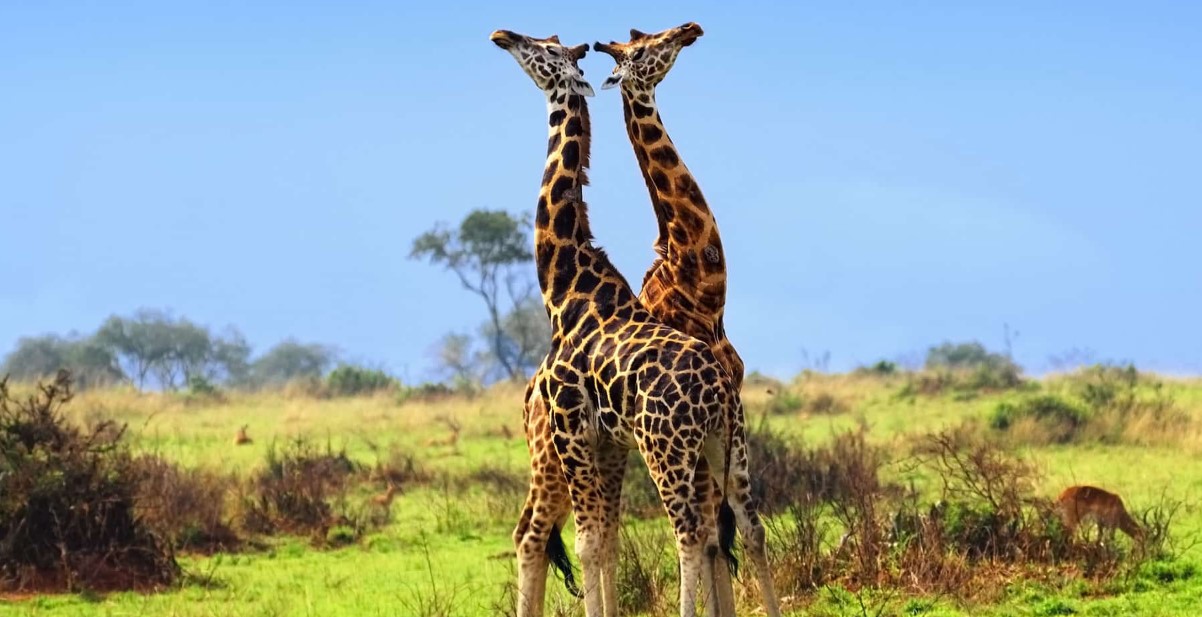

Uganda has earned its reputation as
a famous
adventure safari destination because it offers a combination of experiences
that few other African countries can match. Often called the "Pearl of
Africa," it packs mountains, rainforests, savannahs, and lakes into a
relatively small area, creating a diverse and intense wildlife journey. Unlike
the more polished and crowded safari circuits of its neighbours, Uganda
provides a rawer, less scripted, and more intimate wilderness encounter.
The
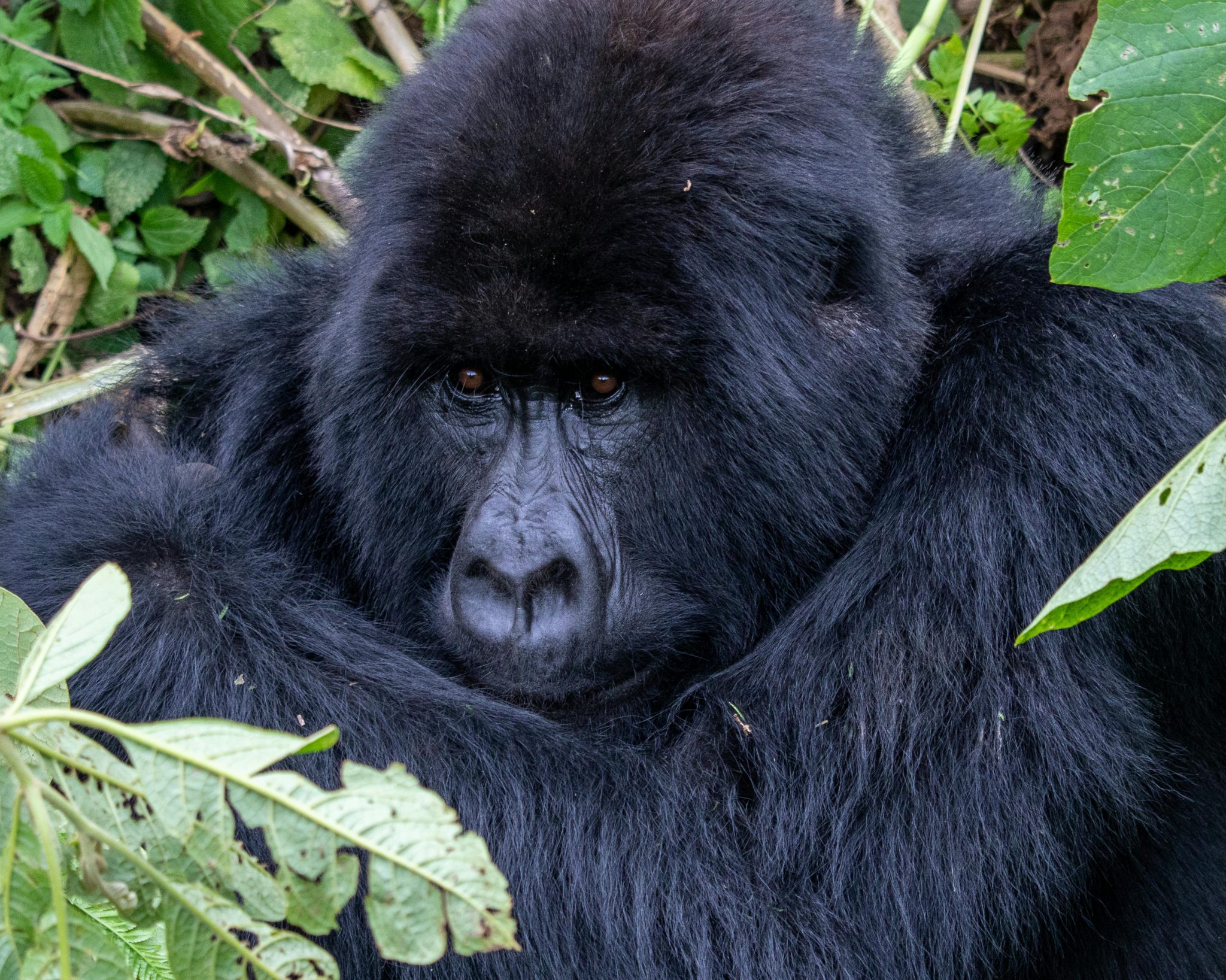
Ultimate Primate Encounter: Mountain Gorillas
The primary draw that puts Uganda
on the global adventure map is the opportunity to track mountain
gorillas in the wild. The Bwindi Impenetrable Forest, a UNESCO World
Heritage Site, shelters nearly half of the world's remaining population of
these critically endangered giants. Trekking through dense, mist-covered
forests on steep terrain to find a habituated gorilla family is a physical
challenge that culminates in a profound and humbling hour spent observing them.
This exclusive experience, limited to small groups with strict permits, feels
less like a standard tourist activity and more like a genuine expedition.
Chimpanzee
Tracking in Kibale and Beyond
Beyond gorillas, Uganda is one of
Africa's premier destinations for chimpanzee encounters. Kibale National Park,
often called the primate capital of the world, offers some of the most reliable
chimp tracking, where visitors can observe these energetic and noisy primates
in their natural habitat. The adventure is heightened by the sounds of the
forest erupting with their calls. For a more dramatic setting, tracking the
isolated chimpanzee community in the Kyambura Gorge, a deep chasm cutting
through the savannah, offers a uniquely thrilling and unpredictable wildlife
experience.
Unique
Savannah Wildlife: Tree-Climbing Lions
While Uganda is famous for
primates, its savannah parks offer classic game viewing with a unique twist. Queen
Elizabeth National Park is home to the celebrated tree-climbing lions of
the Ishasha sector, a rare behaviour seen in few other places in Africa.
Watching these majestic predators draped lazily across fig tree branches is a
surreal and memorable sight. This park also boasts one of the highest
biodiversity ratings in the world, hosting elephants, buffalo, and a vast array
of antelope against a backdrop of crater lakes and open plains.
The
Mighty Nile and Murchison Falls
The adventure in Uganda extends to
its dramatic waterways, most notably the Nile River. Murchison
Falls National Park is the stage for one of Africa's most powerful natural
spectacles, where the entire Nile forces itself through a narrow, seven-meter
gorge, creating a thunderous explosion of water. A boat safari along the
Victoria Nile below the falls offers a thrilling way to see huge concentrations
of hippos, crocodiles, and elephants lining the banks, providing a different
perspective on the classic safari.
The
Source of the Nile: Jinja's Adrenaline Rush
For travellers seeking a different
kind of thrill, Jinja, located at the source of the Nile on Lake Victoria, has
established itself as East Africa's adventure capital. The area is famous for
offering some of the world's best white-water rafting, including intense Grade
5 rapids. Whether it is a full-day rafting expedition, kayaking, or bungee
jumping, the activities here provide a high-adrenaline counterpoint to the more
contemplative wildlife experiences found in the national parks, proving that a
Ugandan safari can be as active as it is observational.
Kazinga
Channel: A Wildlife Superhighway
A boat cruise along the Kazinga
Channel in Queen
Elizabeth National Park is a highlight that showcases the incredible
density of life in Uganda. This 32-kilometre natural channel connects Lake
Edward and Lake George and is renowned for having one of the highest
concentrations of hippos in the world. The cruise offers a front-row seat to a
continuous stream of wildlife, with elephants coming down to drink, massive
crocodiles sunning on the banks, and hundreds of bird species, including
kingfishers and fish eagles, darting overhead.
The
"Unscripted" and Uncrowded Wilderness
A defining feature of a Ugandan
safari is the sense of having the wilderness to yourself. Unlike the busy,
vehicle-clogged tracks of more famous safari nations, Uganda's parks are
notably quieter. This low visitor density means that sightings are often shared
with only a handful of other people, preserving a sense of discovery. The
experience feels "unscripted," where the wild is genuinely wild, and
the lack of crowds allows for a more personal and immersive connection with the
environment and its inhabitants.
Incredible
Avian Diversity and the Shoebill
For birdwatchers, Uganda is nothing
short of a paradise, with over 1,000 recorded species. The ultimate prize for
many is the elusive and prehistoric-looking shoebill stork, a massive bird that
lurks in the papyrus swamps of places like Mabamba and Murchison Falls. The
sheer diversity of habitats—from Albertine Rift forests to papyrus wetlands supports
an astonishing variety of birdlife, making a safari here a twitching adventure
of the highest order, with the chance to spot species found nowhere else on the
continent.
Diverse
Landscapes: From Glaciers to Savannah
Uganda's adventure is also
geographical. The country's varied terrain means a single trip can encompass
vastly different ecosystems. You can trek through the dense, ancient
rainforests of Bwindi, explore the open savannahs of Queen Elizabeth, and even
see snow-capped peaks on the Rwenzori Mountains the "Mountains of the
Moon" which are higher than the Alps. This geographical diversity ensures
that every day of a safari offers a change in scenery and a new type of
adventure, whether it is hiking through a gorge, cruising on a lake, or driving
across a plain.
A
Conservation-Driven and Authentic Experience
Finally, what makes a Ugandan
safari a famous adventure is the tangible link between tourism and
conservation. The high cost of gorilla permits directly funds the protection of
the animals and the surrounding habitats, as well as community development projects.
This model means that the adventure has a direct and positive impact.
Furthermore, the relatively young tourism industry means the experience feels
authentic and less commercialised. The warmth of the Ugandan people and the
rawness of the encounters create a safari that is not just about ticking off
animals, but about participating in a meaningful and wild journey.