
Uganda
is one of Africa’s most diverse safari destinations, offering a combination of
wildlife viewing, gorilla trekking, chimpanzee tracking, birdwatching, cultural
experiences, and beautiful natural landscapes. From the mountain gorillas of
Bwindi Impenetrable National Park to the vast savannahs of Queen Elizabeth,
Murchison Falls, and Kidepo Valley National Parks, Uganda provides a wide range
of safari experiences within one country. Visitors can enjoy game drives, boat
cruises, guided nature walks, and primate tracking while exploring forests,
wetlands, rivers, and grasslands. Uganda is also a top destination for
birdwatchers, with more than 1,000 recorded bird species. The country's
friendly people, growing tourism infrastructure, and excellent conservation
efforts make it an attractive choice for travelers seeking authentic wildlife
experiences, adventure, and value for money throughout the year.
1. Why Choose Uganda for
a Safari
Uganda
is one of Africa’s most diverse safari destinations, offering wildlife,
primates, birdlife, mountains, lakes, and cultural experiences within a
relatively small geographical area. Unlike destinations that focus mainly on
game drives, Uganda combines traditional wildlife viewing with gorilla trekking
and chimpanzee tracking. Visitors can explore national parks, meet local
communities, and enjoy landscapes that range from savannah plains to tropical
forests. The country's tourism sector continues to attract travelers seeking
authentic experiences and value for money. Uganda is also known for its
friendly people and well-managed protected areas. Whether you are visiting for
the first time or returning to explore more of East Africa, Uganda provides a wide
variety of activities that appeal to photographers, wildlife lovers,
conservation supporters, and adventure travelers throughout the year.
2. Gorilla Trekking in
Bwindi Impenetrable National Park
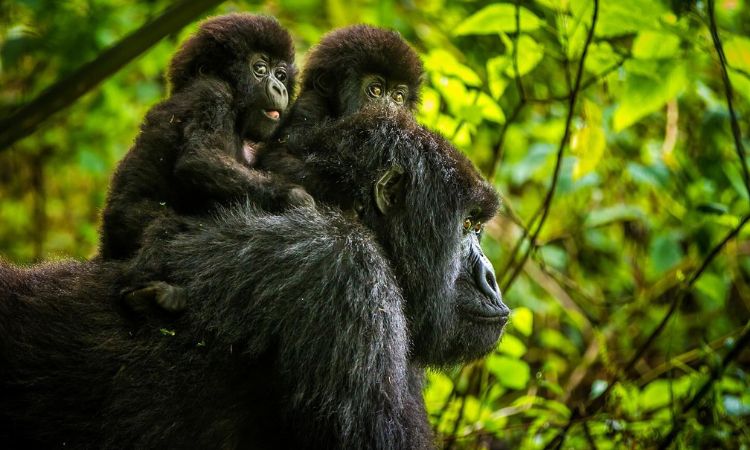
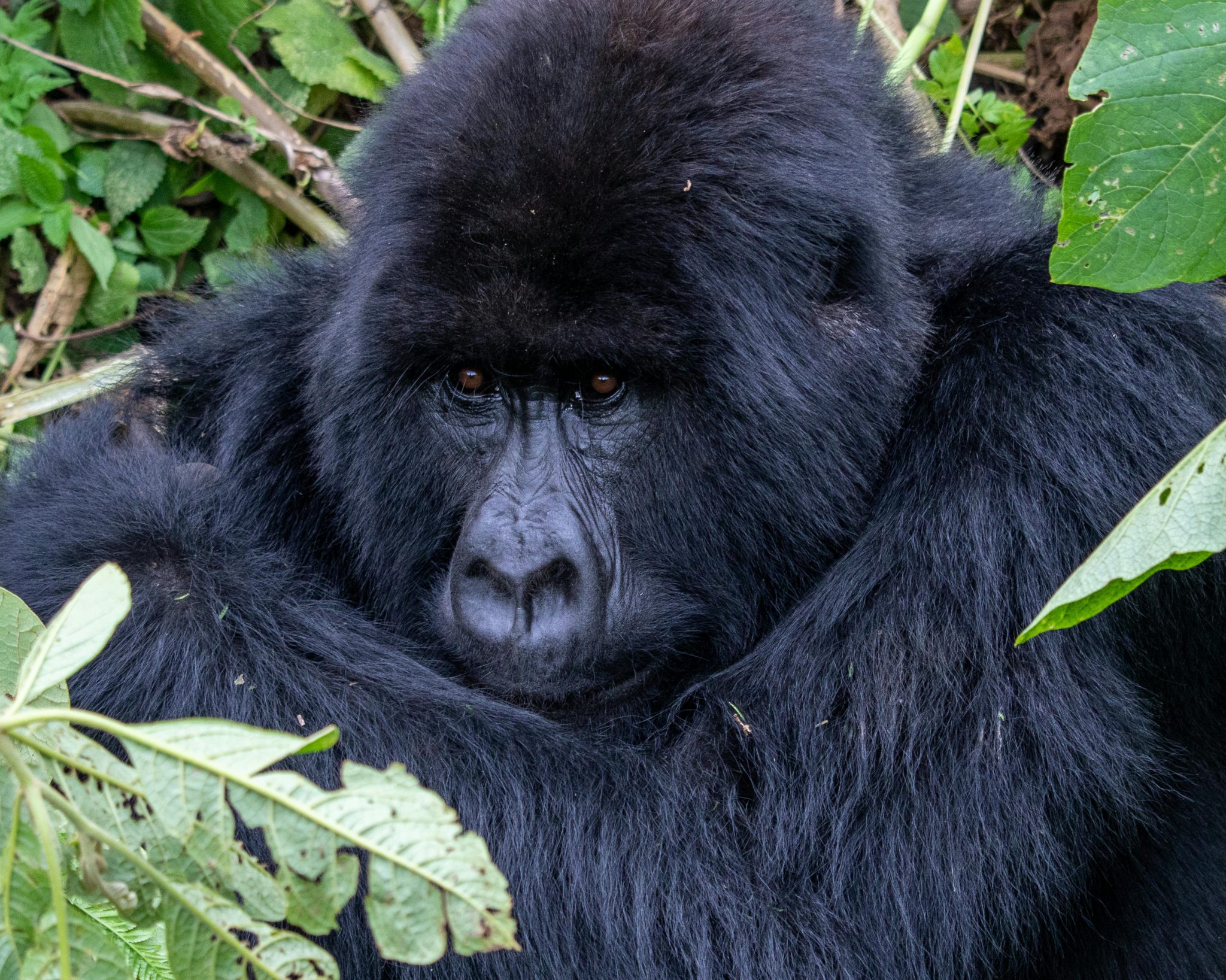
Gorilla
trekking is the most famous wildlife activity in Uganda and one of the main
reasons people visit the country. Bwindi Impenetrable National Park is home to
nearly half of the world's remaining mountain gorillas. Visitors take guided
forest walks to locate habituated gorilla families living within the park. The
experience allows people to spend one hour observing gorillas as they feed,
rest, and interact in their natural habitat. Permits are required and should be
booked well in advance because demand remains high throughout the year.
Physical fitness is helpful since trekking conditions can vary depending on
gorilla movements. Seeing mountain gorillas in the wild provides valuable
insight into conservation efforts and highlights the importance of protecting
endangered species and their forest habitat for future generations.
3. Chimpanzee Tracking in
Kibale Forest
Kibale
National Park is considered the best location in Uganda for chimpanzee
tracking. The forest supports a large population of habituated chimpanzees and
a variety of other primate species. Guided walks allow visitors to search for
chimpanzees while learning about forest ecology and conservation. Once located,
travelers observe their behavior, feeding patterns, and social interactions.
The forest is also home to monkeys, birds, butterflies, and numerous plant
species. Chimpanzee tracking provides a different experience from gorilla
trekking because chimpanzees move quickly and are often highly active. Many
visitors include both activities in their safari itinerary to experience
Uganda's remarkable primate diversity. Early booking is recommended because permits
can become limited during busy travel periods and peak tourism seasons.
4. Wildlife Viewing in
Queen Elizabeth National Park
Queen
Elizabeth National Park is one of Uganda's most popular safari destinations due
to its wildlife diversity and accessibility. The park contains savannah plains,
forests, wetlands, and crater lakes that support a wide range of animal
species. Visitors commonly see elephants, buffaloes, antelopes, hippos,
crocodiles, and lions during game drives. The Kazinga Channel boat cruise is a
major attraction because it offers close views of animals gathering along the
water. Birdwatchers also appreciate the large number of bird species recorded
within the park. The Ishasha sector is particularly known for its tree-climbing
lions, a rare behavior observed in only a few places in Africa. Queen Elizabeth
National Park is often combined with gorilla trekking to create a varied safari
experience.
5. Murchison Falls
National Park Experience
Murchison
Falls National Park is the largest national park in Uganda and offers some of
the country's finest wildlife viewing opportunities. The park is named after
Murchison Falls, where the Nile River forces through a narrow gap before
plunging dramatically downstream. Visitors can enjoy game drives that may
reveal elephants, lions, giraffes, buffaloes, antelopes, and other wildlife.
Boat trips along the Nile provide additional opportunities to see hippos,
crocodiles, and water birds. Visiting the top of the falls allows travelers to
appreciate the power of the river and capture impressive photographs. The
combination of wildlife, scenery, and river activities makes Murchison Falls
one of the most complete safari destinations in Uganda and a favorite among
international visitors.
6. Exploring Kidepo
Valley National Park
Kidepo
Valley National Park is often described as Uganda's most remote safari
destination. Located in the northeastern part of the country, it offers wide
open plains and strong wildlife viewing opportunities. The park supports lions,
cheetahs, buffaloes, elephants, giraffes, zebras, and numerous antelope
species. Visitor numbers remain relatively low compared to other parks,
creating a quieter safari environment. The surrounding landscapes and cultural
interactions with local communities add extra value to a visit. Because of its
remote location, travelers usually dedicate several days to fully appreciate
the park. Kidepo appeals to visitors looking for less crowded wildlife
experiences and those interested in exploring one of Uganda's most untouched
conservation areas while enjoying diverse wildlife viewing opportunities.
7. Birdwatching
Opportunities in Uganda
Uganda
is widely recognized as one of Africa's leading birdwatching destinations. The
country supports more than one thousand recorded bird species across forests,
wetlands, savannahs, and mountain habitats. Popular birding locations include
Bwindi, Kibale, Queen Elizabeth, Murchison Falls, and Mabamba Swamp.
Birdwatchers travel from around the world to search for rare species such as
the shoebill stork. Even travelers without birding experience often enjoy the
colorful birdlife found throughout Uganda's national parks. Guided birding
excursions help visitors identify species and understand their habitats.
Seasonal migration patterns increase diversity during certain times of the
year. Birdwatching can easily be combined with wildlife safaris, making Uganda
an excellent destination for travelers interested in both large mammals and
bird species.
8. Cultural Experiences
During Uganda Safaris
Uganda's
cultural diversity adds another layer to the safari experience. Visitors can
participate in community visits, traditional dance performances, local craft
demonstrations, and village walks. These activities help travelers understand
local traditions, lifestyles, and historical connections to conservation areas.
Communities near national parks often play an important role in wildlife
protection and sustainable tourism. Cultural visits provide opportunities to
support local livelihoods while learning about regional customs and daily life.
Experiences vary from one region to another, reflecting Uganda's rich cultural
heritage. Including cultural activities in a safari itinerary creates a more
balanced experience and helps visitors appreciate the relationship between
people, wildlife, and conservation efforts. Many travelers consider these
interactions among the highlights of their trip.
9. Best Time to Visit
Uganda
Uganda
can be visited throughout the year, but weather conditions often influence
travel plans. The drier months are generally preferred for gorilla trekking,
chimpanzee tracking, and game drives because trails are easier to navigate and
wildlife viewing can be more predictable. Rainy seasons bring greener
landscapes and excellent birdwatching opportunities. Travelers interested in
photography often appreciate the vibrant scenery during wetter periods.
Different regions may experience varying weather conditions, so understanding
seasonal patterns helps when planning an itinerary. The best travel period
depends on personal interests, budget, and preferred activities. Working with
experienced safari planners can help visitors choose suitable dates based on
their goals and expectations while making the most of their time in Uganda.
10. Accommodation Options
for Every Traveler
Uganda
offers accommodation options to suit a wide range of budgets and travel styles.
Visitors can choose from luxury lodges, mid-range safari camps, guesthouses,
and budget-friendly accommodations near major national parks. Many lodges are
strategically located close to wildlife areas, reducing travel time between
activities. Some properties offer views of forests, rivers, lakes, or
wildlife-rich landscapes. Accommodation providers increasingly focus on
sustainability by supporting local communities and conservation projects.
Choosing the right lodge depends on budget, comfort preferences, location, and
the planned activities. Booking accommodations early is recommended during busy
tourism seasons. The wide range of available options ensures that travelers can
find suitable places to stay while exploring Uganda's top wildlife
destinations.
11. What to Pack for a
Uganda Safari
Packing
correctly can significantly improve comfort during a Uganda safari. Lightweight
clothing in neutral colors is recommended for game drives and wildlife
activities. Long-sleeved shirts, waterproof jackets, and sturdy walking boots
are particularly useful for gorilla trekking and chimpanzee tracking. Essential
items include sunscreen, insect repellent, sunglasses, personal medications, a
camera, extra batteries, and binoculars. Travelers should also carry important
travel documents and copies of permits where necessary. Weather conditions can
change, especially in forested regions and mountainous areas, making layered
clothing a practical choice. Soft luggage is often recommended because it is
easier to transport during road transfers. Careful preparation helps visitors
enjoy activities comfortably while minimizing travel-related challenges.
12. Planning a Successful
Uganda Safari
Successful Uganda safaris depend on careful planning and realistic expectations. Travelers should identify their interests before selecting destinations, whether focusing on gorillas, chimpanzees, wildlife viewing, birdwatching, or cultural experiences. Combining several national parks often creates a more balanced itinerary while maximizing travel value. Booking permits, accommodations, and transportation in advance helps avoid disappointment during busy periods. Working with experienced safari operators simplifies logistics and ensures access to knowledgeable guides. Visitors should allow enough time to enjoy activities without rushing between destinations. Uganda rewards travelers who plan carefully by offering some of Africa's most varied wildlife and nature experiences. With proper preparation, visitors can enjoy memorable encounters with wildlife, welcoming communities, and remarkable natural environments across the country.