
The success rate of seeing mountain gorillas during a trek in Uganda is exceptionally high, consistently reported as over 95% and often approaching 99% . This near-guarantee is a testament to the sophisticated system managed by the Uganda Wildlife Authority (UWA), rather than a matter of luck. The process begins before visitors even start their trek, ensuring that an encounter is almost certain.
This high success is achieved through a daily
routine of expert pre-tracking. Each morning, skilled rangers and trackers enter
the forest early to locate the gorilla families that were assigned to trekking
groups . They follow signs like footprints and feeding remains from the
previous night's nests. By the time trekkers begin their hike, the rangers have
already pinpointed the gorillas' location and communicate with guides via
radio, leading visitors to a confirmed spot rather than searching blindly .
The success rate's consistency is supported by the
fact that gorillas do not migrate and remain in their established home ranges
year-round . While they move throughout the day to feed, the pre-trackers
stay close. Even during the rainy seasons, gorillas remain active and
accessible, and the abundant food often means they travel shorter distances,
sometimes leading to shorter treks . This contrasts with the dry season
when they may wander further, but the robust tracking system still prevails.
Given these near-perfect odds, a miss is rare. On the
off-chance it happens, UWA has a clear safety net for trekkers . If
rangers officially confirm that the gorillas were unreachable due to natural
factors, visitors are typically offered a free second trek the following day or
a partial refund of the permit fee . This policy underscores the park's
commitment to ensuring a successful experience.
The 99%+ success rate in Uganda is comparable to,
and often exceeds, that of neighboring Rwanda, making it one of the most
reliable places in the world for this experience . This is a direct result
of decades of successful conservation and habituation efforts that have allowed
for sustainable tourism. The meticulous daily work of trackers and rangers is
central to this achievement.
It is important for visitors to understand that
while the overall statistics are impressive, individual experiences can vary.
Minor factors like the specific sector of Bwindi (e.g., Buhoma, Rushaga,
Ruhija, or Nkuringo) or Mgahinga
National Park can influence trekking difficulty, but not the ultimate
likelihood of a sighting . Choosing a permit in the dry season for easier
trails or the wet season for fewer crowds won't significantly affect your
chances of seeing the gorillas .
Ultimately, planning a gorilla trek in Uganda comes
with an overwhelming probability of success. This high rate reflects the
professionalism of the trackers and the effectiveness of the conservation
model. While no wildlife encounter is an absolute guarantee, booking a permit
for a Uganda gorilla trekking safari offers one of the most certain and
profound wildlife experiences available on the planet
Best time to see
gorillas in Uganda
The best time to see gorillas in Uganda is during
the dry seasons, from June to September and December to February,
when trails are firmer, mud is reduced, and hiking is more manageable, making
the experience more comfortable and reliable. However, gorilla trekking is possible
year-round as the animals are non-migratory and sightings remain consistently
high (over 95%) in any season. The wet seasons (March to May and October to
November) bring muddy and slippery trails that can make treks more physically
demanding, but they also offer advantages like fewer crowds, lower lodge rates,
and lush, dramatic forest scenery for a more intimate experience. Ultimately,
while the dry months provide the best overall conditions, the ideal time
depends on your personal priorities whether you prefer easier trekking and peak
facilities, or quieter trails and better value.
How to get there
for gorilla trekking in Uganda
To reach the
gorilla trekking destinations in Uganda, most travelers first fly
into Entebbe International Airport (EBB), the country's main international
gateway. From there, you have two primary options. The quickest and most
comfortable is to take a domestic flight operated by companies like Aerolink
Uganda from Entebbe to airstrips near the parks, such as Kihihi for
northern Bwindi or Kisoro for the southern sectors and Mgahinga;
these scenic flights take about 1 to 1.5 hours. Alternatively, you can travel
by road, which involves a long but scenic 8- to 10-hour drive through
southwestern Uganda, passing through towns like Mbarara and Kabale. For a more
time-efficient route to Bwindi's southern sectors, some travelers fly
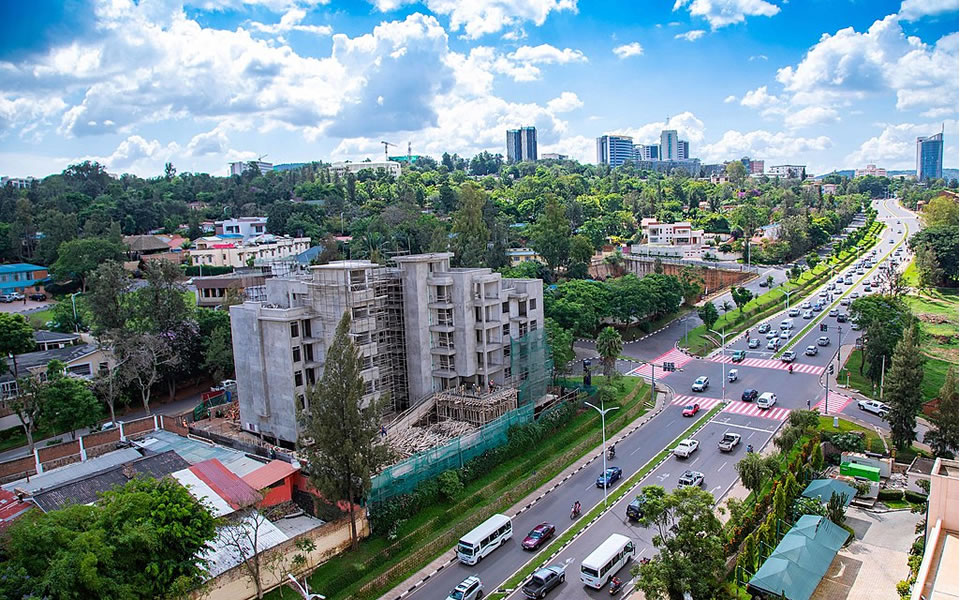
into Kigali International Airport (KGL) in Rwanda, as the drive from
there to the park is significantly shorter at about 4 to 5 hours, though this
involves crossing an international border. The best choice depends on your
itinerary, budget, and whether you prefer speed or wish to explore more of the
Ugandan countryside.