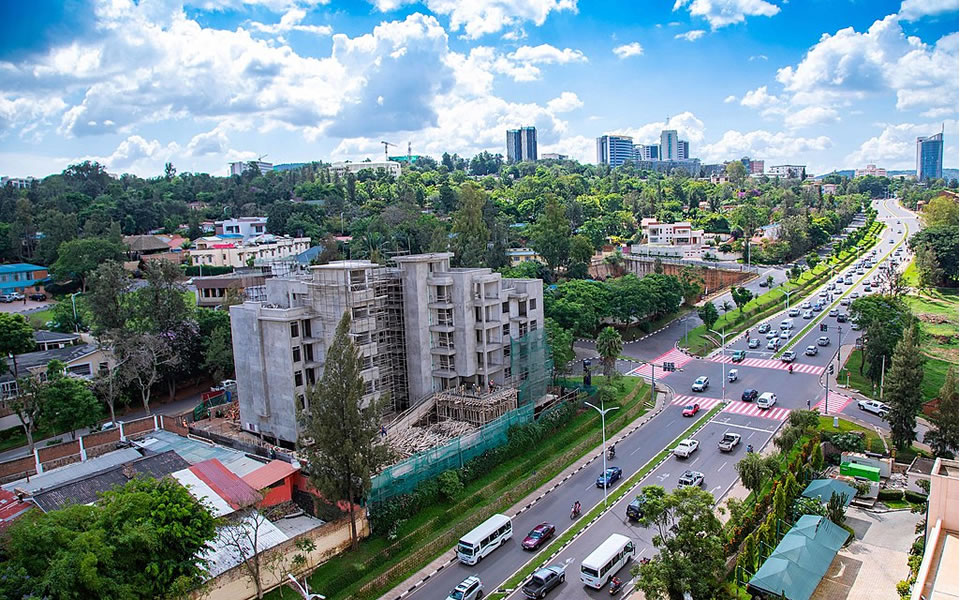

Kigali, Rwanda’s capital, is a city that blends
history, culture, and modern development, making it an essential stop during a
Rwanda safari. Known for its cleanliness and safety, Kigali offers
travelers meaningful experiences ranging from the sobering Genocide Memorial to
vibrant community walks in Nyamirambo. Art lovers can enjoy contemporary works
at the Inema Arts Centre, while food and craft enthusiasts will find energy at Kimironko
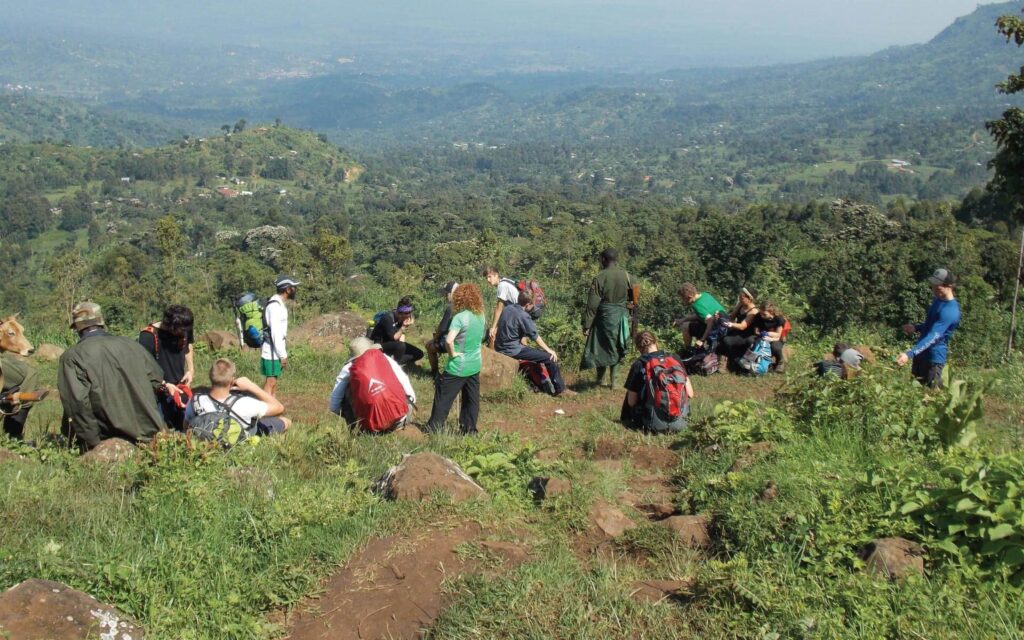
Market. The city also features green escapes like Nyandungu Eco Park and scenic
hikes up Mount Kigali. Modern landmarks such as the Kigali Convention Centre
and City Tower showcase Rwanda’s progress. A Kigali city tour offers
reflection, culture, and modern vibrancy in one destination..
1. Kigali
Genocide Memorial
This is the most important place to start your city
tour if you want to understand Kigali. The memorial is a permanent resting
place for over 250,000 victims of the 1994 Genocide against the Tutsi. The
exhibits inside provide a clear, step-by-step account of the events leading up
to the genocide and the country's path to rebuilding. While it is a sobering
experience, it offers valuable context for the peace and order you see in
Kigali today. Plan to spend at least two hours here. The information is
presented in a way that is easy to follow, and the audio guide helps you move
through the rooms at your own speed. It is a place for learning and reflection,
not a typical tourist stop.
2. Nyamirambo
Walking Tour
If you want to see how locals live, head to Nyamirambo.
This district is one of the city's most vibrant and diverse neighborhoods. The
walking tour is run by local women from the community and takes you through
busy streets, past mosques, and into tiny tailor shops and food stalls. It is
an honest look at daily life, not a performance for visitors. You will see
colorful houses, taste local snacks, and learn about the area's Muslim heritage.
It is a good way to get a feel for the city's energy away from the main
business districts. The tour is a few hours long and involves a fair amount of
walking on hilly streets, so wear comfortable shoes.
3. Inema Arts
Centre
This is the spot to see Rwandan creativity. Founded
by two local brothers, Inema is a large gallery that showcases bold paintings,
sculptures, and mixed-media works by a collective of resident artists. The
space itself is lively, with artists often working in the studio, so you can
watch them create. There is also a calm garden and a bar where you can sit and
relax after looking at the art. It is a popular place to buy original pieces
directly from the creators. The atmosphere is laid-back and welcoming, so you
won't feel pressured. It is a good stop for anyone who wants to take home a
piece of modern Rwandan culture, not just a typical souvenir.
4. Kimironko
Market
For a real taste of Kigali's commercial life, go to
Kimironko. This is the city's busiest and largest market. Vendors sell
everything from fresh fruits, vegetables, and spices to colorful fabrics
(kitenge) and hand-woven baskets. The place is full of noise, color, and
activity. It is not a polished experience, but it is genuine. If you need a
guide, you can hire one at the entrance to help you navigate the stalls and
bargain for prices. It is a good place to buy local food items to try, or to
find gifts like traditional crafts. Be ready for a crowded, lively environment
and keep your belongings close.
5. Belgian
Peacekeepers Memorial
This small site tells a specific story from the
start of the genocide. It commemorates ten Belgian UN peacekeepers who were
killed on the first day of the violence in 1994. The memorial features ten
stone pillars, each marked with stripes that represent the age of the soldier
it honors. You can also visit the nearby house where they were stationed.
Bullet holes and damage from the attack are still visible on the walls. It is a
quiet place for contemplation, not a large museum. The entrance can be tricky
to find, but it is a significant historical stop that is often overlooked by
tourists.
6. Nyandungu Eco
Park
This is a good choice if you need a break from the
city noise. Nyandungu is a restored wetland and green space with walking and
cycling paths. It is a 121-hectare park that was turned from degraded land into
a peaceful area with ponds, birdwatching spots, and picnic zones. You can walk
for hours on the paths and see a variety of local birds and plants. It is a
well-maintained public space, so you can relax without worrying about safety.
It is a convenient spot for a morning walk or an afternoon picnic, and it shows
a different, calmer side to the city.
7. Mount Kigali
Hike
For a view of the city from above, take a hike up
Mount Kigali. It is a gentle walk that gives you a panoramic look at the city
spread over its many hills. The path goes through eucalyptus forests and past
local villages, so you get a mix of nature and local life. It is a good, simple
activity that takes a couple of hours. The best time to do it is early morning
or late afternoon to avoid the heat. It is not a tough climb, so most people
can manage it. It is a practical way to get your bearings and see the layout of
the capital.
8. Inema Arts
Centre
This is the spot to see Rwandan creativity. Founded
by two local brothers, Inema is a large gallery that showcases bold paintings,
sculptures, and mixed-media works by a collective of resident artists. The
space itself is lively, with artists often working in the studio, so you can
watch them create. There is also a calm garden and a bar where you can sit and
relax after looking at the art. It is a popular place to buy original pieces
directly from the creators. The atmosphere is laid-back and welcoming, so you
won't feel pressured. It is a good stop for anyone who wants to take home a
piece of modern Rwandan culture.
9. Kigali
Convention Centre
This modern building is a key landmark in Kigali's
developing skyline. The convention center is often photographed for its unique
architecture. It is surrounded by a car-free zone and sits next to two shopping
malls that have shops, supermarkets, and restaurants. It is a good place for a
meal or to do some shopping in a clean, modern environment. The area shows the
more recent, urban development of the city. It is a useful stop if you need to
run errands or want a break from more traditional sightseeing.
10. Kigali City
Tower and Downtown
This is the central business district and a good
place to see modern Kigali. The city tower is one of the taller buildings, and
the downtown area has a car-free zone that is popular with locals. The streets
are clean and well-maintained, with shops and a few more expensive hotels
nearby. It is a straightforward, easy-to-walk area. It gives you a sense of the
city's modern, ordered character, which is very different from the older, more
chaotic neighborhoods. It is a simple stop to see the commercial heart of the
capital.
Best time to do
a Rwanda city tour
The best time for a city tour in Kigali is during
the two dry seasons: from June to September and December to
February. During these months, you get long hours of sunshine and very little
rain, which makes walking tours, market visits, and hikes up Mount Kigali much
easier and more pleasant. The roads are dry, the skies are clear for good views
from the hills, and you won't have to carry an umbrella or deal with muddy
paths. Mornings and late afternoons are especially comfortable, as the heat is
less intense. Avoid the rainy seasons from March to May and October to November
if you can, because heavy downpours can disrupt outdoor plans and make the
hilly streets slippery. However, if you only have those months available, pack
a rain jacket and flexible plans the city still functions fine, and you'll find
fewer tourists around.
Tips for combing
city tour and other activities on Rwanda safari
To combine a city tour with other safari activities
like gorilla trekking or game drives, plan your itinerary so that the city tour
comes last. This works best because you will be tired and dirty after
trekking or spending long hours in a vehicle, and Kigali offers a clean,
relaxed environment to wash up, eat good food, and visit museums before your
flight home. Keep the city tour to one full day or two half-days, and book a
guide with a car to save time moving between sites like the memorial, markets,
and art galleries. Use Kigali as your arrival and departure hub, so you can do
a quick orientation on day one and the full tour on your last day. Pack a
separate, clean set of clothes for the city portion. Also, book your
accommodation in Kigali for the final nights, and ask your safari operator to
arrange transport between the airport, the city, and the national parks so you
don’t waste time negotiating logistics on the ground. This way, you get a
smooth transition without rushing.