
A Visit Rwanda safari offers an extraordinary blend
of mountain
gorilla trekking, wildlife viewing, chimpanzee tracking, birdwatching, and
cultural experiences in one of Africa’s most well-organized destinations. From
the misty slopes of Volcanoes National Park, home to endangered mountain
gorillas, to the wildlife-rich plains of Akagera National Park and the ancient
rainforest of Nyungwe National Park, Rwanda provides diverse safari
opportunities for every traveler. Visitors can enjoy close encounters with
gorillas, exciting game drives, scenic landscapes, and meaningful interactions
with local communities. The country’s excellent infrastructure, safety, and
commitment to conservation make travel smooth and rewarding. Whether planning a
luxury holiday or a mid-range adventure, a Visit Rwanda safari delivers
unforgettable memories through exceptional wildlife experiences, cultural
discoveries, and breathtaking natural beauty throughout the year.
1. Why Visit
Rwanda for a Safari
Rwanda has become one of Africa’s leading safari
destinations thanks to its remarkable combination of mountain gorillas,
wildlife reserves, scenic landscapes, and rich cultural heritage. Known as the
Land of a Thousand Hills, Rwanda offers visitors an opportunity to experience
diverse attractions within a relatively compact country. A Visit Rwanda safari
provides easy access to world-class national parks, quality accommodations, and
excellent tourism infrastructure. The country is also recognized for its
cleanliness, safety, and strong conservation efforts. Whether you are
interested in gorilla trekking, classic game drives, birdwatching, or cultural
experiences, Rwanda offers something for every traveler. The welcoming nature of
local communities further enhances the travel experience. With stunning scenery
and unforgettable wildlife encounters, Rwanda continues to attract visitors
seeking a rewarding and well-organized African safari holiday.
2. Gorilla
Trekking in Volcanoes National Park
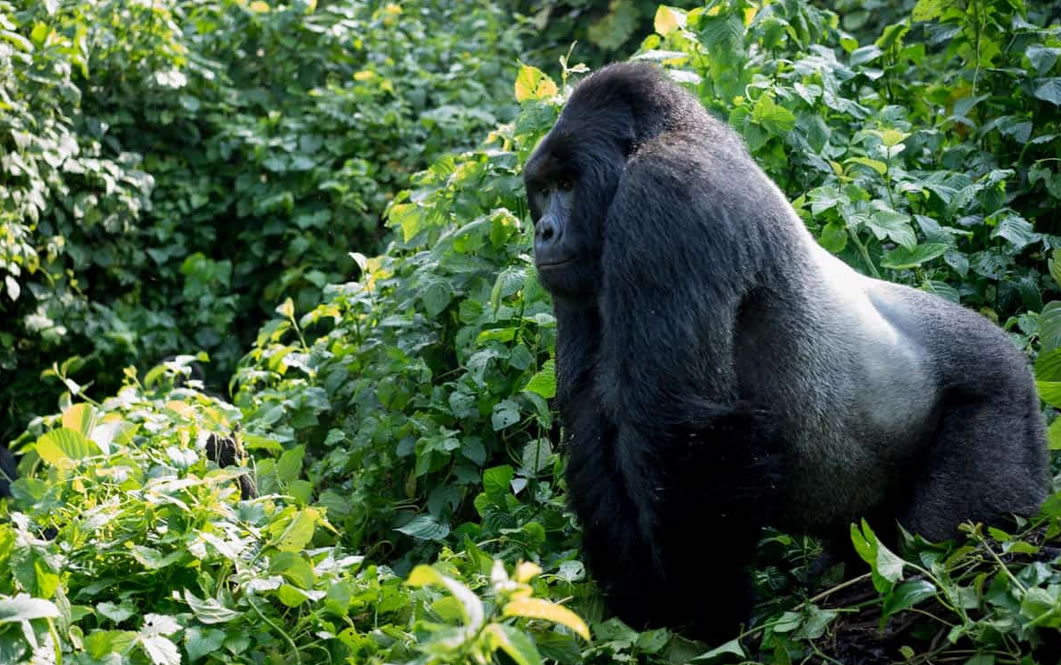
The highlight of any Visit Rwanda safari is mountain
gorilla trekking in Volcanoes
National Park. Located in the northwestern part of the country, the park
protects part of the Virunga Mountains and serves as a sanctuary for endangered
mountain gorillas. Gorilla trekking begins early in the morning as guides and
trackers lead visitors through the forest in search of a habituated gorilla
family. Once located, guests are allowed one hour to observe the gorillas in
their natural environment. Watching these gentle primates interact, feed, and
care for their young is a truly memorable wildlife experience. The trek itself
can vary in difficulty depending on the gorillas' location. Proper hiking gear
and a reasonable level of fitness are helpful. Gorilla trekking remains the
most sought-after activity during a Visit Rwanda safari.
3. Wildlife
Viewing in Akagera National Park
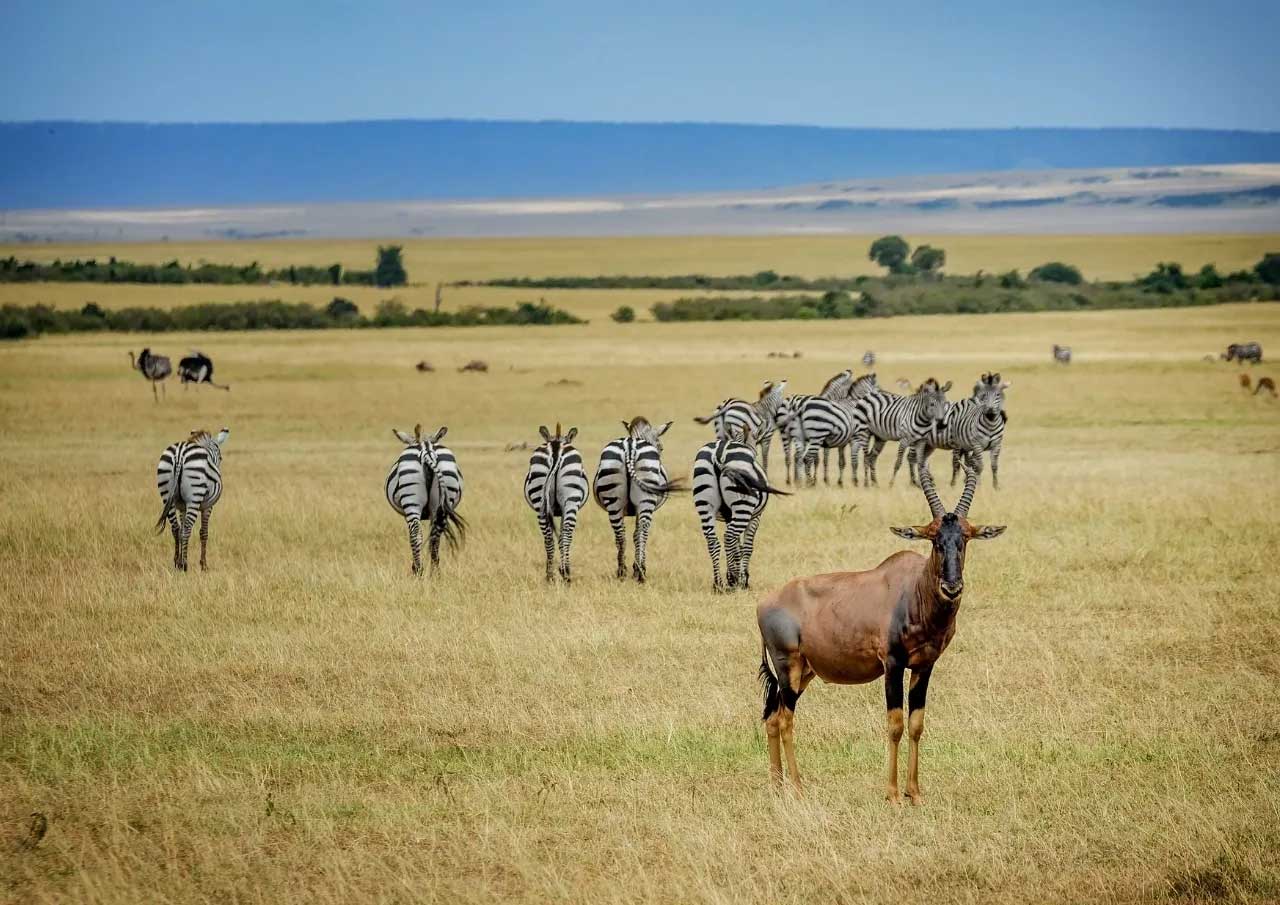
A Visit Rwanda safari is not complete without
exploring Akagera National Park, Rwanda’s premier savannah wildlife
destination. Situated in eastern Rwanda, the park covers diverse habitats
including grasslands, woodlands, lakes, and wetlands. Akagera is home to the
Big Five, offering visitors opportunities to see lions, elephants, buffaloes,
leopards, and rhinos during game drives. The park's successful conservation
efforts have helped restore several wildlife populations, making it one of East
Africa’s conservation success stories. Boat cruises on Lake Ihema provide
excellent opportunities to observe hippos, crocodiles, and numerous bird
species. Early morning and late afternoon game drives often produce the best
wildlife sightings. Incorporating Akagera into a Visit Rwanda safari creates a
balanced itinerary that combines primate adventures with traditional African
wildlife experiences.
4. Discover
Nyungwe Forest National Park
Nyungwe Forest National Park offers a completely
different dimension to a Visit Rwanda
safari. This ancient rainforest is one of Africa’s oldest and most
biologically diverse forests. The park is famous for chimpanzee tracking, which
allows visitors to observe lively chimpanzees moving through the forest canopy.
Beyond chimpanzees, Nyungwe supports several other primate species, making it
an important destination for wildlife enthusiasts. The park also features a
famous canopy walkway suspended above the forest floor, providing panoramic
views of the lush landscape. Birdwatchers are particularly drawn to Nyungwe
because of the large number of bird species found in the forest. Guided nature
walks introduce travelers to unique plant life and wildlife habitats. Nyungwe
adds depth and variety to a Visit Rwanda safari itinerary.
5. Best Time to
Visit Rwanda
Choosing the right travel season is important when
planning a Visit Rwanda safari. Rwanda enjoys a pleasant climate throughout the
year due to its high elevation. The dry seasons, which generally occur from
June to September and December to February, are often considered ideal for
gorilla trekking and wildlife viewing. During these periods, forest trails are
easier to navigate and game drives are more comfortable. The rainy seasons
offer greener landscapes and excellent birdwatching opportunities, attracting
nature lovers and photographers. Rainfall can occur at any time, particularly
in mountainous regions, so visitors should always be prepared for changing
weather conditions. The best travel period depends on individual interests, but
Rwanda remains a year-round safari destination that consistently provides
rewarding wildlife experiences and beautiful scenery.
6. Rwanda’s Rich
Cultural Heritage
A Visit Rwanda safari offers more than wildlife
viewing and nature exploration. The country's cultural heritage provides
visitors with opportunities to learn about local traditions, history, and daily
life. Community-based tourism projects allow travelers to interact with local
residents and gain insight into traditional Rwandan customs. Cultural villages
near Volcanoes National Park showcase traditional dances, music, storytelling,
and craftsmanship. Visitors can also explore local markets and community
initiatives that support conservation and sustainable tourism. Kigali, Rwanda’s
capital city, offers museums and cultural attractions that highlight the
country's history and remarkable transformation. These experiences help
visitors develop a deeper appreciation for Rwanda and its people. Cultural
activities complement wildlife adventures and add meaningful dimensions to any
Visit Rwanda safari.
7. What to Pack
for a Rwanda Safari
Packing carefully can significantly improve a Visit Rwanda
safari experience. Travelers should bring lightweight clothing for daytime
activities and warm layers for cool mornings and evenings. Long trousers and
long-sleeved shirts are especially useful during gorilla trekking and forest
walks. Waterproof jackets are recommended because weather conditions can change
quickly, particularly in mountainous regions. Comfortable hiking boots are
essential for trekking activities in Volcanoes and Nyungwe National Parks.
Binoculars enhance wildlife and birdwatching opportunities, while cameras help
capture memorable moments. A hat, sunscreen, insect repellent, and reusable
water bottle should also be part of every traveler's packing list. Proper
preparation ensures comfort and allows visitors to focus on enjoying the many
highlights of a Visit Rwanda safari.
8. Accommodation
Options in Rwanda
A Visit Rwanda safari caters to a wide range of travel
budgets through diverse accommodation options. Luxury travelers can choose from
exclusive lodges located near national parks, offering premium services,
stunning views, and personalized safari experiences. Mid-range lodges provide
comfortable amenities and easy access to key attractions. Budget travelers can
also find guesthouses and simple safari accommodations that allow them to
experience Rwanda without excessive costs. Many lodges emphasize sustainability
by supporting local communities and conservation projects. Staying near major
safari destinations reduces travel time and maximizes wildlife viewing
opportunities. Whether seeking luxury or affordability, visitors can find
suitable accommodations that meet their needs. Selecting the right lodge contributes
greatly to the overall success of a Visit Rwanda safari.
9. Responsible
Tourism and Conservation
Responsible tourism plays an important role in every
Visit Rwanda safari. Rwanda has invested heavily in conservation programs that
protect wildlife habitats and support local communities. Gorilla tourism
provides funding for conservation efforts while creating economic opportunities
for residents living near protected areas. Visitors can contribute by
respecting wildlife regulations, following guide instructions, and minimizing
environmental impact during their travels. Purchasing locally made products and
participating in community tourism initiatives further supports sustainable
development. Conservation education forms an important component of many safari
experiences, helping travelers understand the challenges and successes of
Rwanda’s wildlife protection efforts. Responsible tourism ensures that future
generations can continue to enjoy the natural beauty and biodiversity that make
a Visit Rwanda safari so special.
10. Planning the
Perfect Rwanda Safari Itinerary
Careful planning helps travelers make the most of a
Visit Rwanda safari. A typical itinerary often begins in Kigali before
continuing to Volcanoes National Park for gorilla trekking. Many visitors then
proceed to Akagera National Park for wildlife viewing and boat cruises,
followed by Nyungwe Forest for chimpanzee tracking and nature walks. Depending
on available time, travelers may also explore cultural attractions and
community tourism projects. A seven to ten-day itinerary allows visitors to
experience Rwanda's key highlights without rushing between destinations.
Working with an experienced safari operator can simplify logistics and ensure a
smooth travel experience. With proper planning, a Visit Rwanda safari delivers
unforgettable wildlife encounters, beautiful landscapes, cultural discoveries,
and lasting memories of one of Africa’s most inspiring destinations.