
A Kenya
safari experience offers world-class wildlife viewing, unforgettable Big
Five encounters, the Great Migration, cultural interactions, and breathtaking
landscapes across some of Africa’s most famous safari destinations. From the
Maasai Mara and Amboseli to Samburu and Tsavo, Kenya provides diverse safari
opportunities suitable for first-time and experienced travelers alike.
Understanding the best seasons, health requirements, packing essentials, and
cultural opportunities helps visitors prepare for a successful journey. Whether
combined with a beach holiday or focused entirely on wildlife, a Kenya safari
experience delivers memorable adventures supported by strong conservation
efforts and authentic local experiences.
1. Kenya Is One
of Africa’s Most Famous Safari Destinations
Before planning a Kenya
safari experience, it is important to understand why Kenya remains one of
Africa’s most celebrated wildlife destinations. Kenya is known for its diverse
landscapes, rich wildlife populations, vibrant cultures, and well-established
tourism infrastructure. A Kenya safari experience offers opportunities to see
the Big Five, witness the Great Migration, explore vast savannahs, and engage
with local communities. The country hosts some of Africa’s most iconic national
parks and game reserves, making it a favorite destination for wildlife lovers,
photographers, and family travelers. Kenya’s long safari history has helped
develop excellent guiding standards and accommodation options that cater to
different budgets. Whether you are seeking luxury lodges, mobile camps, or
budget-friendly stays, Kenya provides a wide range of choices that make safari
planning both flexible and rewarding.
2. Understanding
the Best Time to Visit Kenya
One of the most important factors when planning a Kenya
safari experience is choosing the right time to travel. Kenya can be
visited throughout the year, but wildlife viewing is generally best during the
dry seasons from June to October and January to February. During these periods,
vegetation becomes thinner, making animals easier to spot around rivers and
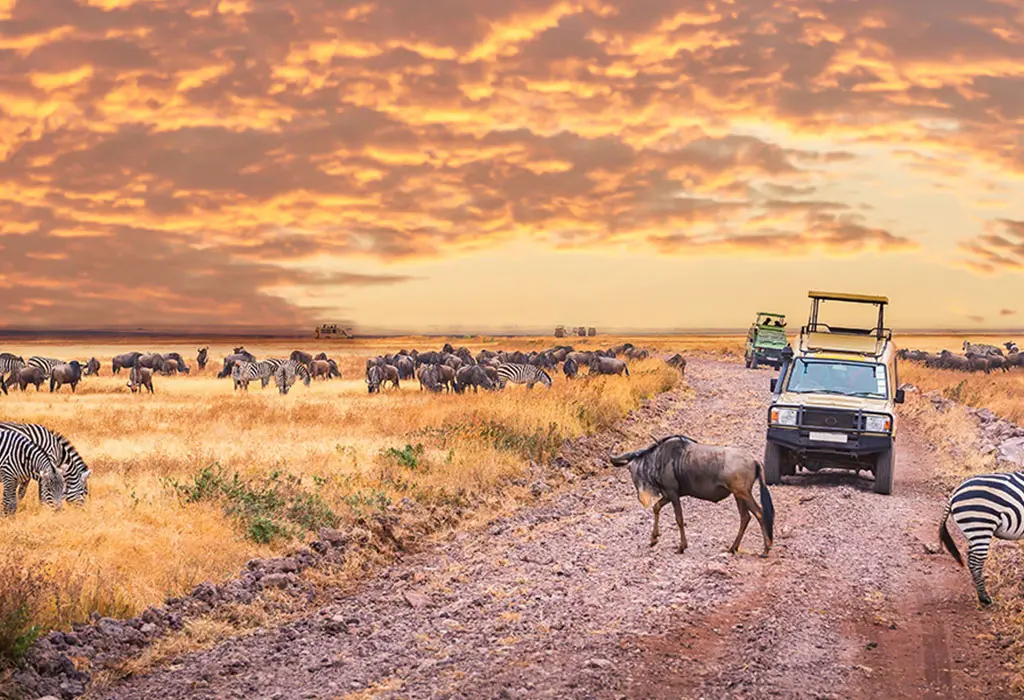
waterholes. The famous Great Migration in the Maasai Mara usually reaches its
peak between July and October, attracting travelers from around the world. The
rainy seasons bring lush landscapes, excellent birdwatching opportunities, and
fewer visitors in some parks. Every season offers unique advantages depending
on travel interests. Understanding Kenya’s weather patterns helps travelers
maximize wildlife sightings and overall comfort during their Kenya safari
experience.
3. The Maasai
Mara Is Kenya’s Top Safari Destination
The Maasai Mara National Reserve is often the
highlight of a Kenya safari experience. This world-famous reserve is renowned
for its abundant wildlife, open grasslands, and dramatic predator sightings.
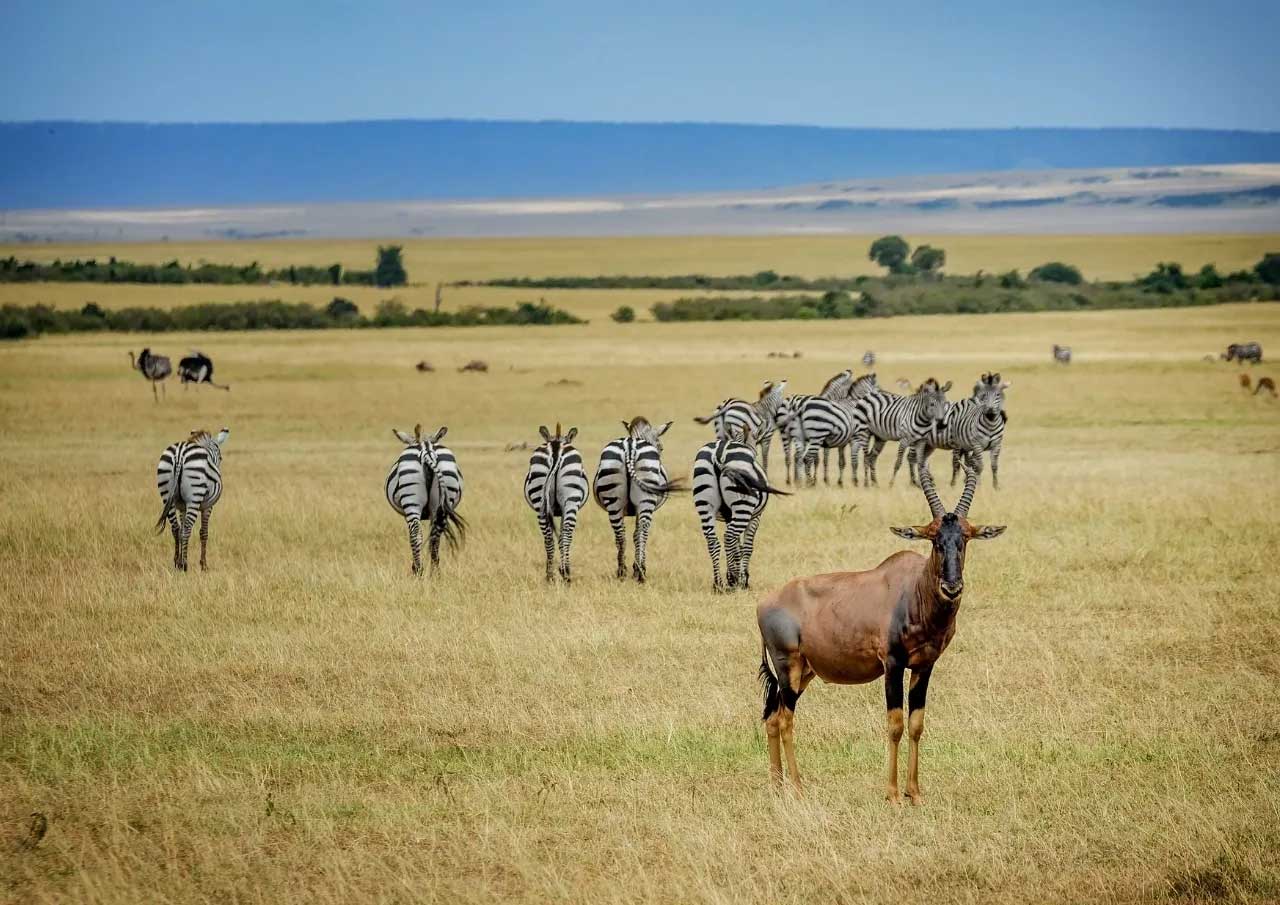
Visitors commonly spot lions, leopards, cheetahs, elephants, buffaloes,
giraffes, zebras, and numerous antelope species. The Maasai Mara is also one of
the best locations to witness the Great Migration as millions of wildebeests
and zebras cross from Tanzania’s Serengeti into Kenya. Game drives across the
reserve offer excellent photography opportunities and unforgettable wildlife
encounters. The reserve’s relatively high concentration of animals means that
visitors often enjoy rewarding sightings throughout their stay. Including the
Maasai Mara in a Kenya safari experience provides one of Africa’s most
recognizable and memorable wildlife adventures.
4. Kenya Offers
More Than the Maasai Mara
While the Maasai Mara receives most of the
attention, a Kenya safari experience includes many other exceptional destinations.
Amboseli National Park is famous for large elephant herds and spectacular views
of Mount Kilimanjaro. Tsavo East and Tsavo West National Parks offer vast
wilderness areas filled with elephants, lions, and diverse birdlife. Samburu
National Reserve provides opportunities to see rare northern species such as
Grevy’s zebra, reticulated giraffe, and Somali ostrich. Lake Nakuru National
Park is known for rhinos and seasonal birdlife around the lake ecosystem. Each
destination offers unique landscapes and wildlife viewing opportunities.
Combining multiple parks within a Kenya safari experience allows travelers to
appreciate the country’s ecological diversity while enjoying different styles
of safari adventures.
5. Wildlife
Viewing Is Exceptional Throughout the Country
A major reason travelers choose a Kenya
safari experience is the country's outstanding wildlife diversity. Kenya is
home to the Big Five, which include lions, leopards, elephants, buffaloes, and
rhinos. In addition to these famous species, travelers may encounter cheetahs,
hyenas, giraffes, hippos, crocodiles, zebras, wildebeests, and numerous
antelope species. Many parks also support impressive bird populations, making
Kenya an attractive destination for birdwatchers. The country's conservation efforts
have strengthened wildlife protection and contributed to healthy populations in
many protected areas. Game drives typically take place during early morning and
late afternoon when animals are most active. Consistently excellent wildlife
encounters are a defining feature of a Kenya safari experience and remain a
primary reason travelers return to the country.
6. Cultural
Experiences Enrich the Safari Journey
A Kenya safari experience is not only about
wildlife. The country’s rich cultural diversity offers visitors opportunities
to learn about traditional lifestyles and local communities. The Maasai people
are among the most recognized cultural groups in Kenya and often welcome
visitors to learn about their customs, livestock practices, traditional homes,
music, and dances. Community tourism projects across the country create
meaningful interactions between travelers and local residents. Visitors can
explore local markets, cultural centers, and community initiatives that
highlight Kenya’s heritage and daily life. These encounters provide deeper
insights into the people who share landscapes with wildlife. Adding cultural
experiences to a Kenya safari experience creates a more complete understanding
of the country beyond game drives and wildlife viewing.
7. Proper Health
Preparation Is Important
Before beginning a Kenya safari experience,
travelers should make appropriate health and safety preparations. Consulting a
healthcare professional before travel can help determine recommended
vaccinations and preventive measures. Malaria prevention is advised for many
safari regions, and insect repellent should be included in travel plans.
Travelers should also obtain comprehensive travel insurance that includes
medical coverage and emergency evacuation. Staying hydrated is especially
important in warm safari environments. Sunscreen, hats, and sunglasses provide
protection during long hours outdoors. Kenya is generally welcoming to
visitors, but common travel precautions such as safeguarding personal
belongings should still be followed. Proper preparation helps travelers enjoy
their Kenya safari experience with confidence while minimizing unnecessary
travel disruptions.
8. Packing
Wisely Improves Comfort During Safari
Packing correctly can significantly enhance a Kenya
safari experience. Neutral-colored clothing is recommended because it is
practical for wildlife viewing and suitable for safari environments.
Lightweight clothing helps during warm days, while warmer layers are useful for
cool mornings and evenings. Comfortable walking shoes are essential for lodge
activities and guided walks. Binoculars are highly recommended for viewing
distant wildlife, while cameras and extra batteries allow travelers to capture
memorable moments. A reusable water bottle, sunscreen, insect repellent,
sunglasses, and a hat should also be included. Packing efficiently while
accounting for varying temperatures ensures greater comfort throughout the
journey. Proper preparation allows visitors to fully enjoy every aspect of
their Kenya safari experience without unnecessary inconvenience.
9. Kenya Is
Ideal for Combining Safari and Beach Holidays
One of the unique advantages of a Kenya safari
experience is the opportunity to combine wildlife adventures with relaxing
beach holidays. After spending time in national parks and game reserves,
travelers can visit coastal destinations along the Indian Ocean. Popular beach
areas such as Diani Beach, Watamu, and Malindi offer white sandy beaches, warm
waters, and a variety of leisure activities. Many travelers choose to end their
safari holiday on the coast to enjoy rest and relaxation after several days of
game viewing. This combination creates a balanced travel itinerary that
includes both adventure and leisure. The ability to enjoy wildlife and beach experiences
within one country is a major reason why a Kenya safari experience appeals to
many international travelers.
10. Responsible
Tourism Supports Conservation and Communities
Responsible tourism plays a vital role in sustaining
the wildlife and communities that make a Kenya safari experience possible.
Tourism revenue contributes directly to conservation initiatives, anti-poaching
efforts, habitat protection, and community development projects. Visitors can
support these efforts by respecting wildlife regulations, avoiding littering,
and following park guidelines. Staying in eco-conscious lodges and supporting
community-owned tourism projects helps generate benefits for local people.
Responsible travel also encourages long-term wildlife conservation and promotes
sustainable economic opportunities. Every traveler has an opportunity to
contribute positively through thoughtful choices during their visit. By
practicing responsible tourism, visitors help preserve Kenya’s extraordinary
wildlife and natural heritage for future generations while enhancing the
positive impact of their Kenya safari experience.