
1. Gorilla
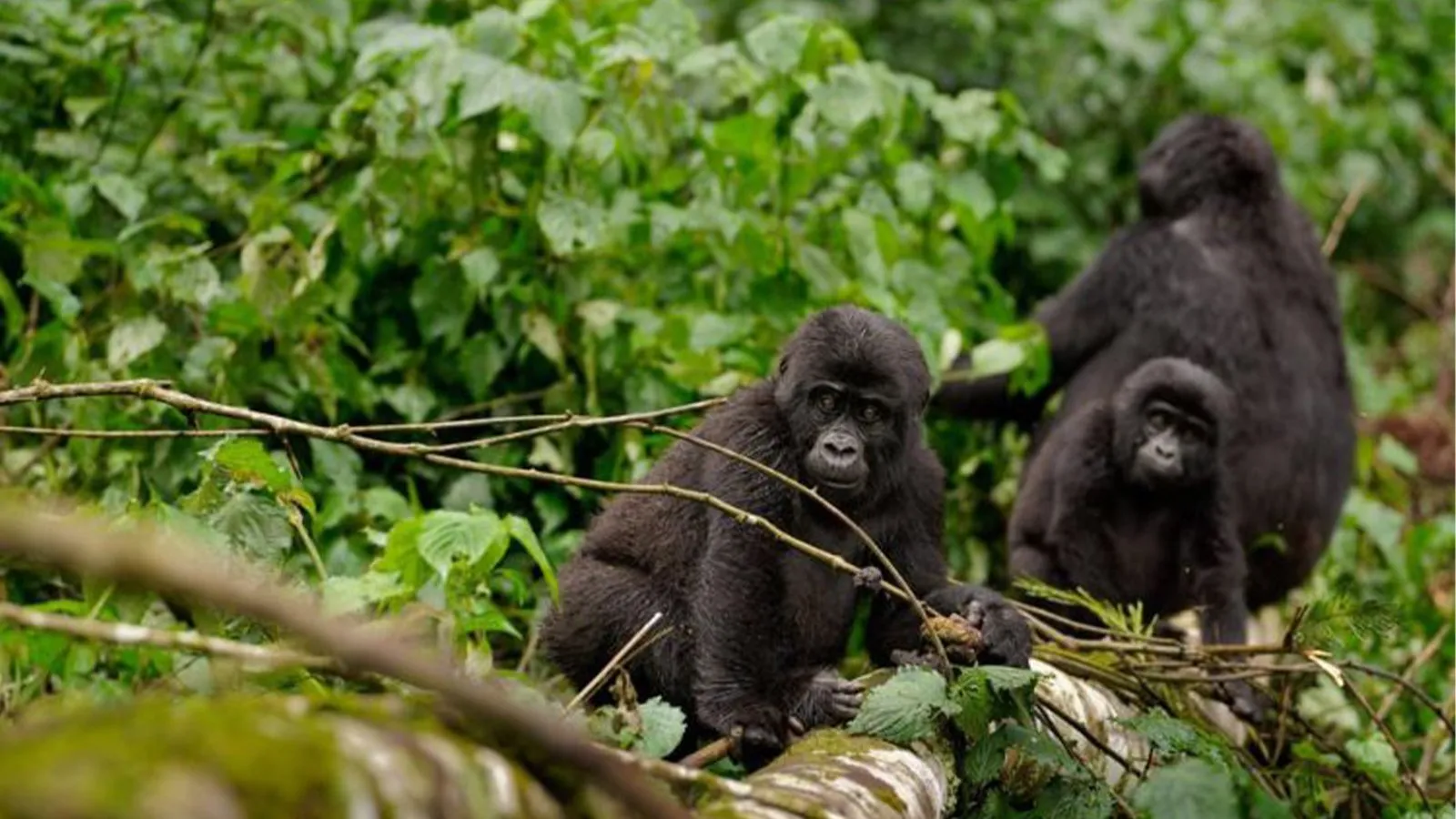
Trekking in Bwindi
This is Uganda's top activity and the main reason
most travelers visit the country. You hike through the dense Bwindi
Impenetrable Forest, which is steep and covered in thick vegetation, to
find a mountain gorilla family. The trek can take anywhere from 2 to 6 hours,
depending on where the gorillas moved to build their nests the previous night.
Once the trackers locate the family, you are allowed to spend one hour with
them. Seeing a silverback and his group from a few meters away is a powerful
moment. A trekking permit costs $800 per person, which is your single biggest
expense. You must book this permit well in advance, as only 8 visitors are
allowed per gorilla family each day.
2. Gorilla
Habituation Experience
For a deeper experience, try the gorilla habituation,
available in Bwindi
or Mgahinga Gorilla National Park. Instead of one hour, you spend up to
four hours with a gorilla family that is still being accustomed to human
presence. You go out with researchers and rangers who are doing the daily work
of getting the gorillas used to people. This allows you to see more natural
behaviors, as the gorillas are not yet fully comfortable with humans. The
permit for this experience costs $1,500, which is nearly double the standard
trekking permit. The extended time and smaller group size make this a more
exclusive activity, but it offers a much more detailed look into gorilla social
structures and daily life.
3. Chimpanzee
Trekking in Kibale Forest
Kibale Forest National Park is known as the primate
capital of East Africa, with over 1,500 chimpanzees living there. Tracking
chimpanzees is a more active experience than gorilla trekking because chimps
are fast, loud, and move frequently through the trees. You hike through the
forest, listening for their calls and looking for freshly built nests to find
them. The activity usually takes 2 to 4 hours. Once you find the troop, you can
watch them feed, groom, and play. The permit for this activity costs around
$250, making it a more budget-friendly primate experience than gorilla
trekking. Kibale also has other monkey species, adding to the experience.
4. Chimpanzee
Habituation Experience
This is similar to the gorilla habituation but for chimpanzees
in Kibale Forest. You spend a full day, from morning until evening, following
a chimp troop that is being habituated. You leave the park headquarters early
in the morning and track the chimps as they wake up, move through the forest,
feed, and eventually build their night nests. The permit costs about $300,
which is a small premium over a standard trek for significantly more time with
the animals. This experience is ideal for those who want a more immersive
understanding of chimpanzee behavior, as you get to observe their daily
routines without the time limit of a standard trek.
5. Game Drives
in Savannah Parks
Uganda also offers traditional game drives in its
savannah parks, which are different from the rainforest experiences. Queen
Elizabeth National Park is famous for its tree-climbing lions in the Ishasha
sector, where lions rest on fig tree branches. Murchison Falls National Park,
Uganda's largest park, is good for spotting giraffes, elephants, and buffalo in
open grasslands. Kidepo Valley National Park is a more remote option, offering
a wild feel with large herds of buffalo and other plains game. Game drives are
usually done in a 4x4 vehicle with a guide. Costs for game drives are included
in your overall safari package, which typically ranges from $200 to $600 per
person per day.
6. Boat Safaris
on the Nile and Kazinga Channel
Water-based safaris are a major highlight in Uganda
and offer a different perspective on wildlife. The Kazinga Channel boat cruise
in Queen Elizabeth National Park offers excellent views of hippos, crocodiles,
and elephants along the banks. The channel connects Lake Edward and Lake George
and is a hotspot for birdlife. In Murchison Falls, a boat trip takes you to the
base of the falls, offering close views of wildlife and the dramatic waterfall
where the Nile forces through a narrow gorge. These cruises typically last 2 to
3 hours and cost around $30 to $40 per person. They are a good addition to any
safari itinerary.
7. Rhino
Tracking at Ziwa Sanctuary
Ziwa Rhino Sanctuary is the only place in Uganda
where you can see rhinos in the wild, as they are not found in any of the
national parks. This is a walking experience, where you track the southern
white rhinos with a ranger on foot. The sanctuary is located between Kampala
and Murchison Falls, making it a convenient stop on a northern circuit safari.
The activity costs about $50 per person. This is a key stop for anyone wanting
to complete the "Big Five," as rhinos are absent from other parks.
The sanctuary also has other wildlife and bird species, making the visit
worthwhile.
8. Birdwatching
Tours
Uganda is a top birding destination with over 1,070
bird species, which is more than some entire continents. The country has
several endemic species and is famous for the shoebill stork, a large
prehistoric-looking bird. Birdwatchers often visit Mabamba Swamp, located near
Kampala, to see shoebills in their natural habitat. Many parks, including Queen
Elizabeth and Murchison Falls, also have good birdwatching opportunities. This
activity can be done as a focused tour or as part of regular game drives and
boat cruises. The cost depends on the location, but a dedicated birding tour
can be arranged for a daily fee similar to standard safari rates.
9. Cultural and
Community Visits
Community tourism connects you with the people
living alongside the wildlife. You can visit the Batwa community near Bwindi to
learn about their traditional forest life, as they were the original
inhabitants of the forest before it became a park. Other experiences include
coffee tours in the highlands, where you can see the entire process from bean
to cup, or visits to local villages to see traditional dances and crafts. These
visits usually cost between $20 and $50, depending on the experience and
length. The money goes directly to the communities, supporting local projects
like schools and health centers.
10. Adventure
Activities in Jinja
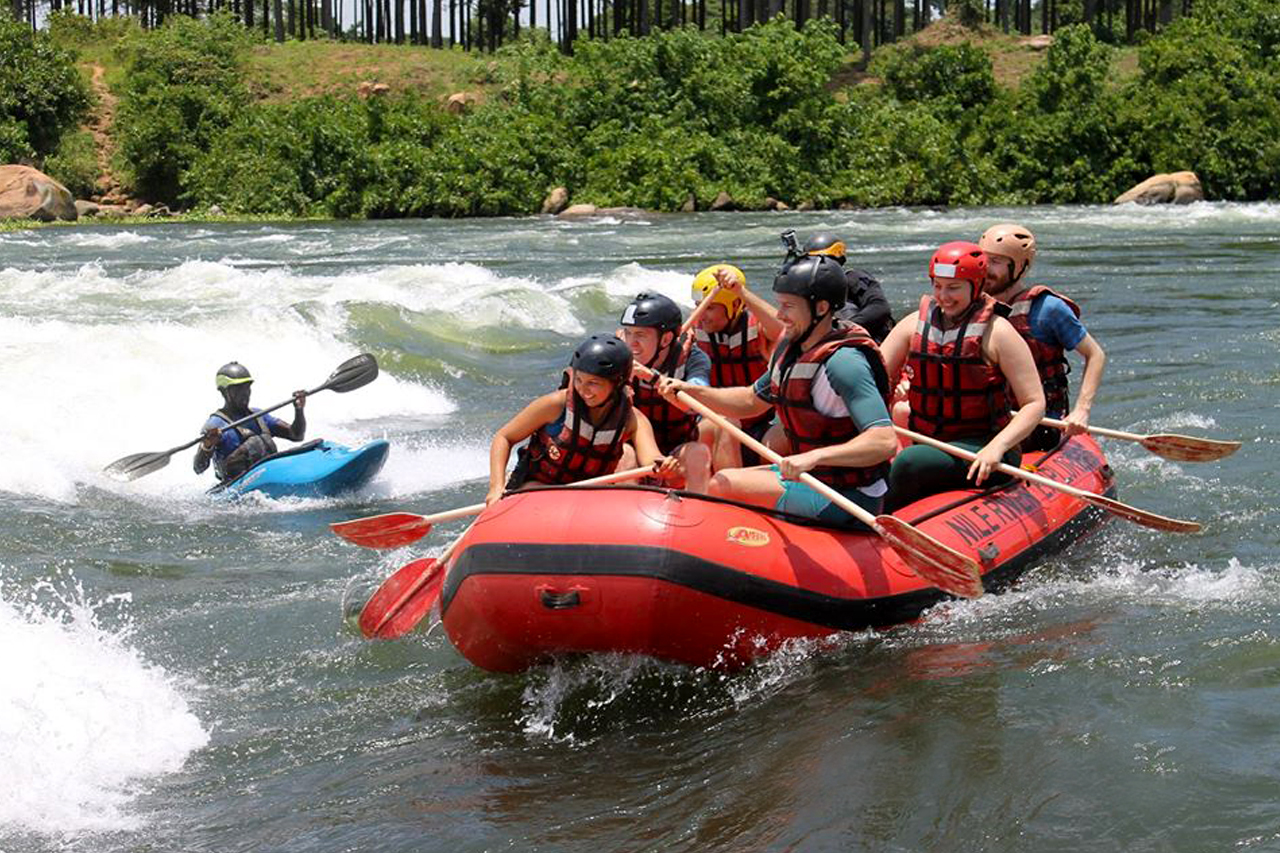
Jinja, located on the Nile River, is Uganda's
adventure hub. The main draw is white-water rafting on the Nile's grade 5
rapids, costing between $125 and $150 for a full day. You can also do bungee
jumping, kayaking, zip lining, and tubing. For a calmer adventure, consider
hiking at Sipi Falls or Mount Elgon. The Sipi Falls area offers beautiful views
of three waterfalls and coffee tours. These activities are a good way to finish
a safari, as Jinja is only about a 2-hour drive from Kampala. They provide a
contrast to the wildlife-focused parts of your trip.
11. Golden
Monkey Tracking in Mgahinga
Golden monkey tracking is a lesser-known primate
experience available in Mgahinga
Gorilla National Park, which is located in the southwestern corner of
Uganda. These colorful monkeys live in bamboo forests on the slopes of the
Virunga volcanoes. The trek is generally easier than gorilla or chimp tracking,
as the bamboo zone is at a lower altitude and the monkeys are often easier to
find. A permit costs about $100 per person. Once you locate a troop, you get
one hour to observe them as they jump between bamboo stalks and feed on leaves
and shoots. This activity is often combined with gorilla trekking in Bwindi, as
the parks are not far apart.
12. Hiking the
Rwenzori Mountains
The Rwenzori Mountains, also called the Mountains of
the Moon, offer some of the most challenging and scenic hiking in Africa. These
mountains have several peaks that are over 5,000 meters, with Margherita being
the highest. The hike takes you through different vegetation zones, from
rainforests to alpine meadows and glaciers. A standard trek to the peaks takes
6 to 8 days. You need to book through a tour operator and hire porters and
guides. Costs range from $1,200 to $2,000 for a full trek. This activity is for
experienced hikers, as the terrain is steep and the weather is unpredictable.
13. Sipi Falls
Hiking and Abseiling
Sipi Falls is a series of three beautiful waterfalls
located on the slopes of Mount Elgon in eastern Uganda. You can take a guided
hike to visit all three falls, which takes about 3 to 4 hours. The hike passes
through local villages, coffee plantations, and caves. For more adventure, you
can do abseiling down the 100-meter main waterfall, which costs around $50. The
area is also known for its coffee, so you can add a coffee tour to your visit.
The views of the surrounding plains and the mountain are excellent. A basic
hike costs about $20 to $30 per person.
14. Sport
Fishing on Lake Victoria and the Nile
Uganda has good sport fishing opportunities, mainly
on Lake Victoria and the Nile River. The main fish you can catch is the Nile
perch, which can weigh over 50 kilograms. You can also catch tilapia and
catfish. Fishing trips usually last a full day and are done by boat with a
local guide. The cost is around $100 to $150 per person, including equipment
and lunch. Lake Victoria is close to Kampala, making it a convenient day trip.
The Nile near Jinja also offers fishing combined with other activities. It is
best to go during the dry season for better conditions.
15. Horseback
Riding in Lake Mburo National Park
Lake Mburo National Park is a small park in western
Uganda that offers a unique way to see wildlife: on horseback. You ride through
the park's savannah and acacia woodland, getting close to zebras, impalas, and
buffalo without the noise of a vehicle. The park is also known for its large
population of eland. The rides last 1 to 2 hours and cost around $50 to $80 per
person. Horses are used to the animals, so you can get good views and photos.
This activity is suitable for beginners as well as experienced riders. It is a calm
and different way to experience the bush.
Best time to
experience Uganda safari adventures
The best time to experience a Uganda safari
adventure is during the dry seasons, which run from December to February and
June to August. These months offer the most reliable conditions, with firm
trails that make gorilla and chimpanzee trekking much easier and more
comfortable. Wildlife viewing is also at its peak during these dry periods because
animals gather around water sources, making them easier to spot on game drives
in parks like Queen Elizabeth and Murchison Falls. While the rainy seasons from
March to May and September to November can be more challenging due to muddy
roads and slippery forest paths, they are the best time for birdwatching and
offer lush green scenery
What to carry
and where to sleep on a Uganda safari
For a Uganda safari, your packing list should focus
on practical, neutral-colored clothing and gear for both rainforest and
savannah conditions. You will need long trousers, long-sleeved shirts, a waterproof
jacket, sturdy hiking boots with good grip, a hat, sunglasses, and sunscreen
for sun protection. Other essential items include insect repellent, a headlamp
or flashlight, a reusable water bottle, and a good camera with extra batteries,
as charging opportunities may be limited. A small daypack is useful for
carrying water and snacks during treks, and a pair of gardening gloves can be
helpful for grabbing vegetation on steep trails. For accommodation, you have
options that range from budget to luxury. In national parks, you can stay in
public campsites with basic facilities, which is the cheapest option. There are
also tented camps and eco-lodges that offer a more comfortable experience with
permanent tents and private bathrooms. For a higher budget, luxury lodges
provide full-service rooms, hot water, and good food, often with views of the
surrounding wilderness. Many tour operators can help you choose and book the
right option for your budget, and it is recommended to book well in advance,
especially for gorilla trekking permits and lodges near Bwindi, as they fill up
quickly.
Why trust
Zoophilist adventures and safari for booking
To book a Uganda safari with Zoophilist Adventures and Safaris,
begin by contacting them through Our website or phone number. We would require
you to share key details to build your trip: your travel dates, the number of
travelers, your budget, and any specific interests like gorilla trekking, game
viewing, or cultural visits . Once you agree on an itinerary, the operator
typically secures your gorilla and chimpanzee permits, which must be paid 100%
upfront due to regulations from the Uganda Wildlife Authority . A deposit
of about 30% of the total safari cost is standard to confirm accommodation and
vehicle bookings, with the balance due roughly 30 to 60 days before your
arrival . They will also arrange your airport transfers, a 4x4 safari
vehicle with a guide, and all lodge or camp bookings according to your chosen
package . It is important to read their cancellation and rescheduling
policies carefully before you sign the booking agreement