
1. Understand
the Price and What You Get
A gorilla permit in Rwanda costs $1,500 for most
international visitors. This permit gives you entry into Volcanoes
National Park, where you join a group of rangers to track a specific
gorilla family. Once the family is located, you are allowed to spend one hour
in their presence. This fee is not just for the experience; it covers the
rangers' salaries, park maintenance, and significant funding for local
conservation projects that protect the gorillas' habitat. East African citizens
and other African residents can access lower rates, but these are generally not
available during the peak months of June to October. Remember that the permit
cost does not include your accommodation, transport to the park, or the
services of a porter.
2. Book Your
Permit Early
The park limits visitors to 96 permits each day,
with a maximum of 8 people per gorilla family. This system protects the
gorillas from stress and disease, but it also means that permits are a limited
resource. For travel during the dry season, from June to September, you should
secure your permit 3 to 6 months ahead of time, as this is when demand is
highest. If you plan to travel during the rainy season, you might find a permit
with only 4 to 6 weeks of notice, but this is not guaranteed. Waiting too long
is risky, as permits are rarely available at the last minute due to the strict
daily cap.
3. Decide How to
Make Your Booking
You can book your permit through two main channels.
The first is to contact the Rwanda Development Board (RDB) directly via their
website or phone. This option lets you avoid a tour operator's service fee, but
the process can be slow and you will need to arrange your own transport and
hotel. The second and more straightforward option is to use a licensed tour
operator based in Rwanda. These agents have direct connections with RDB, check
real-time availability quickly, and handle the entire payment process. They
also coordinate your lodging, provide a 4x4 vehicle, and can arrange any extra
activities you might want to do.
4. Make Your
Payment to Confirm the Permit
The Rwanda Development Board operates on a
first-come, first-served basis, so speed is important. Once you confirm that a
permit is available for your chosen date, you must pay the full $1,500
immediately to secure it. RDB does not hold permits without payment. After the
transaction is processed, you will receive an official confirmation document.
This paper is your authorization to enter the park. Be very sure of your travel
dates before you pay, because
gorilla permits are generally non-refundable and cannot be transferred to
someone else. There is no partial refund if you change your mind, so treat this
as a final purchase.
5. Plan Your
Travel and Accommodation
Volcanoes National Park is located about a 2.5-hour
drive from Kigali International Airport. The roads leading to the park's
headquarters can be rough, so a 4x4 vehicle is the practical choice for
transport. To make your trekking day less stressful, it is best to stay
overnight in a town near the park, such as Musanze (also called Ruhengeri) or
Kinigi. You are required to be at the park headquarters by 7:00 AM on the
morning of your trek. Attempting to drive from Kigali on the same morning is
not a good idea, as you would have to leave before 5:00 AM and still risk being
late for the briefing.
6. Prepare
Yourself and Pack the Right Gear
You do not need to be a professional athlete to
track gorillas, but you should have a reasonable level of fitness. The trek can
involve walking on steep, muddy slopes and pushing through thick vegetation.
Pack a pair of sturdy, waterproof hiking boots to protect your feet and provide
grip on slippery ground. Wear long trousers and long-sleeved shirts to shield
your skin from stinging nettles and insect bites. The weather in the rainforest
changes quickly, so carry a waterproof jacket and a small backpack to hold your
water, snacks, and camera. A pair of gardening gloves can also be useful for
grabbing branches on the trail.
7. Know the
Rules to Protect the Gorillas
The park has strict rules for visitors to prevent
the spread of diseases to the gorillas. You must keep a minimum distance of 7
to 10 meters from the gorillas at all times. Touching them is forbidden, and
you cannot use a camera flash, as it can startle them. If you have any
respiratory infection, like a cough or fever, you will not be allowed on the
trek, as gorillas are vulnerable to human illnesses. You are also required to
avoid eating, drinking, or smoking near the gorillas. These rules are not suggestions;
they are enforced to protect the health and safety of the animals.
8. Understand
What Happens on the Trekking Day
Your trekking day starts with a 7:00 AM briefing at
the park headquarters. During this meeting, rangers will assign you to a specific
gorilla family based on your fitness level and where that family was last
seen. The trek itself can be short, taking only 20 minutes, or it can last over
6 hours, depending on the family's location that day. Once the trackers locate
the gorillas, you will have a strict one hour to watch them. After this hour is
over, you will hike back to the starting point. Hiring a local porter to carry
your daypack costs about $15 and is a good way to support the community.
9. Get to Know
the Gorilla Families
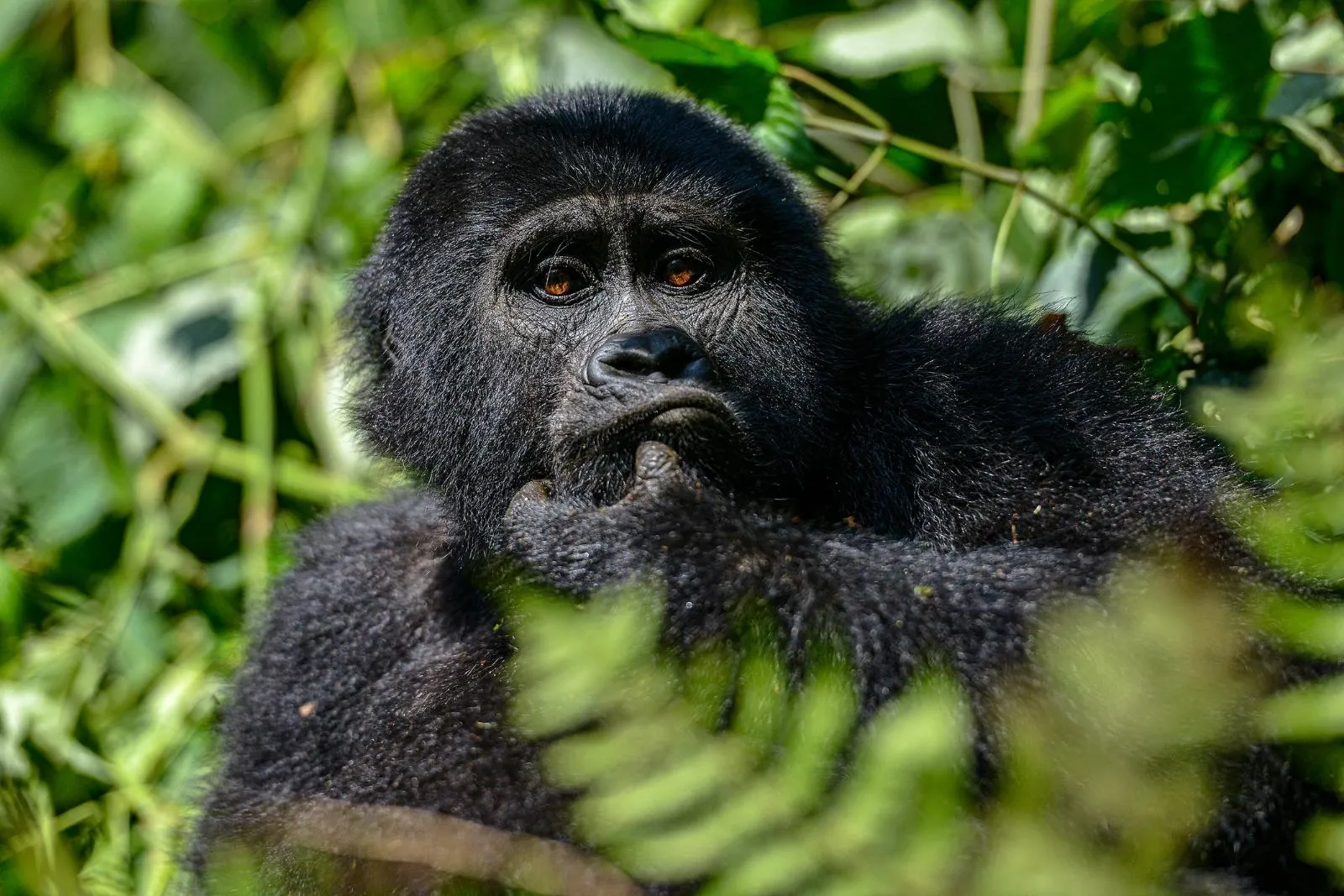
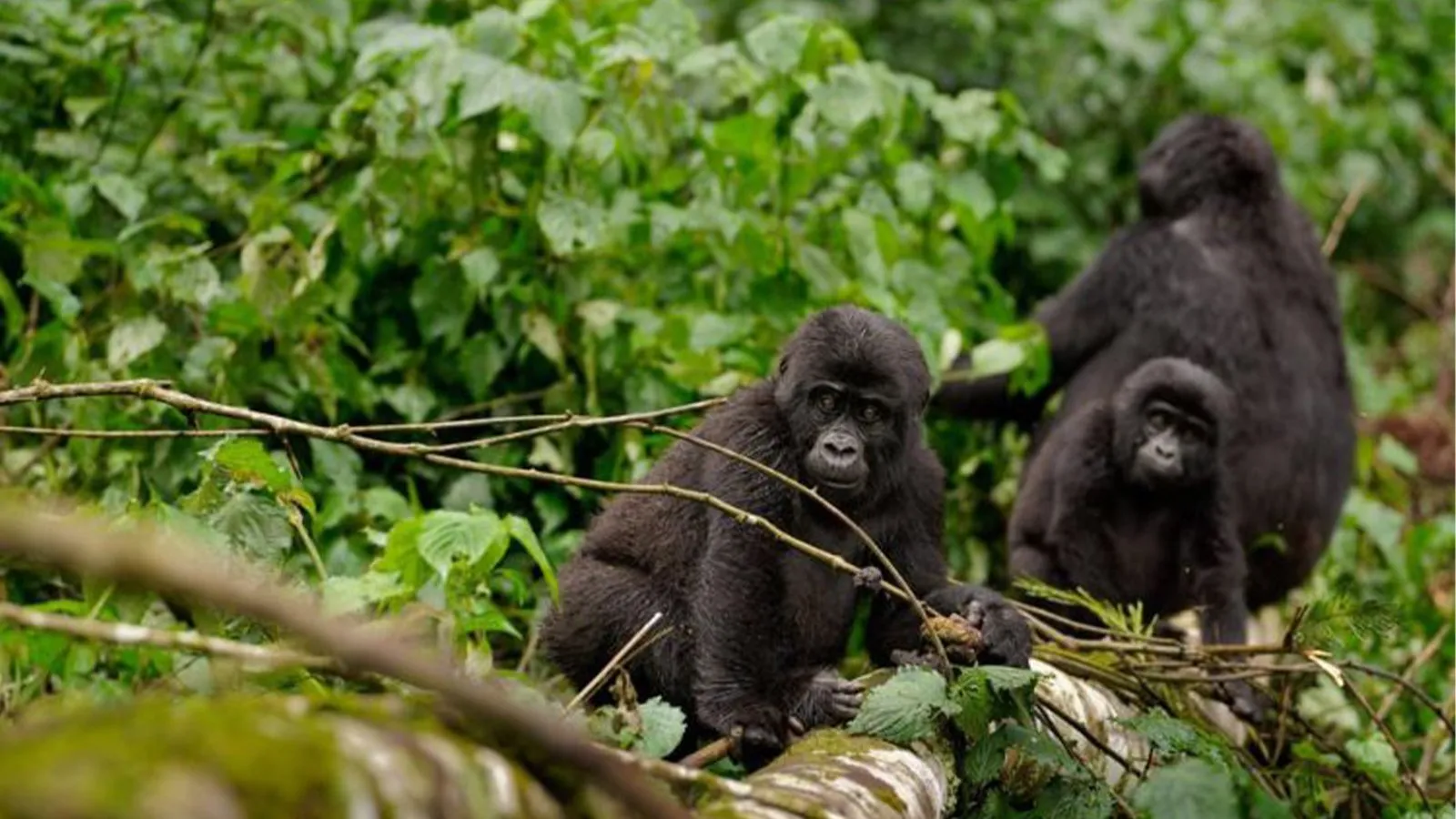
There are 12 habituated gorilla families available
for tracking in Volcanoes National Park. Each group has its own name and
characteristics. Some well-known families include the Susa group, Sabyinyo,
Hirwa, and Kwitonda. The rangers decide which family your group will visit on
the day of your trek. This decision depends on the family's location that
morning and your physical capability to reach them. You may see a dominant
silverback male, mothers carrying their babies, or young gorillas playing with
each other. The park's trackers know the forest well and are skilled at
locating the assigned group.
10. Consider
Adding Other Activities to Your Trip
Volcanoes National Park offers more than just
gorilla tracking. You can visit the nearby Dian Fossey Tomb, where the famous
primatologist is buried, or hike to the grave of her favorite gorilla, Digit.
Another option is the Golden Monkey trek, which is cheaper and requires less
physical effort than the gorilla trek. You can also explore the local
communities and learn about traditional Rwandan life, or visit the Iby'Iwacu
Cultural Village to see dance performances and craft demonstrations. If you
have extra days, consider visiting Lake Kivu, a large lake about an hour's
drive from Musanze, where you can relax by the water. Adding these activities
can make your trip more varied without requiring much extra planning, as your
tour operator can arrange them easily.
Booking to see
gorillas in Rwanda with Zoophilist adventures and safaris
Booking your Rwanda gorilla trek with Zoophilist Adventures and Safaris
likely starts with them handling the permit process for you . You would
need to give them your preferred dates and a passport copy, and they can secure
the permit after you pay the $1,500 fee. We also arrange your accommodation and
a 4x4 vehicle to get you from Kigali to Volcanoes National Park . On the
trek day, We get you to the park headquarters for the morning briefing, then
you head out with a guide to find your assigned gorilla family, which can take
anywhere from 2 to 8 hours through the forest . After your one hour with
the gorillas, they can also organize other activities like visiting the
Iby'Iwacu Cultural Village or the Dian Fossey tomb to round out your trip